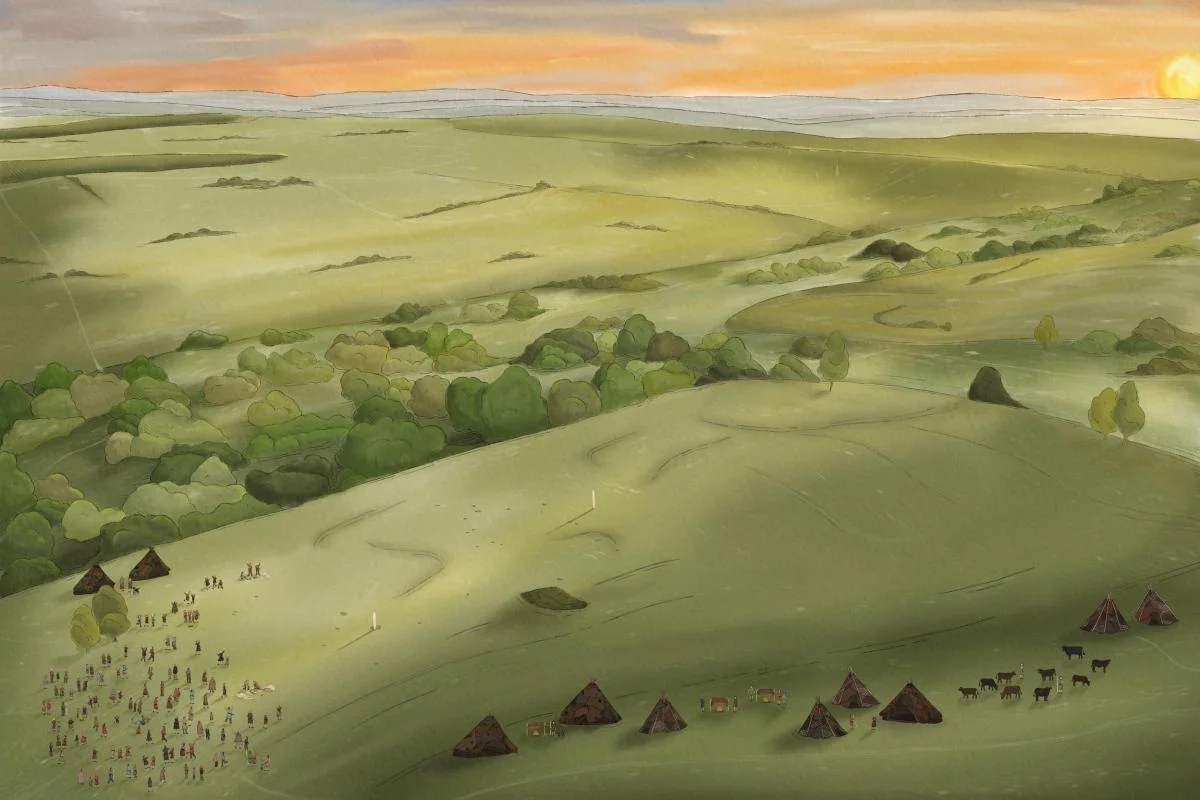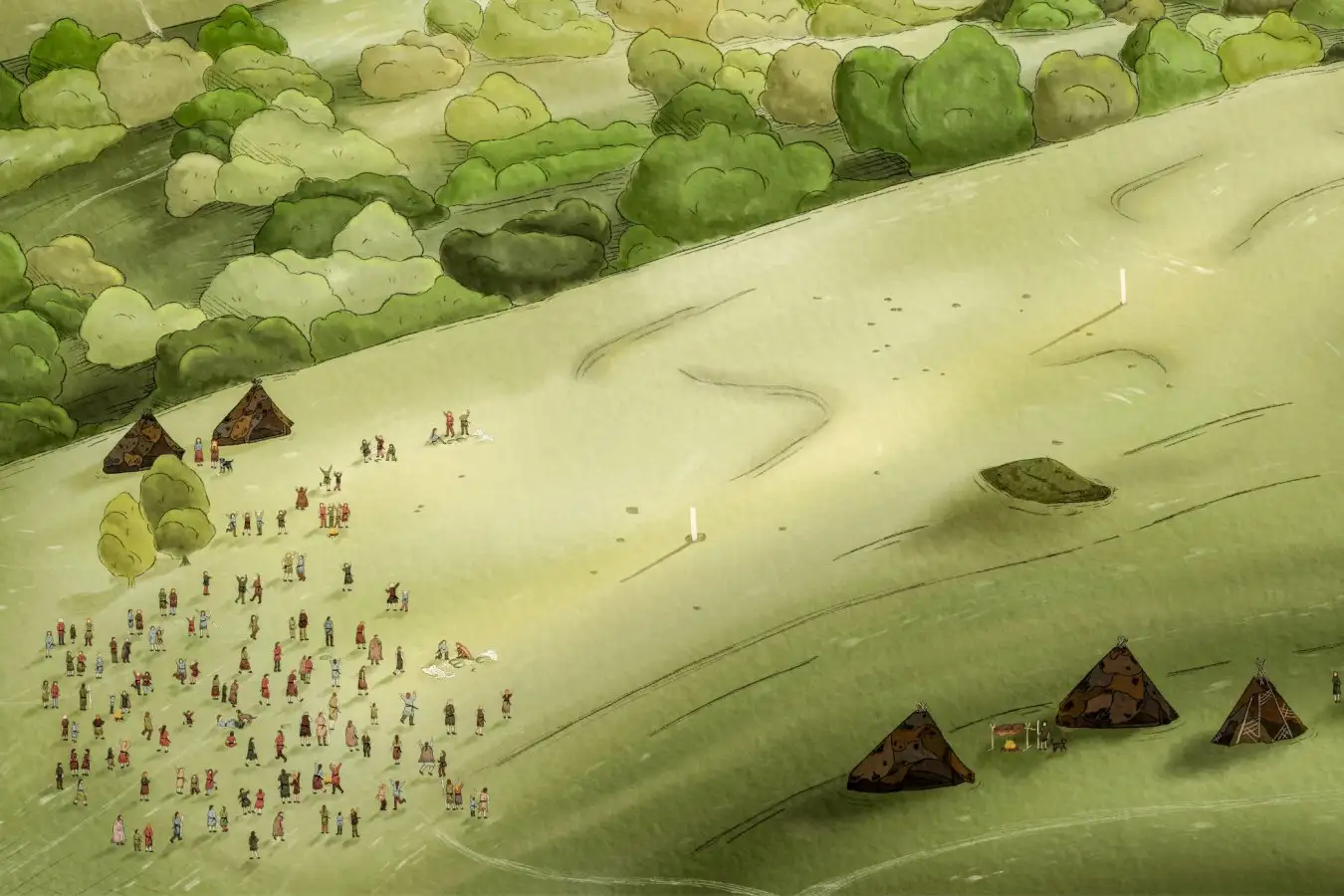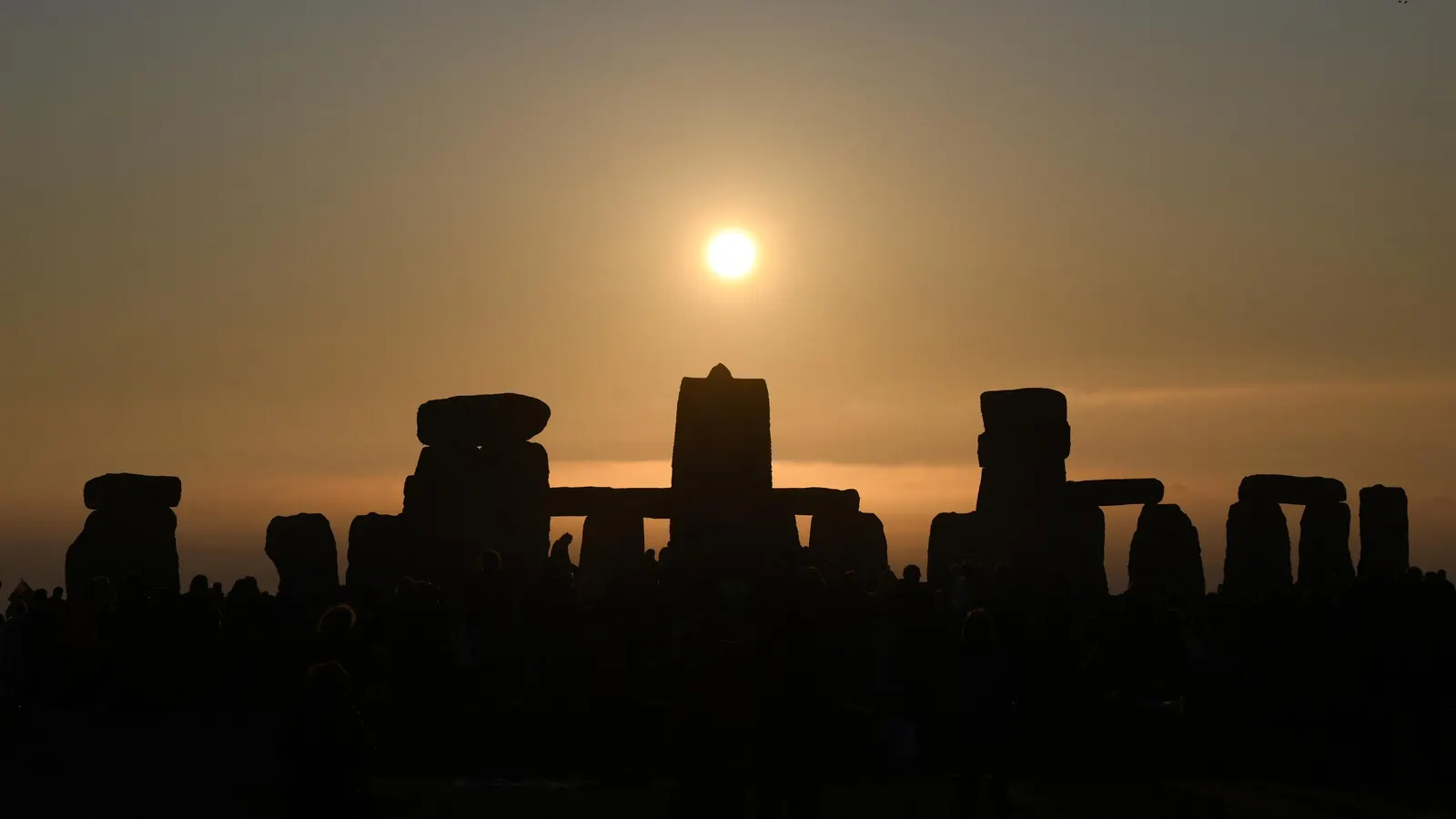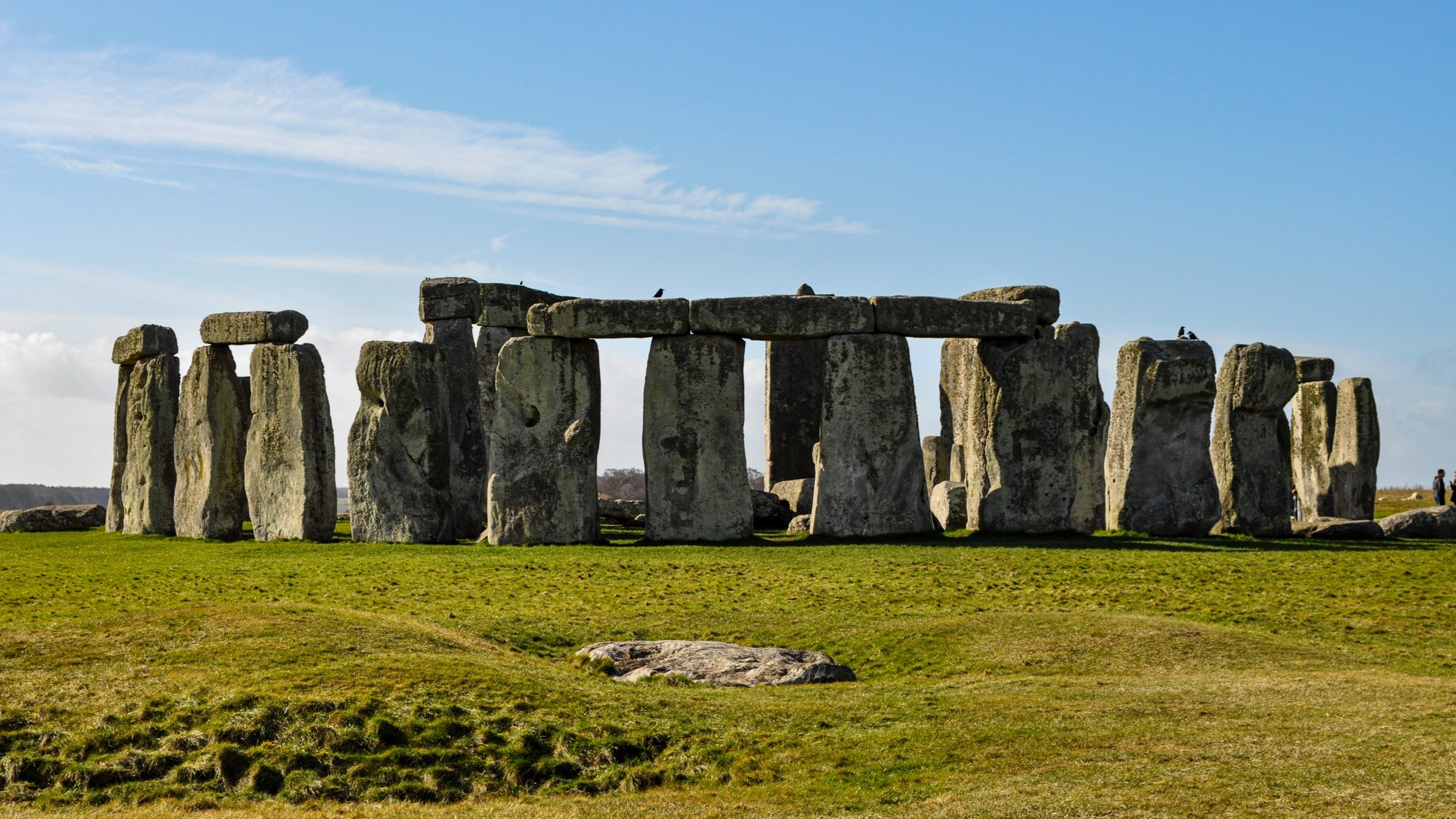
Stay up to date with notifications from The IndependentNotifications can be managed in browser preferences.Jump to contentThank you for registeringPlease refresh the page or navigate to another page on the site to be automatically logged inPlease refresh your browser to be logged inAllNewsSportCultureLifestyleArchaeologists directed by Phil Harding of Wessex Archaeology have unearthed a significant prehistoric religious site at Bulford, Wiltshire, located just three miles from Stonehenge. The discovery, dating back to around 3000 BC, includes 50 ritual pits and two timber monuments, predating the main construction phase of Stonehenge by 450 years. These timber structures were precisely aligned with the summer and winter solstices, revealing that sun worship was a crucial religious practice in the Stonehenge area much earlier than previously thought. The ritual pits contained evidence of communal feasting, including animal bones and pottery, with one pit notably holding a rare circular flint knife, potentially symbolising the sun. This finding suggests that early Stonehenge itself might have featured similar solstice-marking structures and is expected to encourage further research into ancient solar alignments across Europe. In fullEarlier version of Stonehenge discovered three miles from world-famous monumentThank you for registeringPlease refresh the page or navigate to another page on the site to be automatically logged inPlease refresh your browser to be logged in
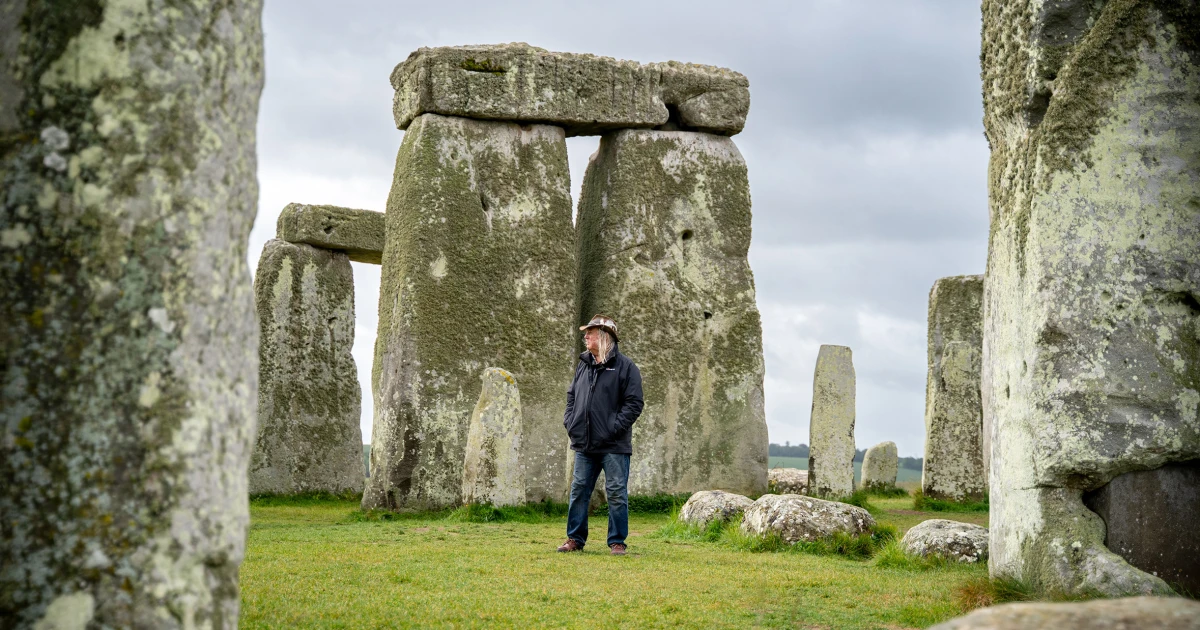
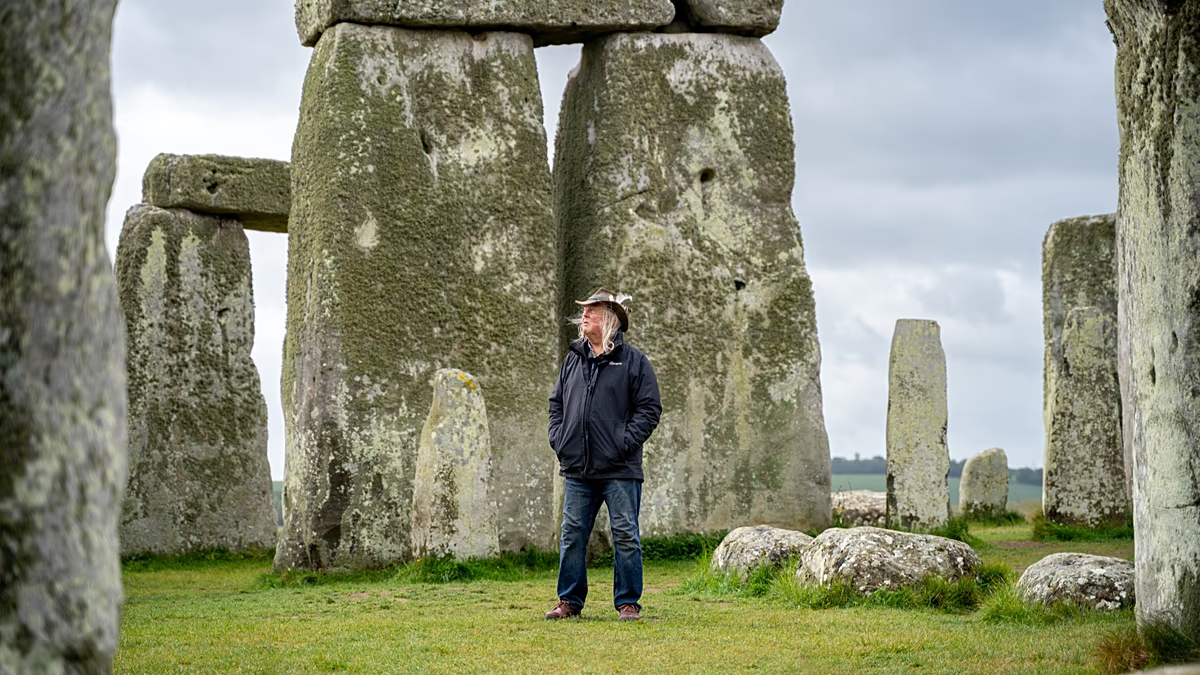
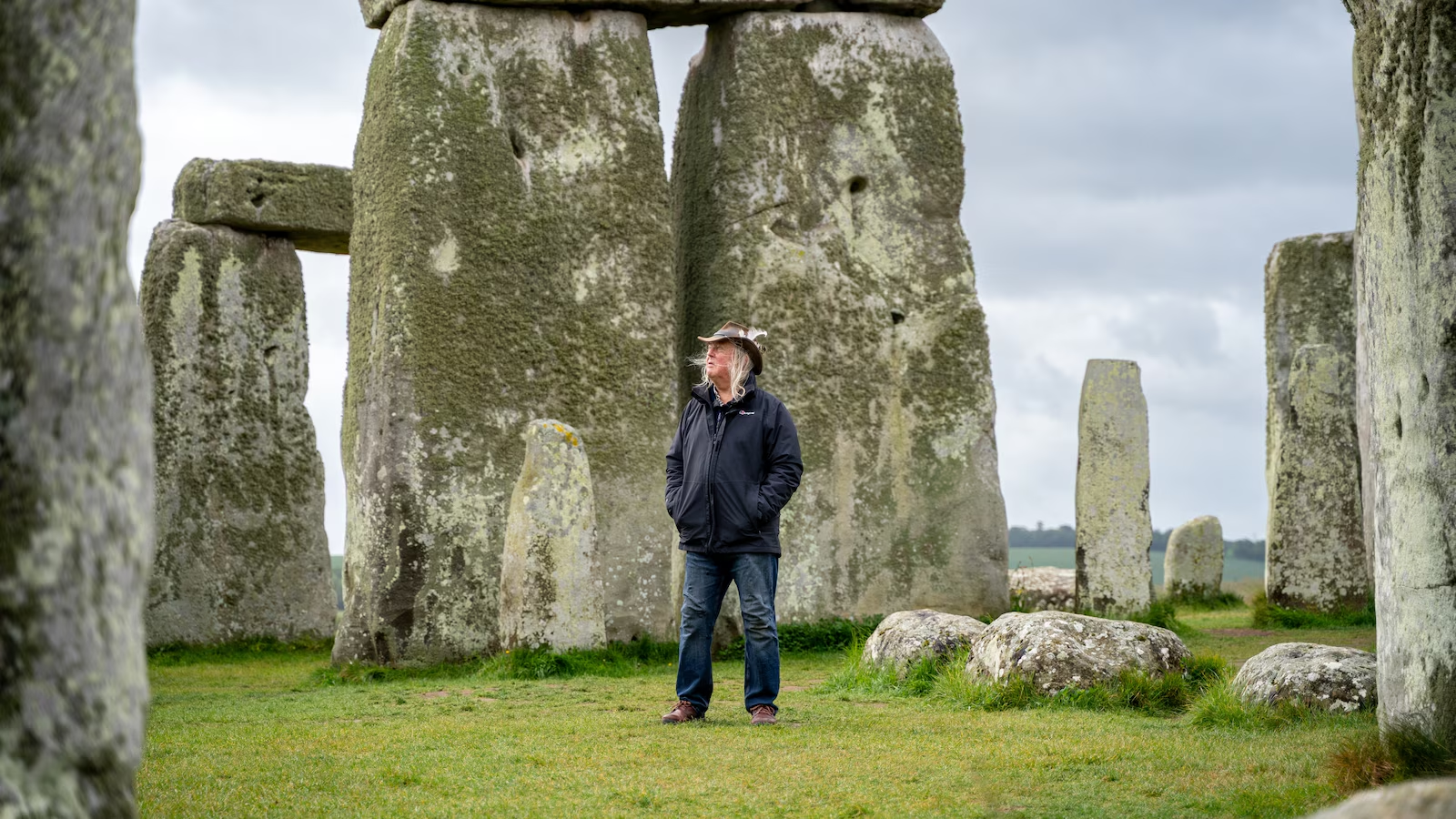
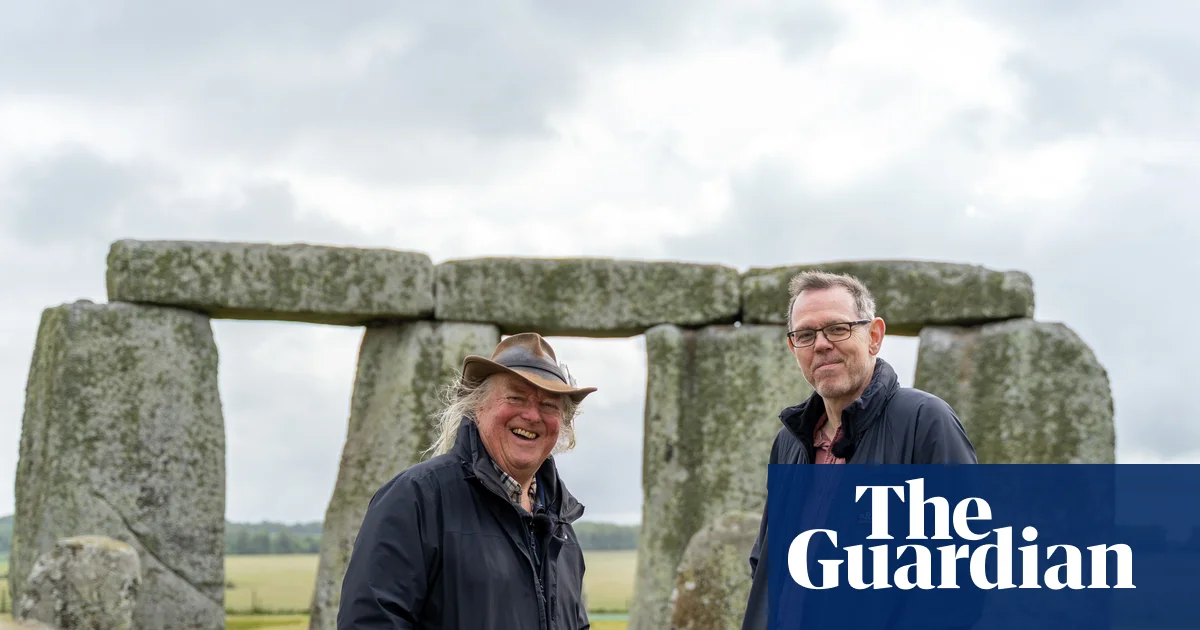
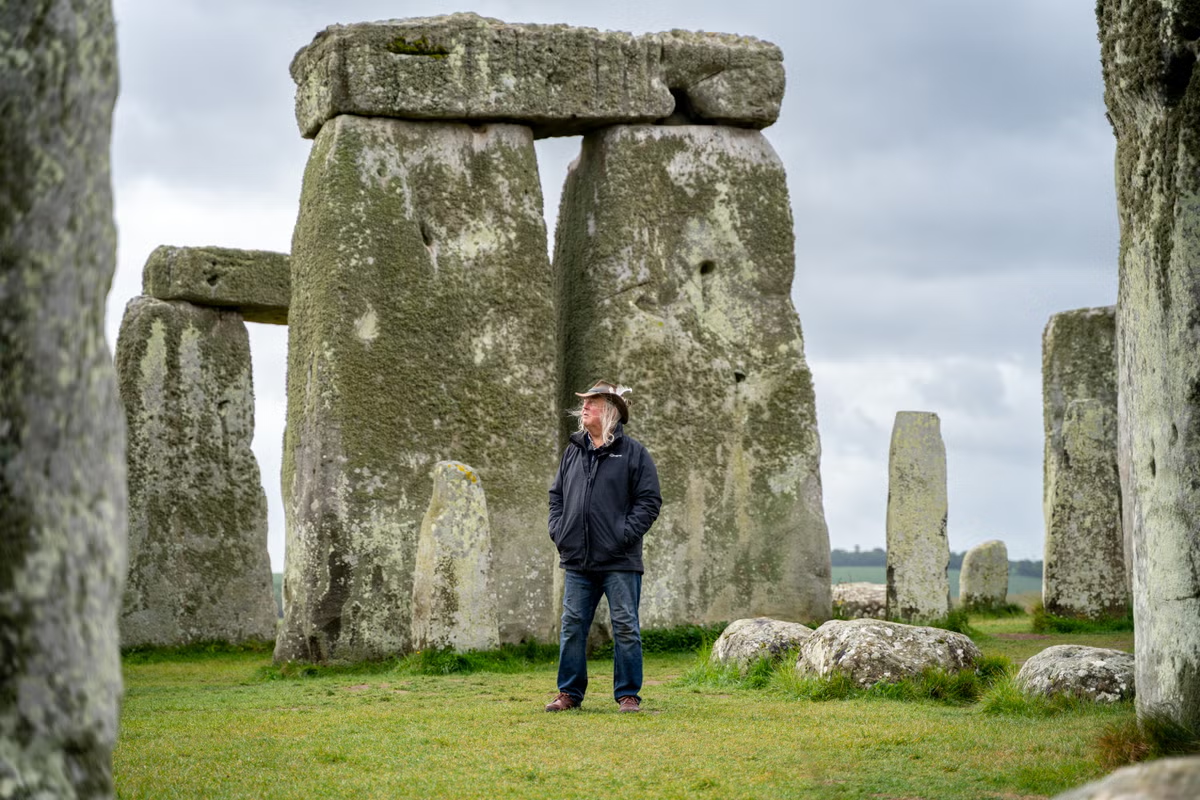
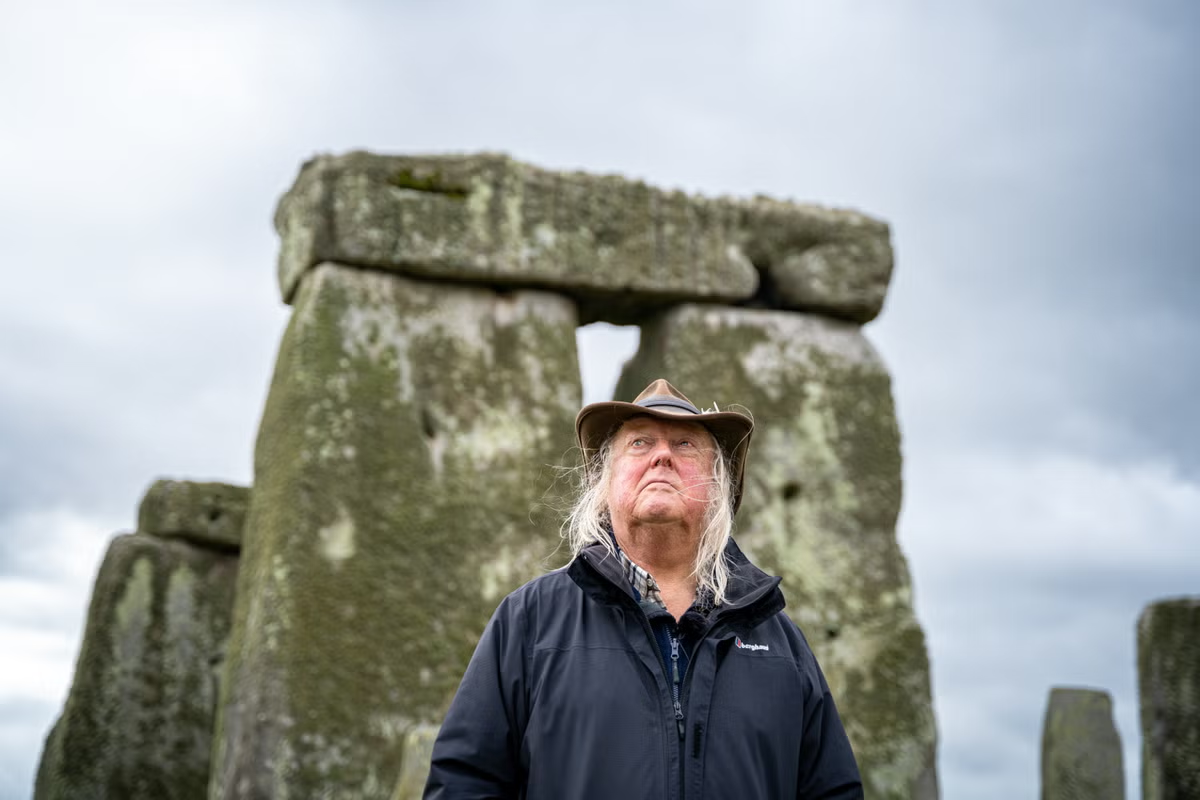
Phil Harding unearths ‘prototype’ for Stonehenge dating back to 3000BC
Stay up to date with notifications from The IndependentNotifications can be managed in browser preferences.Jump to contentThank you for registeringPlease refresh the page or navigate to another page on the site to be automatically logged inPlease refresh your browser to be logged inAllNewsSportCultureLifestyleArchaeologists directed by Phil Harding of Wessex Archaeology have unearthed a significant prehistoric religious site at Bulford, Wiltshire, located just three miles from Stonehenge. The discovery, dating back to around 3000 BC, includes 50 ritual pits and two timber monuments, predating the main construction phase of Stonehenge by 450 years. These timber structures were precisely aligned with the summer and winter solstices, revealing that sun worship was a crucial religious practice in the Stonehenge area much earlier than previously thought. The ritual pits contained evidence of communal feasting, including animal bones and pottery, with one pit notably holding a rare circular flint knife, potentially symbolising the sun. This finding suggests that early Stonehenge itself might have featured similar solstice-marking structures and is expected to encourage further research into ancient solar alignments across Europe. In fullEarlier version of Stonehenge discovered three miles from world-famous monumentThank you for registeringPlease refresh the page or navigate to another page on the site to be automatically logged inPlease refresh your browser to be logged in