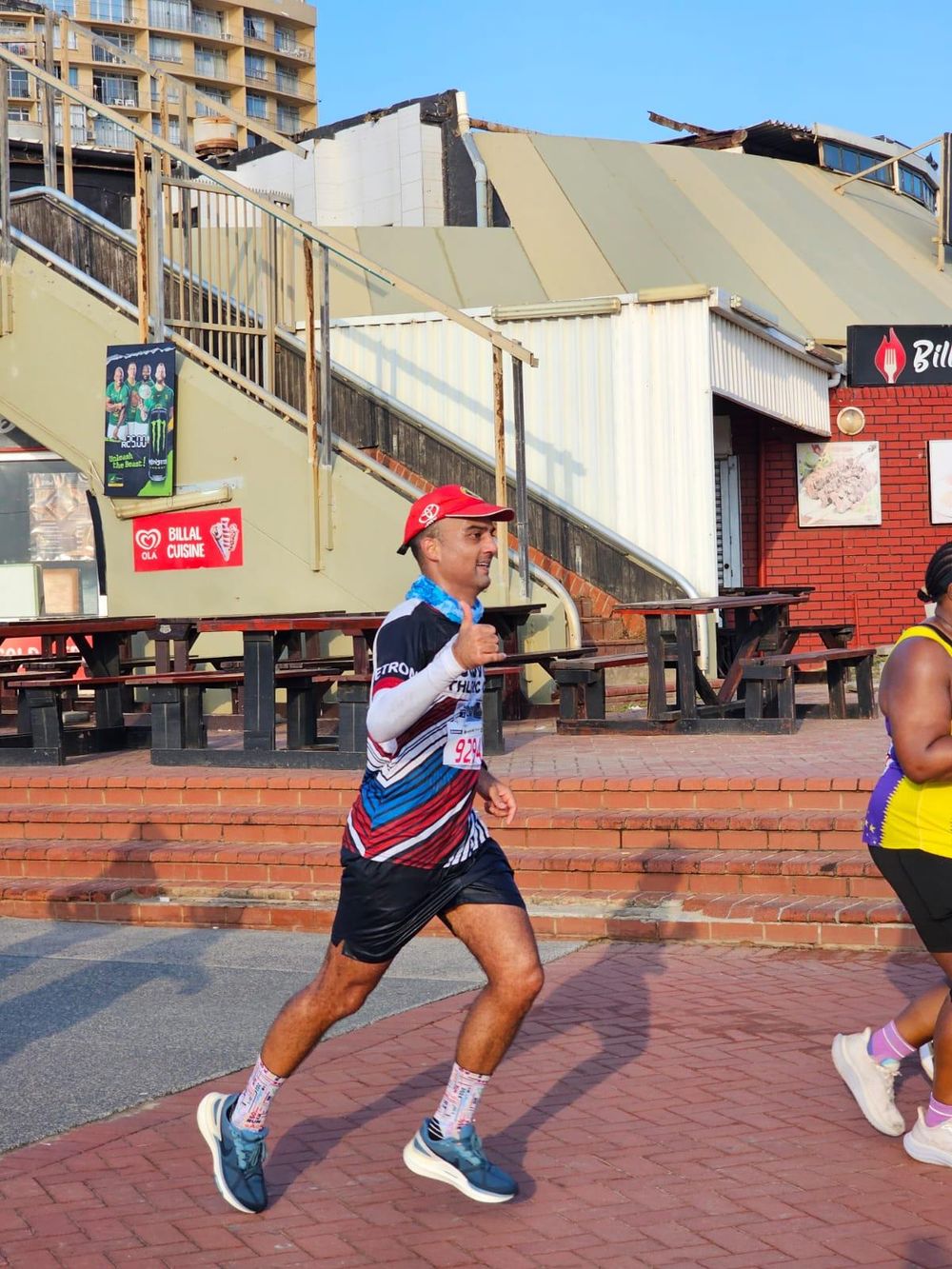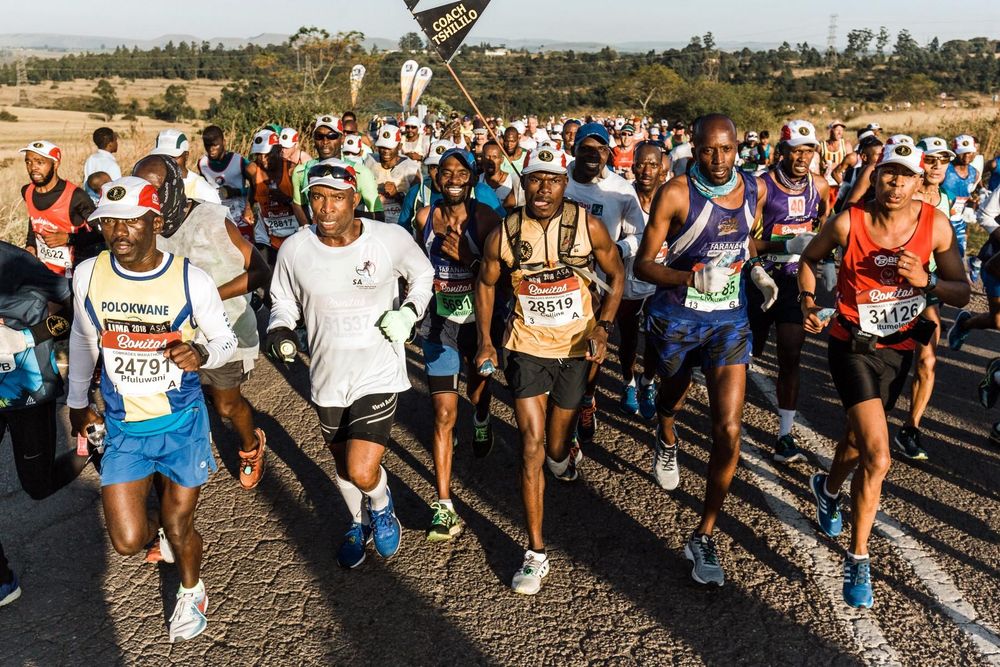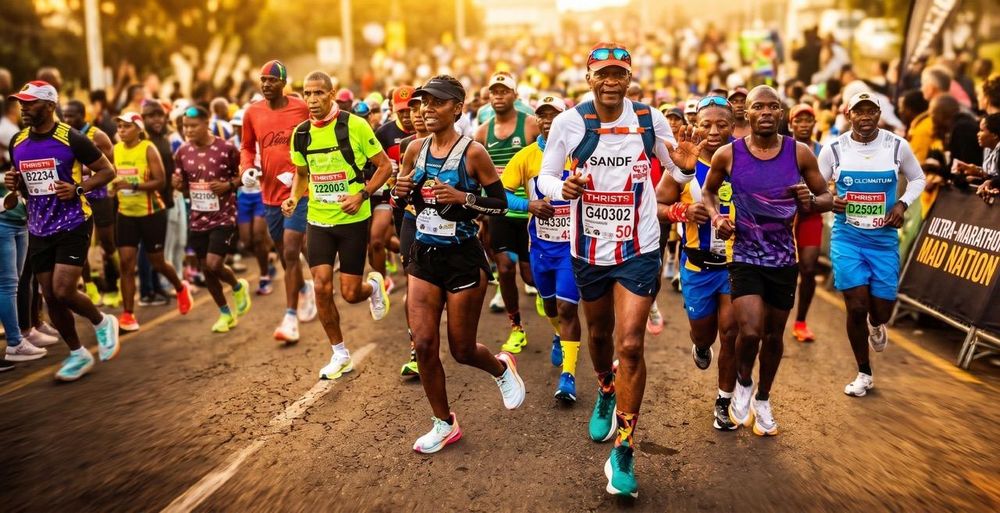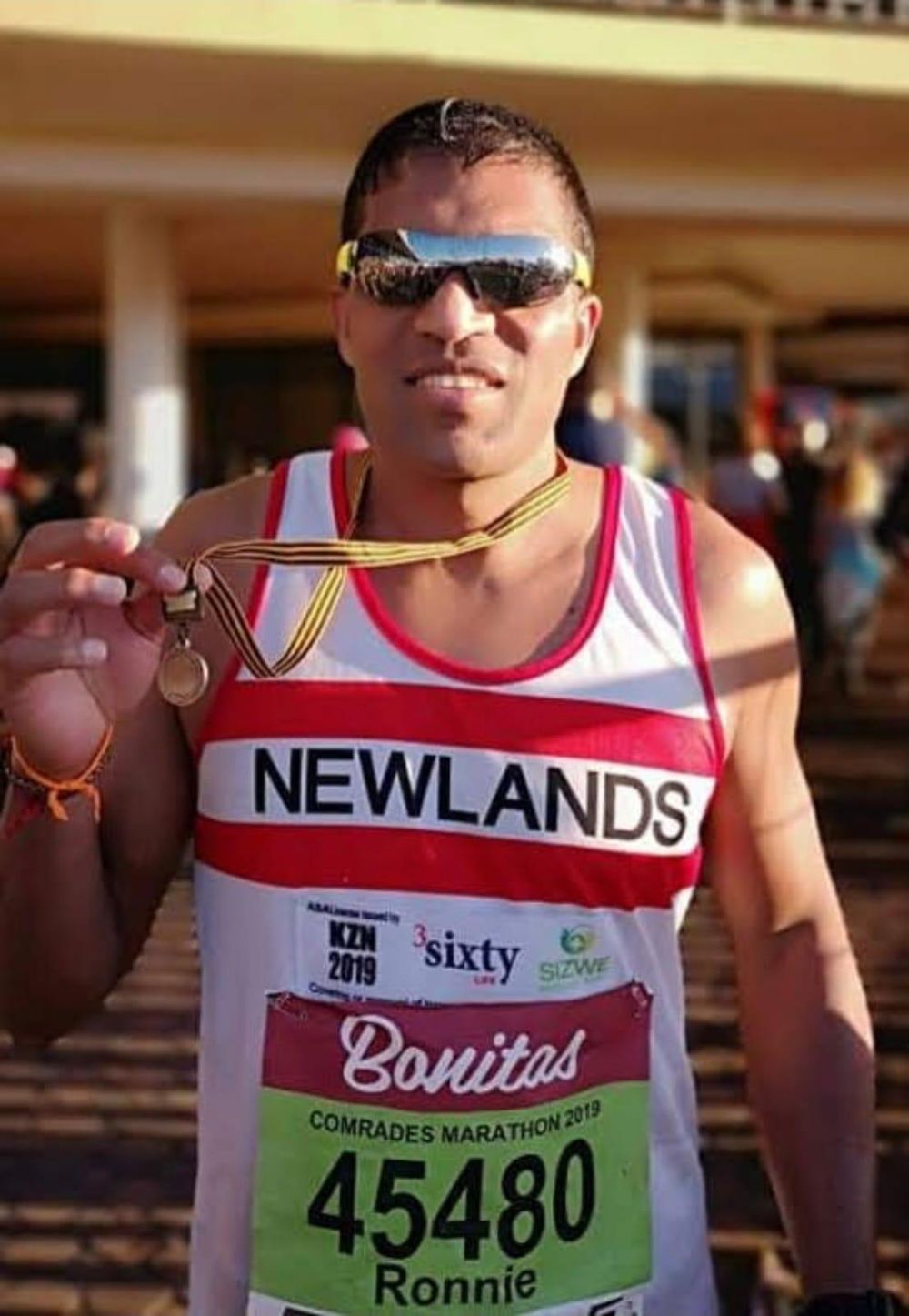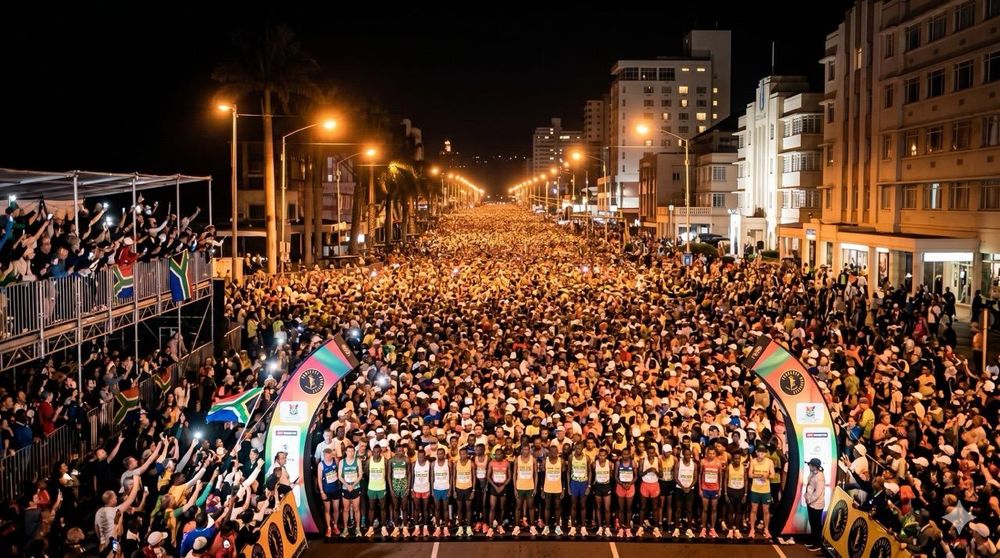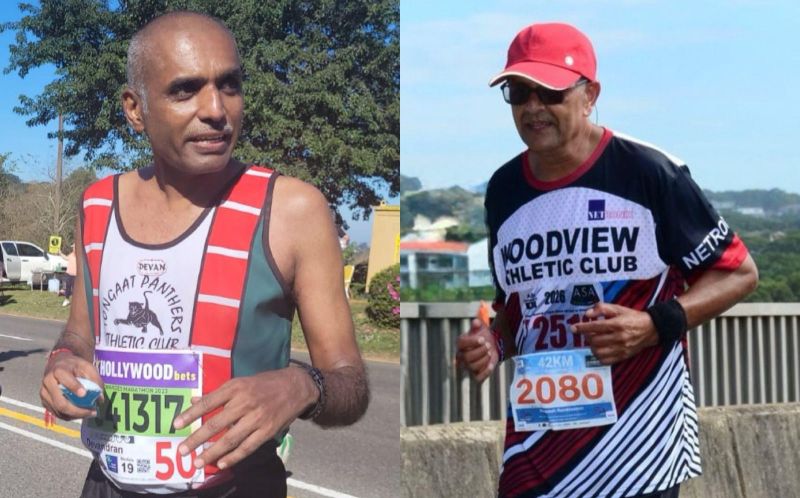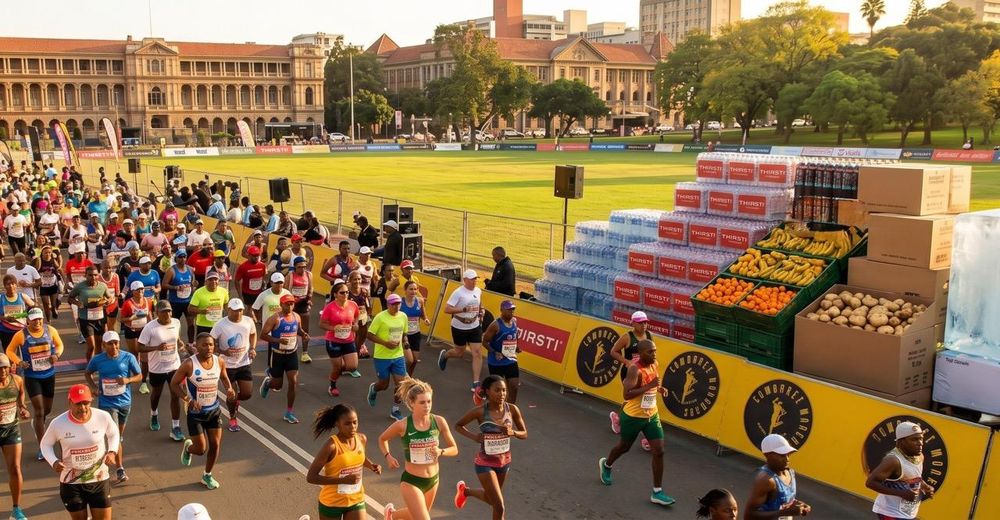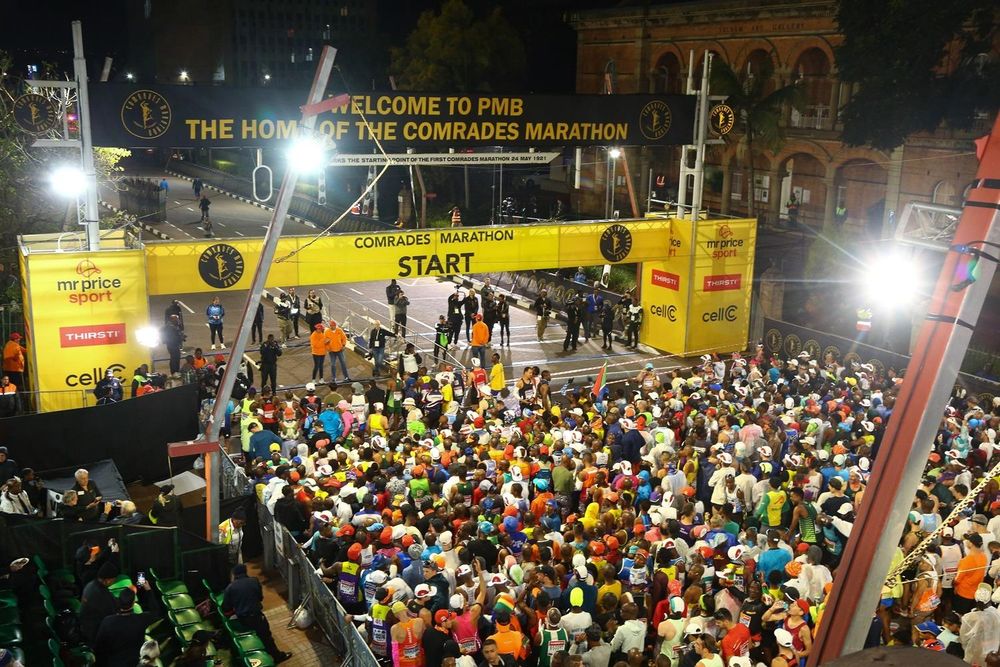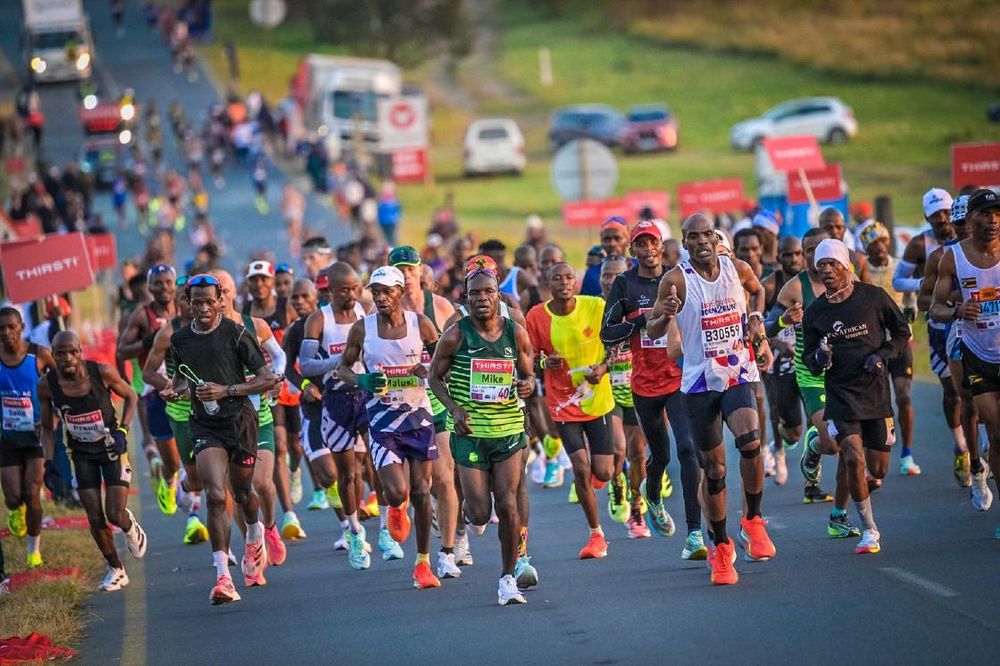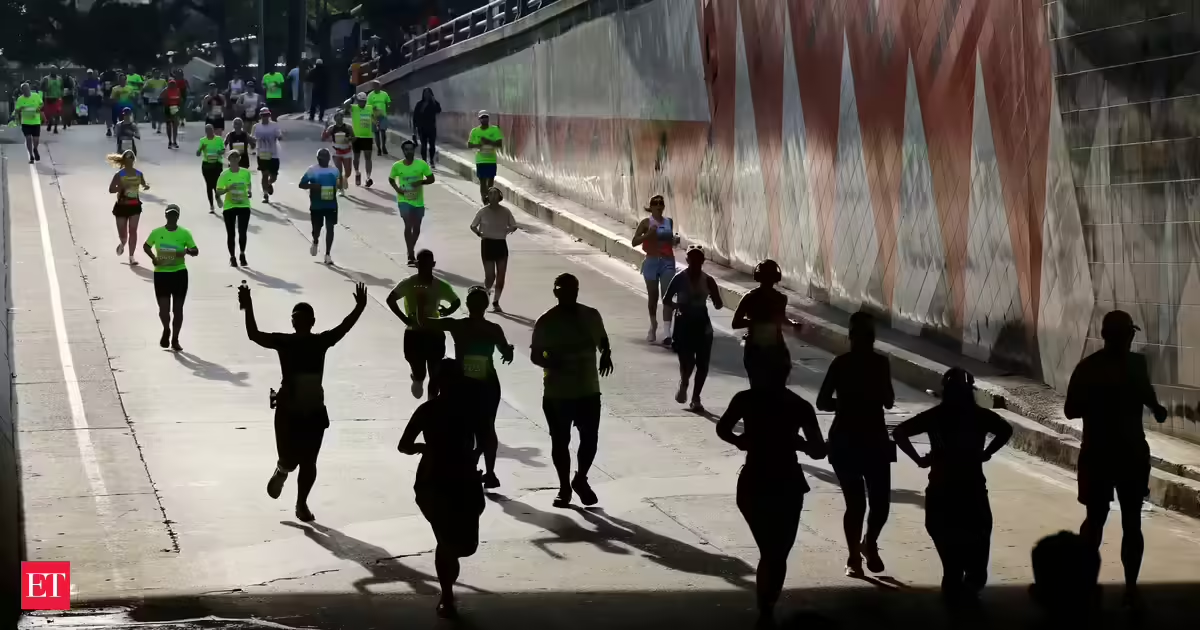
When you read this on the morning of June 14, I am likely somewhere on the road between Durban and Pietermaritzburg, chasing a version of myself I once didn’t know existed. Ahead of me would be 86 km (hopefully less) of South African roads and five gruelling hills—a vertical ascent far steeper than any city marathon or, for that matter, any marathon that I have run. Seven years ago, this would have been unthinkable. In 2019, I was 47 and could barely manage 5 km without feeling like my heart might blow up my chest. I was working to bring my weight down to 60 kg from 72 kg. I had a severe back pain that did not allow me to bend or lift weights. One physician told me to take up running because he felt that I had the right structure for running. But running led to injuries. I often ended up taking long breaks. Besides, I had other interests. I was a creature of the night, a regular at loud bars where the beer was cheap, the chicken tikka greasy. There was no discipline, no goal chasing—just a life lived for the sake of living. RUNNING FOR LIFE To understand the scale of this transformation, consider the math. Since January 2026, my running mates and I have clocked 1,330 km, averaging 66 km every week. We have moved from 5 km runs to 65 km ultra-marathons in the Himalayas, testing our endurance through five-, six-, seven- and eight-hour runs. While a standard marathon like the Tata Mumbai Marathon features an elevation gain of 120 m, today’s “uprun” demands a staggering 1,800 m of vertical climb. I have even turned to technology to survive, using Claude and Monte Carlo simulations to model my race probability. A lot of the credit goes to two friends—Dr Rajesh Benny and Nagarajan, who have pulled me out of my bed every Sunday and pushed me on Eastern Express Highway to run massive distances. At ET, colleagues were encouraging and often helping me to achieve my deadlines if I was close to a race. Our coach, Satish Gujaran, kept on increasing our target kilometres every week. He was boiling his frogs at the perfect temperature so that we would be back to run more. Long-distance running is more about building strength in your legs than just putting in the miles. Mangesh Pandey, a personal trainer, agreed to work with us: “Core, plyometric exercises and strength training for legs will make the run easy. And don’t miss the planks at any cost.” Most runners completely miss this aspect of running. GAINING LEGS During my 5k runs, I used to see a group of runners every Sunday morning doing serious long-distance. It was way out of my league. Mukesh Sikka, a seasoned runner, told me to run longer races. For a long time I refused. The idea itself was tiring. But I eventually caved in and did a 21 km race at IIT-Bombay in late 2023. Luckily, I did that run in 2 hours 20 minutes, which allowed me to run the Tata Mumbai Marathon, a 42.2 km race, without much training. I completed that in 5 and a half hours. I decided to put on some serious volume and started clocking 15 km every weekend. My timings improved and I did the second Tata Mumbai Marathon in 4 hours 55 minutes. Sometime in May 2025, us friends asked each other if we wanted to run the June 2026 edition of the Comrades race. MILE AFTER MILE The Comrades marathon is the ultimate human race. I will have to sacrifice a lot. We asked Gujaran, who had by then done 13 Comrades races in a row, to coach us. He agreed and started by sending us PDF files and Excel sheets to help build up our volume. To qualify, we were required to complete a marathon under 5 hours. We ran the Borgaonkar Rotary Kalyan Marathon within the cut-off time and qualified. That was the beginning. This January, we ran a disastrous Tata Mumbai Marathon and I felt the Comrades was not my cup of tea. But then I decided to run the Tata Ultra in Lonavala. I completed that race in 6 hours and 1 minute. In my head I was clear—I will now do the Comrades. The next month we had to run the 56 km Ganpatipule Ultra Marathon. It starts at 11 at night and is considered a make-or-break race for those practising for the Comrades. The road was pitch-dark and my head lamp was of little help. There was the sea on one side and the hill on the other. I wondered why I was doing this. There was no answer. I completed 56 km in 7 hours and 2 minutes. I then ran the Kalimpong race for 65 km, another must race for the Comrades’ preparation. I had used Claude and modelled the Kalimpong race using the Monte Carlo mathematical model simulations. Claude told me to run inclines every weekend to achieve the goal. Yet it was giving me a probability score of 27% for finishing in 8 hours 15 minutes. I did in 8 hours 18 minutes. I gifted myself a Garmin Forerunner 965. Finally, I was getting over my imposter syndrome. Now I modelled the real Comrades race. It again gave me a 27% probability that I would complete within 10 hours 45 minutes. SUFFERING WELL Why are we running this race? One day I was listening to Stephanie Case, an ultrarunner, who said long-distance running was a form of suffering well. Running races where we suffer is a privilege. I realised why I was getting up early for those extreme long runs. To go to hell, survive and come back to look for another race. Twenty-thousand runners from around the world and 235 runners from India are participating in the Comrades. 120 Indians are debutants like me. I plan to do the distance in 10 hours 45 minutes.
Finding meaning in the long run: The road to comrades
A 54-year-old runner recounts his seven-year journey from struggling to complete a 5 km run to competing in South Africas 86 km Comrades Marathon. After battling weight issues, back pain and injuries, he gradually built endurance through disciplined training, logging 1,330 km since January 2026. Supported by friends, coaches and technology-driven race modelling, he progressed from half-marathons to ultras.
TL;DRAI
ET manager turns ultra-marathoner running 65km in 7-8 hours using Claude AI and Monte Carlo simulations for race planning. AI-driven optimization scales human performance: data-driven training replaced trial-and-error in achieving seemingly impossible physical goals.
1,000 words~5 min read