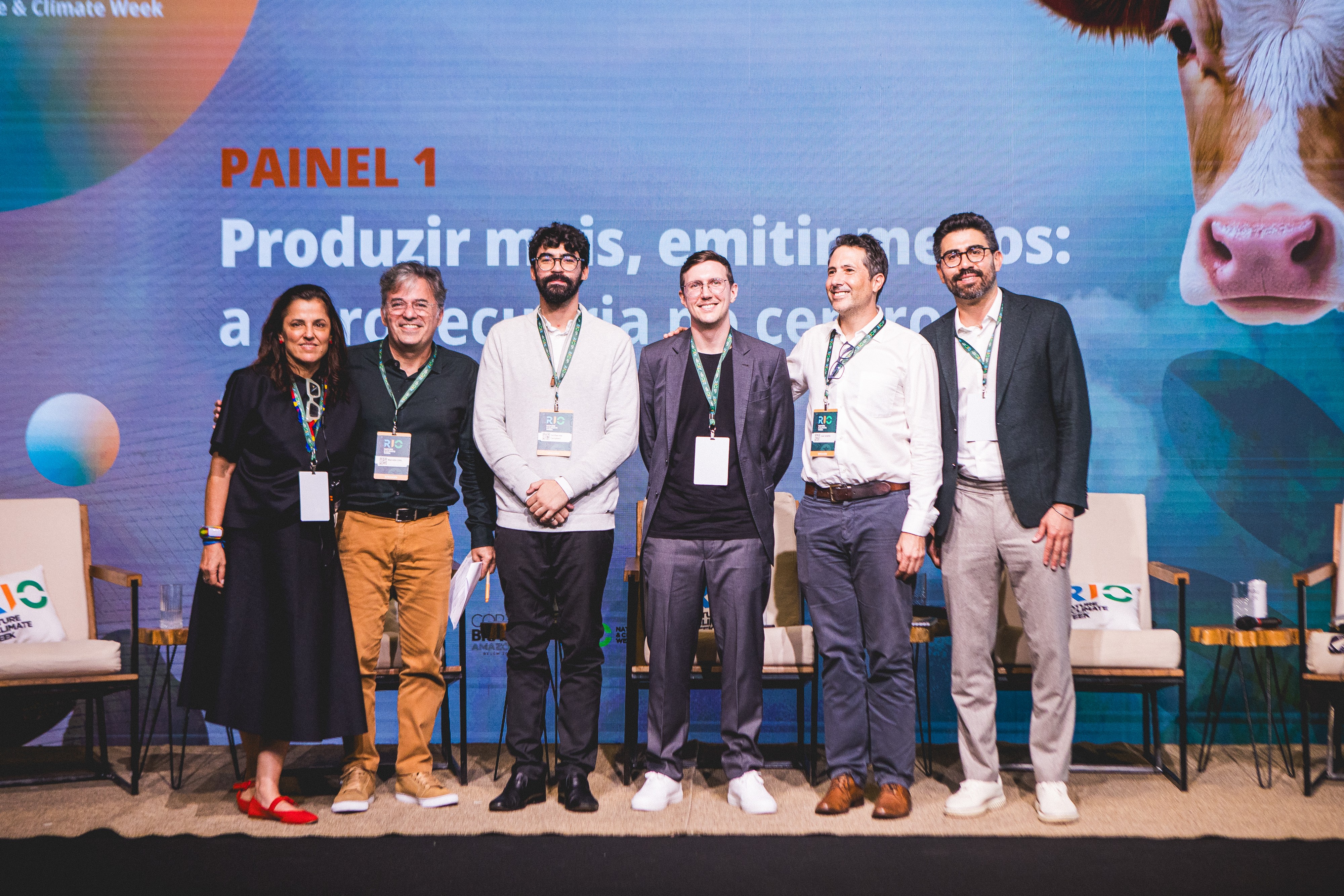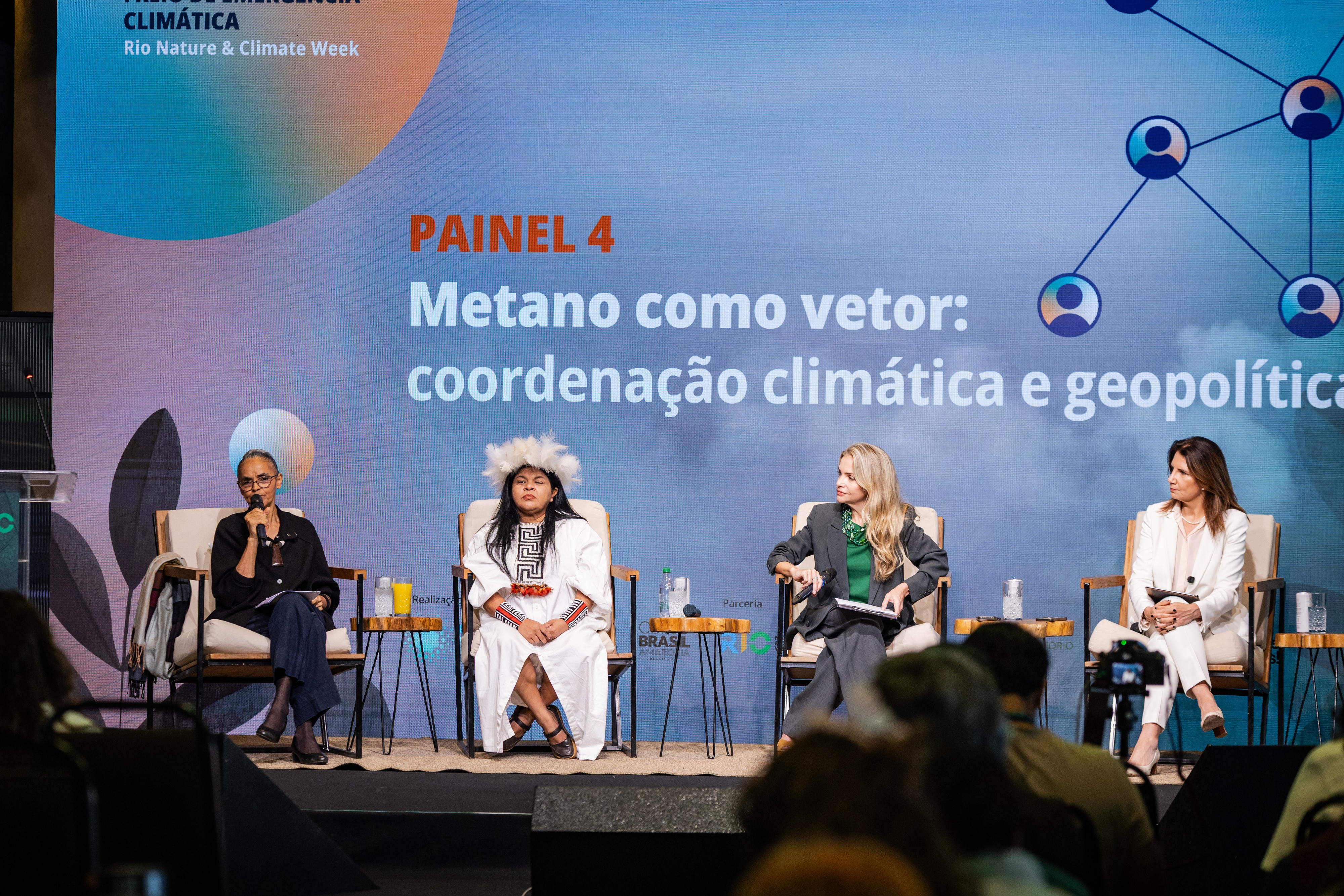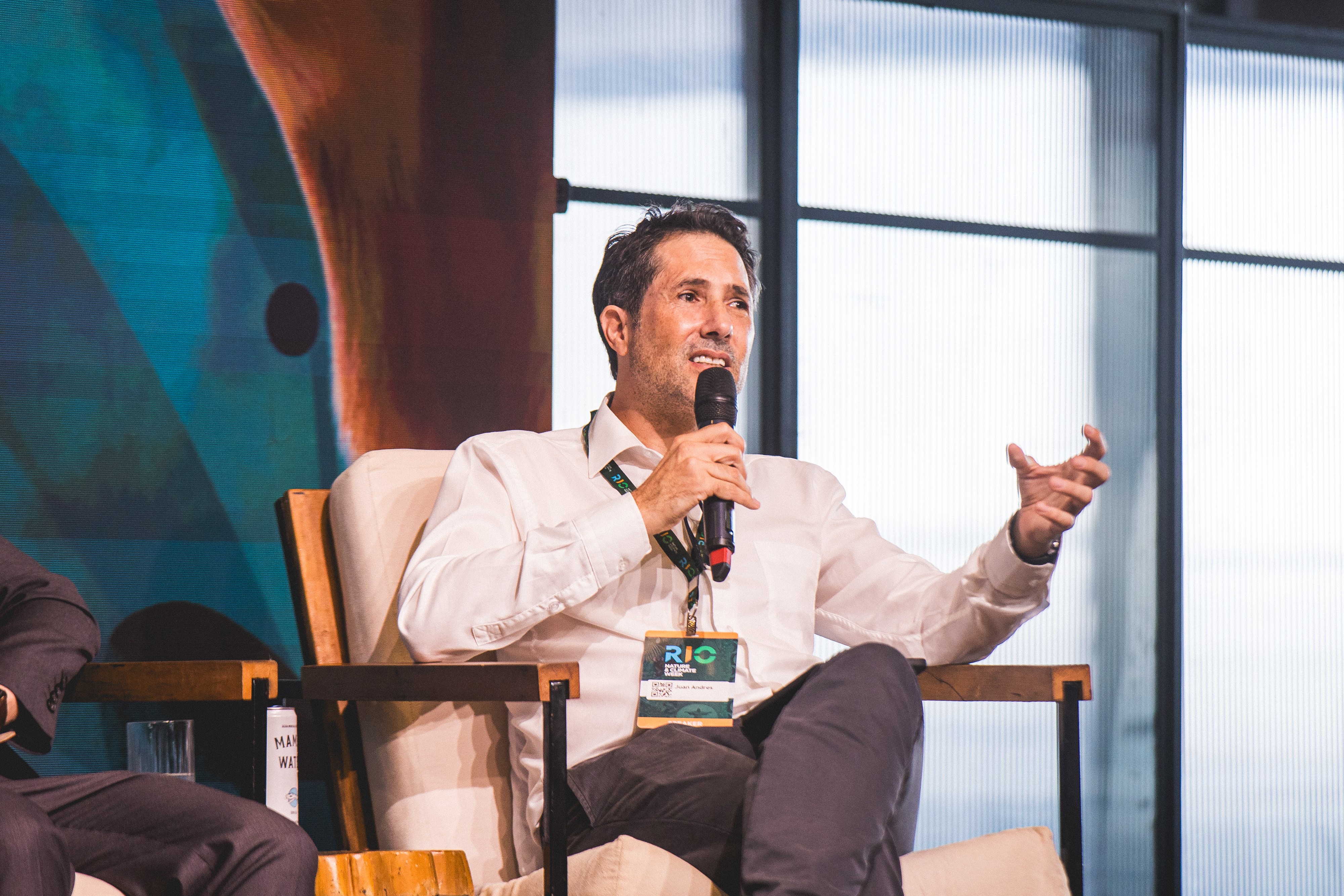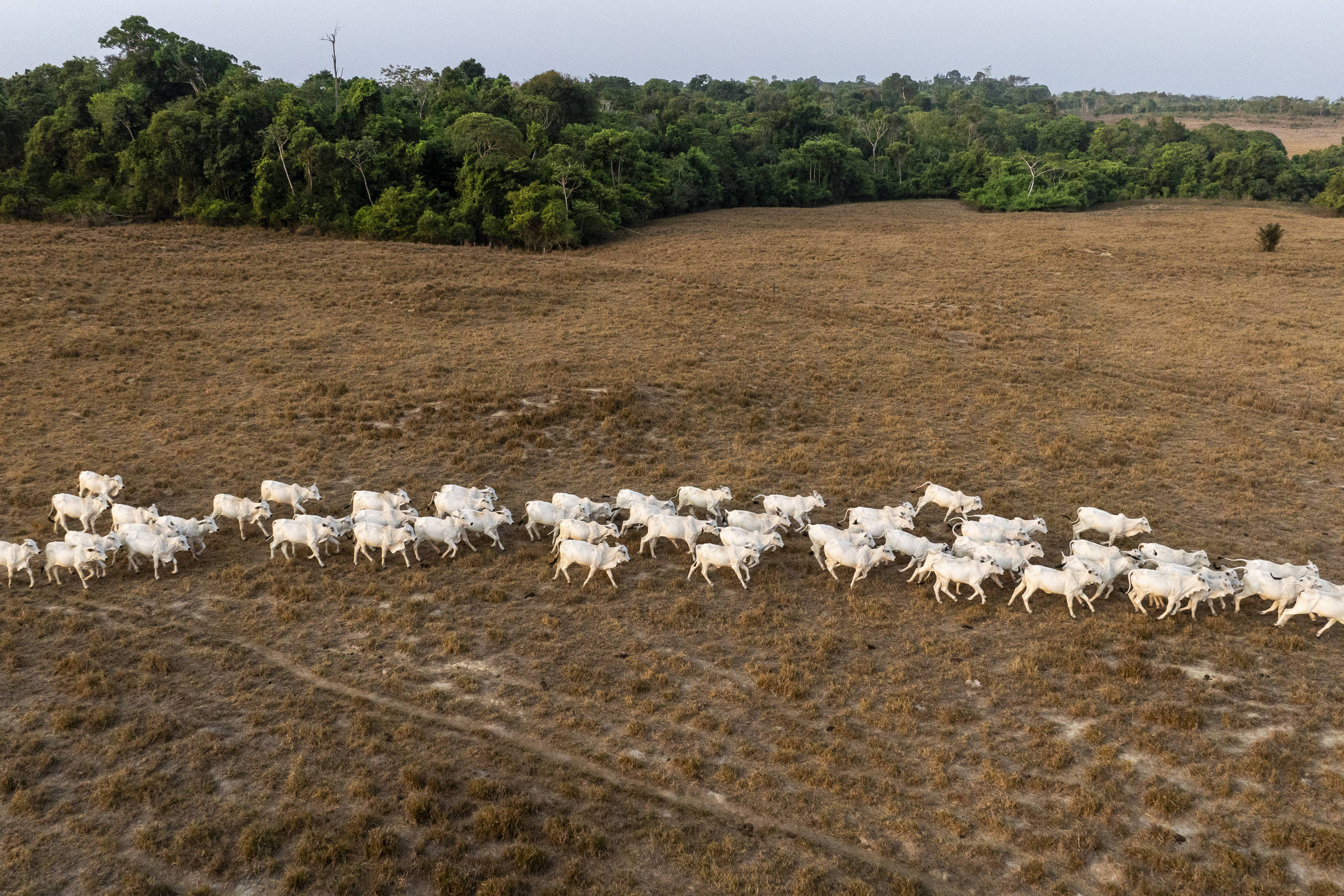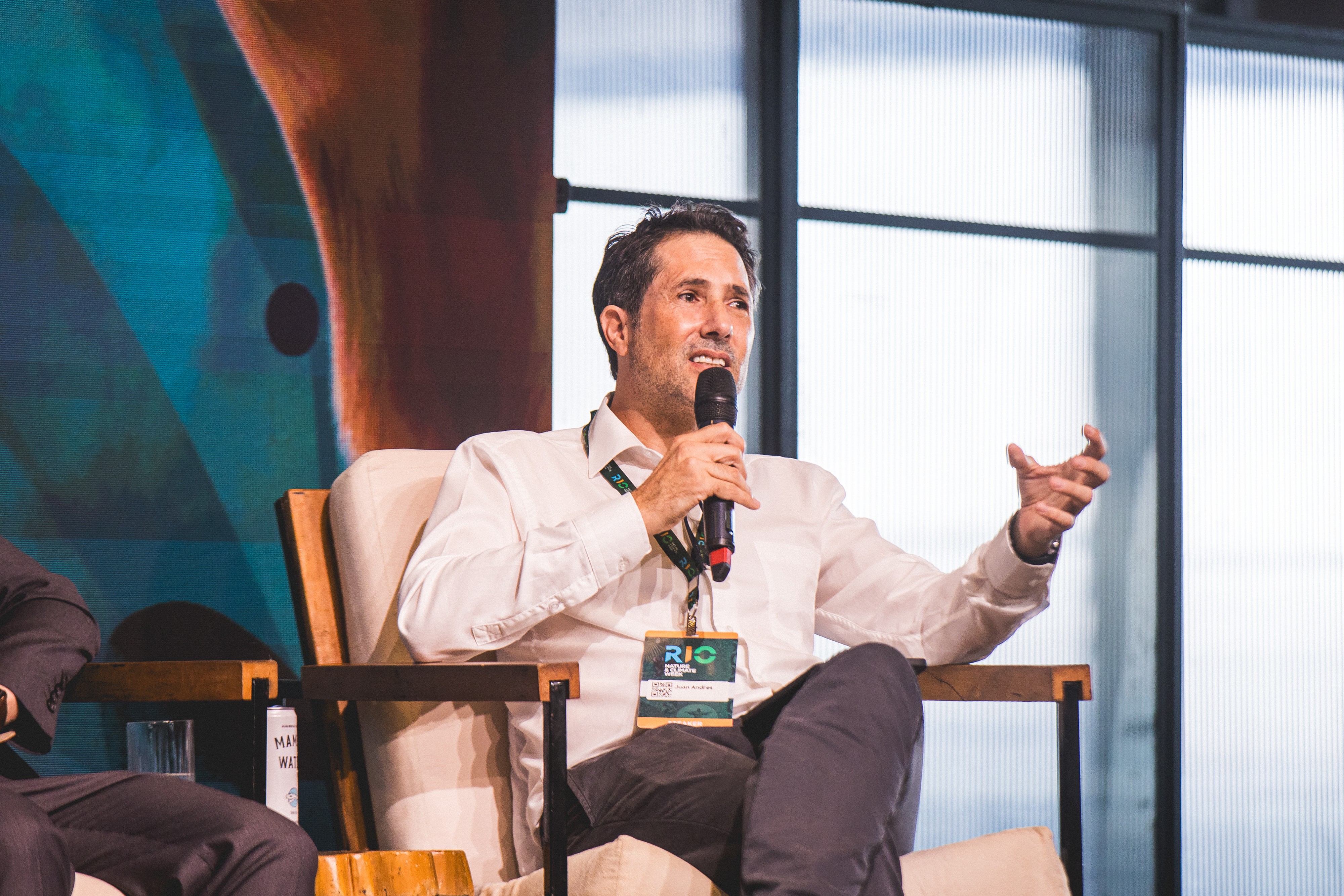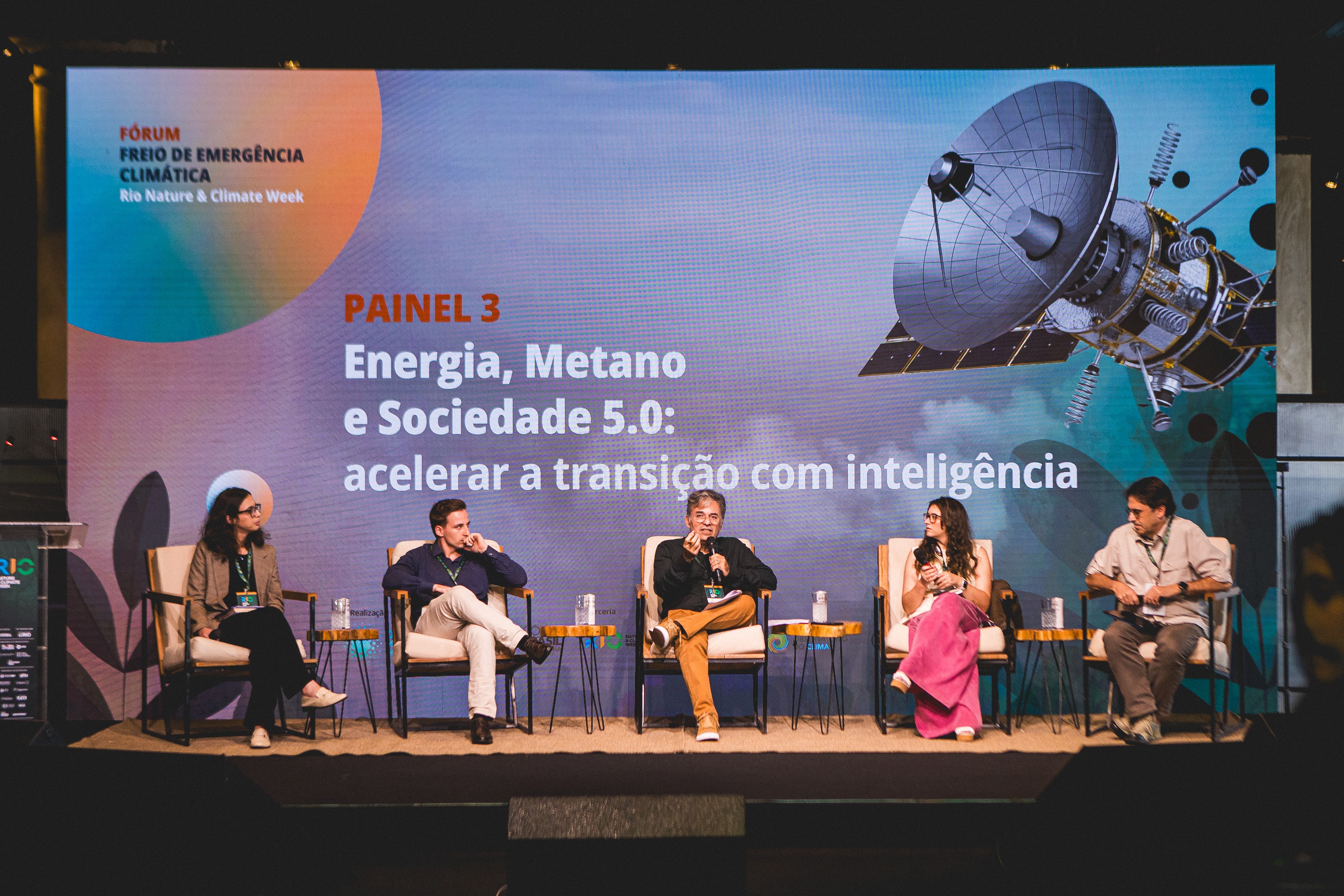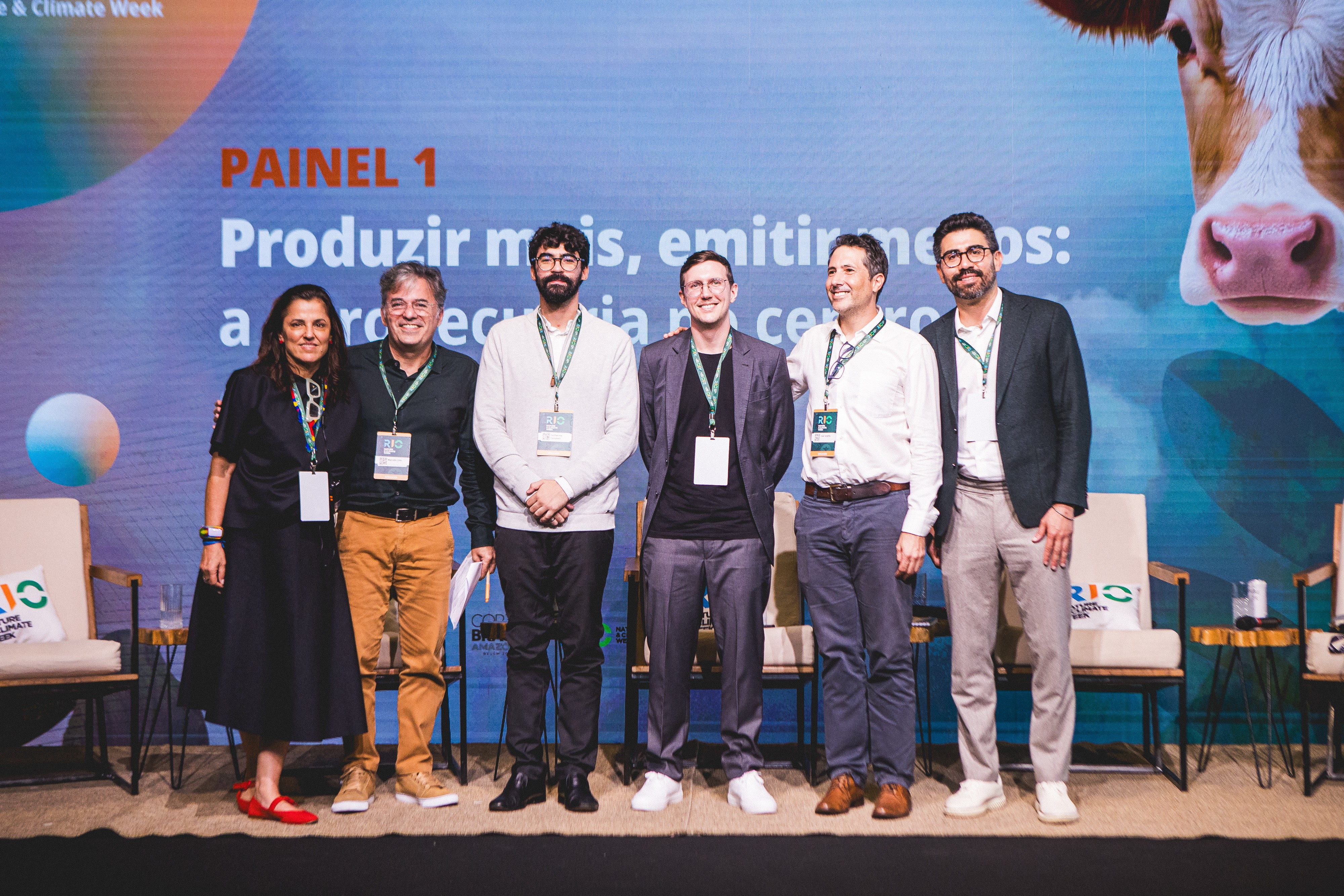
The sector accounts for about 75% of Brazil’s methane emissions 0.5x 1x 1.25x 1.5x 2x 00:00 00:00 Panelists of the Climate Change Brake Forum, part of Rio Nature & Climate Week — Foto: Publicity photo Despite scientific foundations and economic perspectives being laid out, the debate over controlling and reducing methane emissions in the agricultural sector in Brazil and worldwide continues without reaching practical implementations and robust solutions that directly impact international data. At the Climate Emergency Brake Forum, held last Wednesday at Pier Mauá during the Rio Nature & Climate Week, experts discussed paths and perspectives for “producing more and emitting less,” aiming to identify the main challenges in achieving decarbonization objectives in the sector. As the fifth-largest global emitter of methane, following China, the United States, India, and Russia, Brazil reached 21.1 million tonnes of gas produced in 2023, marking a 6% increase over a four-year period, according to data published by the Climate Observatory last August. A study by the Greenhouse Gas Emissions Estimation System (SEEG) indicates that three-quarters of pollutant emissions—which are more harmful to the climate than CO2—originate from agriculture, particularly cattle farming. This segment alone accounted for 14.5 million tonnes. In agriculture, methane is produced through the digestive process of ruminant animals such as cattle, goats, and sheep. In the rumen, one of the compartments of these animals' stomachs, millions of microorganisms reside, capable of breaking down the chemical bonds of ingested food. Through this process, in addition to CO2, these organisms also produce methane gas, most of which (95%) is emitted into the atmosphere through belching. Moderating the discussion on the topic, journalist Marcelo Lins emphasized the importance of the debate on the role of agriculture in global methane emissions, particularly in Brazil, and highlighted that “sustainability is not a progressive field issue, nor is it ideological; it is a matter of humanity's survival.” Lins also touched on fundamental aspects of the green economy and sustainable investments, namely the economic viability and attractiveness these alternatives offer. — The path of laissez-produire (a concept that is a pillar of economic liberalism translating from French as “let produce”) has already proven unfeasible. We are aware of the exhaustion of fields, practices, and techniques that might yield short-term profit but are economically unviable in the medium and long term — noted the journalist. — The excessive use of pesticides in various crops, which initially seemed to reduce production costs, actually makes it more expensive. All of this is already established. Eduardo Fronza, a senior project manager and climate specialist at Proforest, explained that “large commodity-buying companies have set their science-based decarbonization targets to reduce emissions in scope 3, the indirect emissions concentrated in the supply chain at the other end.” In this context, companies have been seeking suppliers who can help them achieve these goals and now view it as a potential opportunity for the sector, “because the priority for these companies now is not to purchase carbon credits; they want to reduce emissions in their supply chain,” he added. One of the biggest challenges in achieving these goals is getting producers to adopt the necessary sustainable technologies throughout this process, according to the panelists. — A significant effort in Brazil and many other places is this direct contact with producers so that they can generate this knowledge with the available technologies, adopt them, and use them according to their own environments — said Juan Andrés Cardoso, an ecologist at the International Center for Tropical Agriculture, located in Cali. An effective way to put this into practice, Cardoso explained, is to use the influence of “champion producers,” who serve as a reference for their community and neighbors in their own regions. — In this way, you have peer-to-peer learning, rather than learning coming from academia or a highly technical part. According to Fronza, two other central elements complicating this dynamic are financing to implement these sustainable practices in Brazil and the traceability of cattle, which he identified as a key issue for getting these proposals to small and medium-sized producers. — A challenge with a practical dimension, especially when looking at the structure of the cattle supply chain in Brazil, is the issue of indirect suppliers, which is a major challenge for traceability — he noted. — Sometimes, a head of cattle will pass through 3, 4, 5 farms before reaching a large producer. On the other hand, this path is also highlighted as a potential opportunity, given that the majority of Brazilian cattle production is directed to the domestic market. According to the expert, the demands and commitments regarding the decarbonization of supply chains represent challenges but also an opportunity for small and medium-sized producers to reach a higher level of production and, consequently, more demanding and qualified markets. — The market is, in fact, willing to pay for this outcome because it is a committed goal, and they are seeking this performance. The translation of this text into english was carried out by Project Irineu, O GLOBO's initiative to develop artificial intelligence tools. Here is the link to the original report.
Brazilian agriculture plays a central role in the country’s methane emissions debate
The sector accounts for about 75% of Brazil’s methane emissions
TL;DRAI
Brazil, fifth-largest methane emitter (21.1 Mt 2023), produces 75% from agriculture—mainly cattle at 14.5 Mt through ruminant digestion. Global commodity buyers now demand supply-chain decarbonization (scope 3), creating market access for producers adopting sustainable tech.
865 words~4 min read