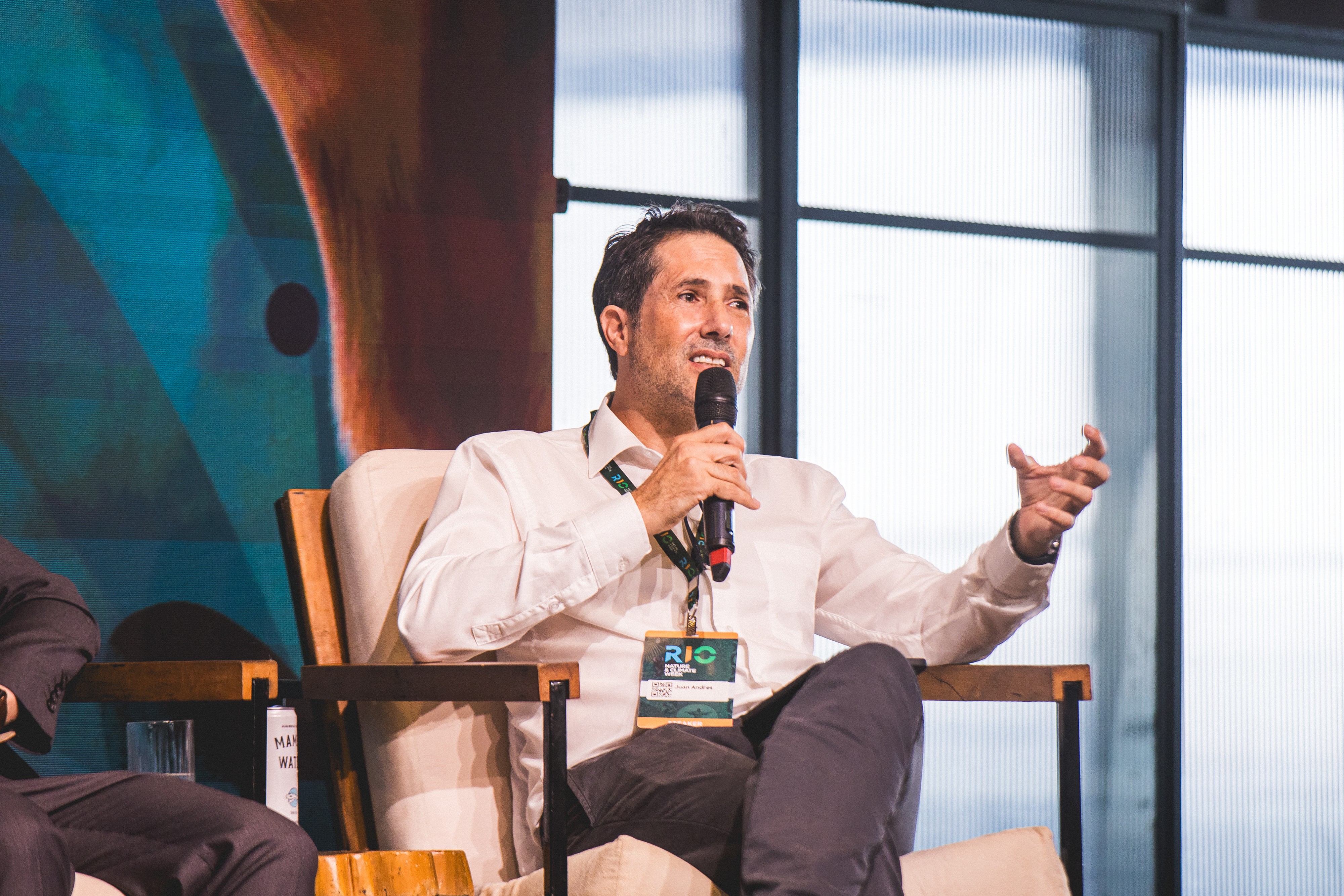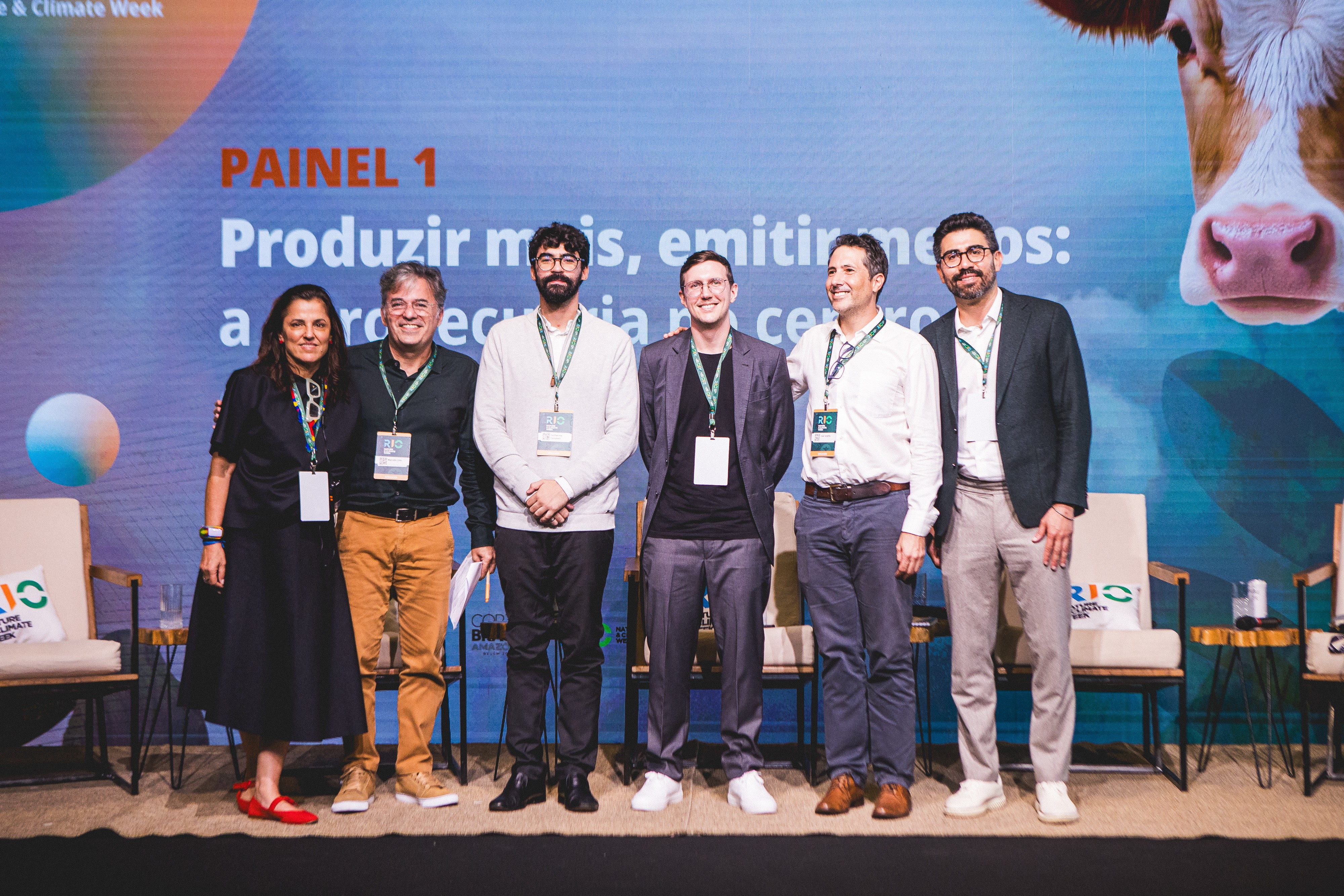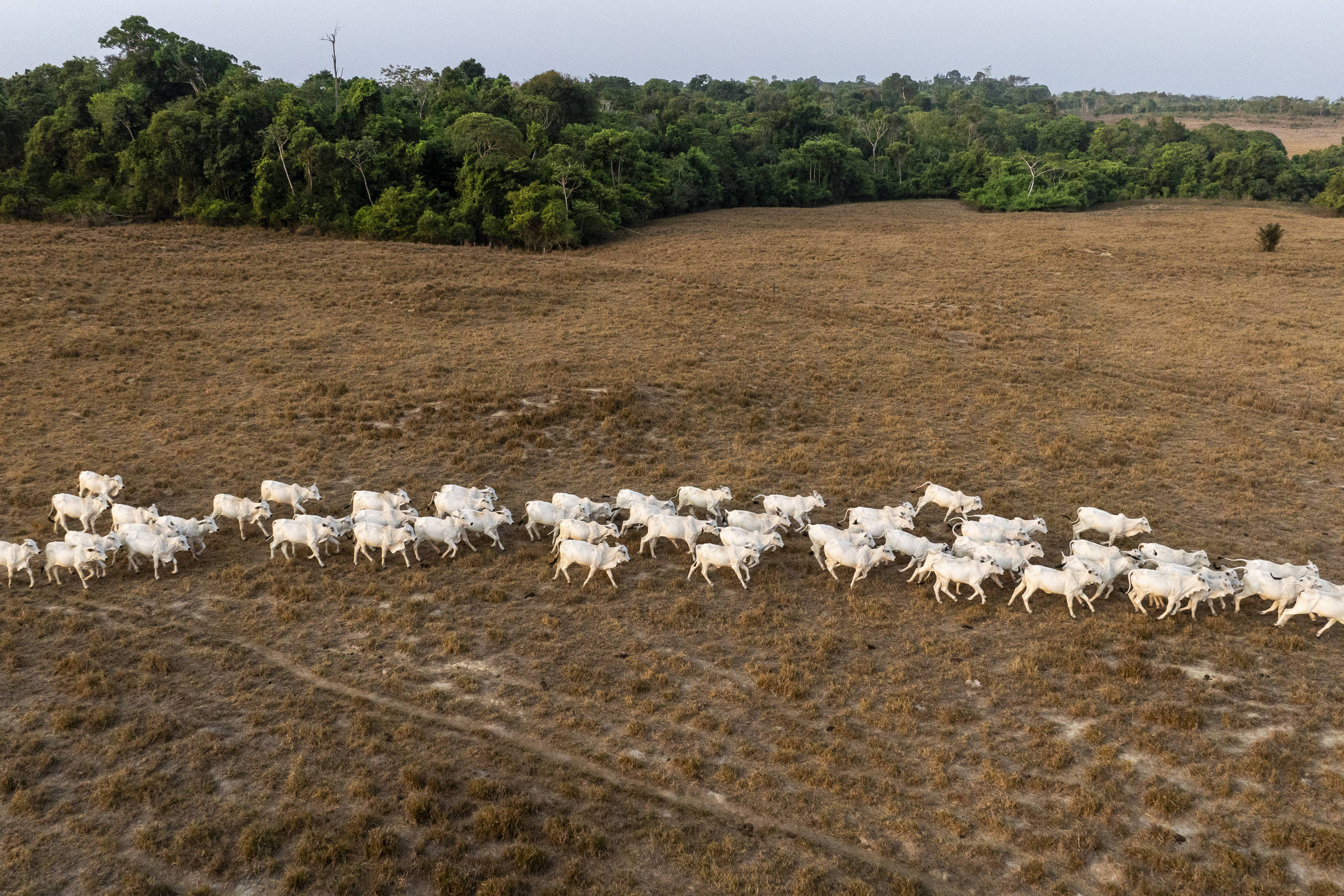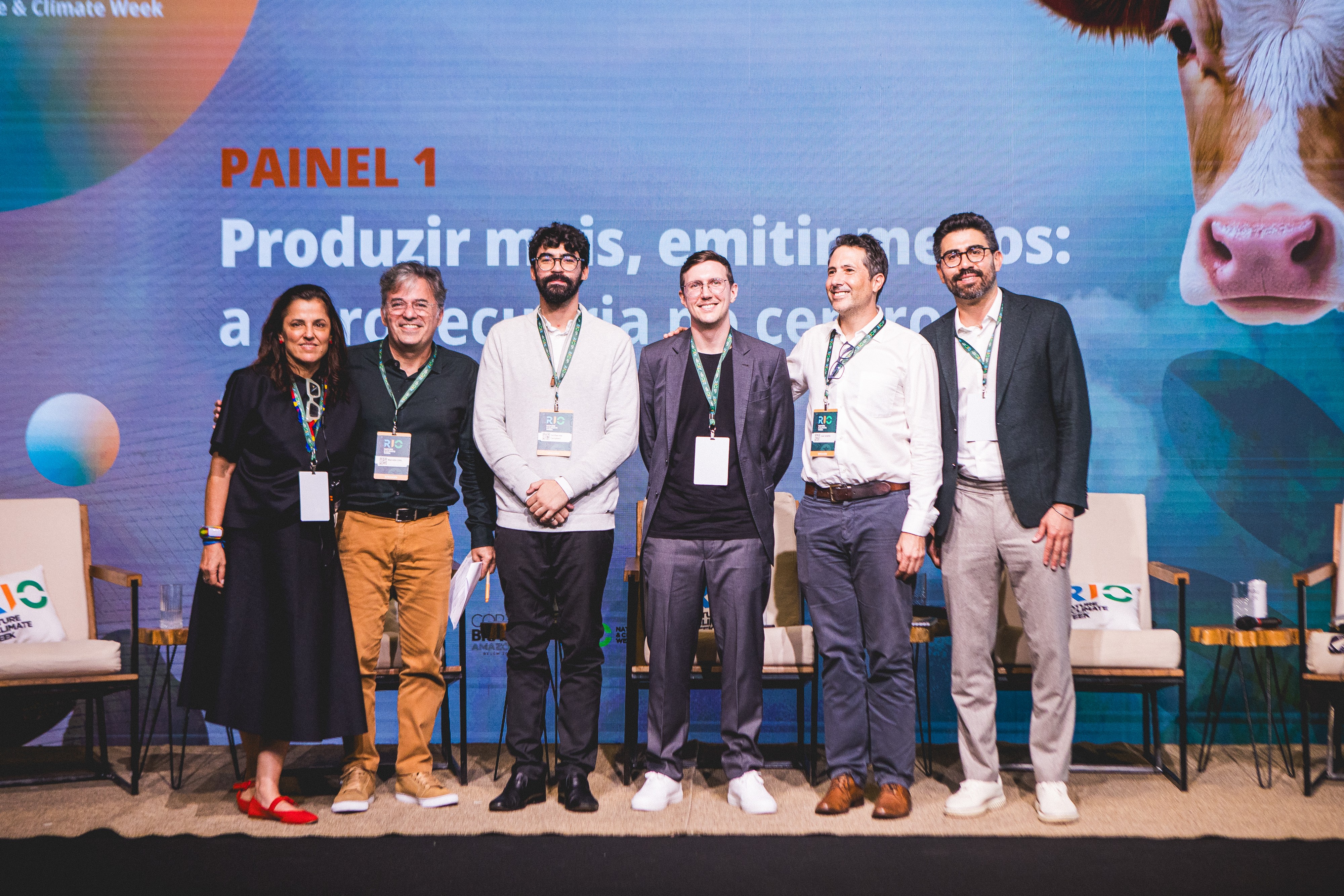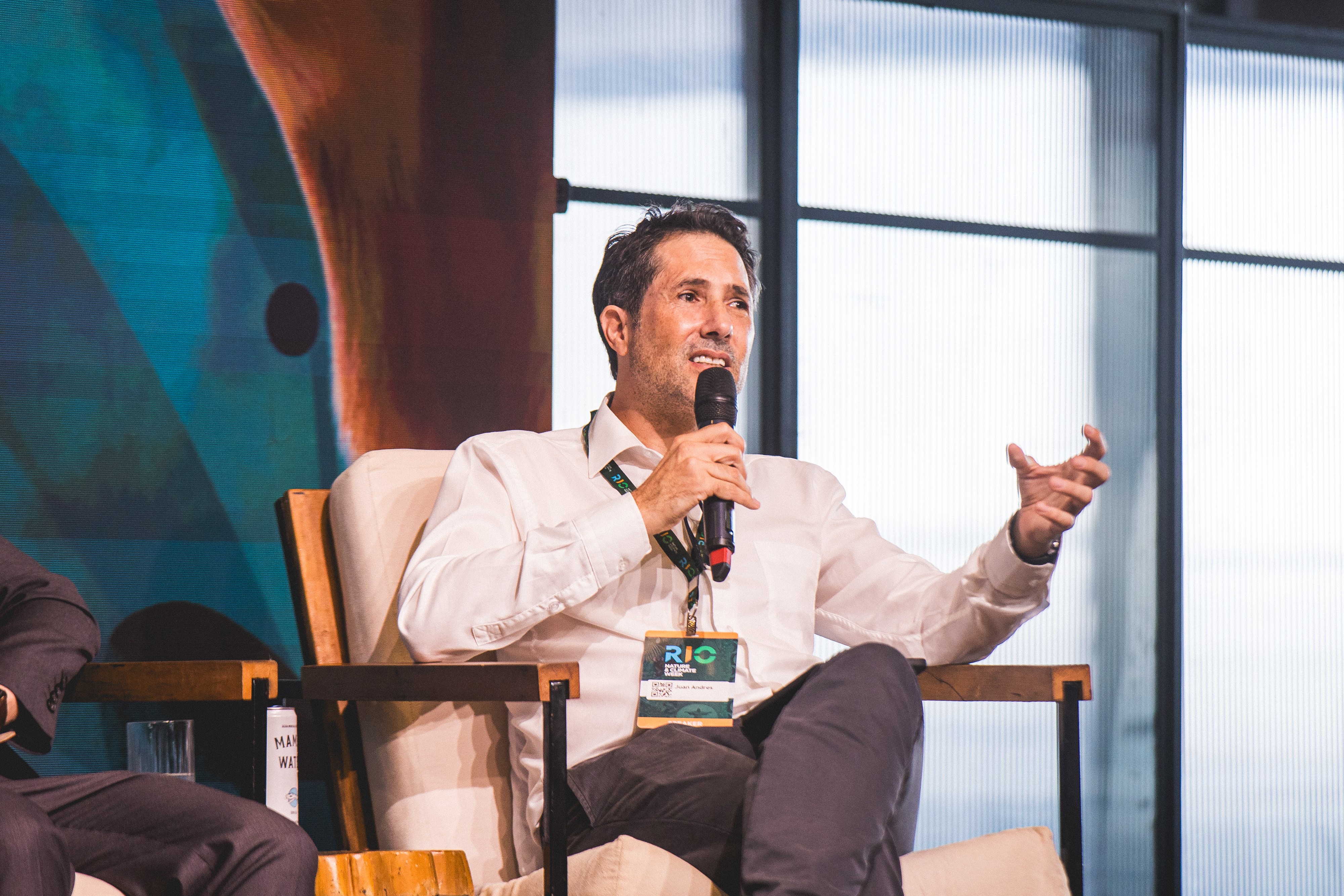
Synthetic and natural feed additives for cattle offer a cost-effective way to reduce methane emissions from the sector 0.5x 1x 1.25x 1.5x 2x 00:00 00:00 Ecologist Juan Andrés Cardoso, from the International Center for Tropical Agriculture, at the Rio Nature & Climate Week — Foto: Publicity photo Faced with the significant amount of methane emissions from Brazilian livestock, which contributes to positioning the country as the fifth-largest emitter worldwide, alternatives to address this issue are becoming increasingly urgent. At the Emergency Climate Brake Forum, organized by the Global Methane Hub (GMH) with the curation of the NGO Uma Gota no Oceano, which discussed agriculture as a central solution to sustainability during Rio Nature & Climate Week last week, ecologist Juan Andrés Cardoso from the International Center for Tropical Agriculture based in Cali, Colombia, highlighted anti-methanogenic agents as profitable alternatives to curb this process and reverse this critical aspect of Brazilian agriculture. This suggestion involves substances—synthetic or natural—that reduce methane production during cattle digestion. According to Cardoso, in countries like Brazil, with extensive beef production, "these compounds are already present in the forage," meaning among the crops cultivated to feed the animals. The expert explained that "one of the most practical ways to reduce methane in cattle farming is simply to improve the animals' diets." He stated that anti-methanogenic agents can "enhance the [animals'] diet, increase its digestibility, help the animal gain more weight, and at the same time, reduce methane production." A good example, Cardoso noted, is leucaena, a tropical tree from the legume family that can be used as forage. — Various studies show that when leucaena is included in the animals' diet at a range of 30% to 35%, methane emissions can be reduced by around 14% to 20%, which is quite significant — he emphasizes. The specific issue with leucaena, however, is that in Brazil, it is considered an invasive plant, making it unsuitable for cultivation as it could pose other problems to local biodiversity. — But the fact is, there are other alternatives, including other legumes, that can be used and are native to Brazil. In addition to plants that naturally fulfill this role, the industry has also been investing in compounds classified as Feed Additives for Methane Mitigation (FAMM). In this synthetic alternative, specific substances—such as nitrates, tannins, and essential oils—can be added to these animals' diet to modify the microbiota of the rumen, the first compartment of the ruminants' stomach, and inhibit methane production. Panel moderator, journalist Marcelo Lins, noted that these are essential changes to be implemented in the culture of producers as well, requiring a transformation in mindset among those managing the agricultural production chains. — Cattle seem like a given, it's always been done this way. Why change the type of feed, the type of diet? Why is it necessary to change? — Lins reflected. — Because it's worth doing. And it's simple to understand if we think about our diet. As humans, there are things more easily digestible, that will cause more or less issues, are lighter, provide better performance, whether intellectual or physical. For Guilherme Campbell, project coordinator at Instituto Akorde, it is essential to invest in "intellectual honesty" to discuss the methane issue through a qualified debate in the country. — We must have a very important ethical and moral commitment here to understand that the agricultural sector can indeed be a solution, but it also remains a problem — he stressed. — Intellectual honesty is needed, putting ourselves in every position where we can simultaneously praise the practices being implemented—and there are already many in Brazil—but also position ourselves to critique. The translation of this text into english was carried out by Project Irineu, O GLOBO's initiative to develop artificial intelligence tools. Here is the link to the original report.
Reducing agricultural emissions may depend on changes to livestock feed
Synthetic and natural feed additives for cattle offer a cost-effective way to reduce methane emissions from the sector
655 words~3 min read