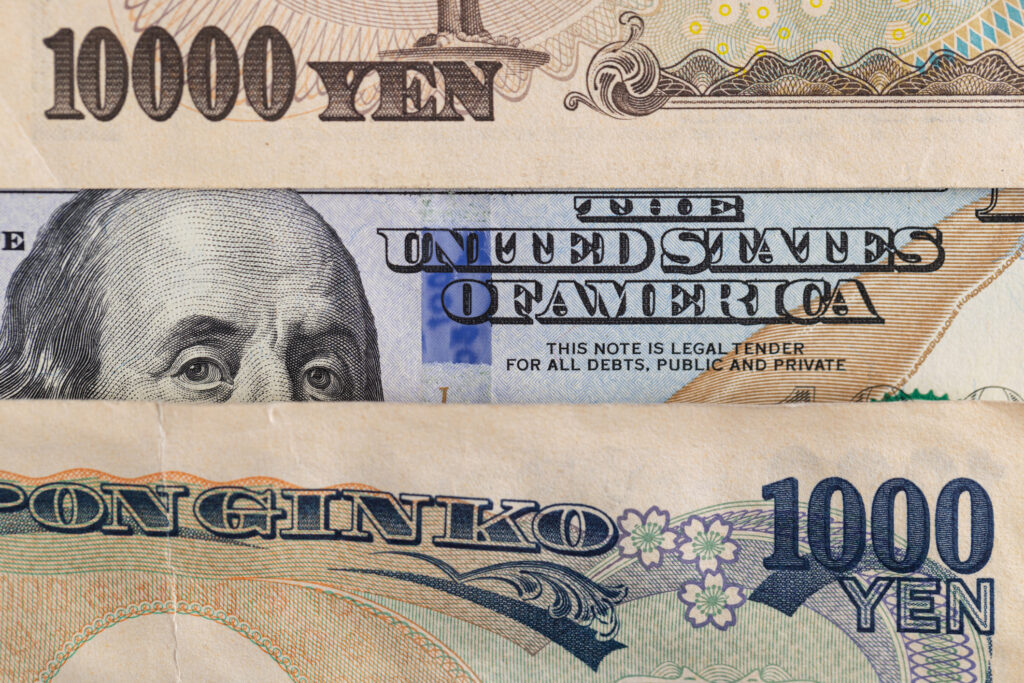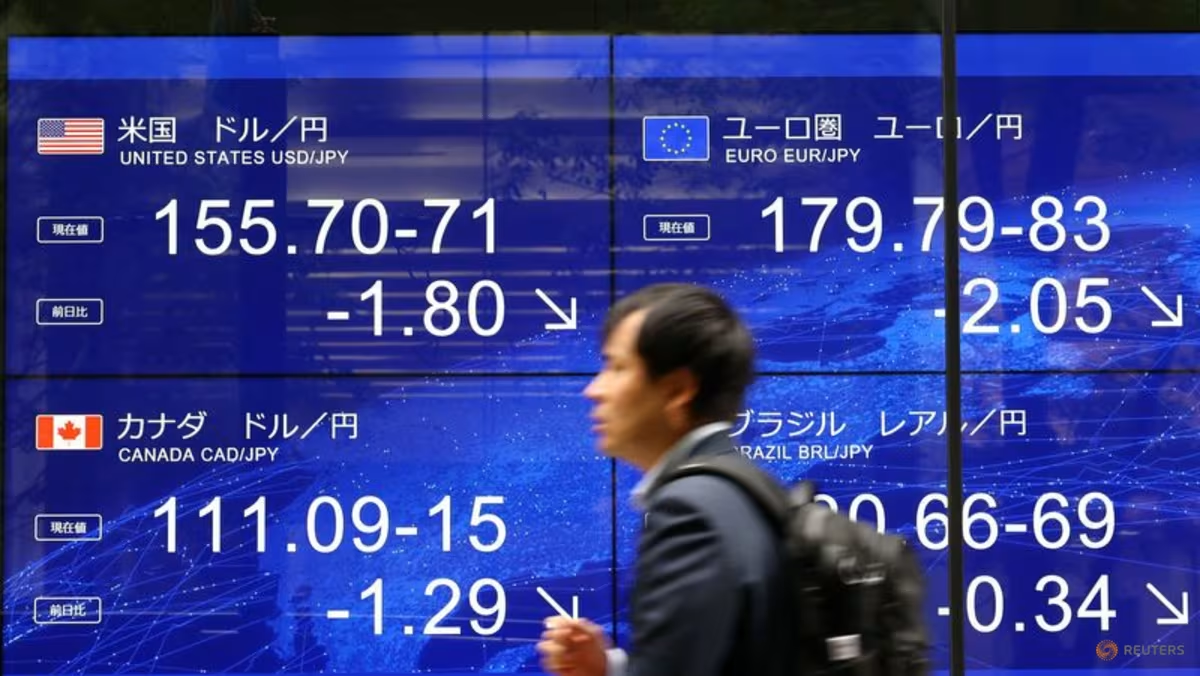
Since Japan’s Economic Security Promotion Act was passed in 2022, Tokyo has reframed economic policy around national security, intending to balance its export-oriented strategy with the protection of key supply chains. But the country’s macroeconomic conditions constrain this transition. The yen’s prolonged weakness has sustained export dependence, particularly on China. Tokyo’s failure to confront this reality has slowed the execution of Japan’s economic security strategy.
The Economic Security Promotion Act created a framework for building supply chain resilience by reorienting Japanese economic security around a defence-first logic to better align with its alliance network. Across various industries, US–Japan economic security cooperation has focused on strengthening supply chains, advancing critical technologies and investing in private industries. Threatened by US President Donald Trump’s tariffs, Japanese Prime Minister Sanae Takaichi even pledged over US$332 billion worth of industrial investment in US energy infrastructure.
These policies strengthen Japan’s alignment with the United States to hedge against ascendant Chinese power, even if they weaken Japan’s export industries. Tokyo assumes it can absorb the economic costs of strategic hedging — but its macroeconomic reality challenges this vision.