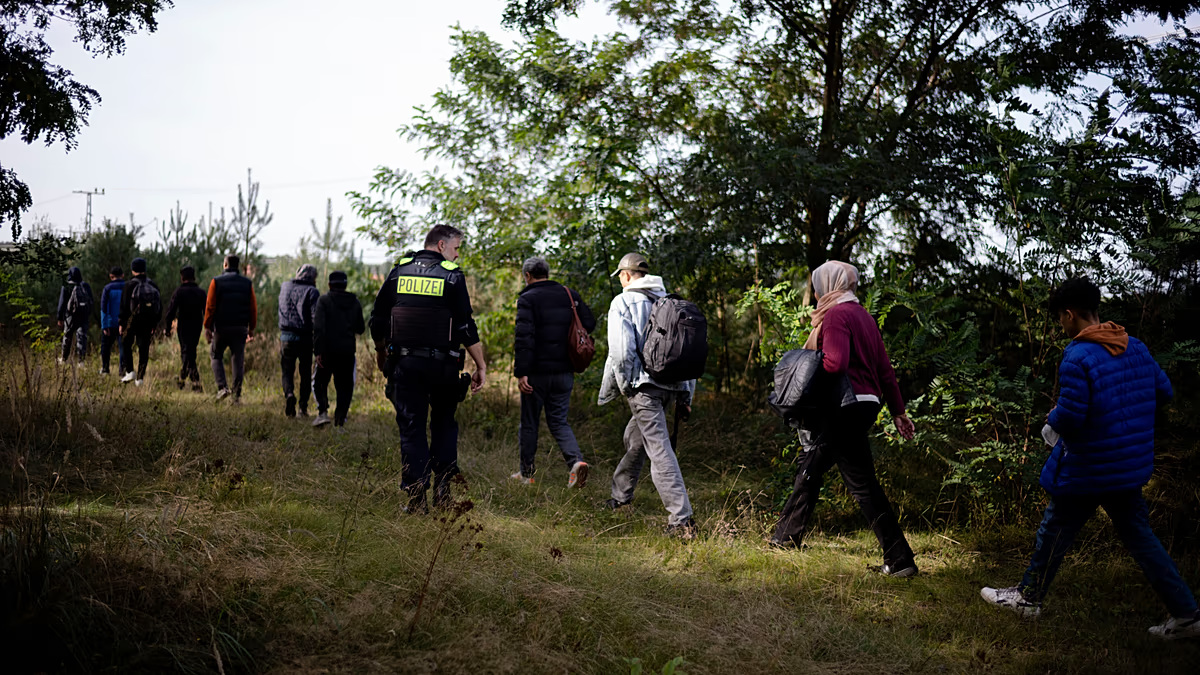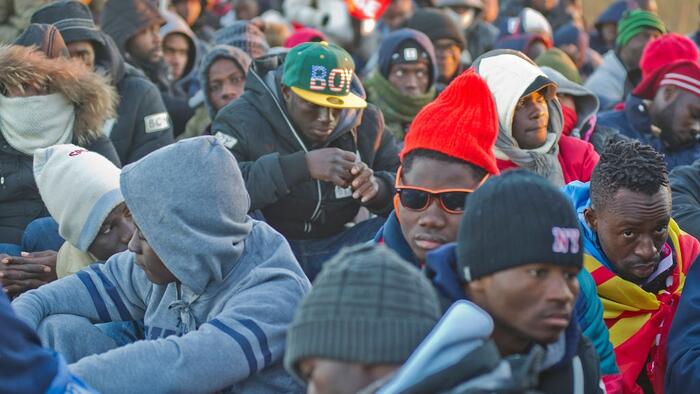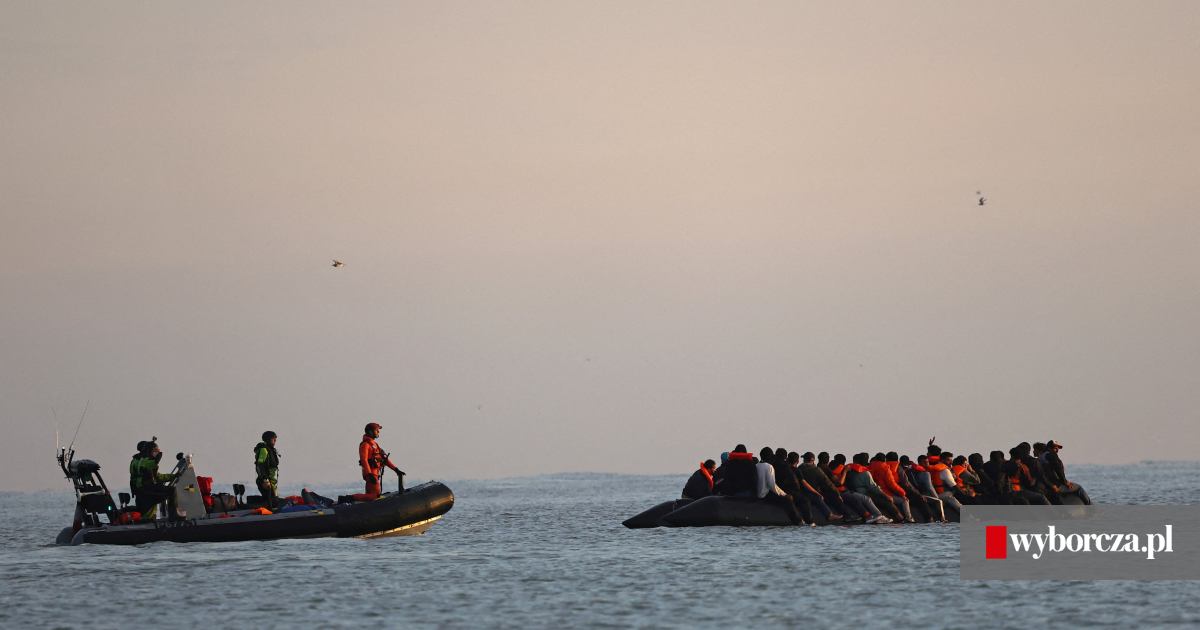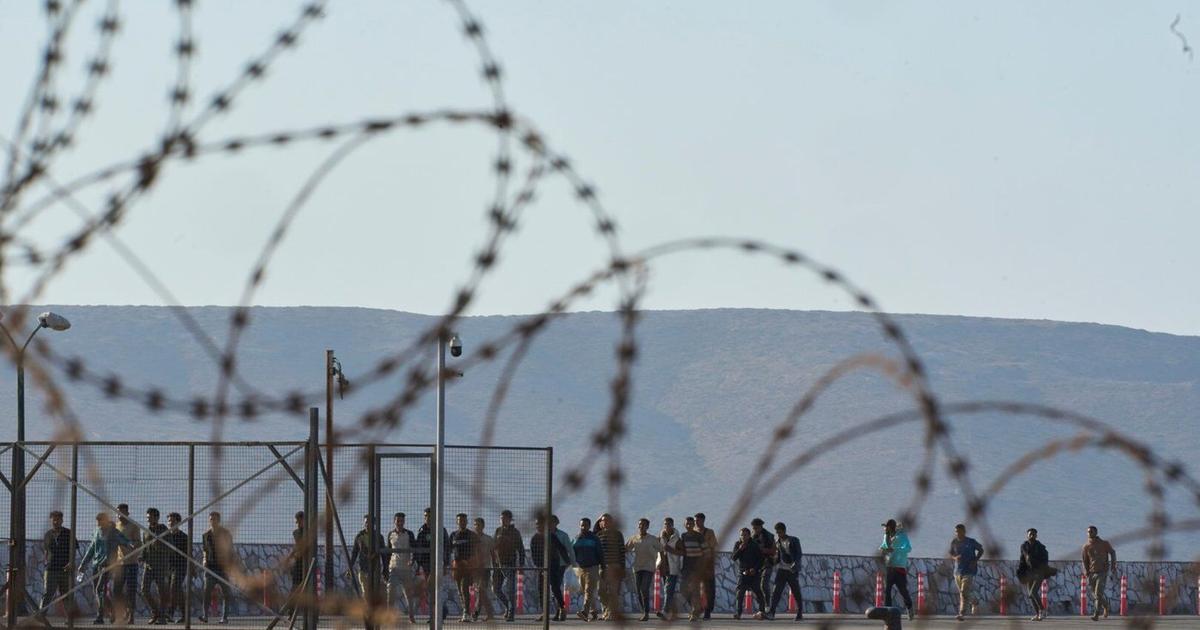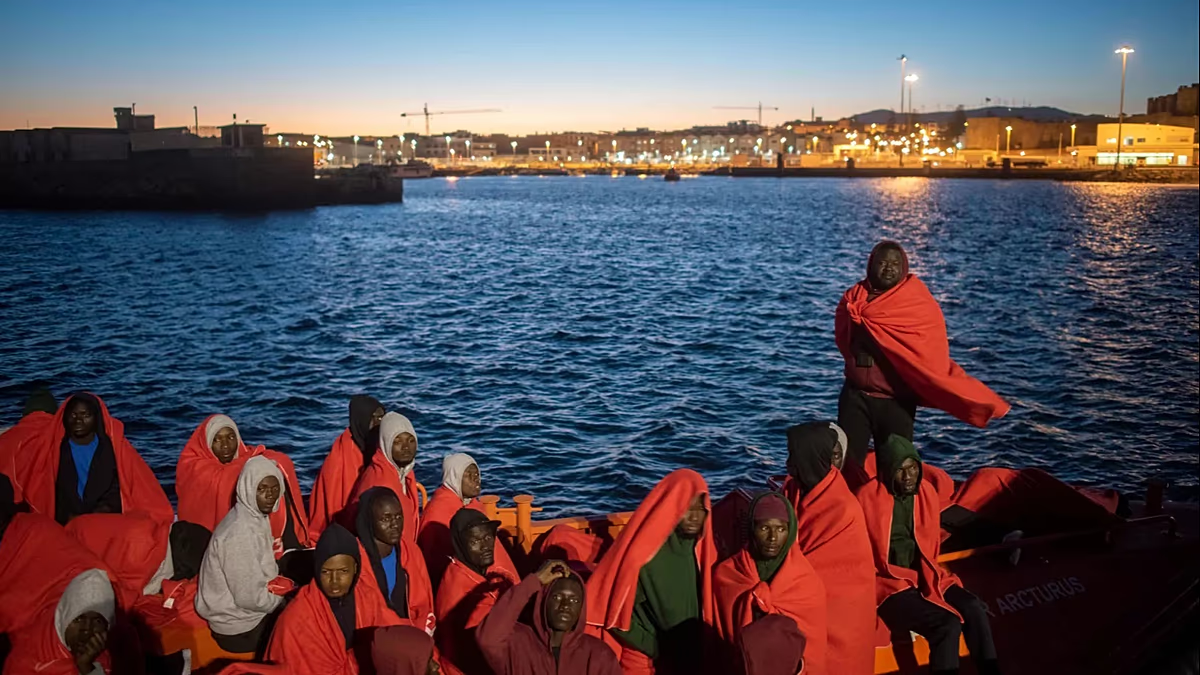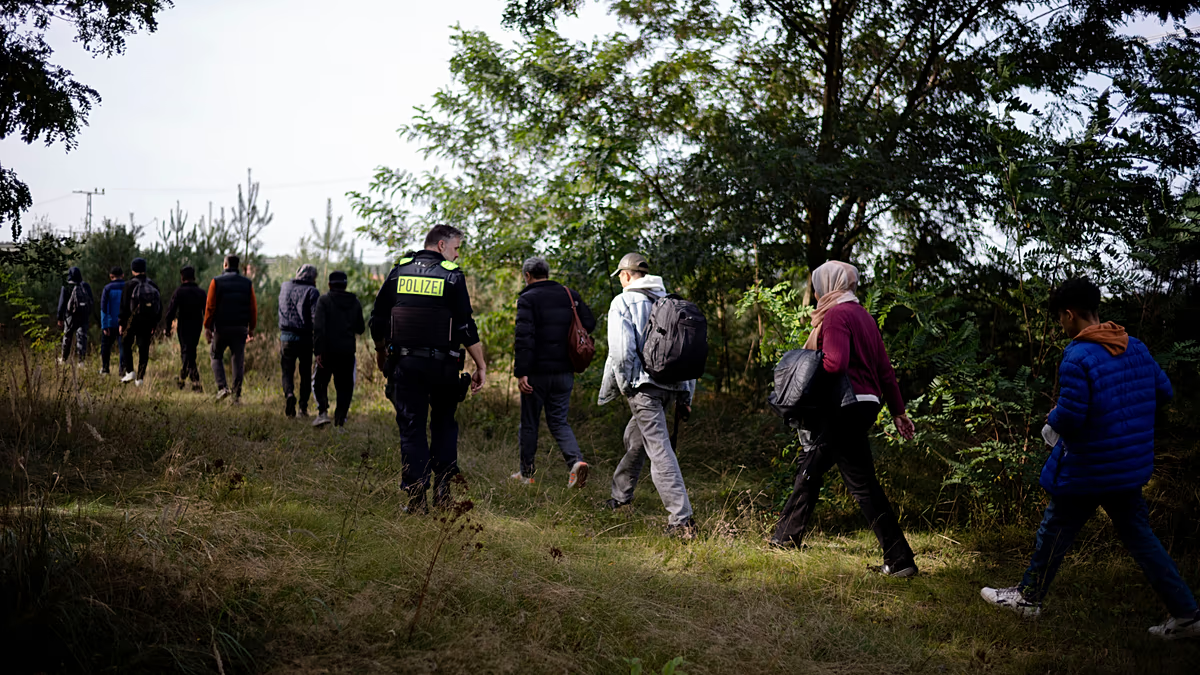
The problem of uncontrolled migration to the European Union has persisted for a long time.
The issue intensified after 2015, following remarks by then-German Chancellor Angela Merkel that were widely interpreted as an open invitation to come to the EU.
The EU and its institutions are still working to develop common solutions and build a coherent migration policy. This is largely happening under pressure from the countries most affected by the phenomenon, namely Greece, Spain, Cyprus and Italy: sea borders are much harder to police, which is why most irregular migrants enter the Union through these states.
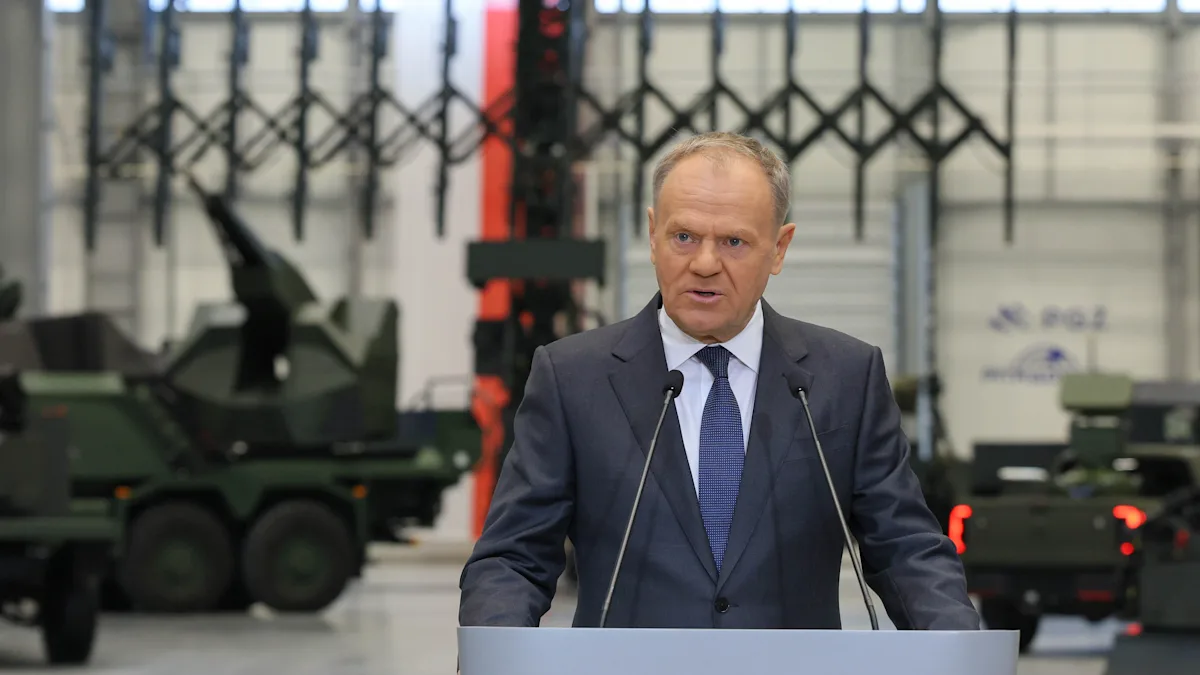
The Jean-Claude Juncker Commission, and specifically the then EU commissioner for migration, proposed that all member states should share the burden of receiving migrants through a relocation mechanism. Countries that refused to take part would face financial penalties – there was even a proposal to charge 200,000 euros for every migrant not accepted.
In 2018, Poland, Czechia, Slovakia, Hungary and Austria rejected mandatory relocation at an EU summit. However, neither the problem nor the idea disappeared.