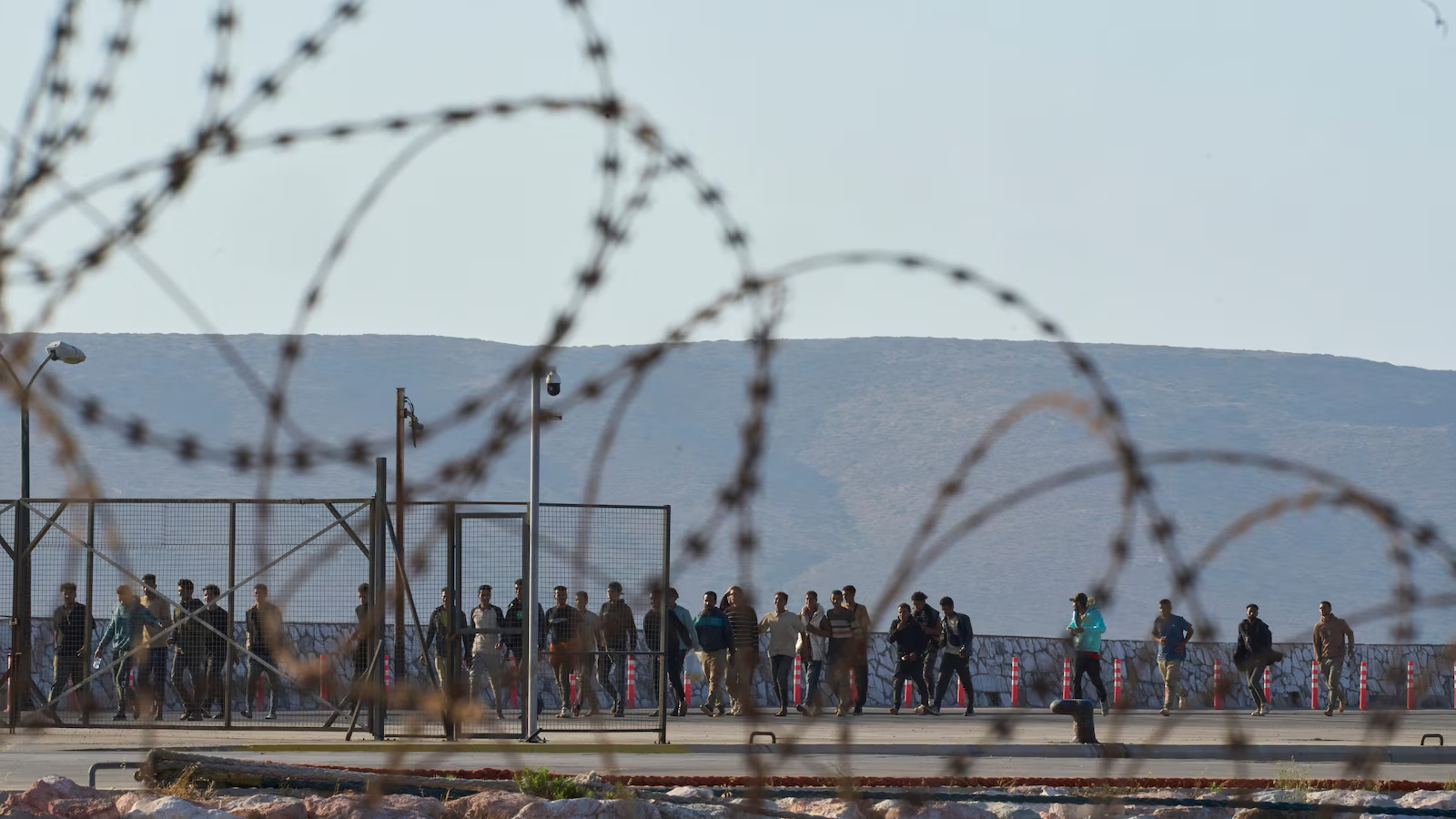
The European Union's new Pact on Migration enters into force on Friday, meaning the bloc finally has a set of clear-cut rules to manage migration that applies to all EU member states – at least, on paper.
The pact includes eight legislative acts, which together are meant to improve member states' cooperation on migration management, hold frontline states to stricter standards for minimising irregular entries into the EU, and speed up asylum procedures.
The new law introduces a border procedure which shortens the period to assess an asylum request for certain categories of applicants to 12 weeks, with 12 additional weeks to carry out returns for those who are not granted the protection.
It does not change the basic principle that any third national should ask for asylum only to the EU country of first arrival, but envisages a system of "mandatory solidarity" that offers countries three different options to manage migration flows:host a number of asylum seekers in its territory, pay a financial contribution to frontline member states, or help finance personnel, equipment, surveillance systems at the border and other operational costs.
But the so-called “mandatory solidarity” the pact binds EU countries to participate in is not actually mandatory – at least, not in the terms originally foreseen. Instead, EU countries have used a variety of tactics to reduce their commitments to helping frontline states and take in as few migrants as possible.