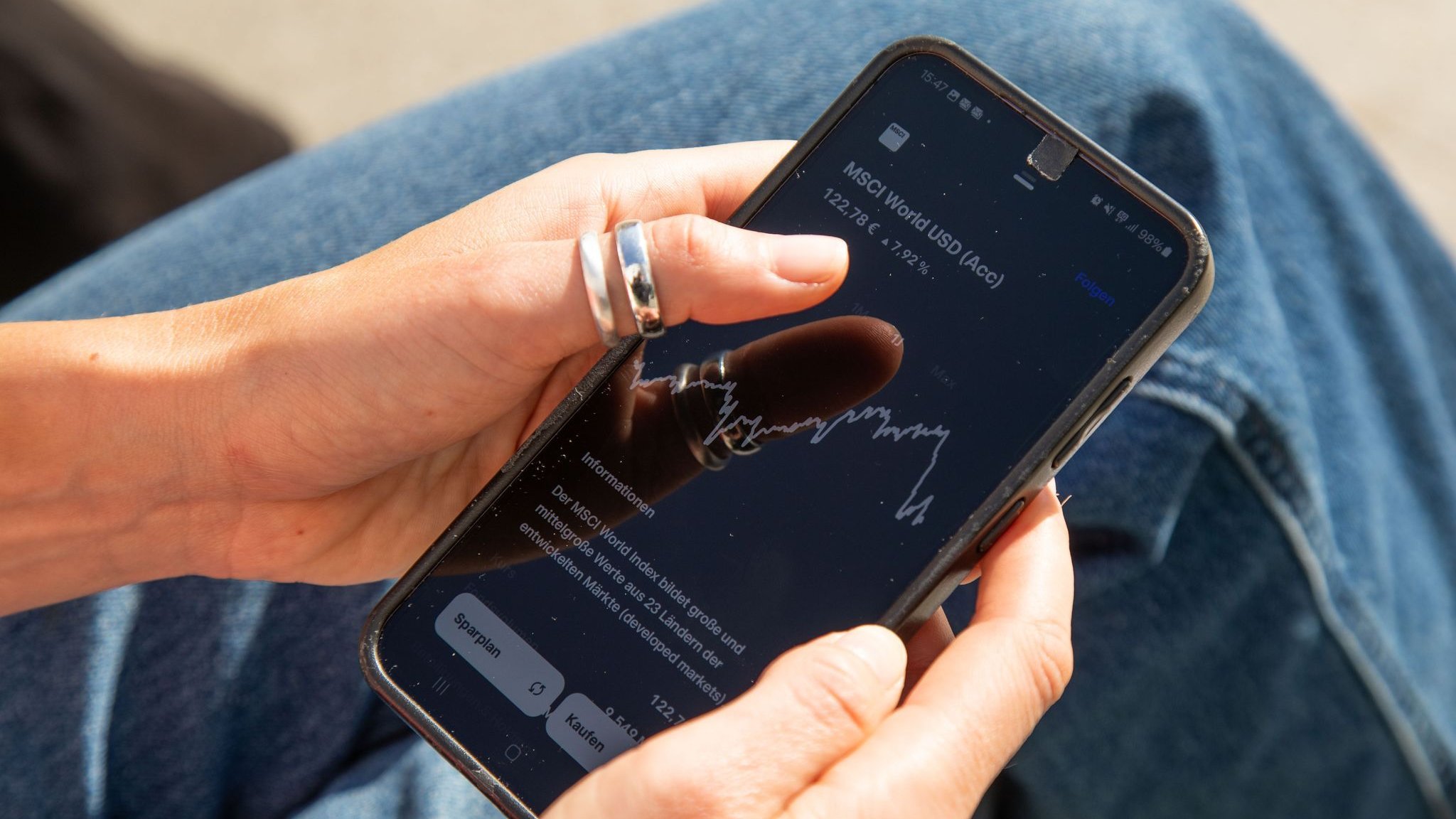
If you have ever wondered whether you should try to pick individual stocks or simply buy a fund that tracks the entire market, you have stumbled onto one of finance's most enduring questions. The choice between active and passive investing shapes how you build wealth, what you pay in fees, and whether you beat the market or settle for matching it.Active investing means buying and selling securities frequently in an attempt to outperform the market, relying on research, analysis, and timing calls to generate returns above what the broad market delivers.Passive investing means holding a diversified portfolio, typically through an index fund or exchange-traded fund, that mirrors the performance of a market index like the S&P 500 and makes changes only when the index itself changes.The difference matters because it affects your returns, your costs, and how much time and skill you need to succeed.The Case for Passive InvestingPassive investing has become the default choice for most retail investors over the past two decades, driven by a simple and brutal fact: most active managers do not beat the market over long periods once fees are factored in.A landmark study by S&P Dow Jones Indices found that roughly 85 to 90 percent of large-cap active mutual funds underperformed the S&P 500 over the preceding 15-year period.Passive index funds charge far lower fees, typically ranging from 0.05 percent to 0.20 percent annually, compared to the 0.5 to 2 percent that active mutual funds charge, and understanding how mutual fund fees work reveals how quickly costs compound against your returns.That fee differential compounds dramatically over decades. On a $100,000 investment over 30 years, a 0.10 percent annual fee costs about $33,000 in total value compared to roughly $165,000 for a 1 percent fee, assuming identical 7 percent annual returns before fees.Passive investing also requires almost no ongoing decision-making once you have built your portfolio and chosen your rebalancing schedule, a stark contrast to the constant monitoring that building a stock portfolio demands.You buy your index funds, set a contribution schedule, and let compound growth do the work.The psychological discipline matters. Because passive investors do not obsess over short-term price movements or feel the urge to time the market, they tend to stick with their plans through bull markets and bear markets alike.The Case for Active InvestingActive investing appeals to investors who believe they can identify undervalued stocks, exploit market inefficiencies, or adjust their portfolio timing based on economic conditions before broader markets do.For skilled practitioners, active investing has produced exceptional long-term returns. Warren Buffett, Peter Lynch, and a handful of other legendary managers have beaten the market consistently over decades, though debate continues about how much of their success reflects skill versus luck.Active investing lets you express strong convictions about individual companies, sectors, or economic themes that passive index ownership does not.If you believe electric vehicle companies will dominate transportation over the next decade, passive investing forces you to hold oil and gas stocks as part of your index exposure, which may conflict with your view.Active investing also opens the door to tax-loss harvesting and other tactical moves that can improve after-tax returns in taxable accounts.The Costs of Active InvestingThe obvious cost is fees, but there are others that matter just as much.Trading frequently triggers capital gains taxes, eating into your after-tax returns, and transaction costs add up quickly if you buy and sell positions regularly.Active investing demands significant time. You need to research companies, track earnings reports, analyze financial statements, and monitor your portfolio constantly to stay ahead of the market.Most individual active investors lack the time, data access, and analytical tools that professional investors use, and that disadvantage is real.Behavioral mistakes amplify the cost problem. Active investors tend to buy high during market frenzies and sell low during crashes, the opposite of what profit-taking discipline requires.Studies on retail trading accounts show that the average active trader underperforms buy-and-hold passive investors by 2 to 4 percent annually, a gap that widens for those who trade frequently.A Hybrid ApproachMany investors split the difference by building a core passive portfolio using low-cost index funds and allocating a smaller sleeve, perhaps 10 to 20 percent, to active stock picking.This approach lets you scratch the active investor itch without risking your entire financial future on conviction trades.You get the downside protection and consistent returns of passive index investing while maintaining the flexibility to pursue ideas you believe in strongly.The Key Question to Ask YourselfBefore deciding, be honest about whether you have a documented edge in stock picking or if you are simply chasing the fantasy of outperformance.An edge might be deep industry knowledge from your career, access to research or data that others lack, or a proven track record of returns that beat your benchmark.Without a clear edge, passive investing offers simplicity, lower costs, and historically superior after-tax returns that align with how institutional investors and financial advisors now manage money for individuals.The evidence does not say active investing is always wrong. It says that for most people, most of the time, passive investing is the harder strategy to beat.If you are building long-term wealth, consider starting with low-cost index funds that match your risk tolerance and time horizon, and revisit the active versus passive question only if you develop genuine confidence in your ability to pick winners.For those exploring ways to build wealth beyond the stock market, other investment vehicles like real estate offer different risk and return profiles worth understanding as part of a diversified strategy.
Active vs. Passive Investing • What's the Difference? • Benzinga
Discover the key distinctions between active vs. passive investing with insights from the experts at Benzinga. Learn the advantages offered.
TL;DRAI
85-90% of active managers underperform the S&P 500; passive funds cost 0.05-0.20% annually versus 0.5-2% for active. Without documented edge, passive investing delivers superior returns—investors should build core index funds with optional 10-20% active sleeve for conviction trades.
912 words~4 min read