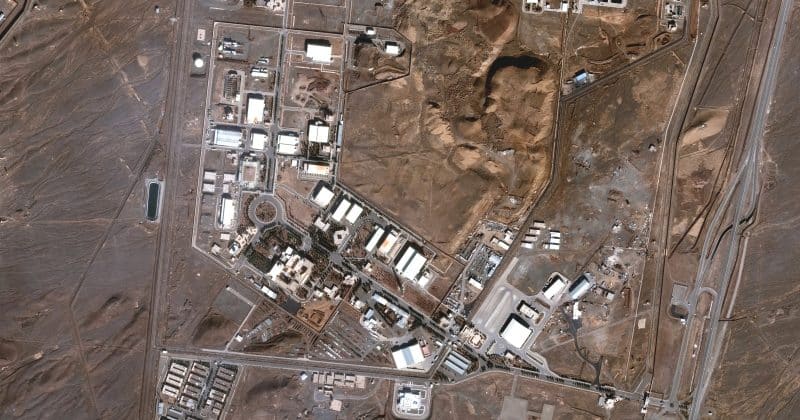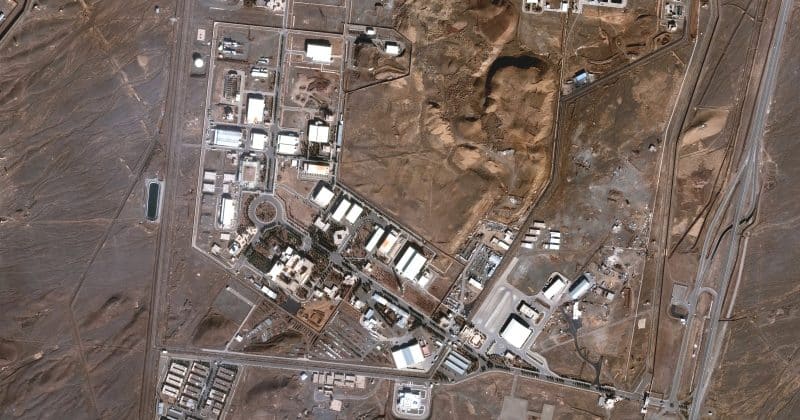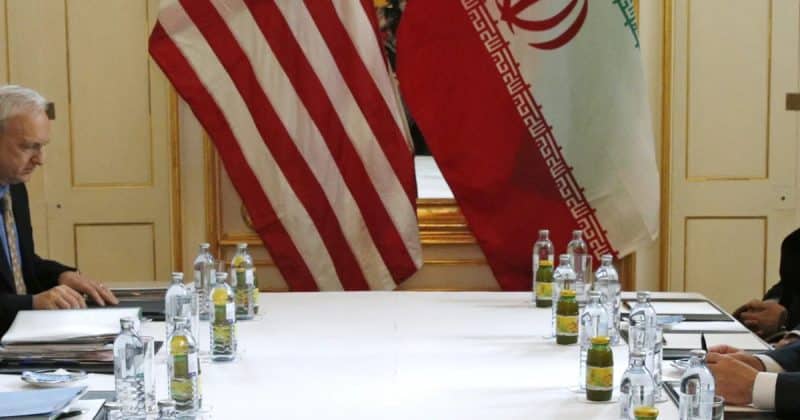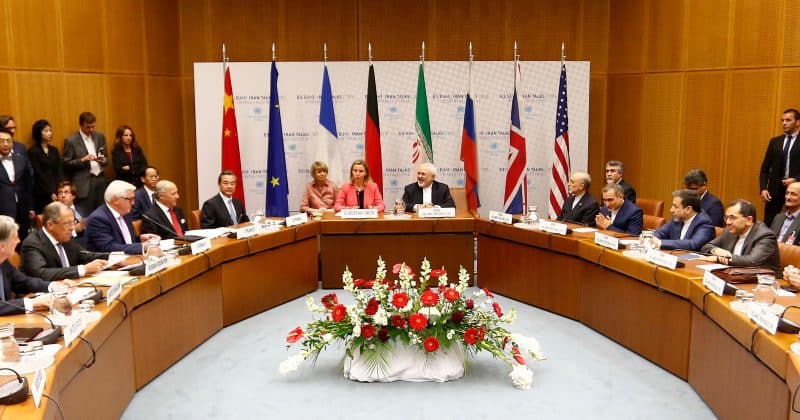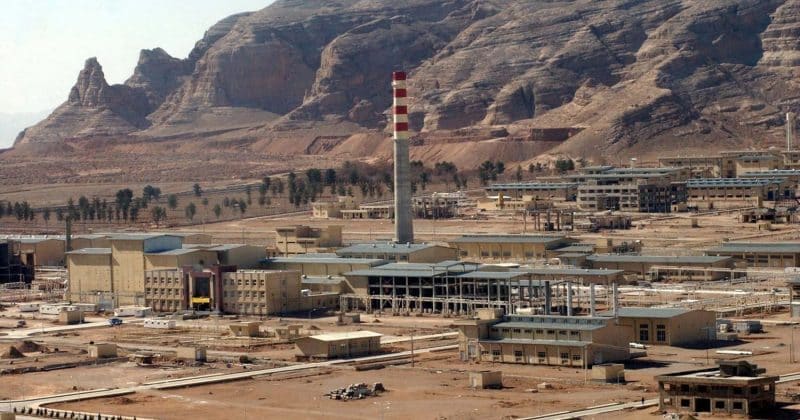
The United States is pushing toward an interim agreement with Iran that would require the full dismantling of the country’s nuclear program, the removal of enriched uranium stockpiles, and long-term inspections by international bodies. An initial memorandum of understanding could be signed as soon as next week.
If that timeline holds, detailed negotiations would follow over a projected 60-day period.
What the proposed deal actually looks like
The core terms are about as aggressive as nuclear diplomacy gets. Iran would need to dismantle its nuclear infrastructure, ship out its enriched uranium, and open its doors to sustained international inspections. In exchange, the deal reportedly includes conditional sanctions relief and measures related to the reopening of the Strait of Hormuz, a chokepoint through which a significant share of global oil shipments pass.
The talks have been facilitated in part by Oman, which has served as a diplomatic intermediary between Washington and Tehran in past rounds. Negotiations resumed in 2025 during the Trump administration, building on a historical backdrop that includes the 2015 Joint Comprehensive Plan of Action, better known as the JCPOA. That agreement expired in October 2025, leaving a vacuum that the current proposal is attempting to fill.