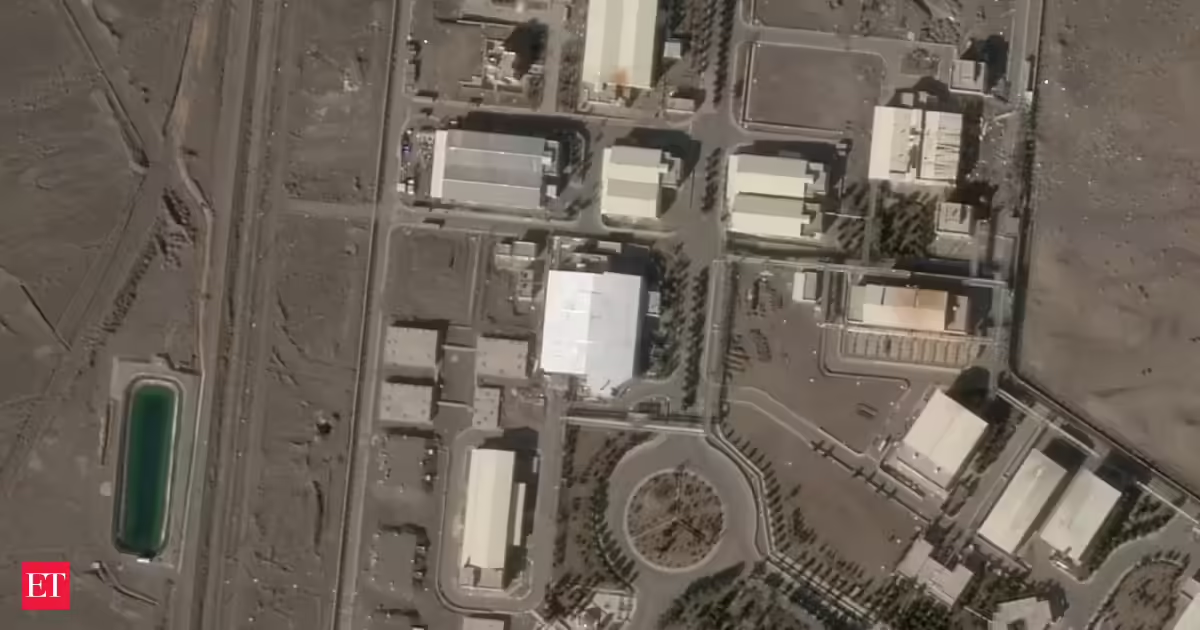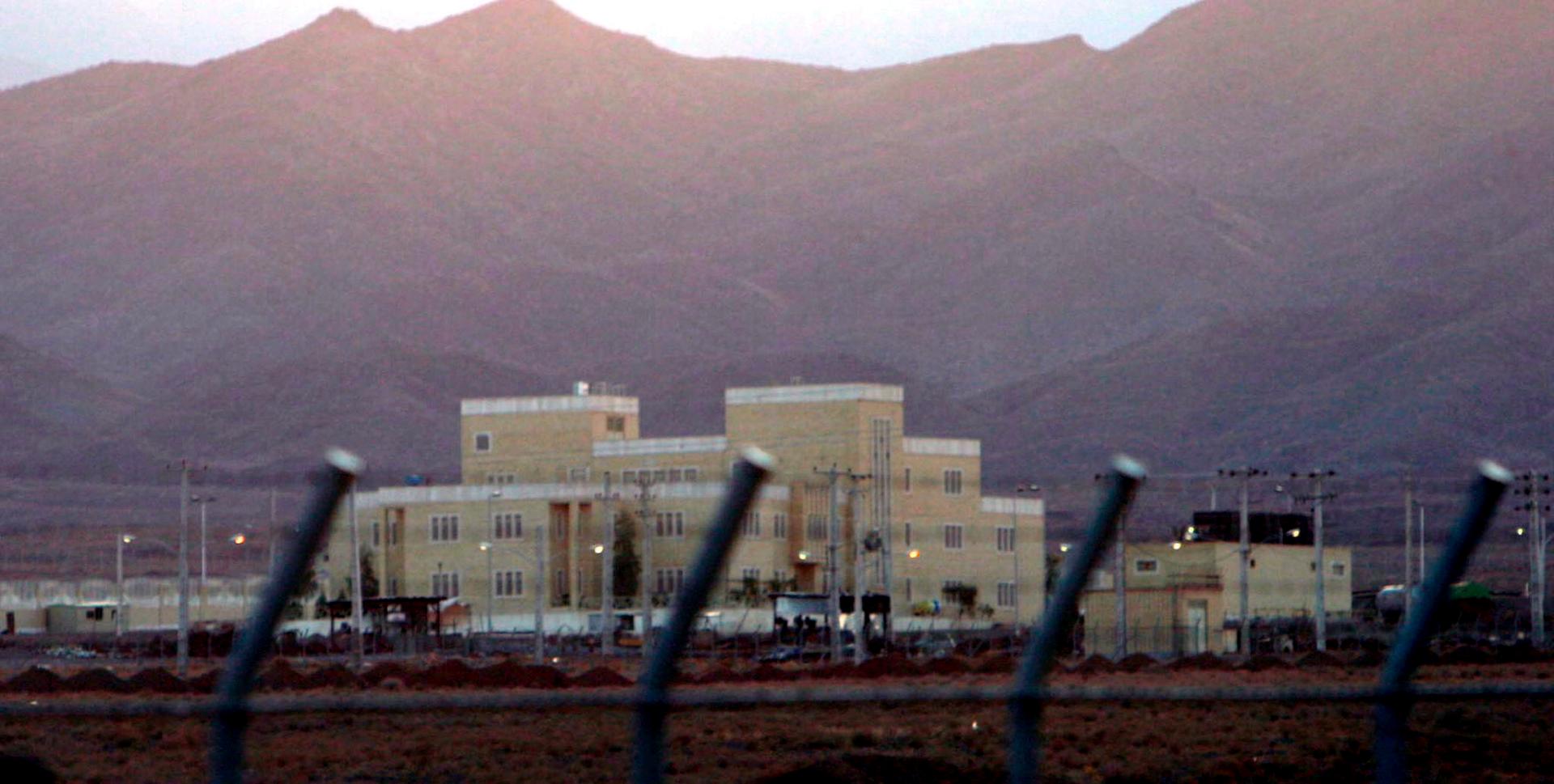
Iran has agreed to dismantle its nuclear program and halt funding for proxy groups before receiving any sanctions relief, marking a dramatic shift in the decades-long standoff between Tehran and Washington.
The framework, negotiated under President Trump’s administration, operates on a simple principle: performance first, relief second. Iran doesn’t get to sell oil freely or access the global financial system until it proves, with receipts, that it’s actually doing what it promised.
What’s on the table
The proposed deal requires Iran to surrender its stockpile of highly enriched uranium and suspend enrichment activities. Iran must also extend a ceasefire by 60 days, building on a two-week ceasefire established in April 2026 that was subsequently lengthened. The strategic Strait of Hormuz, a chokepoint through which roughly a fifth of the world’s oil supply passes, must be reopened as part of the arrangement.
Only after meeting these verifiable requirements would Iran receive targeted sanctions waivers. Not a blanket lifting of restrictions. Targeted waivers.