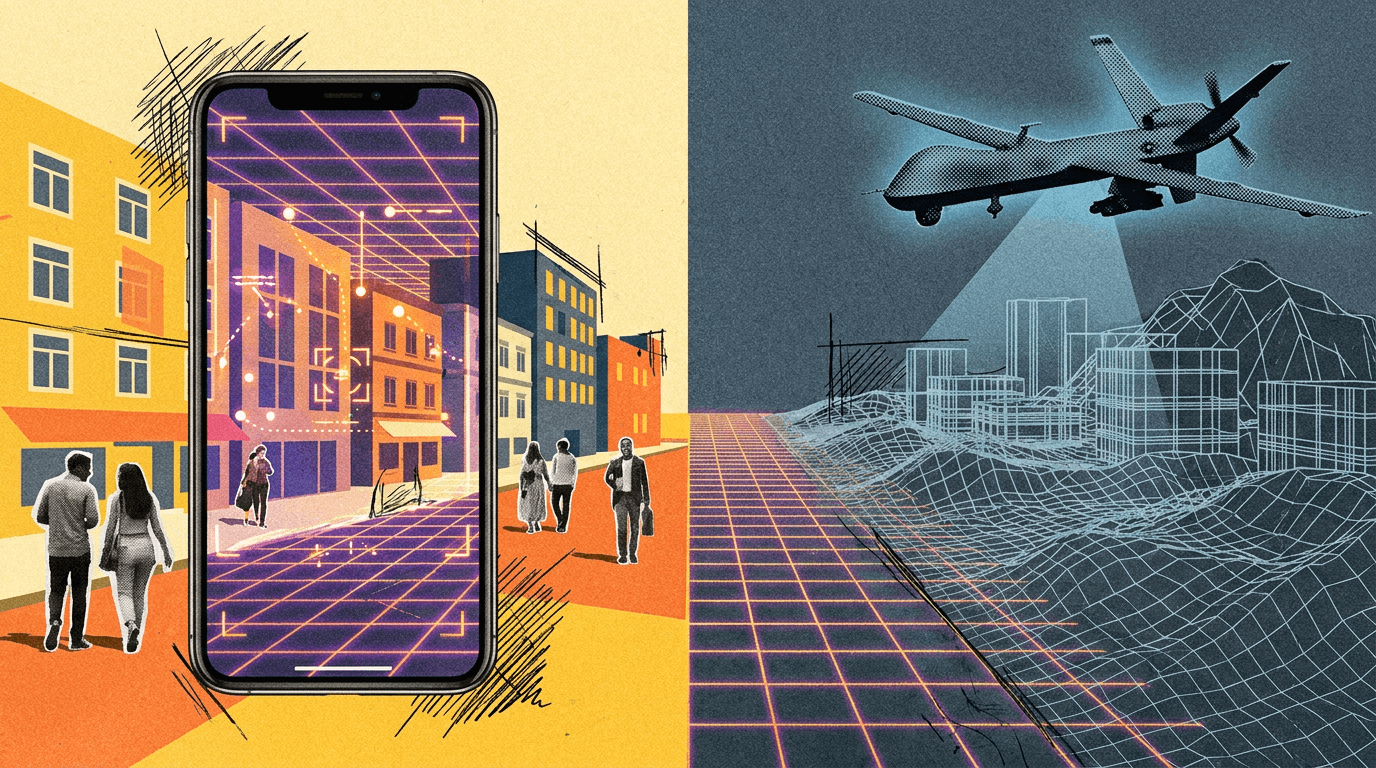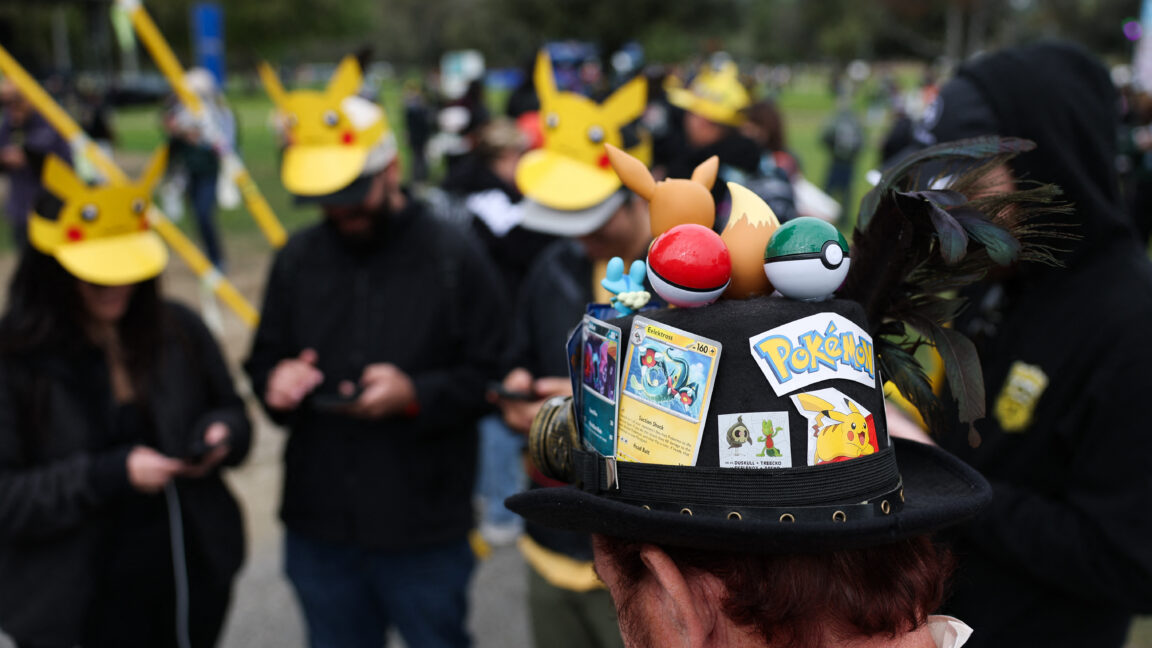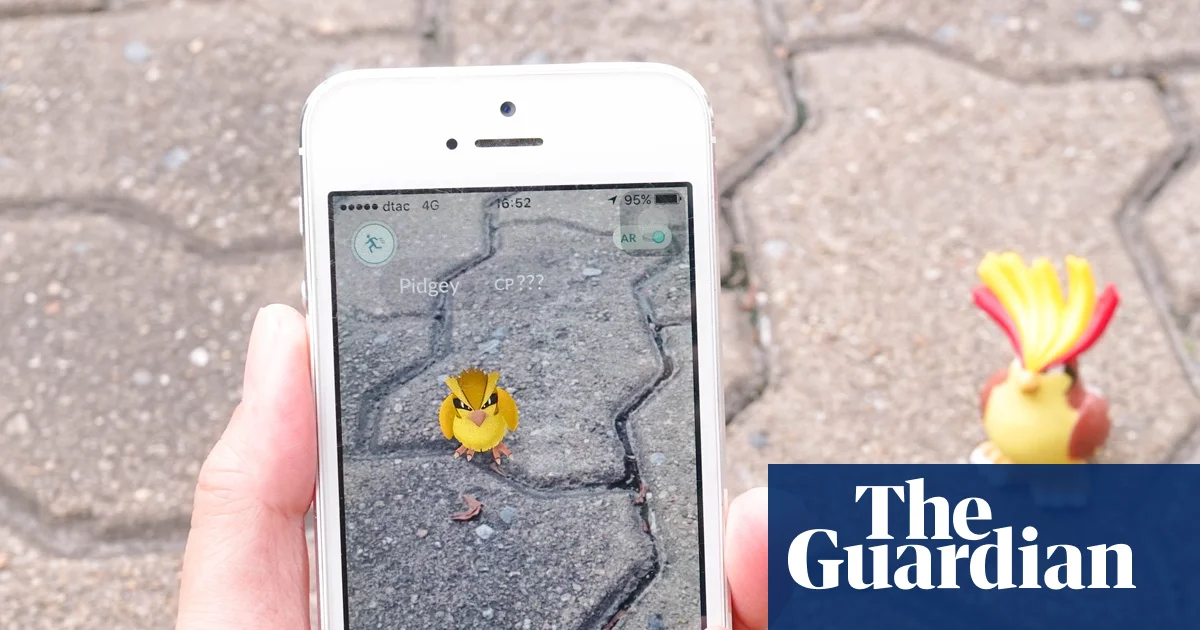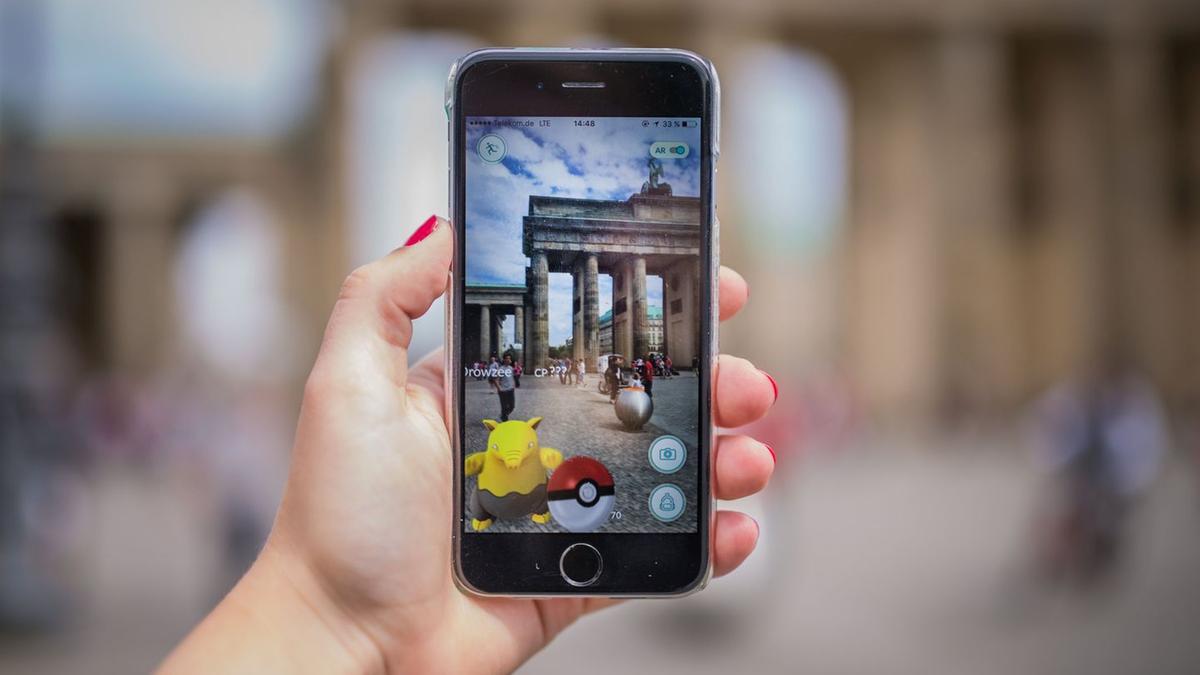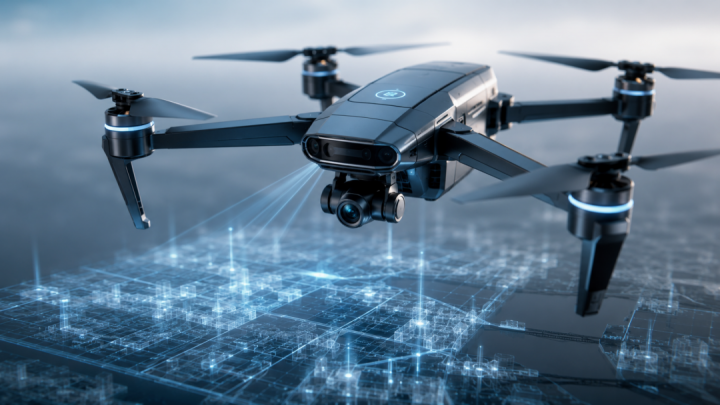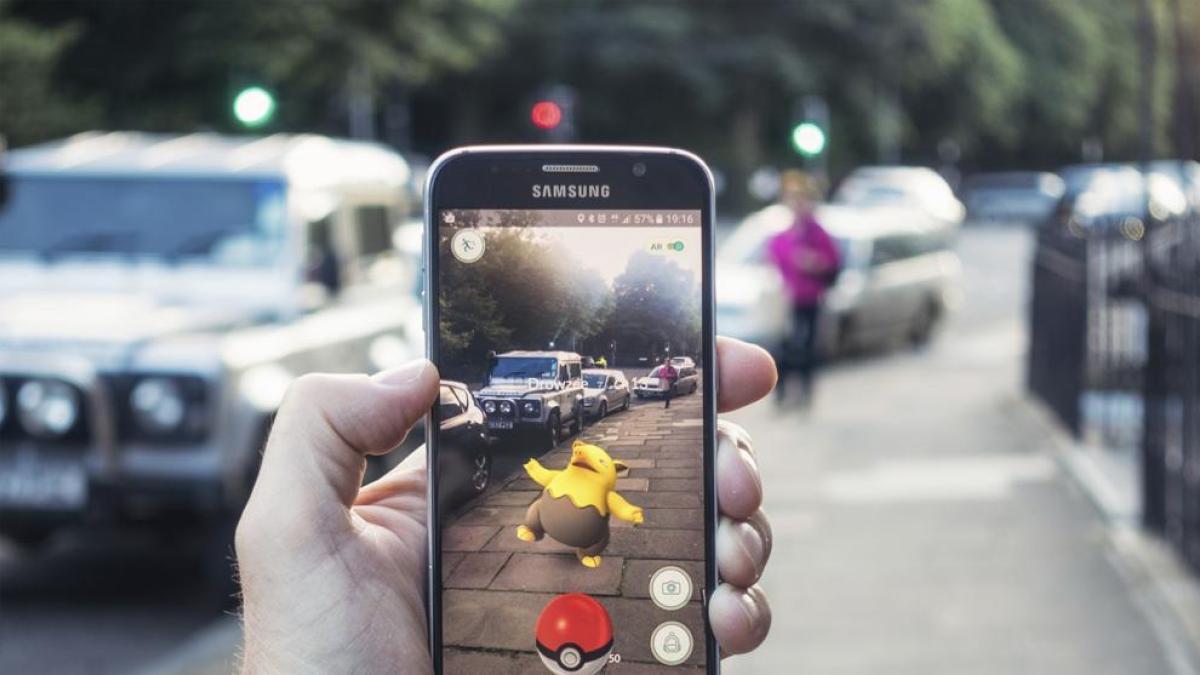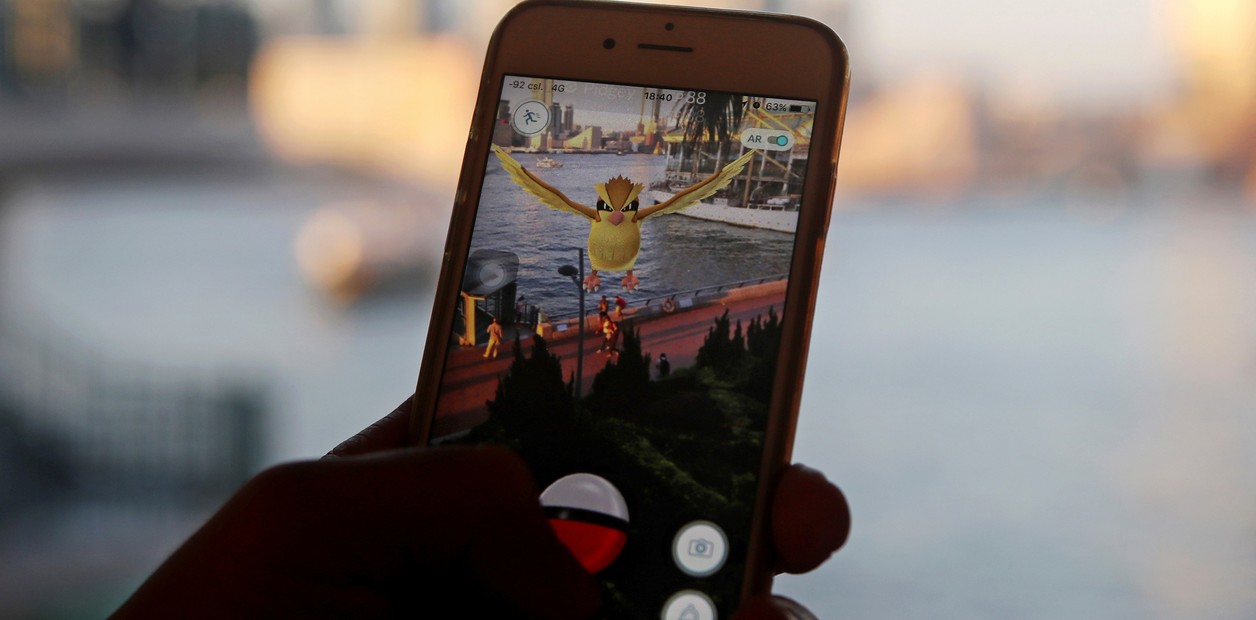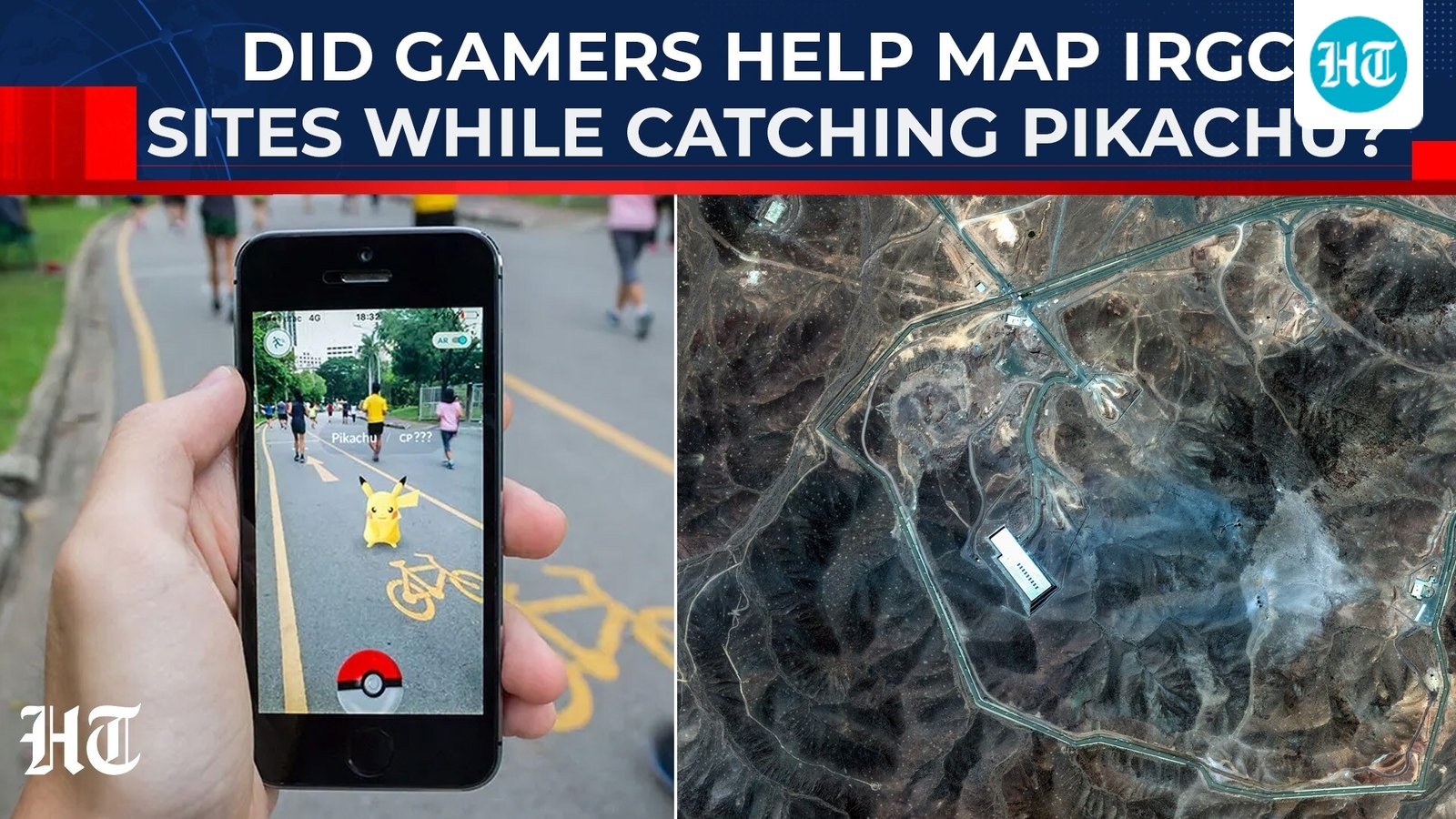
A controversial claim by whistleblower Zach Vorhies has reignited debate over how data collected through popular consumer technologies could potentially be used beyond their original purpose. Speaking to RT, Vorhies alleged that location data, images and mapping information gathered through the global hit game Pokémon Go may have contributed to the creation of highly detailed ground-level mapping datasets. He argued that such information could theoretically complement satellite imagery by helping generate accurate 3D models of real-world environments. Vorhies further claimed that growing cooperation between major technology firms and defense agencies is accelerating the military use of advanced data and artificial intelligence. However, no public evidence has been presented showing that Pokémon Go player data was used for military operations, and neither Google, Niantic nor U.S. defense officials have publicly addressed the specific allegations.
US' desperate to spy on Iran & Russia: Gamers unwittingly mapped nuclear sites and military bases?
A controversial claim by whistleblower Zach Vorhies has reignited debate over how data collected through popular consumer technologies could potentially be used beyond their original purpose. Speaking to RT, Vorhies alleged that location data, images and mapping information gathered through the global hit game Pokémon Go may have contributed to the creation of highly detailed ground-level mapping datasets. He argued that such information could theoretically complement satellite imagery by helping generate accurate 3D models of real-world environments. Vorhies further claimed that growing cooperation between major technology firms and defense agencies is accelerating the military use of advanced data and artificial intelligence. However, no public evidence has been presented showing that Pokémon Go player data was used for military operations, and neither Google, Niantic nor U.S. defense officials have publicly addressed the specific allegations.