As Russia’s war in Ukraine grinds on, a quieter power grab in the South Caucasus has gone largely unnoticed beyond the region.
Since the breakup of the Soviet Union, the Georgian regions of South Ossetia and Abkhazia have maintained de facto independence from Tbilisi with Russian support. While most believe them to be Russian-occupied regions of Georgia in the same manner as the Donbas, both Abkhazia and South Ossetia maintain some degree of administrative autonomy from Moscow, billing themselves as genuine independent states. Moscow has even recognizes them as separate countries since the 2008 Russia-Georgia war.
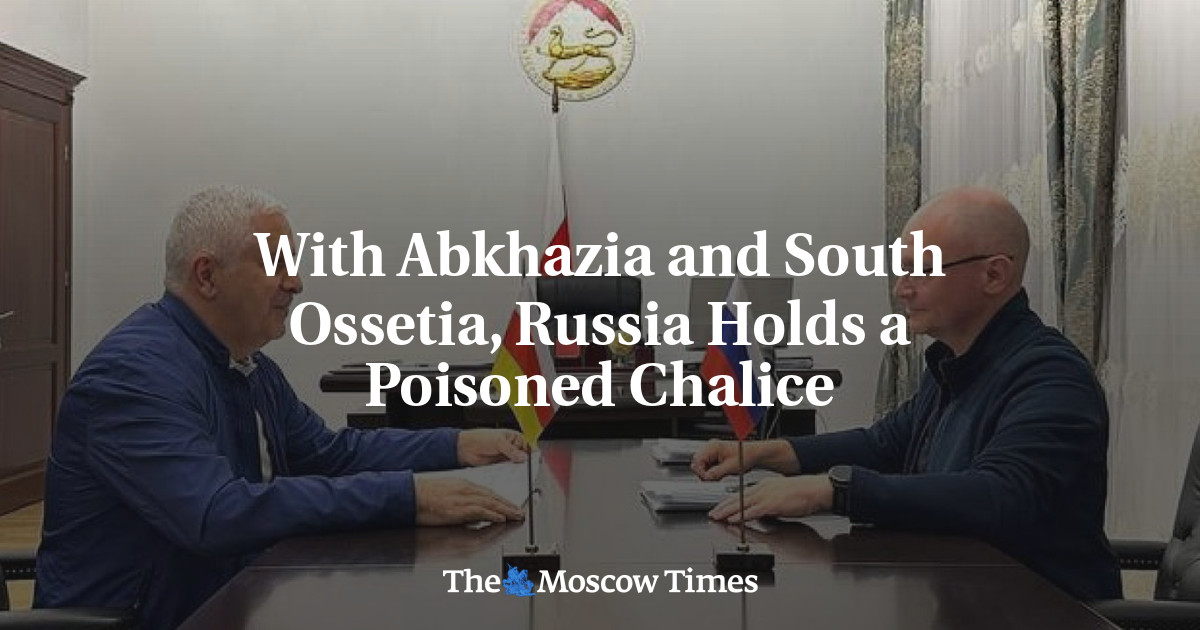
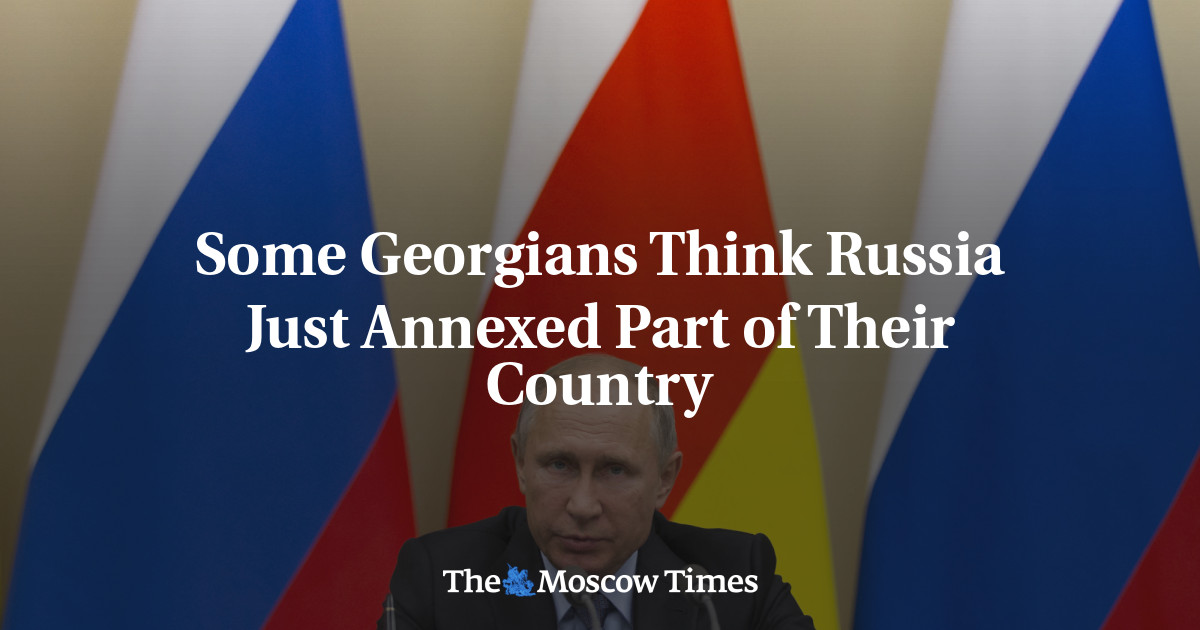
On May 9, however, Russian President Vladimir Putin and de facto South Ossetian President Alan Gagloev signed an agreement on “Deepening Allied Interaction.” Among measures harmonizing economic regulations, the treaty loosened restrictions on who could take part in South Ossetia’s separatist administration. Now, for the first time, Russian citizens are legally able to serve as officials in the region.
At the signing of the agreement, Gagloev said he hoped the treaty would “initiate the reunification of the Ossetian people,” a reference to North Ossetia in the Russian North Caucasus, and constituted “a step towards unity with great Russia.”