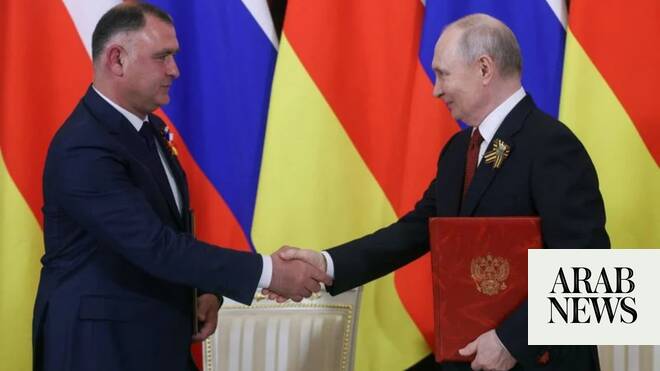
As Russian influence across the South Caucasus continues to erode, one of the Kremlin’s most senior officials, Sergei Kiriyenko, has been tasked with strengthening Moscow's oversight of Abkhazia and South Ossetia, the two territories it recognized as independent after the 2008 war with Georgia. In recent days, Moscow dispatched a new ambassador to one and effectively installed a new leader in the other.
The appointments signal a new attempt to make the two territories more manageable for the Kremlin. They also revive a question that Russia has struggled to answer since recognizing them nearly two decades ago: how can it deepen its control over Abkhazia and South Ossetia without further limiting its room for maneuver elsewhere in the South Caucasus?
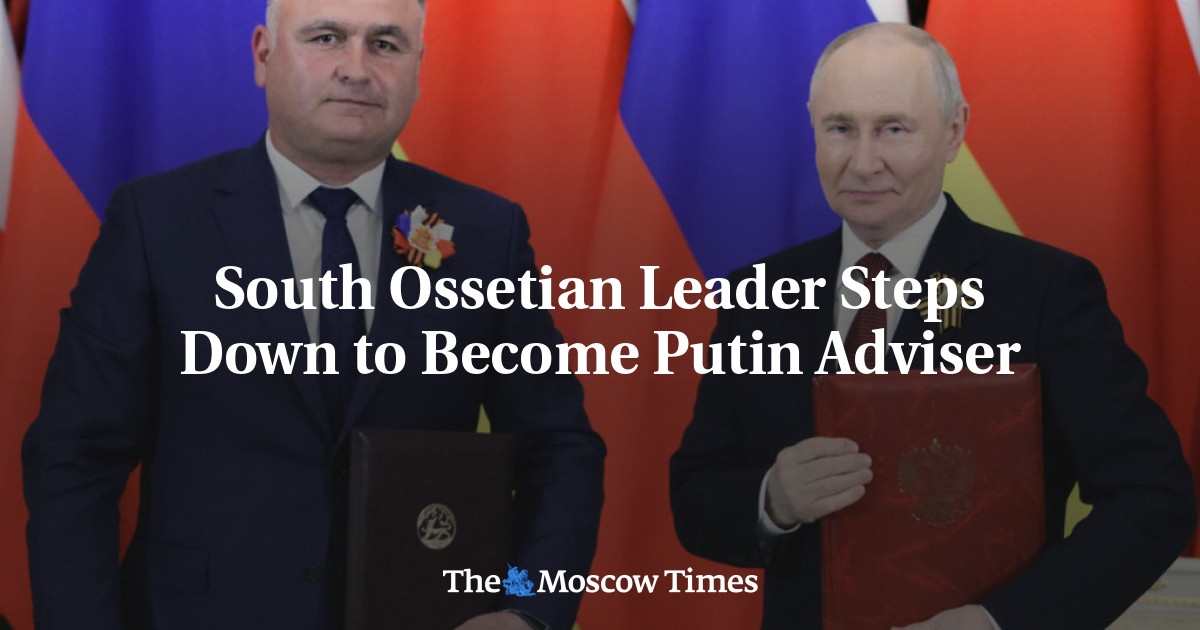
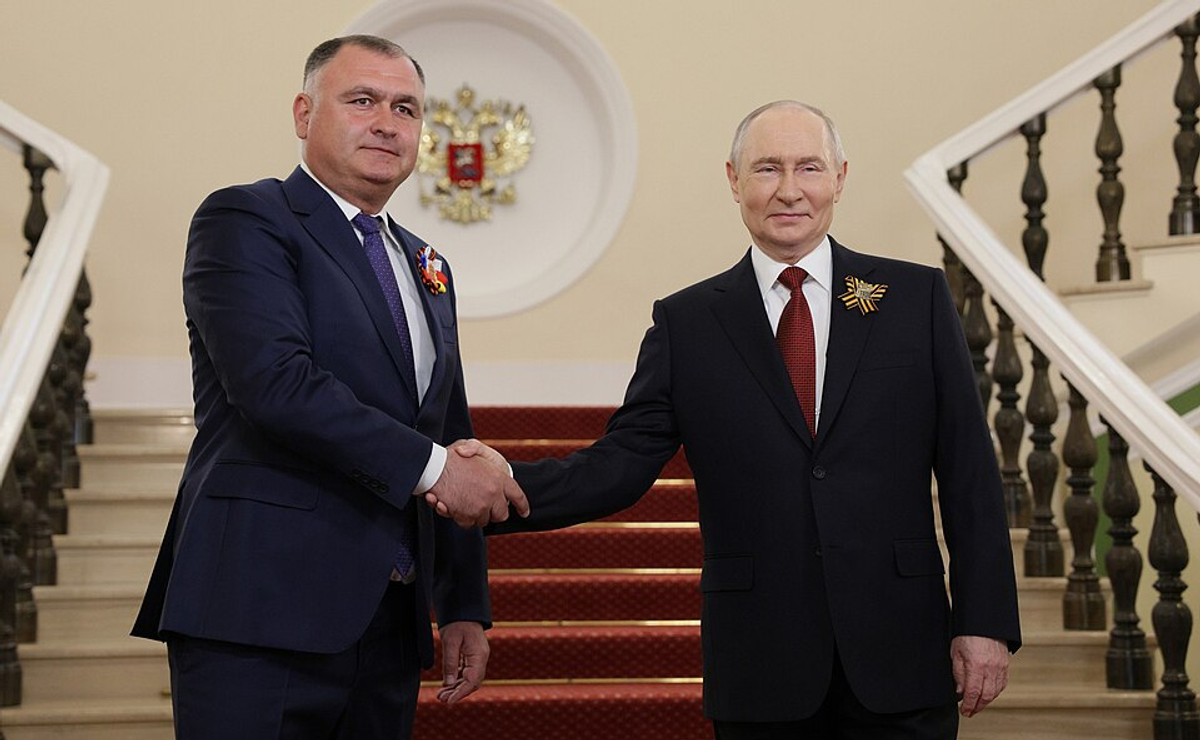
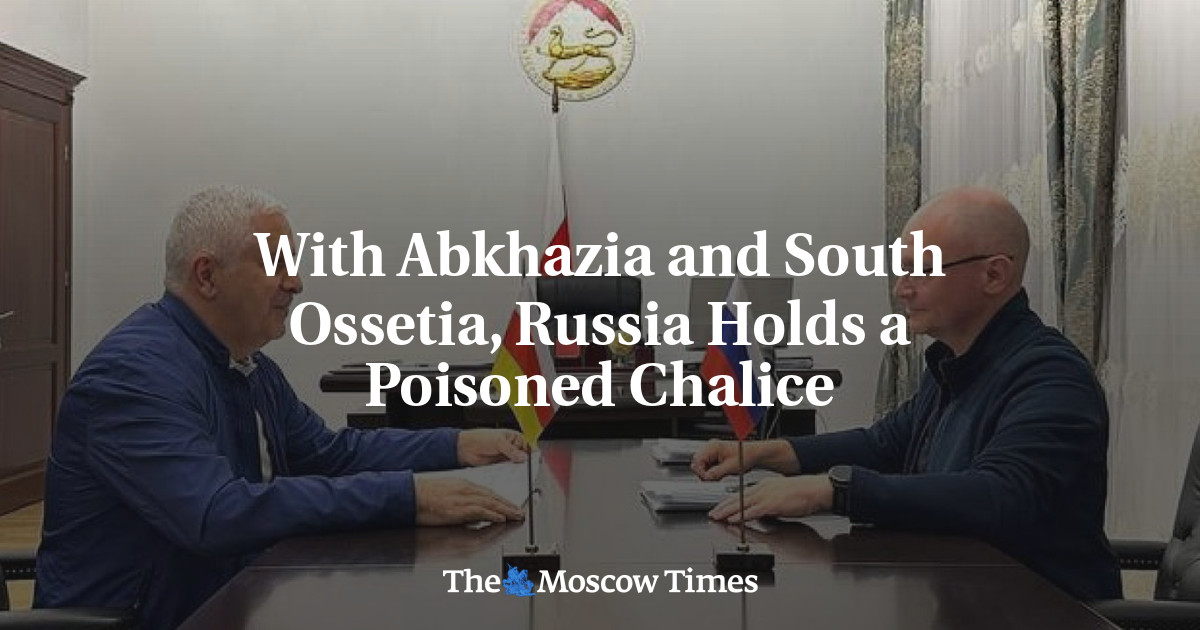
At the beginning of July, the first deputy head of the Russian presidential administration visited South Ossetia to meet its newly installed de facto president before continuing to Abkhazia, where Russia's new ambassador had just arrived. Both men are closely associated with Kiriyenko, underscoring his role as the Kremlin's chief political overseer of the two territories.
Russia has recognized Abkhazia and South Ossetia as independent states since 2008, while almost the entire international community continues to regard them as part of Georgia.