Harvard Business Review LogoJune 12, 2026Flavio Coelho/Getty ImagesGenerative AI is fundamentally changing B2B buying behavior by shifting discovery, evaluation, and recommendation into AI-mediated environments that companies neither own nor fully understand. InConsider this scenario: Company A’s new cancer drug receives FDA approval based on a Phase 3 trial showing a 3.2-month improvement in progression-free survival. The company’s medical affairs team publishes the trial results in a top-tier journal, corporate communication issues a press release, and its commercial teams train sales representatives on key messages to communicate to doctors. However, Company B’s competing drug, approved six months earlier, has generated substantially more clinical discussion, real-world evidence in publications, and treatment guideline citations.
How Gen AI is Disrupting B2B Buying Decisions
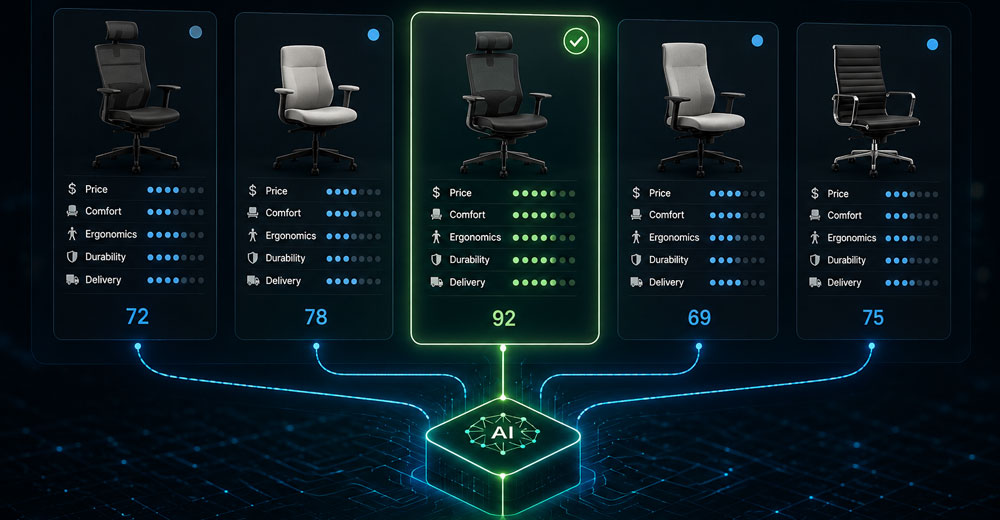
Generative AI is fundamentally changing B2B buying behavior by shifting discovery, evaluation, and recommendation into AI-mediated environments that companies neither own nor fully understand. In industries such as pharmaceuticals, manufacturing, and banking, AI assistants and procurement systems are increasingly determining which vendors, products, and claims surface during decision-making—often overriding traditional sales, marketing, and relationship-based advantages. To compete effectively, organizations must redesign their go-to-market strategies around “generative readiness,” coordinating cross-functional narratives, creating machine-readable content, strengthening credibility signals, and continuously auditing how AI systems represent their brands.