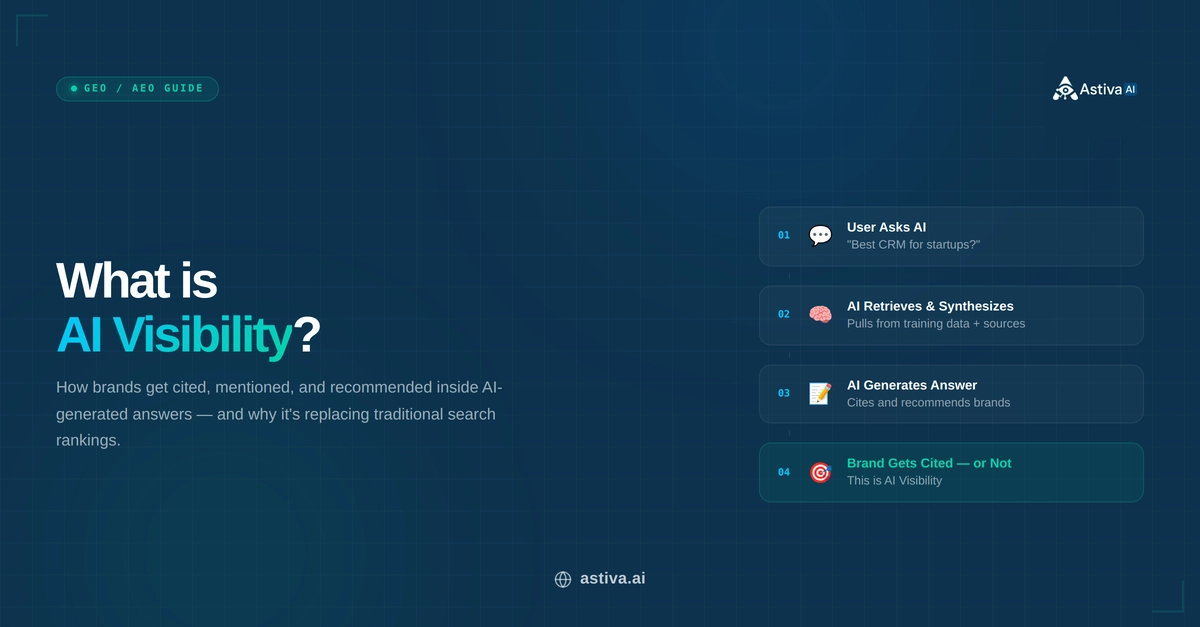
The B2B marketing playbook has a new top metric: whether a brand gets cited when a buyer asks an AI assistant a question. The brands that show up inside ChatGPT, Claude, and Google’s AI Overviews, are, with very few exceptions, the brands that also rank well on Google itself. AI visibility is correlated with search rank, not downstream of it.
That correlation is more complicated than it first looks. SEO growth advisor Kevin Indig published a correlation analysis earlier this year, drawing on 30,000 AI citations across 500 software categories, and found that none of the classic SEO metrics he tested had a strong relationship with citation frequency. “LLMs have light preferences: Perplexity and AI Overviews weigh word and sentence count higher,” Indig wrote. In a separate survey of 313 practitioners, he found 78 percent said their current approach to measuring LLM visibility is inaccurate.
SEO growth advisor Kevin Indig
What the rest of the data does suggest is that the AI answer engines reward roughly the same content qualities Google does, even if the surface-level metrics diverge. Substantive content, primary-source data, expert authorship, and structured E-E-A-T signals matter on both surfaces. A growing consensus inside the SEO community holds that the playbook teams should be running for AI visibility is the same one they should already be running for Google, executed against a wider source surface.