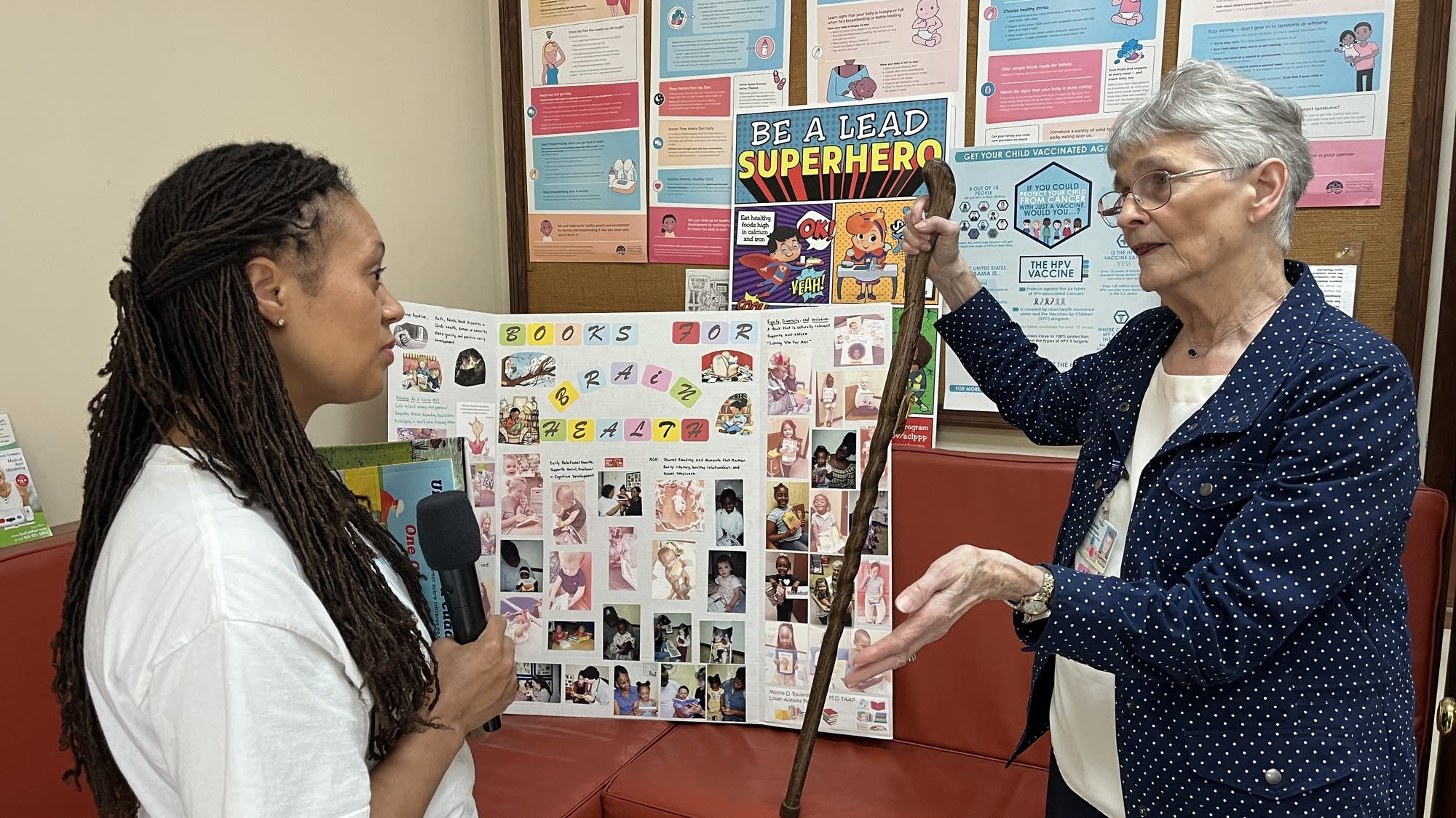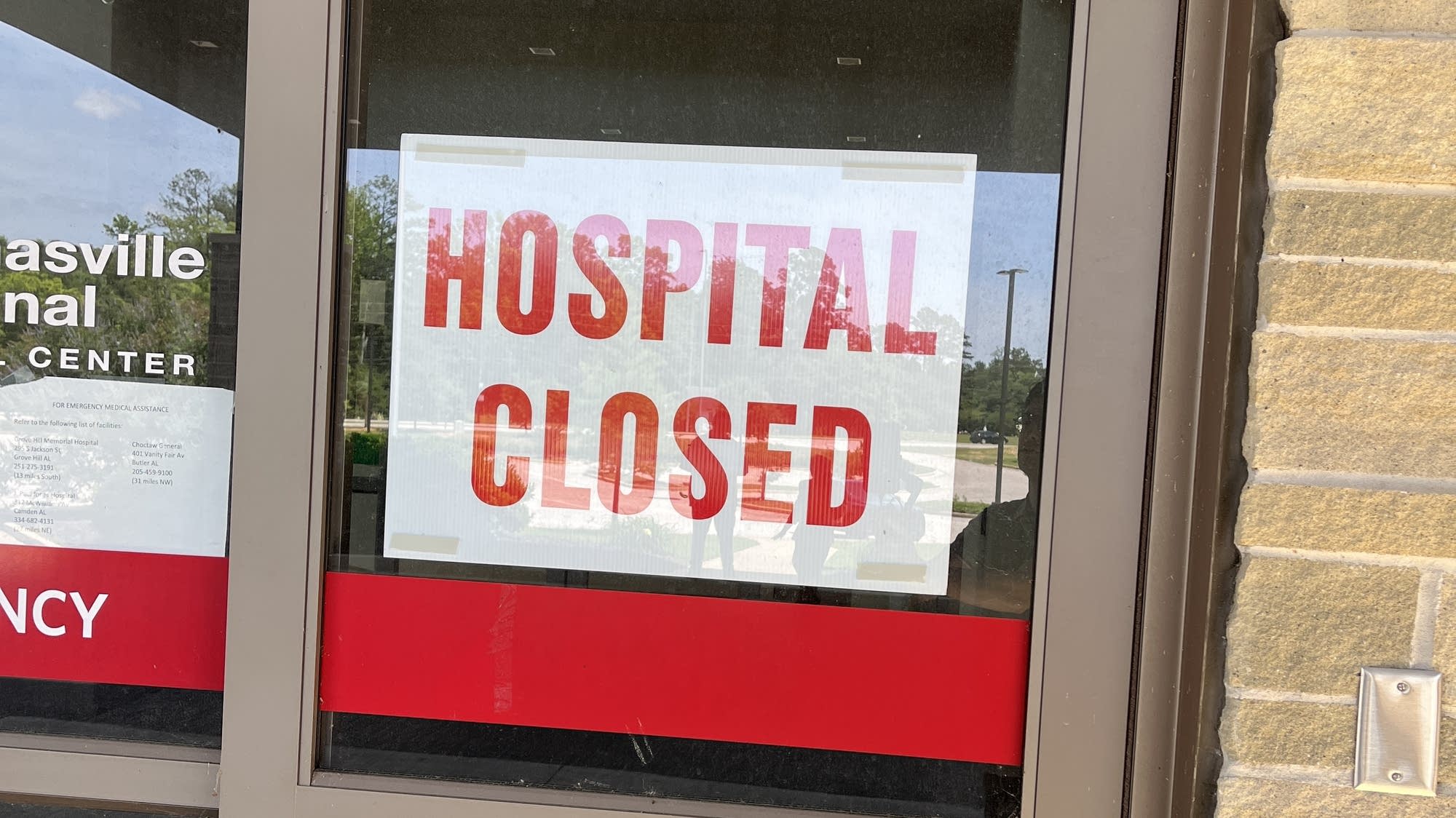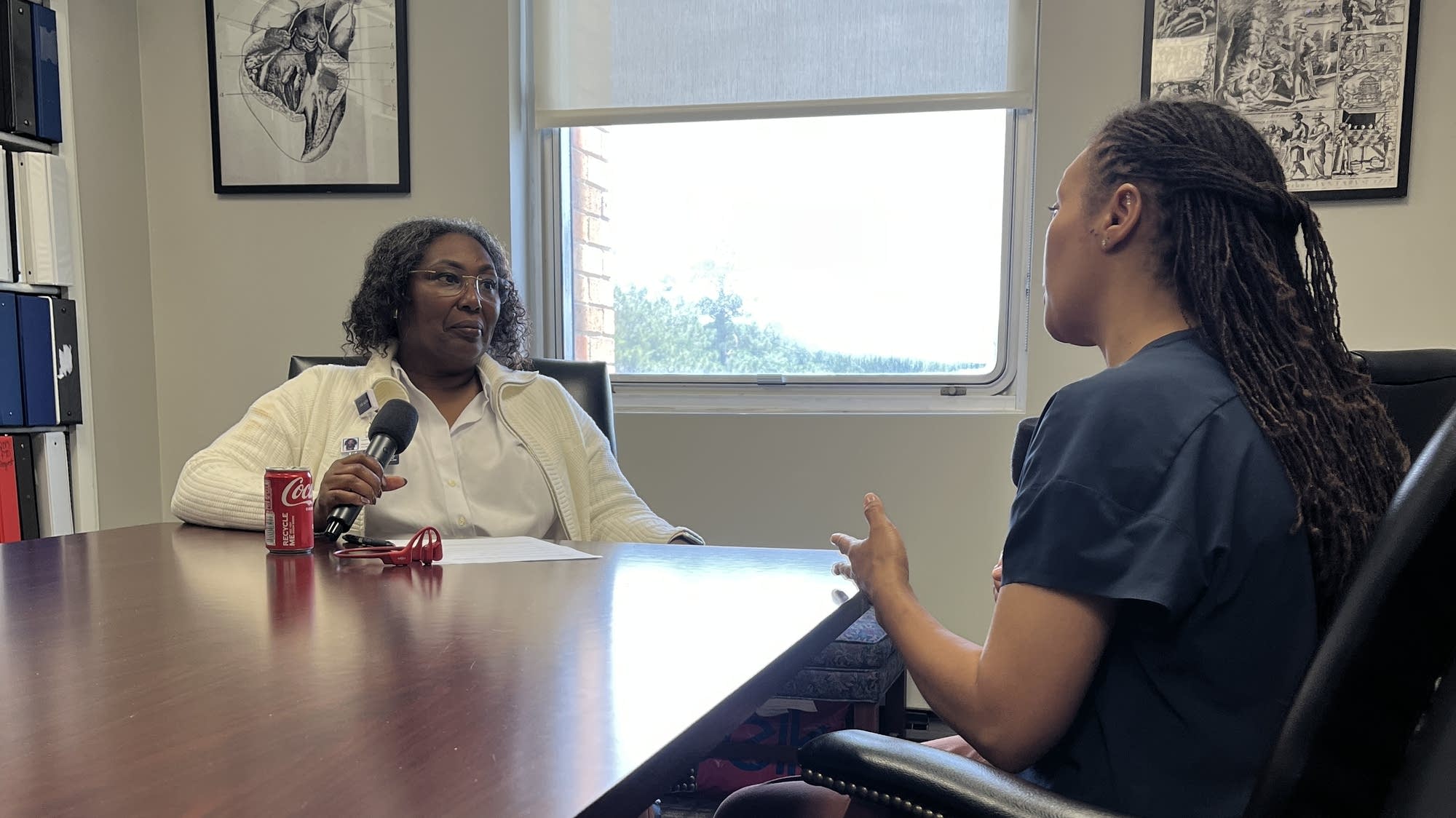
We’re reporting on how changes in federal policy show up in rural healthcare. And what that means for the economy wherever you are.For the challenges facing rural healthcare, there are the big, structural solutions — things like government funding, networks, and initiatives to share resources and make the work more efficient.And then there are solutions all the way down to the individual level. What agency do you have over getting the healthcare you need? What can you do about it?“Marketplace Morning Report” host Kimberly Adams asked this question to Dr. Luanda Grazette, chief of cardiology at University of South Alabama Health in Mobile.Luanda Grazette: For someone who has a chronic condition, it would be helpful to try to game plan, “If I had to go somewhere, where would I go?” And try to arrange to have a visit at that place and establish a care relationship with that place that you might end up going to if you got into trouble. So that there is some some records, and there's some physician or or nurse practitioner or physician's assistant who knows you.Kimberly Adams: Oh, this makes a lot of sense. So, for example, if you know you have diabetes or high blood pressure, you go in advance to the closest hospital to you, and just say, "Hey, here are my medical records, just in case I get brought here in an emergency.”Grazette: Yeah, and try to have a relationship there. Have a visit. If you have diabetes, see a primary care doctor or an endocrinologist. If you have asthma, COPD, see a pulmonologist. If you have heart disease, see a cardiologist or primary care — so that you are somehow known to that system.Adams: You mentioned that you're seeing people make really challenging choices around health insurance and healthcare. It's been going up for everybody, people on the exchanges, people off the exchanges. Can you talk a little bit more about what you've seen in that regard?Grazette: A lot of times in medicine we talk about compliance — how often patients do what we say and follow through with our recommendations, prescriptions, and so forth. And I'm seeing more patients that are having issues with compliance that are financial. In the past, it might have been, “Well, I couldn't tolerate that medication.” Or sometimes, “I didn't think I needed it.” And I'm seeing more non-compliance because — “Well, I went to the pharmacy, and they told me how much it was, and I really couldn't afford that.” Or, “I am planning to get that, but I have to borrow some money first to get it, and someone's going to help me.”Adams: We just heard about another 7 million people dropping their ACA coverage. A lot of people are about to lose Medicaid because of new work requirements and other things. So, what does that look like?Grazette: I think that healthcare has been stressed and stretched for a while now. I think the COVID pandemic was a huge stressor. This is going to be another huge stressor that I feel we're probably even less prepared for.Adams: What do you mean by “this”?Grazette: I mean sort of the wave of underinsurance. I think it looks like a lot of people with chronic diseases showing up to the few hospitals that have emergency rooms, and those emergency rooms being overwhelmed.
Here's this doctor's advice for rural healthcare patients
In short: Reach out to the care center closest to you ahead of time. That way if you ever come in during an emergency, they’ll already be familiar with you.
557 words~3 min read