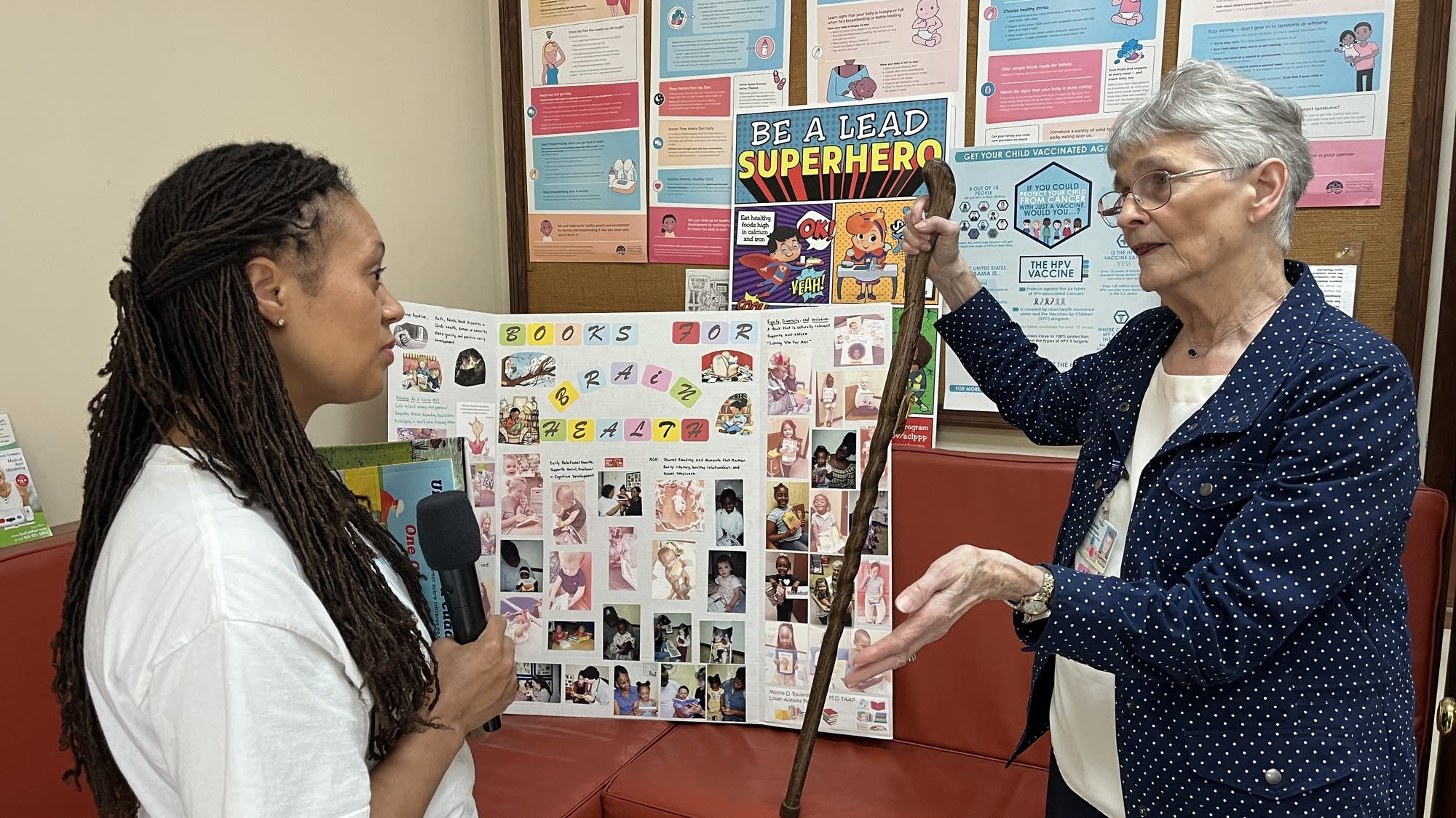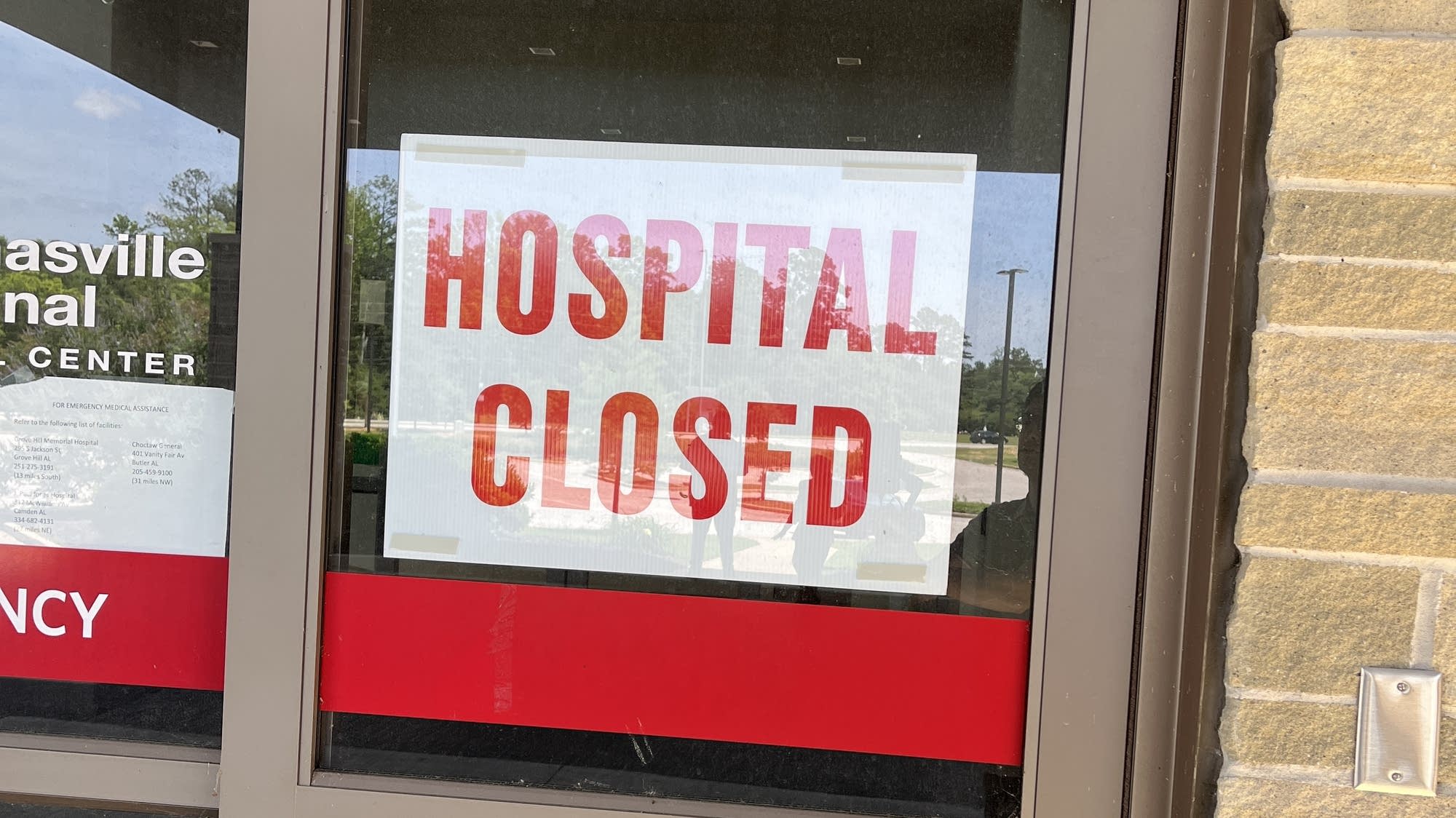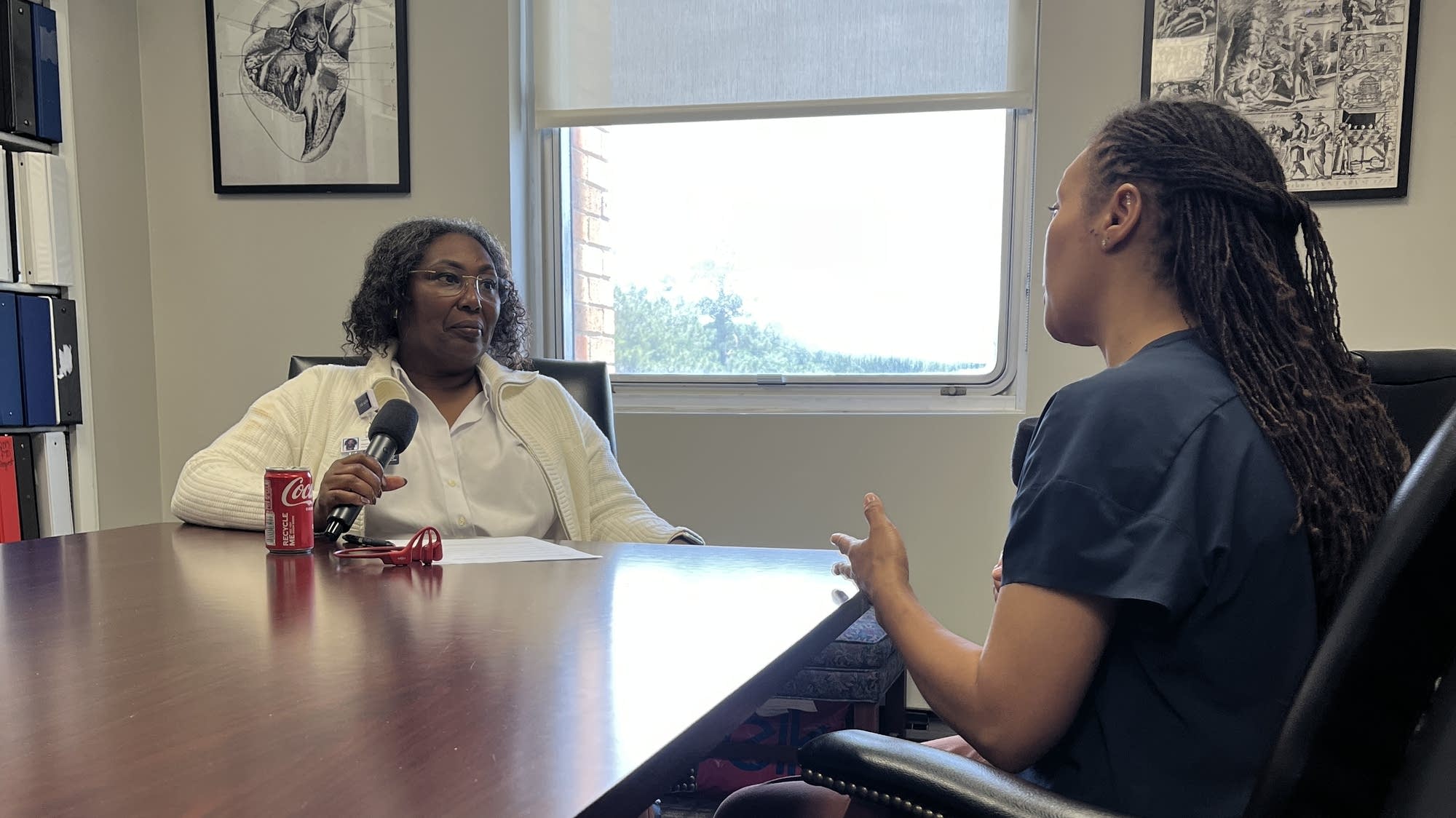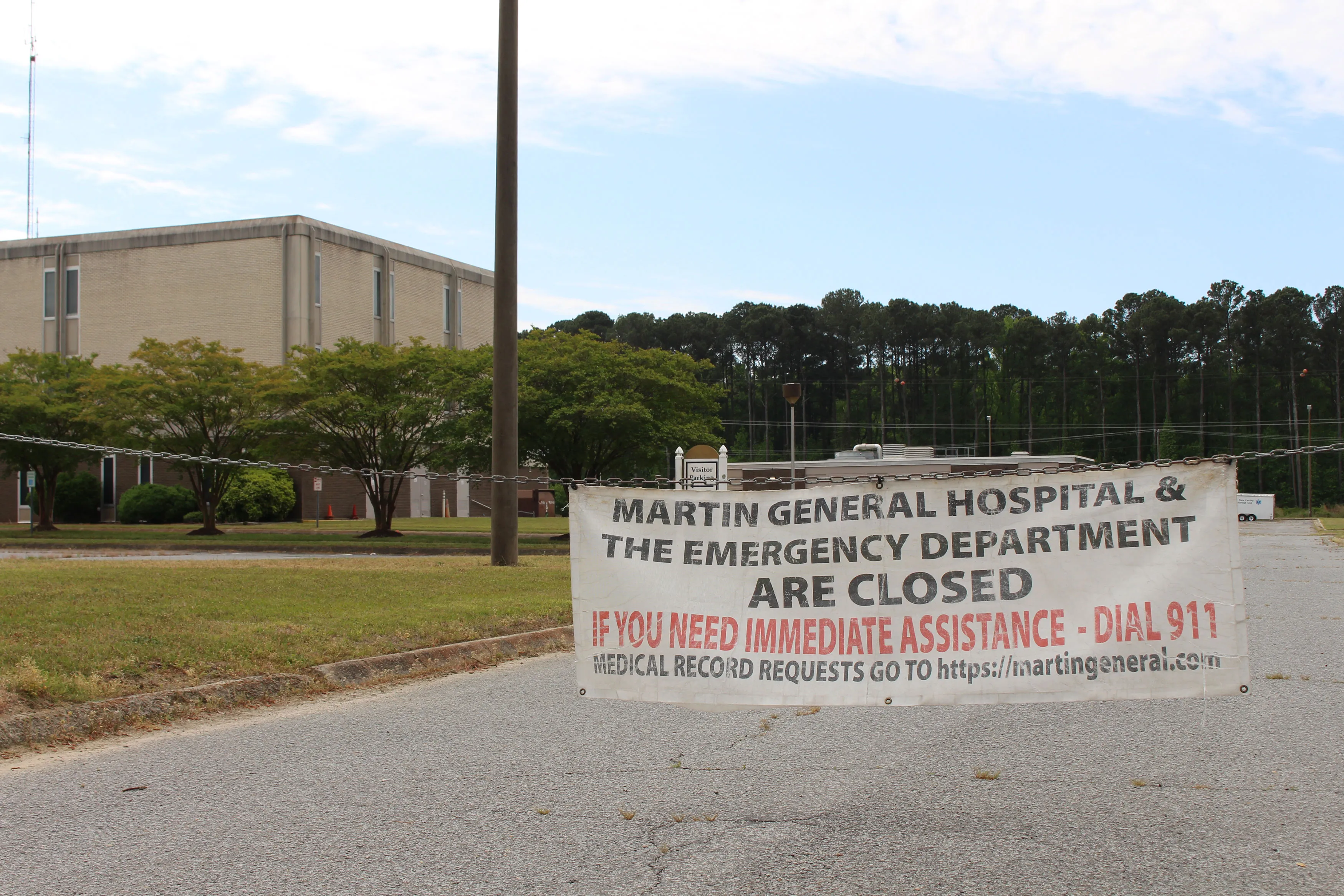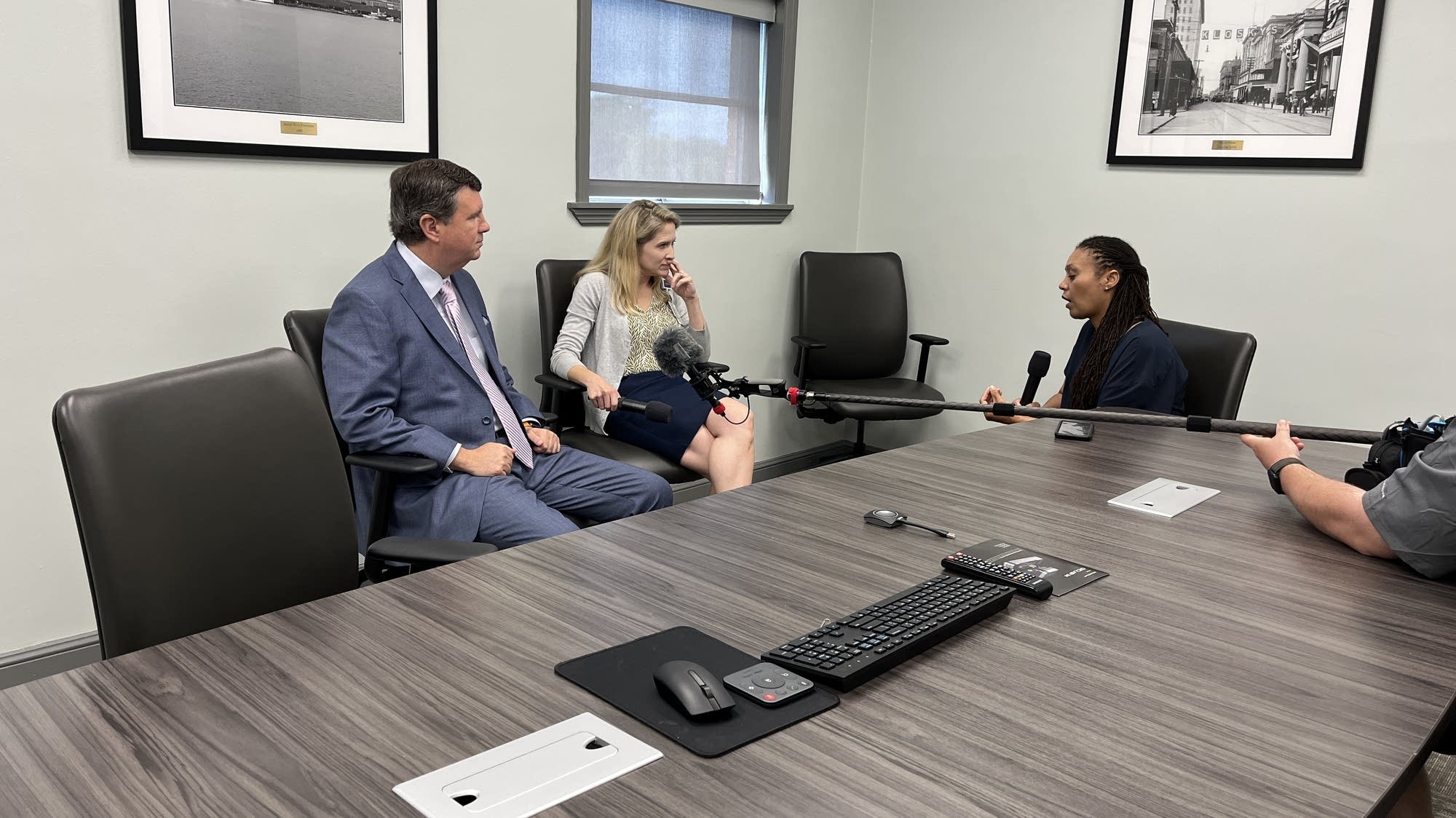
We’re reporting on how changes in federal policy show up in rural healthcare. And what that means for the economy wherever you are.We spent the beginning of this week hearing from rural Alabama communities about their longstanding challenges accessing healthcare, and how they might get worse because of policy changes from the federal government — namely President Trump's big tax and spending law. So how are hospitals preparing for that? Are there solutions in sight? And what role can larger hospitals play lending a hand to smaller, rural communities?“Marketplace Morning Report” host Kimberly Adams visited University of South Alabama Health in Mobile to get a better idea, speaking with Nathan Tudor, regional administrator, and Liz Walker, executive director for telemedicine and rural initiatives. What are some examples of how they've been able to help rural hospitals so far?Liz Walker: So, as you know, healthcare billing is very complicated. And, sometimes, intentionally so by payers. And so you have to really go through and review how you were doing your coding to make sure that you're capturing all the work, so that you can can get the revenue from that work. So we provide those sorts of support services for them.Kimberly Adams: I was looking at a chart with another physician yesterday about just sort of something like OB-GYN care, and how few places there are in Alabama compared with, say, 30, 40 years ago to get that kind of care. Can you talk a bit about what it's meant for people in Alabama to have to go further and further to get preventative care, OB-GYN care, as some of these places have closed down or reduced services?Nathan Tudor: A lot of that burden always is going to fall back to the local hospital in some way, shape, or form. And usually in the emergency department.Walker: We’re working on some additional training for the staff in the ERs. So that when those moms come in with an imminent delivery, they are better prepared to support her, and hopefully have a healthy baby born.Adams: I do want to go back to a year on from the One Big Beautiful Bill Act. And people were warning across various sectors that there was going to be a big impact on rural healthcare as a result of some of the changes from this legislation. Have you seen any of that?Tudor: I don't think we’ve fully realized all the cuts.Walker: I don't think so yet.Adams: What are you anticipating coming down the pipeline based on what you know about how some of these changes might play out?Tudor: I think that for you to be successful in this environment — and this is where I think rural hospitals will rise to the occasion — it's going to require people to be efficient, more efficient, do more with less, and I think we're already pretty good at that.Adams: Does that mean you do think that there's going to be less coming? Because some folks have told me that, because Alabama never expanded Medicaid in the first place, that maybe the hit won't be as severe here. But it sounds like if people do need to be a bit more efficient and do more with less, you're expecting that there's going to be some kind of reduction coming down the pipeline?Walker: I think both are true. I think that probably being a non-expansion state buffers us a little bit. But we've also just been paying the price of that all along, right? I mean, I think there's there's going to be less money put into the system, and so big picture that means there's going to be less money coming into our facilities.Adams: It's kind of wild to me that you two are the top experts on these things in the area, and we're getting pretty close to these changes actually kicking in, and there doesn't seem to be clarity on how it's actually going to work.Walker: Our discussion this morning was, if something fundamental were to change… I don't know that then the system could respond quickly enough. If they do that, and half of the rural hospitals close, what happens then? Because they're not going to reopen. They can't, right? I mean, there’s just — the facilities are too old. That's the scary part to me is, you can make a change, but then even if you make a change to reverse it back quickly, or to respond, can it be quick enough?
How healthcare is preparing for Trump's tax and spending law
The policy is projected to have major implications for rural healthcare in particular. Here’s what we’re hearing from healthcare administrators, and how they can prepare.
TL;DRAI
Trump tax law threatens rural Alabama hospital closures; South Alabama Health supports facilities with billing optimization and emergency training. Rural consolidation risks telemedicine coverage gaps; digital health infrastructure needs efficiency redesign amid uncertain federal policy fallout.
746 words~3 min read