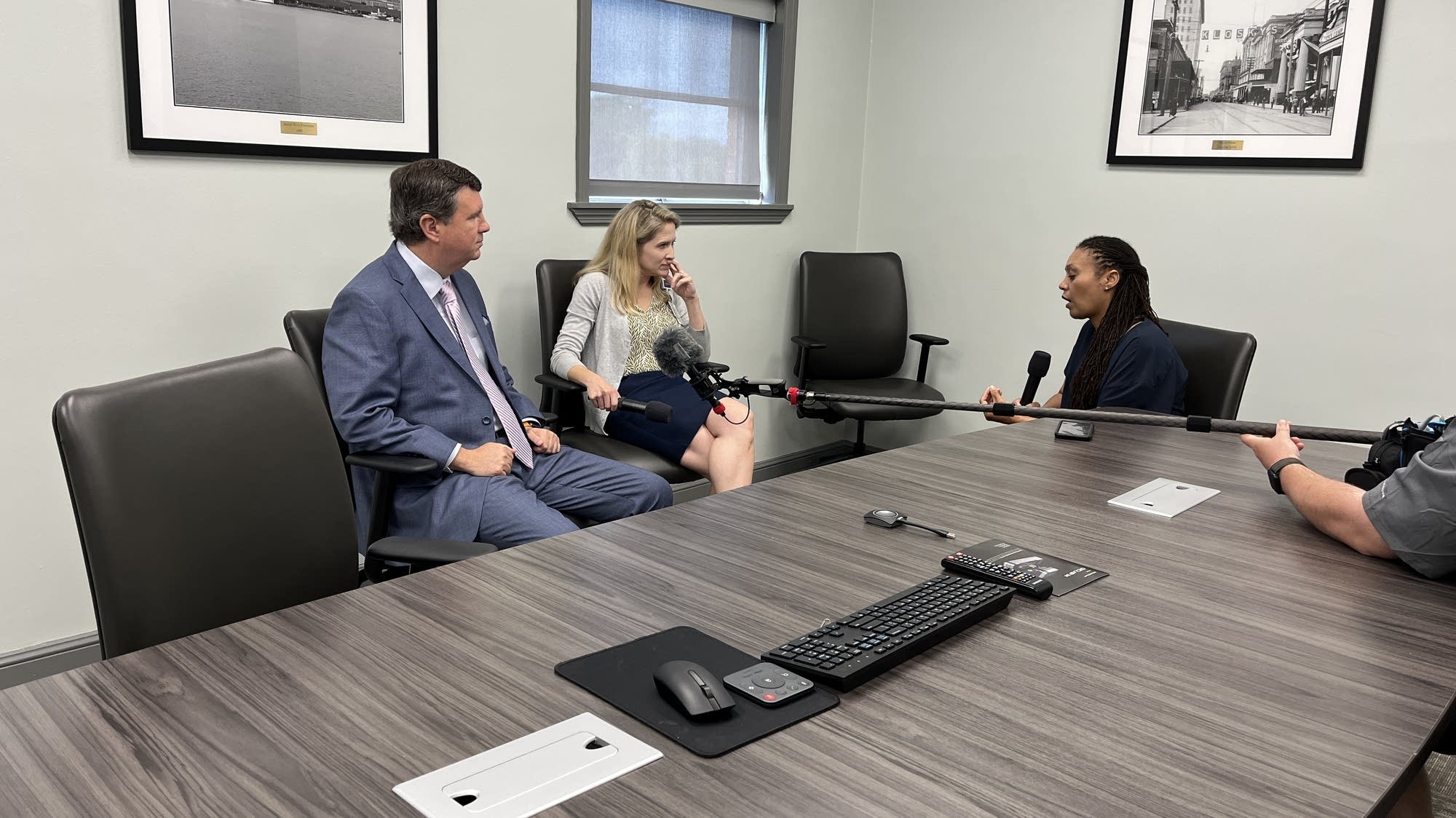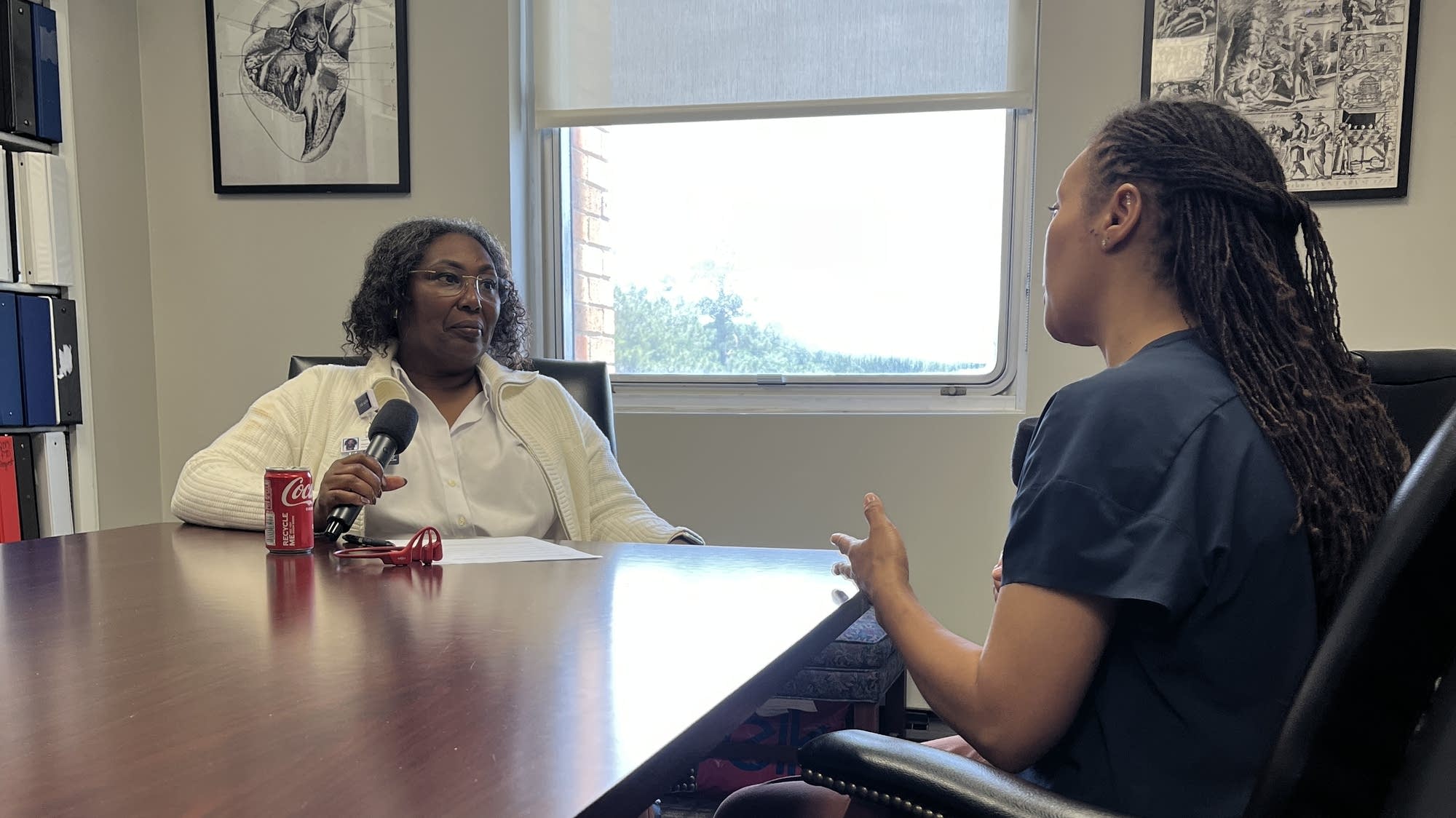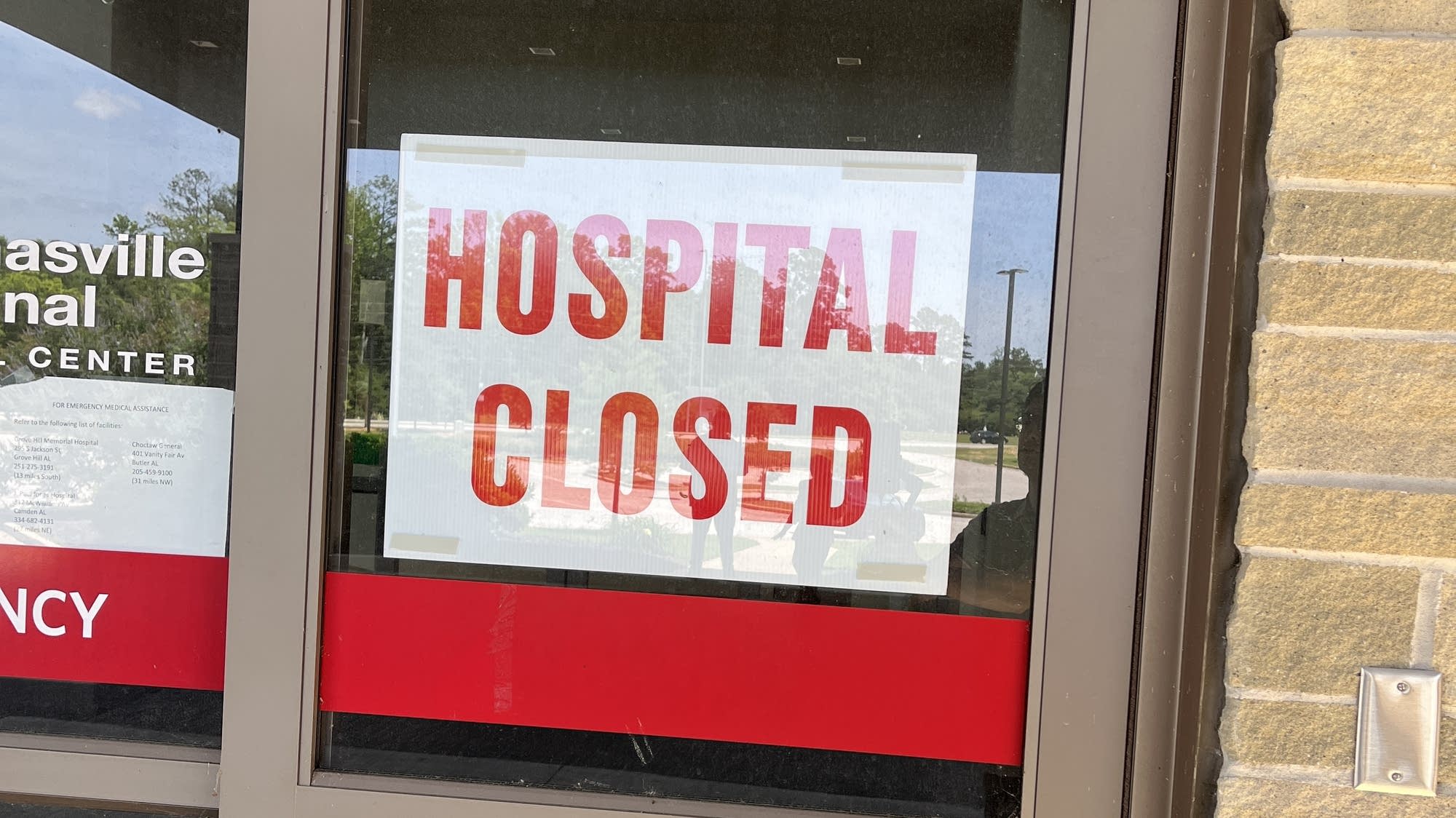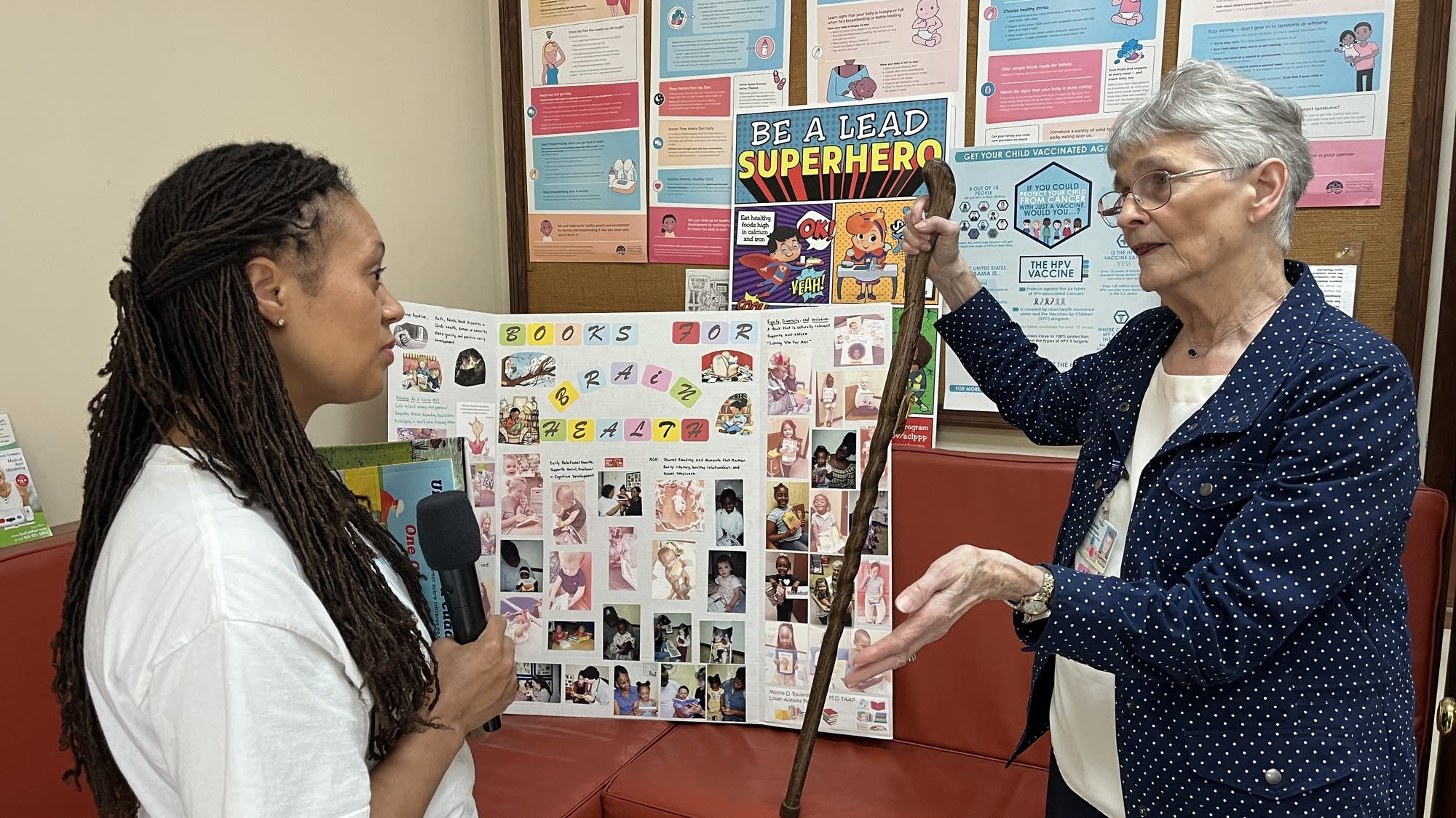
We’re reporting on how changes in federal policy show up in rural healthcare. And what that means for the economy wherever you are.We’ve been talking all week about the headwinds facing rural healthcare. One of the reasons we traveled to Alabama was because it’s been almost a year since President Trump signed his big tax and spending law, which many experts predicted would put additional strain on an already thinly-stretched rural healthcare infrastructure.Over the decades, Dr. Marsha Raulerson, a pediatrician in Brewton, Alabama, has seen firsthand how rising costs and changing policy shape individual health care choices. We met her on her lunch break one Wednesday afternoon at David’s Catfish House. She’s a pediatrician who’s been working in the area, about an hour and a half northeast of Mobile, since 1980.We met Dr. Marsha Raulerson for lunch at David's Catfish House.Alex Schroeder/MarketplaceAnd she keeps a list of cases where she says patients’ lack of access to — or ability to afford — healthcare cut their lives short. “Forty-seven-year-old, died with congestive heart failure related to chronic kidney disease and type 2 diabetes. He was 47,” Raulerson recounted. “He's part of our workforce, right? He's 47. He's part of our future. He’s a father, maybe even a grandfather. And now he's 47 and he's not with us anymore. And it's a loss not only to his family, his children, but to the community.”According to the health policy nonprofit KFF, changes from the One Big Beautiful Bill Act will lead to a hit of almost $140 billion to rural Medicaid funding over the next 10 years.Layer that on top of the expiration of COVID-era subsidies for Affordable Care Act coverage, and you end up with lots more uninsured people.Raulerson said the private market won’t be much of a safety net for the people in her community. “If you get insurance from your company you work for, you may have a $1,000 deductible for each family member, so people just don't get care,” she explained.But if they show up sick in the emergency room, hospitals still have an obligation to treat them. That translates into more than $690 million in uncompensated care in the state every year, according to the Alabama Hospital Association.The One Big Beautiful Bill Act does include a $50 billion fund specifically for rural health care. “I think that it's a great idea, and that healthcare transformation is certainly what is needed,” said Liz Walker, executive director for telemedicine and rural initiatives at University of South Alabama Health in Mobile. The state is slated to get $200 million from the Rural Health Transformation Program. But it won’t go towards plugging the funding holes for hospital operations.“It is incredibly difficult, and it's difficult to transform all the complex operations that go into providing care,” Walker said.Nevertheless, she and her team did submit ideas for how to use this money and are waiting to hear back. Meanwhile, they’re coming up with other solutions.“Partnerships are going to be really important moving forward, because these small independent hospitals, they really don't have the leverage that larger organizations have,” Walker said. “And so any way that we can partner to create that leverage for them is going to make them more sustainable.”
When policy impedes healthcare, what are the solutions?
Yes, there’s money on the way from the federal government. But communities and healthcare systems are also taking things into their own hands.
537 words~2 min read