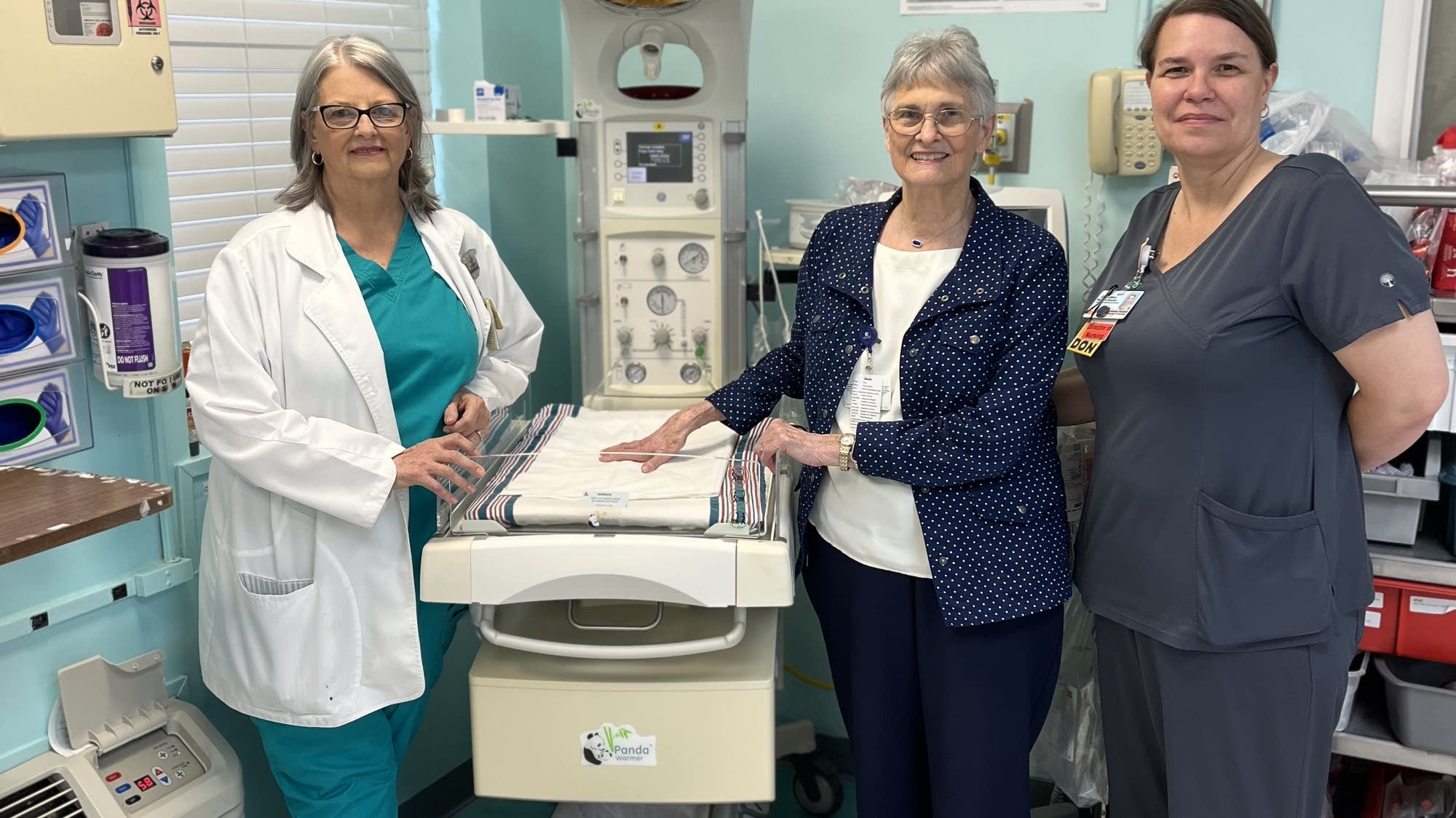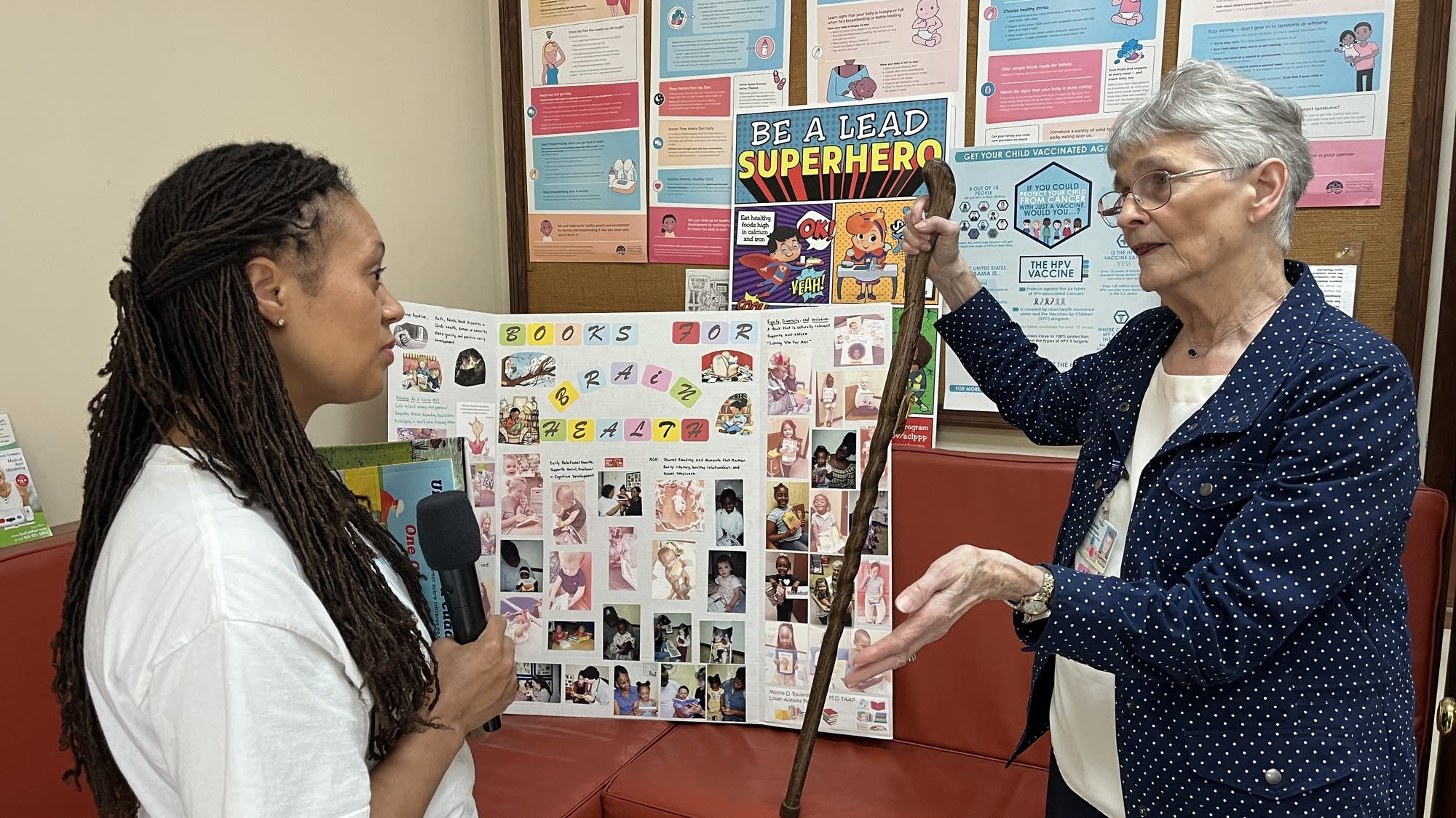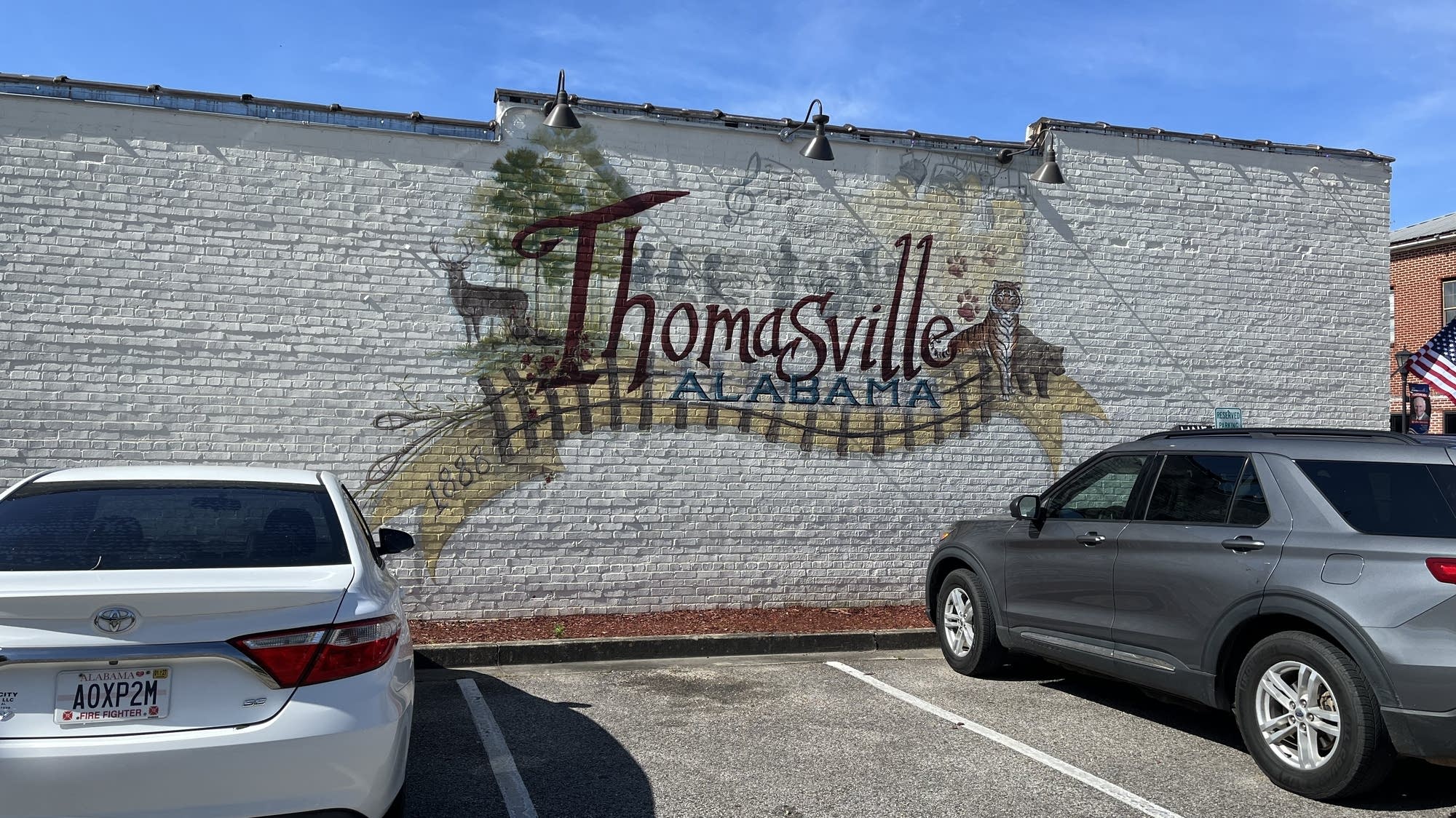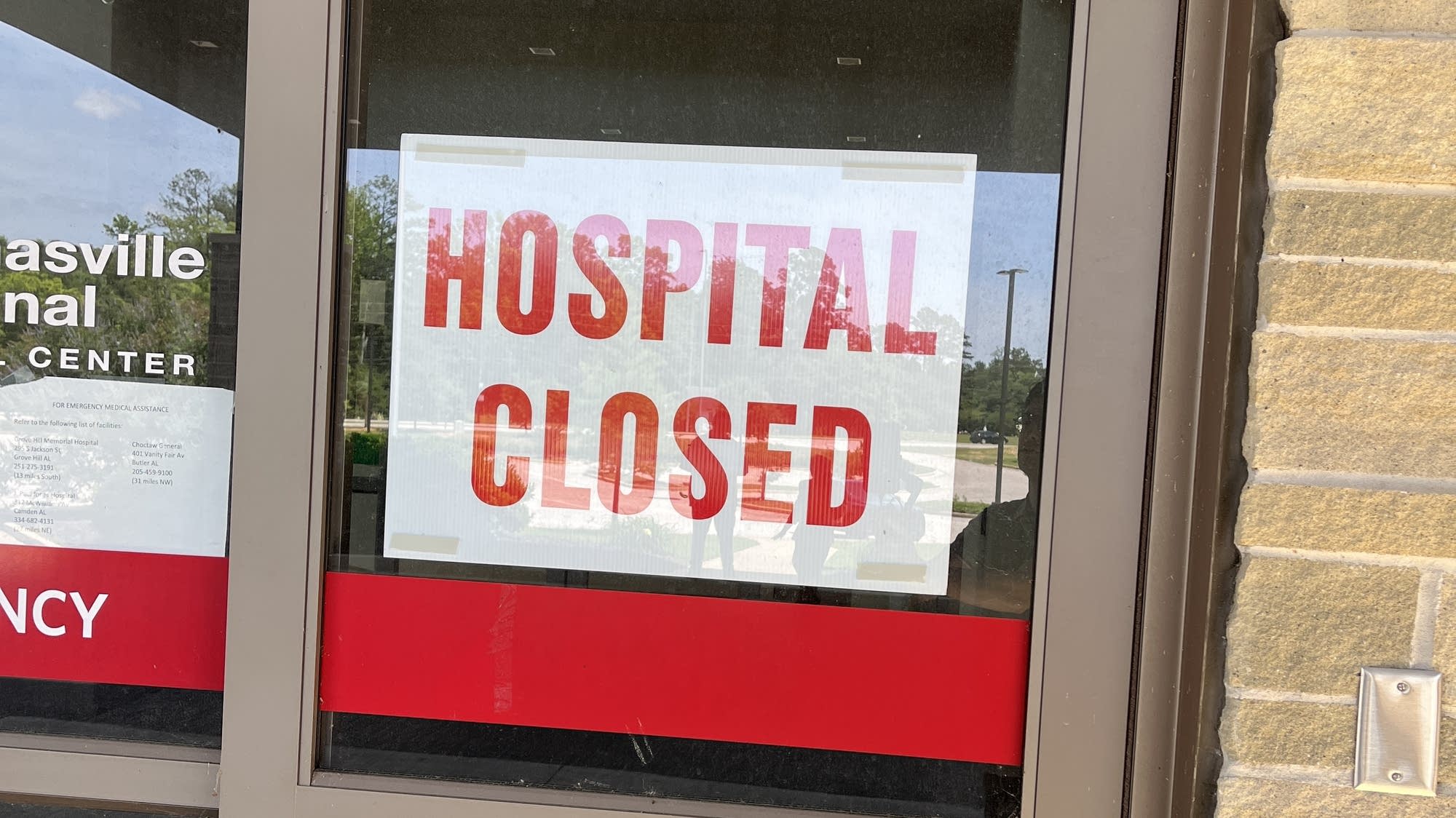
We’re reporting on how changes in federal policy show up in rural healthcare. And what that means for the economy wherever you are.We started our series on rural healthcare with a visit to a shuttered hospital in Thomasville, Alabama, about an hour-and-a-half north of Mobile. It’s in part a look at how policy at the federal level can contribute to financial trouble at the community level. But as we were talking to people, there was one issue in particular that kept coming up:“In Alabama, we got the lowest reimbursement rate in the nation — the lowest in the nation,” Thomasville Mayor Sheldon Day told us.“If you look at the demographics of Brunswick, Georgia, and look at the demographics of Thomasville — very, very similar, isolated rural areas. Brunswick, Georgia, gets 90 cents on the dollar reimbursement; we get 65.”Why?“I'm glad you asked that question,” Day said. “Because that's the question I keep asking. Why is the formula slanted that badly? Thirty years ago, pretty much every hospital in our region was delivering babies. Now, there are zero. Zero. And in my opinion, a lot of the costs have escalated because of the way we reimburse from a national level.”Hospital insurance reimbursement is very technical. But the simple version is that for older Americans on Medicare, the federal government decides how much it will pay for medical services. It’s based, essentially, on wages in a given area.Wages are pretty low in Alabama compared to elsewhere in the country. So the Medicare reimbursement rates are relatively low, as well.“And your commercial rates are set off your Medicare rates. So when you start with a low number, everything progresses from there,” said Liz Walker, executive director for telemedicine and rural initiatives at the University of South Alabama health system in Mobile.That means private insurance, Medicaid, and the Children’s Health Insurance Program — all relatively low. And those low reimbursement rates shape how much doctors and nurses get paid, and how much money hospitals and clinics can make.Walker said one reason it’s so hard to fix this system is that it’s effectively a zero-sum game. “It's a set amount of money that the federal government is going to put towards this number. If our wage index goes up, someone else's is going down,” she explained.From left to right at D.W. McMillan Memorial Hospital: Martha Dawn Singleton, neonatal nurse practitioner; Dr. Marsha Raulerson; and LeAnne Rowell, director of nursing.Alex Schroeder/MarketplaceWe also met Dr. Marsha Raulerson — a pediatrician of more than 40 years — in Brewton, Alabama, an hour-and-a-half from Mobile.Over a lunch of catfish, grits, and fried green tomatoes, she expressed similar frustrations about the low reimbursement rates. “It has to do with some formula that I don't understand at all, that has to do with the makeup of your state,” Raulerson said. “But it doesn't make sense anymore.”So what are the solutions? There is money set aside for rural hospitals in the big tax and spending law President Donald Trump signed last year, and Alabama is getting just over $200 million.But it’s not going to boost the rates or even shore up the operating costs for rural hospitals. “I don't want to disparage it, but it's pie in the sky,” Raulerson said. “Did anyone talk about how important it is that we get paid fairly from Medicare patients? Did anyone talk about the fact that so many people don't have insurance and don't come in until they're really, really sick? Is there anything in this document that's going to change that? Those are our problems.”
Insurance reimbursement rates are an uphill battle for Alabama healthcare
Medicare reimburses Alabama at the lowest rate in the nation.
592 words~3 min read