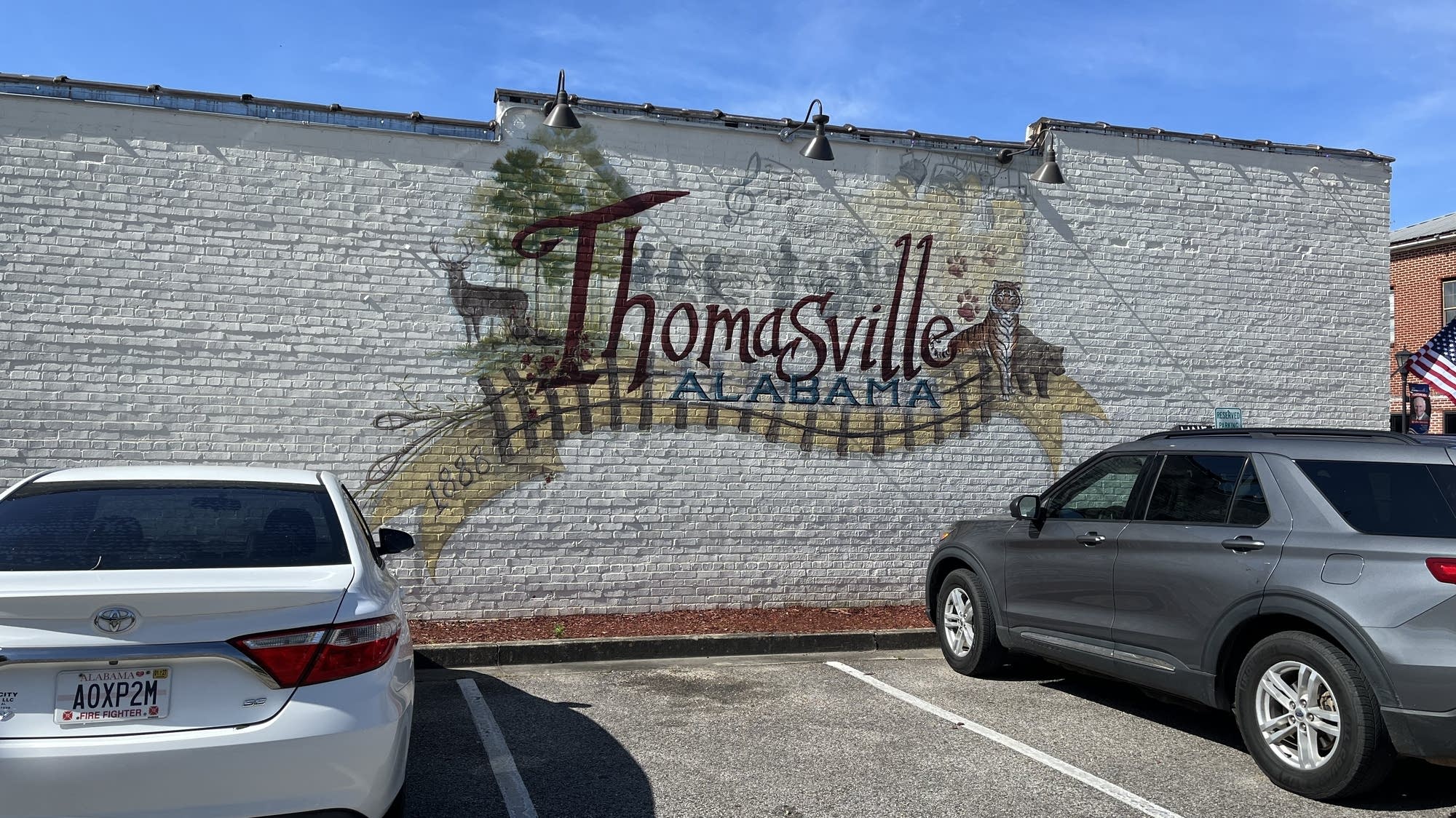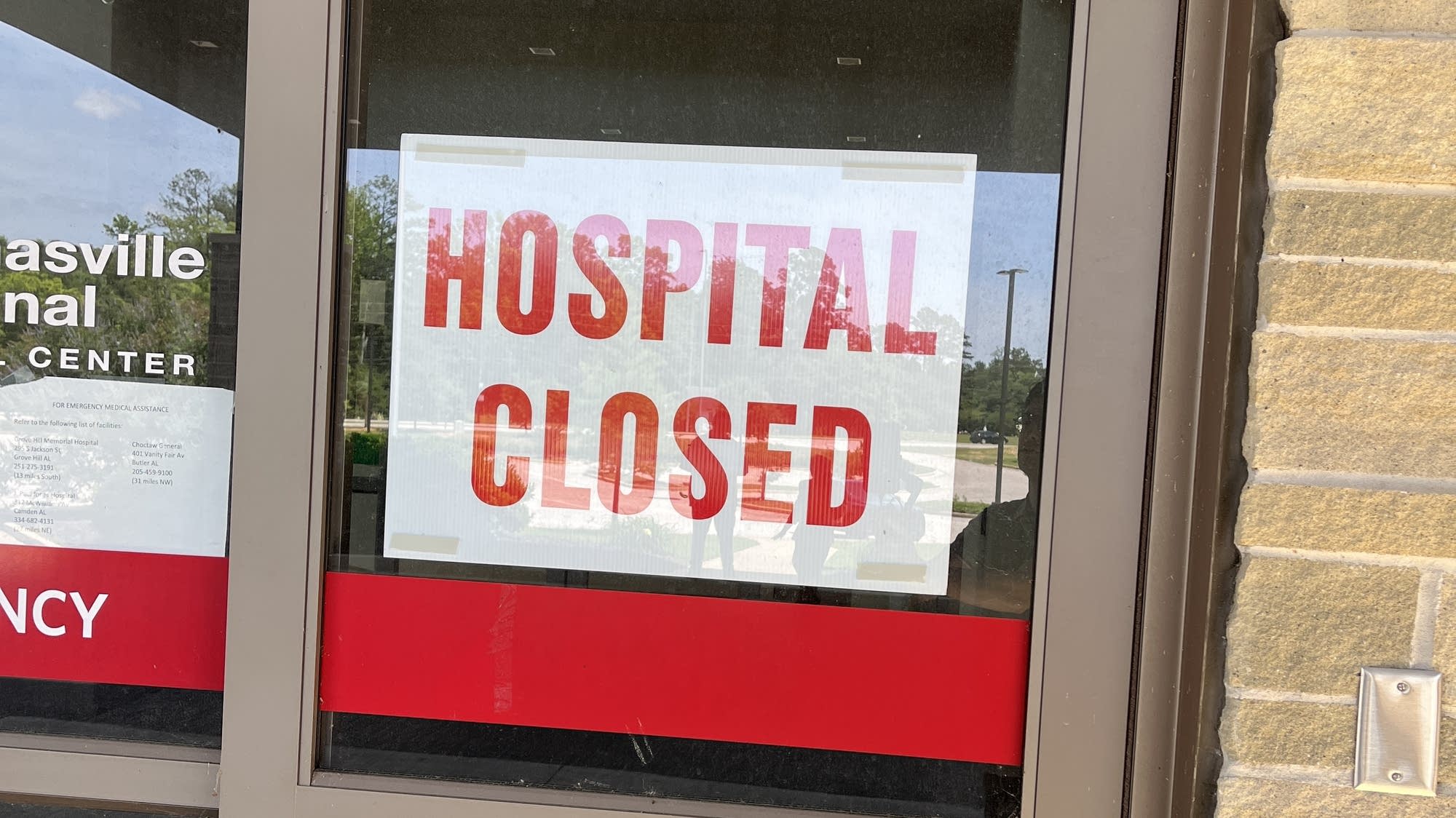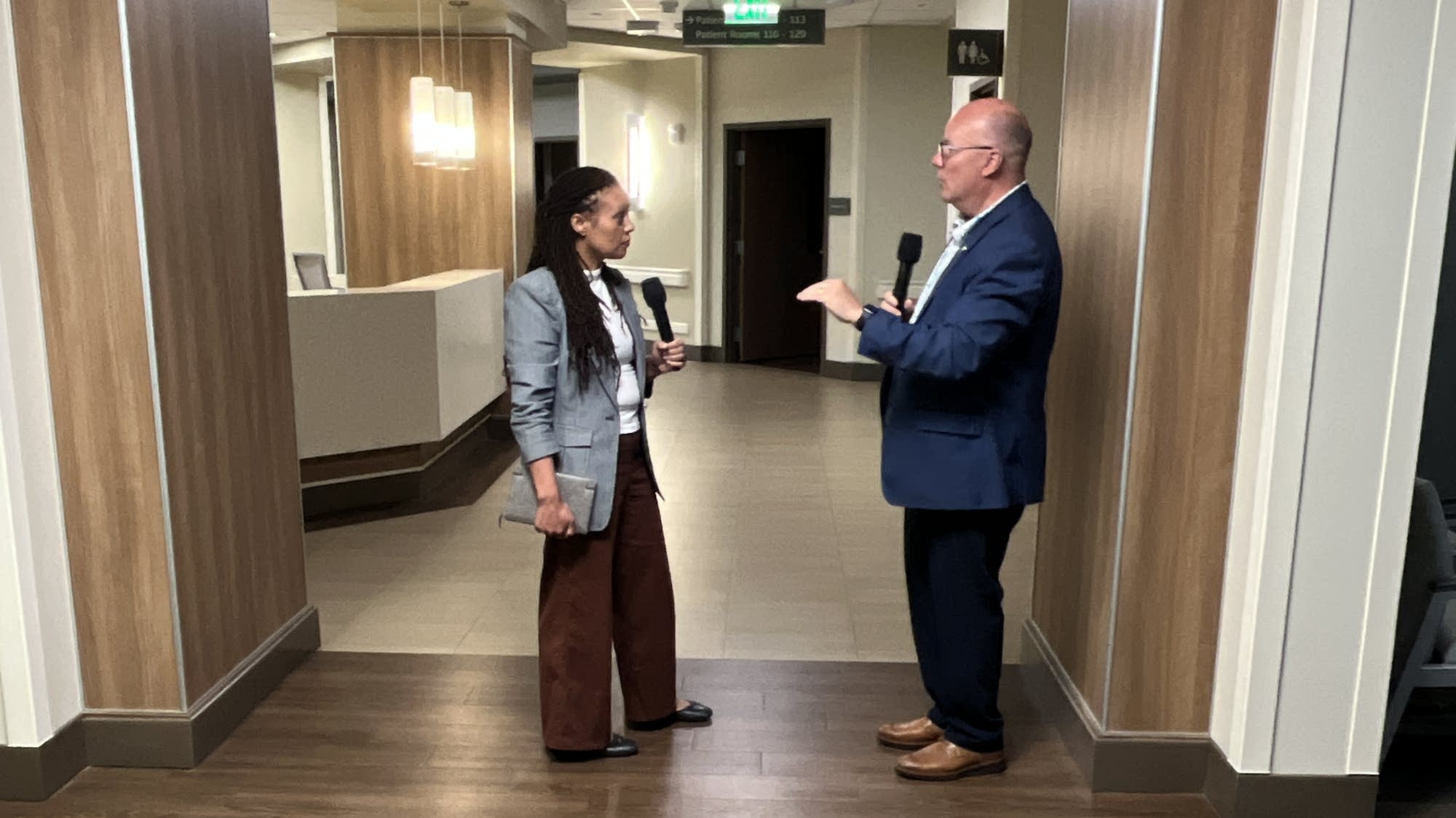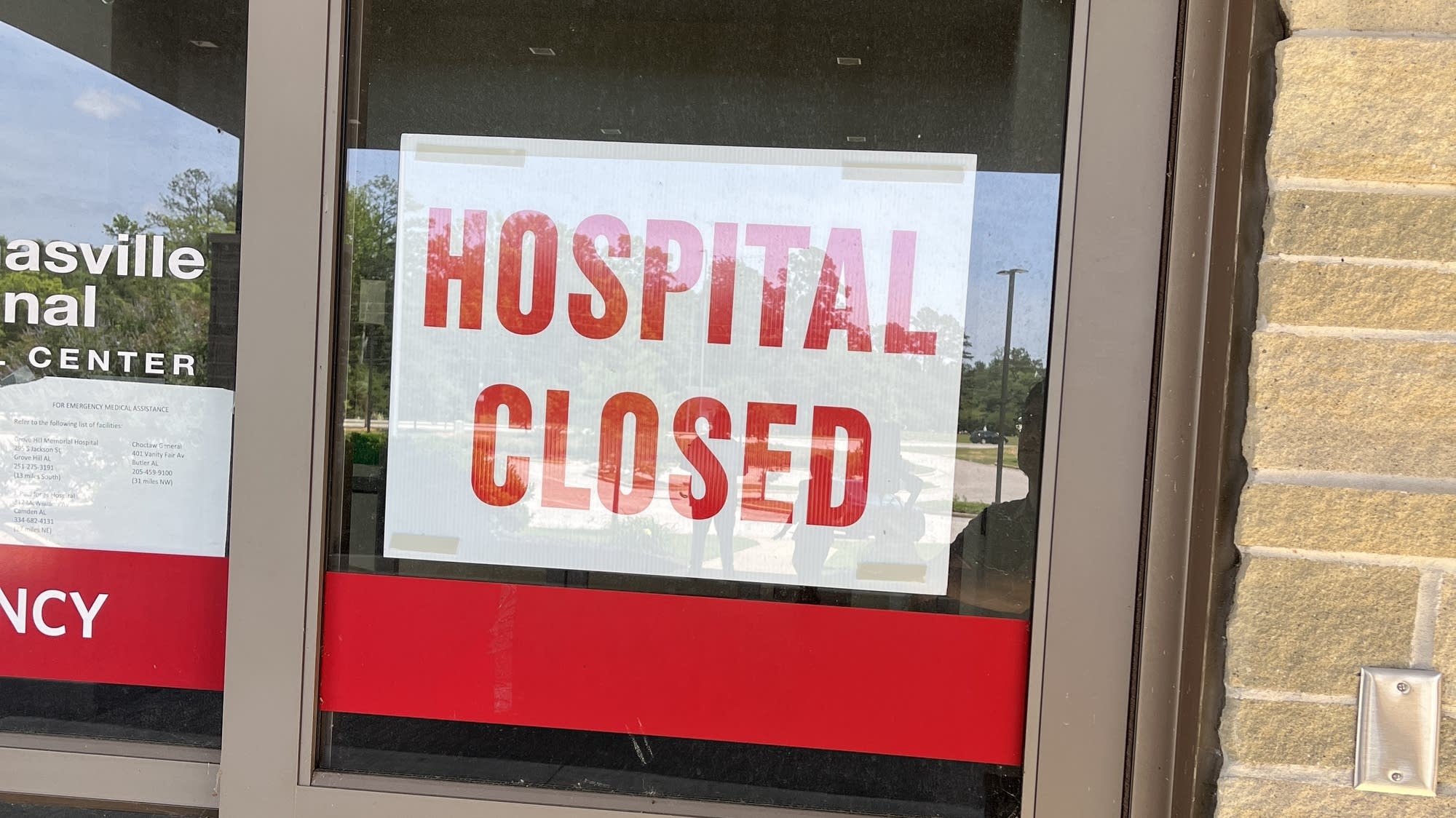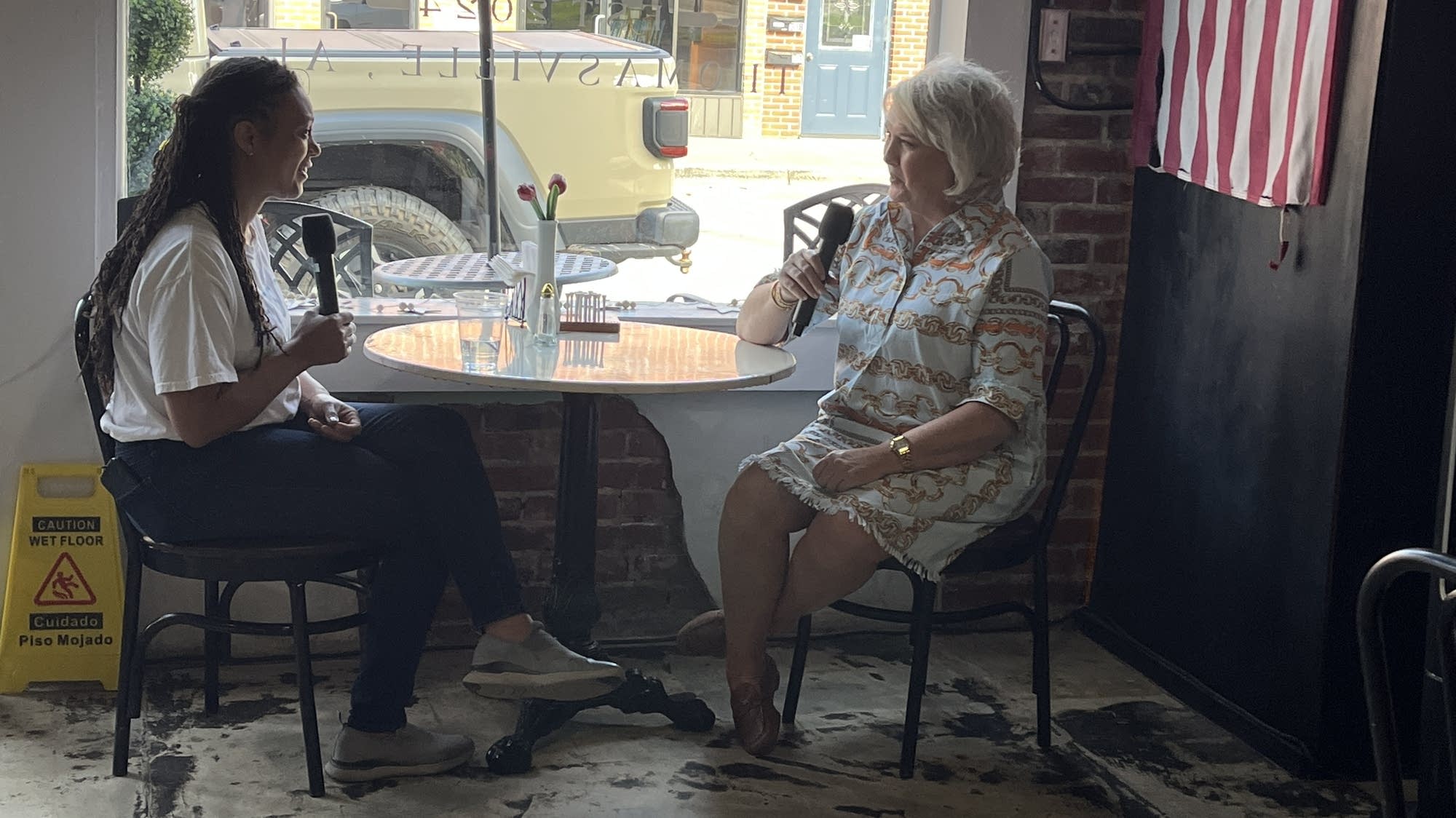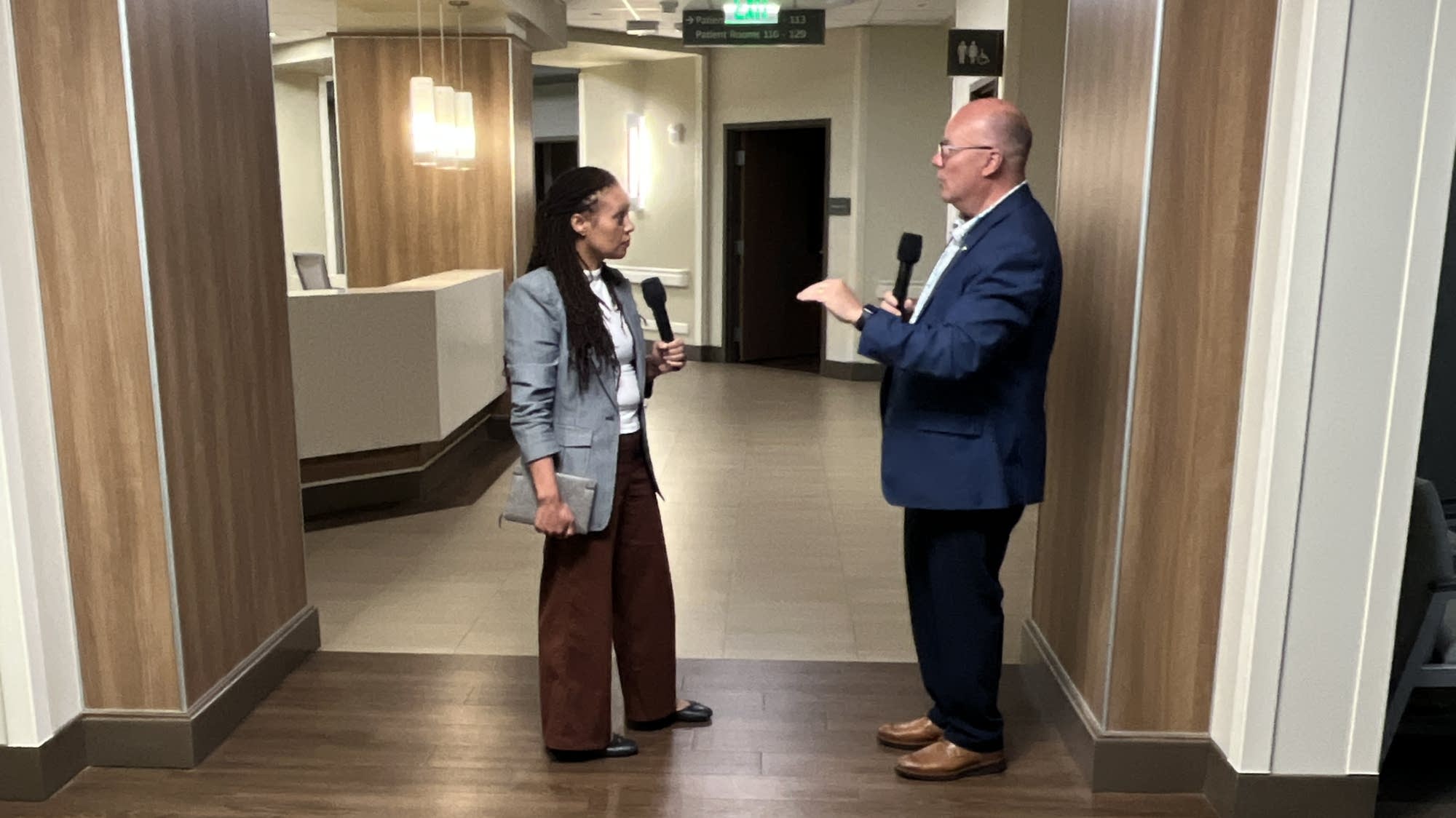
We’re reporting on how changes in federal policy show up in rural healthcare. And what that means for the economy wherever you are. In rural communities around the U.S., there are about 700 hospitals at risk of closure, according to the Center for Healthcare Quality and Payment Reform. Twenty-five of them are in Alabama, a state already familiar with that risk, along with what happens to a community when it becomes a reality.Inside the Thomasville Regional Medical Center, it’s almost as if you’re just walking through on an early morning before it’s about to open. There’s still paper on all the exam chairs, ready for a check-up or doctor’s visit.In reality, the hospital is frozen in time, and it’s been closed for almost two years. The bright reception areas, brand new surgery facilities, and the only in-house MRI machine for dozens of miles are all empty.An empty exam room in the Thomasville Regional Medical Center, which has been closed for almost two years now.Alex Schroeder/MarketplaceSheldon Day, the mayor of Thomasville, was our tour guide when we visited the town about an hour and a half north of Mobile. It’s situated in Alabama’s 7th Congressional district, an area with some of the lowest life expectancies in the entire country.That’s why Day told us Thomasville needs its hospital. “We have a primary care clinic here with all the bells and whistles. We were the only hospital in the region that did 3D digital mammograms. The only thing you're missing is patients,” he said.The medical center closed in 2024, less than five years after it opened. The COVID-19 pandemic was a major factor. Like so many hospitals around the country, Thomasville Regional shut down elective and nonessential care, which the mayor said made up something like 75% of the patient volume here.But when the hospital was open, there were also patients like this one.“We had a young lady who had a heart condition,” Day said. “Basically, one of her aorta tore, and they brought her here. Any other hospital would not have been able to see what we saw, but because of our advanced diagnostics, they had a surgery team waiting on her as soon as she got to a facility in Mobile, and her life was saved. Today, she’s got two children, active family here in our community, business owners in our community. And that’s just one example. If she had had that last month, while this hospital was closed, she would’ve died.”Mayor Day has given dozens of tours to prospective buyers and media over the last couple of years, trying to get the hospital reopened.But the financial headwinds facing rural healthcare in the U.S. are made up of more than just the lingering impact of COVID. And those headwinds are getting more intense because of recent federal policy decisions: cuts to Medicaid, increased work requirements, and disappearing subsidies. In Alabama, the state hospital association says more than 80% of rural hospitals are operating at a loss.“Many of the buyers that looked at the facility, they absolutely were foaming at the mouth to buy it,” Day said. “And then they go work the numbers, and they go, ‘Ah, don't think we're going to do it.’“Despite the tough math facing rural hospitals everywhere, Mayor Day has a solid sales pitch: “It's ready to go. I mean, that's one thing I think that is attractive to people who are looking and considering purchasing the facility here,” he said. “They've put probably in the neighborhood of about $100,000 a month to maintain the facilities.”Plus, the hospital is a bargain. The mayor says the price tag is around one-fifth of what it would cost to build and open a similar facility today — about $12 million instead of something like $60 million.But Thomasville is being very careful about finding the right buyer.“There are a lot of folks going around basically bottom feeders, trying to collect up a bunch of rural hospitals,” Day said. “And many of them are buying them, converting them to rural emergency hospitals, which they get a better reimbursement, but you do not have the same level of care.”And reopening also means rehiring. The mayor said more than 100 jobs were lost when the hospital closed.“Many of the folks who were here want to come back,” he said. “We talked about the other facilities in our area beginning to convert to rural emergency hospitals. Well, that means they're not doing [medical-surgical] anymore. Some of those nurses will want to come here. And we had people that worked here for three weeks without a salary because they wanted to make a difference here.”The Thomasville Regional Medical Center opened in 2020, but closed less than five years later.Alex Schroeder/MarketplaceThe need clearly remains. The facilities manager told us sometimes people still drive up to the hospital during emergencies, before the signs on the locked doors to the emergency room entrance inform them they have to take their crisis somewhere else. “Anywhere I go, the No. 1 question is, ‘Tell me about the hospital. Any progress?’” Day explained. “The multiple stories that I have are people who — ‘Hey, we're thinking about moving back home, but we need healthcare for Mama.’ Or just recently had a minister in our community, but her husband has a lot of health issues, and the No. 1 reason they're leaving is because they got to have access to a higher level of care for him.”
In rural Alabama, efforts to reopen the only hospital in town
The Thomasville Regional Medical Center opened in 2020, with state-of-the-art facilities. It closed less than five years later because of financial hardship.
904 words~4 min read