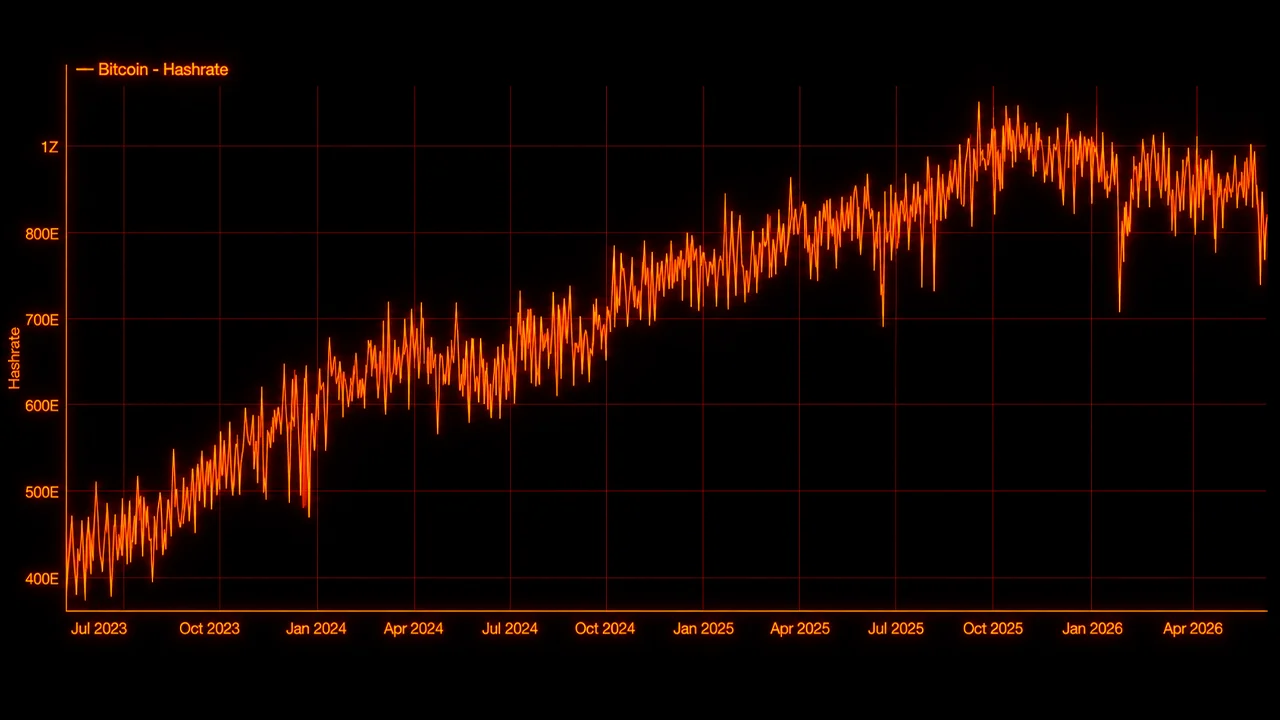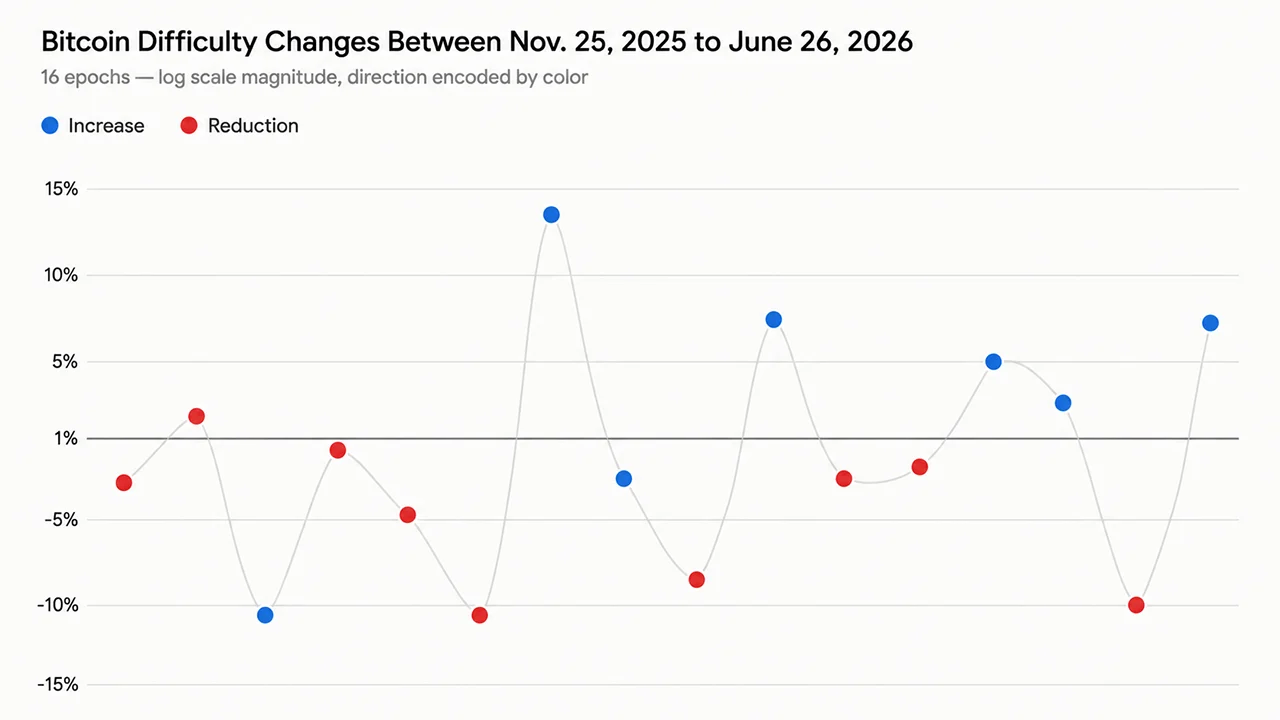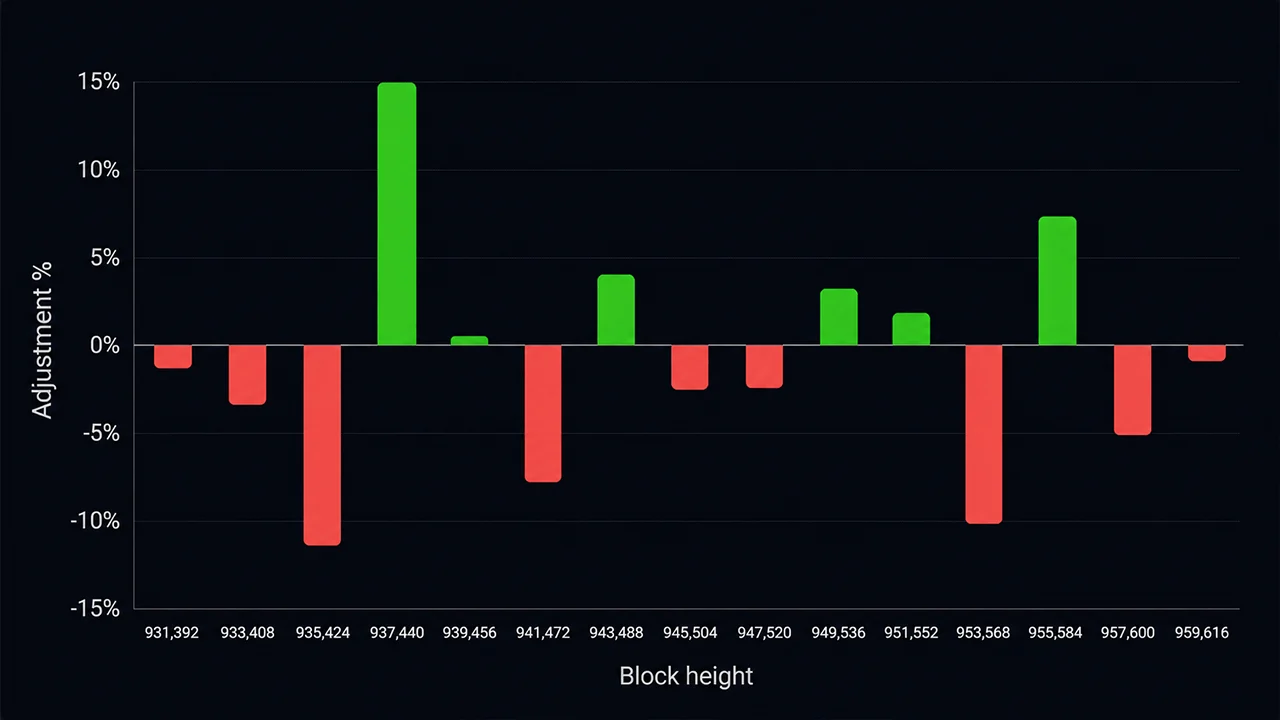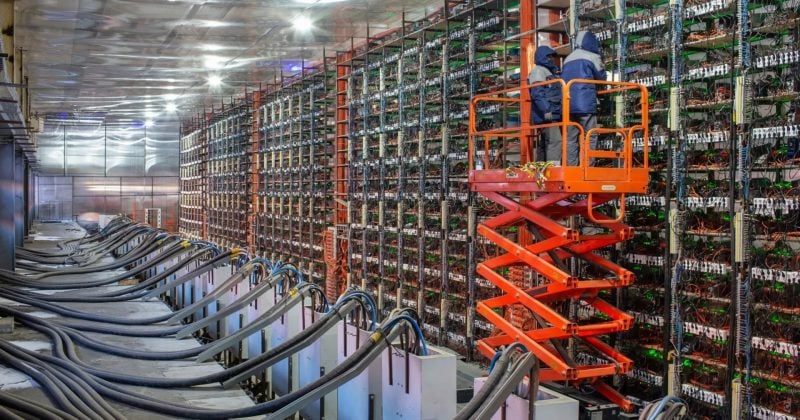
Bitcoin’s mining difficulty is about to take one of its biggest hits in the network’s 17-year history. The adjustment, expected around June 13-14 at block height 953,568, will slash difficulty by roughly 10.3%, dropping it from approximately 138.96 trillion to around 124.25 trillion.
That makes it the 11th largest downward difficulty adjustment Bitcoin has ever recorded.
What’s driving the drop
Every 2,016 blocks, the protocol recalibrates how hard it is to mine a block, targeting an average of one block every 10 minutes. When miners leave the network and blocks start taking longer, difficulty drops. When they pile back in, it rises.
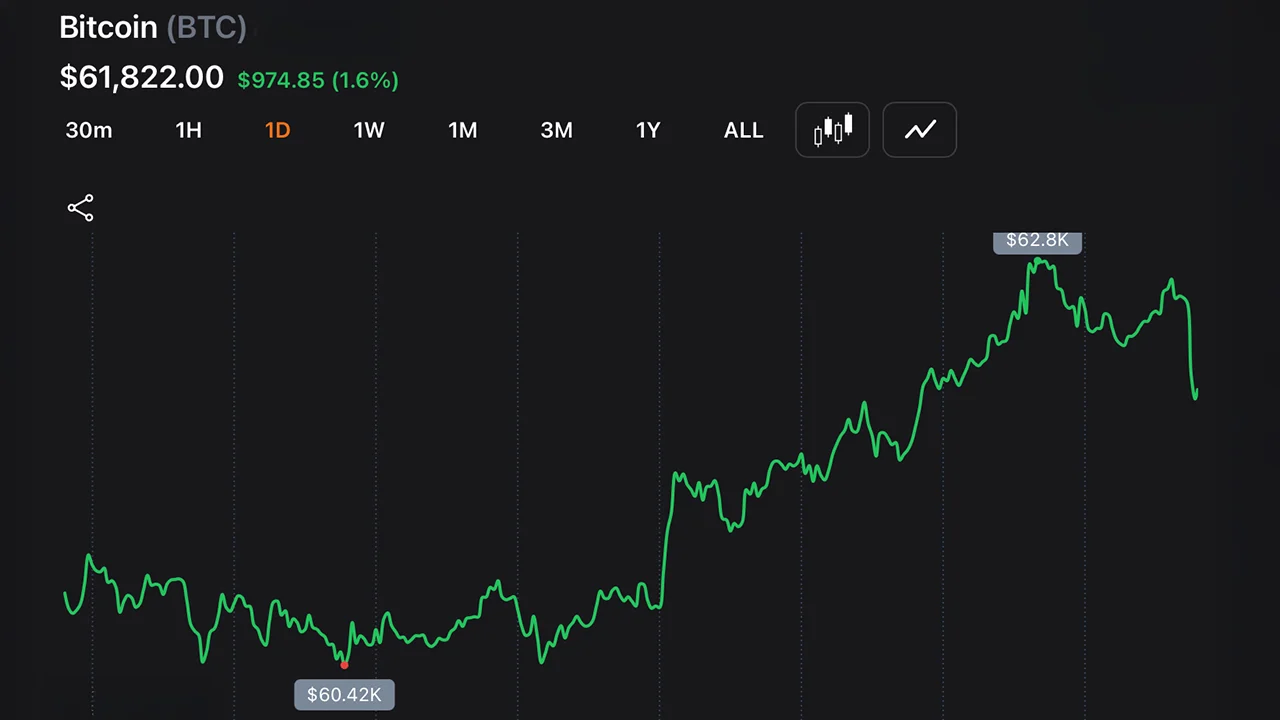
Recently, average block times have stretched past 11 minutes, a clear signal that hashrate has been bleeding off the network. BTC has fallen to around $62K-$63K, a decline of roughly 15% since early June 2026. For miners operating on thin margins, especially those running older-generation hardware or paying higher electricity rates, that kind of price drop can flip an operation from profitable to unprofitable almost overnight.