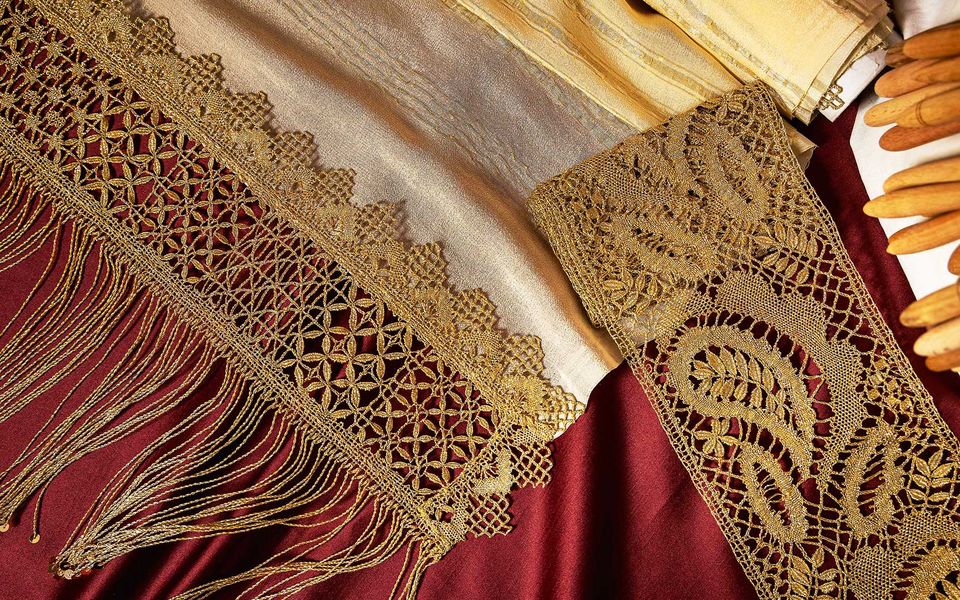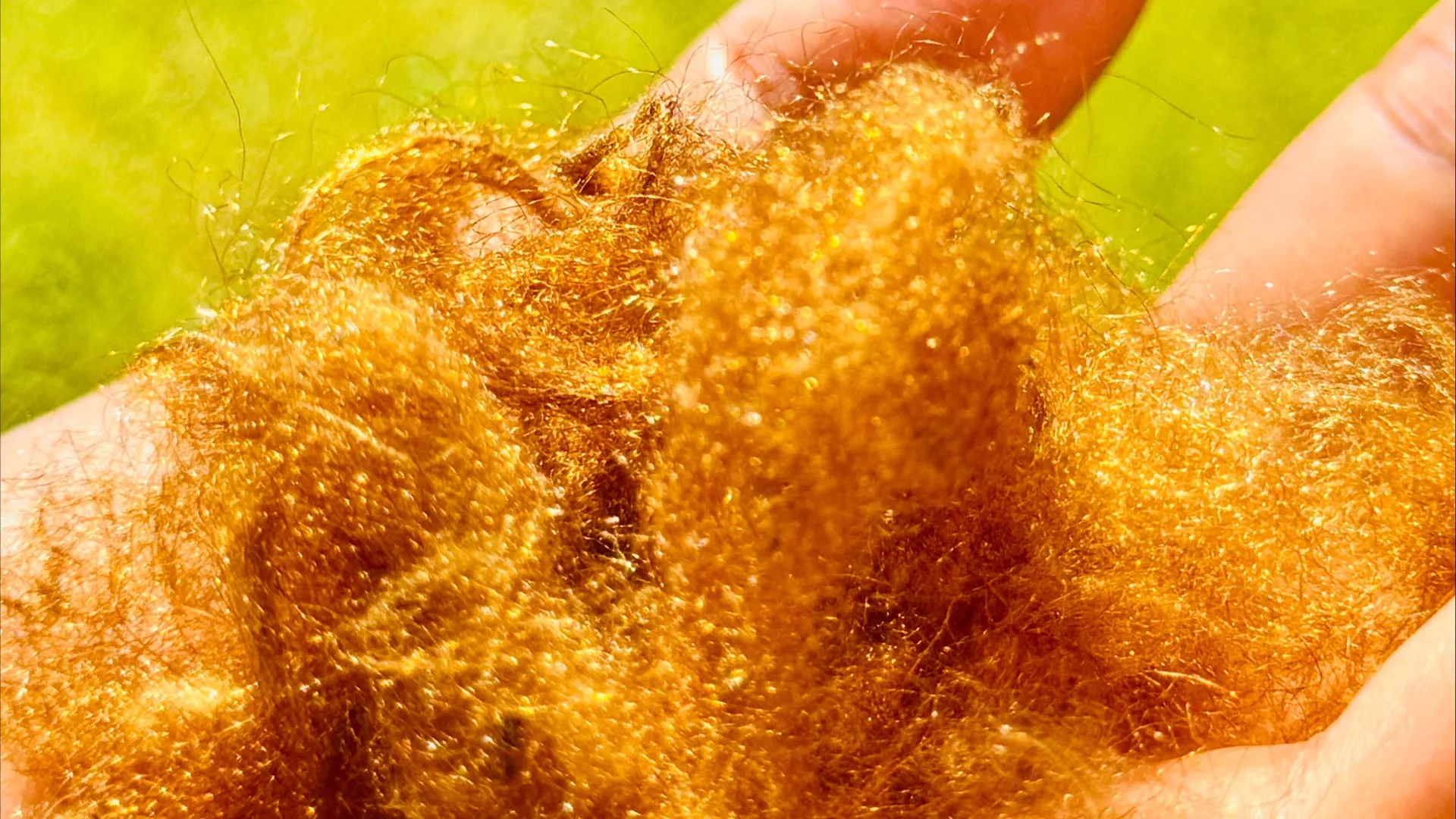
For centuries, a shimmering golden fabric known as sea silk was one of the world's most exclusive luxury materials, reserved for emperors, popes, and other powerful figures. Now, researchers in South Korea have successfully recreated this legendary fiber and uncovered the secret behind its remarkable color.
A team led by Professor Dong Soo Hwang (Division of Environmental Science and Engineering / Division of interdisciplinary bioscience & bioengineering, POSTECH) and Professor Jimin Choi (Environmental Research Institute) recreated a golden fiber similar to sea silk using the pen shell (Atrina pectinata), a shellfish cultivated in Korean coastal waters. Their findings, published in Advanced Materials, not only revive an ancient textile but also explain why its golden appearance remains vibrant over time.
The Rise and Fall of Legendary Sea Silk
Often called the "golden fiber of the sea," sea silk was highly prized during the Roman era. The material was made from byssus threads produced by Pinna nobilis, a large Mediterranean clam that uses these fibers to anchor itself to rocky surfaces.
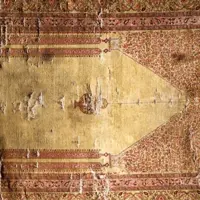
Sea silk became famous for its shimmering golden color, light weight, and exceptional durability. Its rarity and beauty earned it a near mythical reputation. One of the most well known examples is the Holy Face of Manoppello, a religious relic preserved in Italy for centuries that is believed to have been made from sea silk.