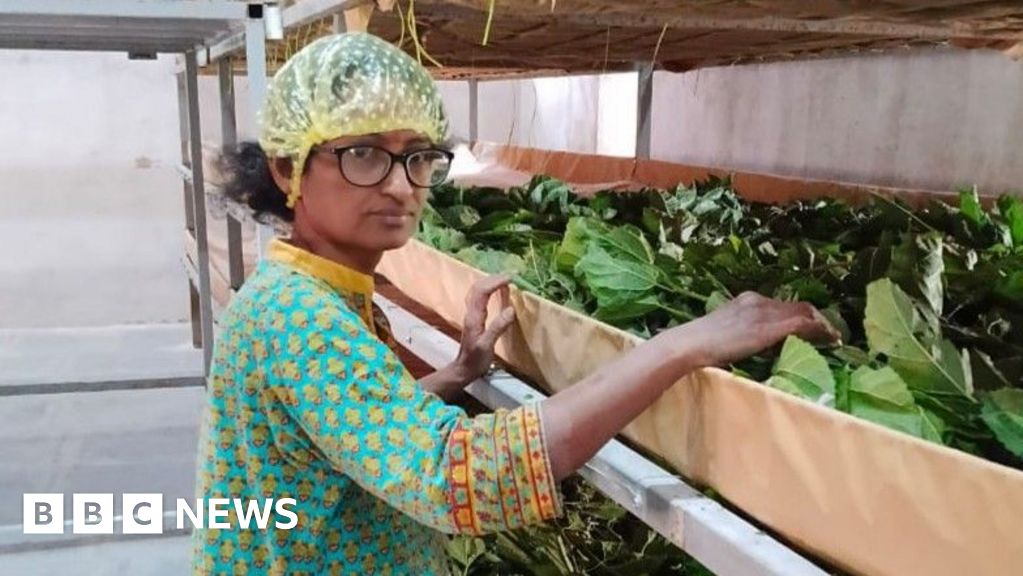
For centuries, silk has been embedded in life along the Silk Road. Valued for its softness, durability and natural sheen, it moved across regions as both a commodity and a cultural marker. Today, that legacy continues through a production system that remains active, manual and closely tied to local expertise.
Margilan and the production process
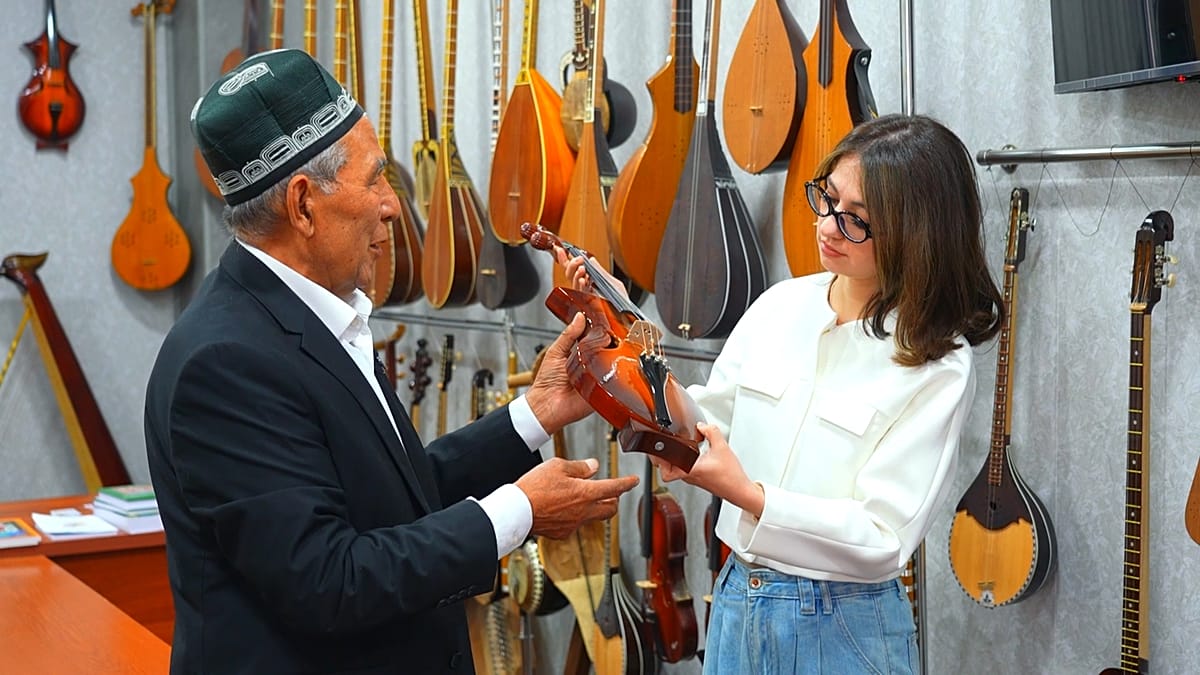
In Andijan, musical heritage is preserved and developed through the work of instrument makers. From the time of Amir Temur to today, instruments have remained central to cultural life, connecting generations of musicians and audiences.
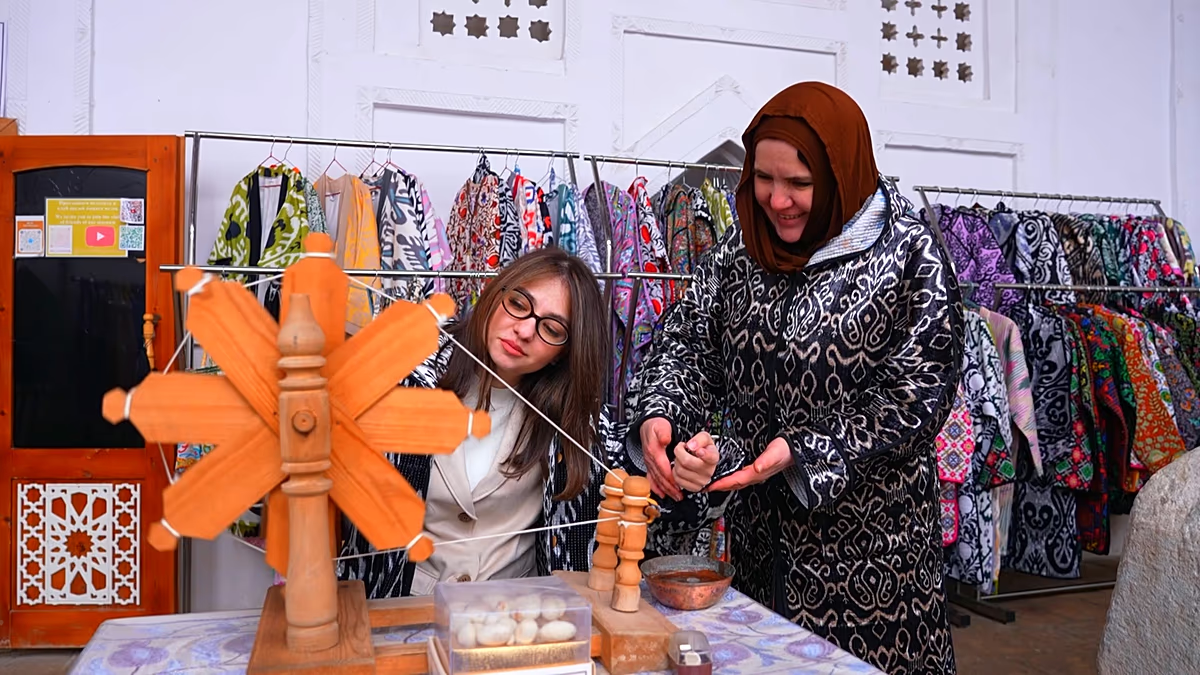
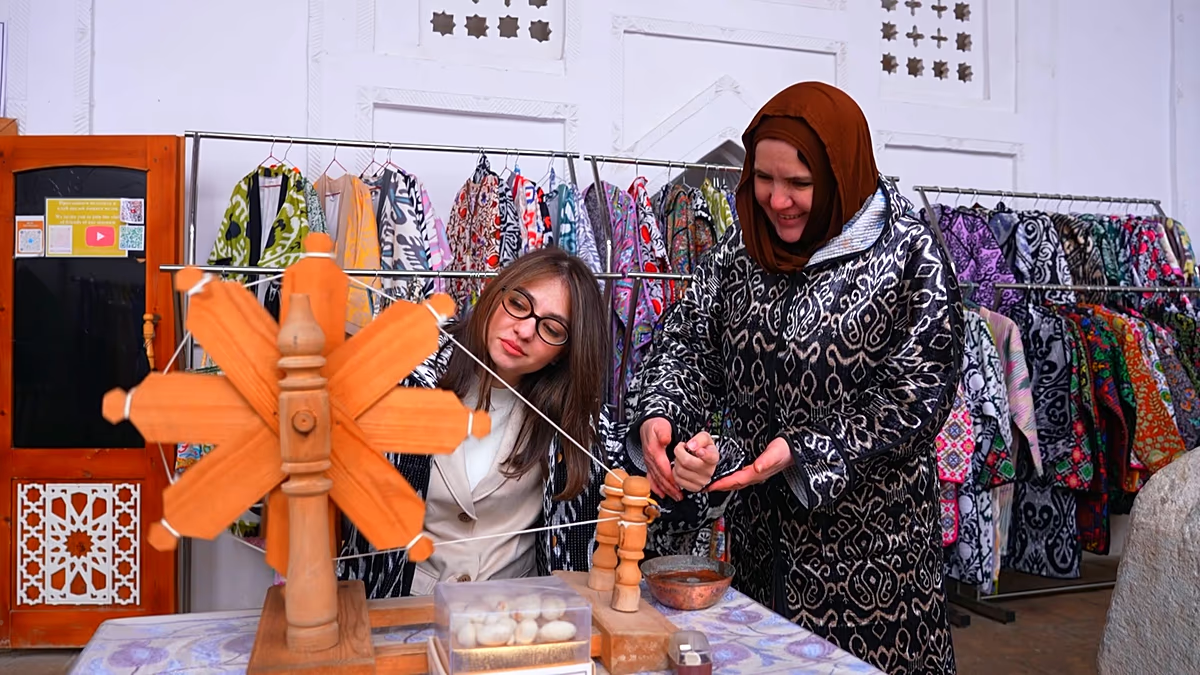
In Margilan, located in the Fergana Valley, silk production follows a continuous, step-by-step workflow. At the Gold Silk factory, cocoons are processed on site, threads are spun and washed, and patterns are prepared before weaving begins.
Master craftsman Abdumannop Sultonov explains that the process starts with precise calculations. Patterns are reconstructed through a stage known as “davra,” where measurements, thread layers and design structure are defined in advance.