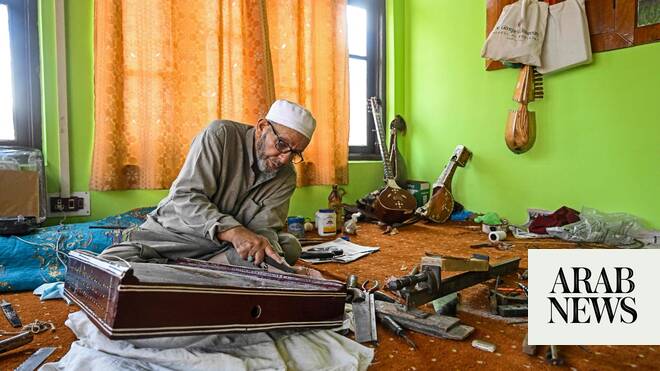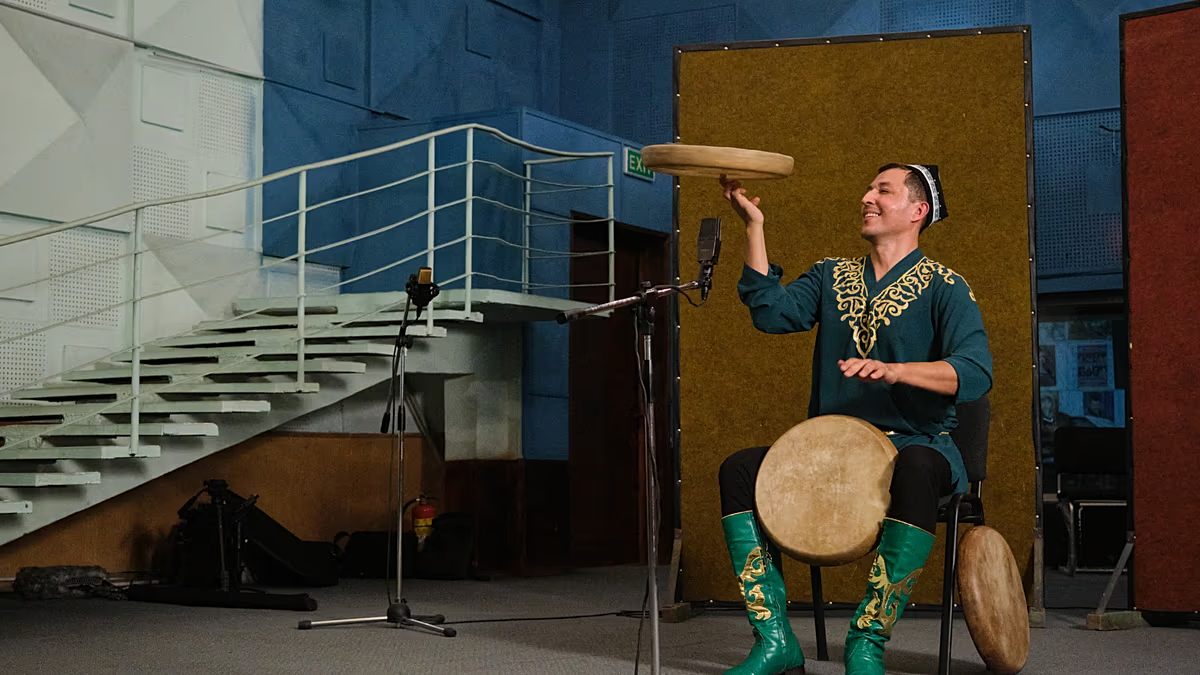
For centuries, music has been part of life along the Silk Road. Instruments were used not only for performance, but to express emotion, mark important moments and bring communities together. They accompanied celebrations, storytelling and rituals, shaping a shared cultural space across regions.
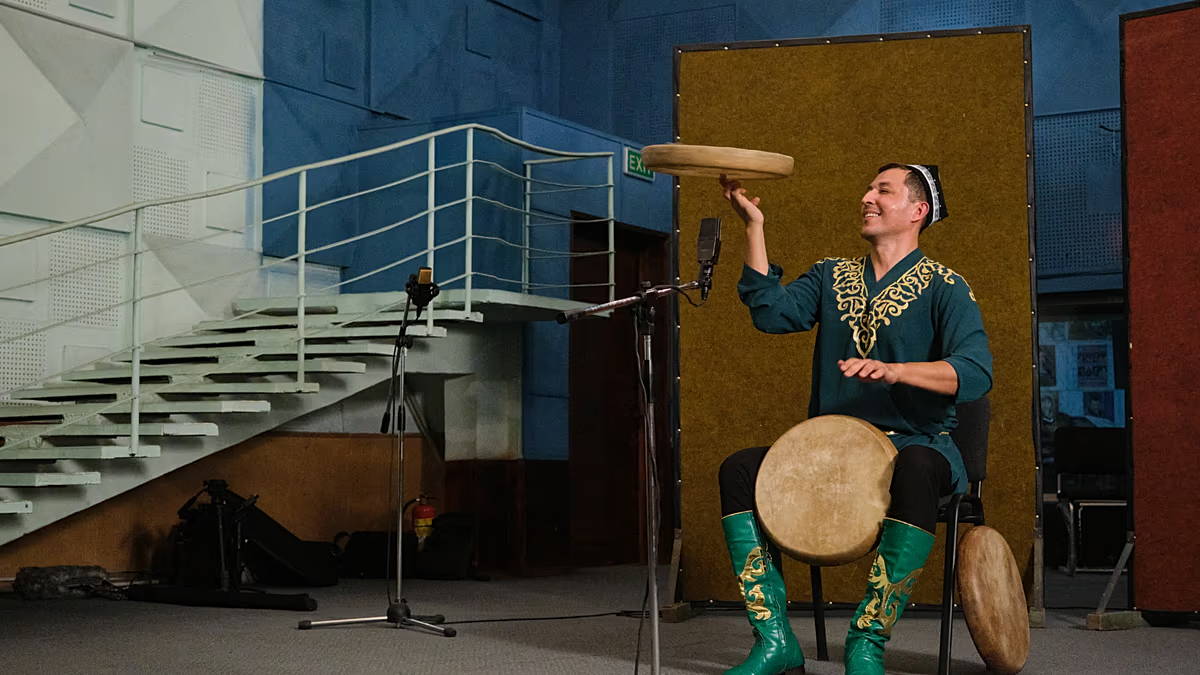
Today, these traditions continue in different forms through craftsmanship, oral performance and evolving musical practices. Across regions, instruments remain closely tied to identity, linking past and present through sound.
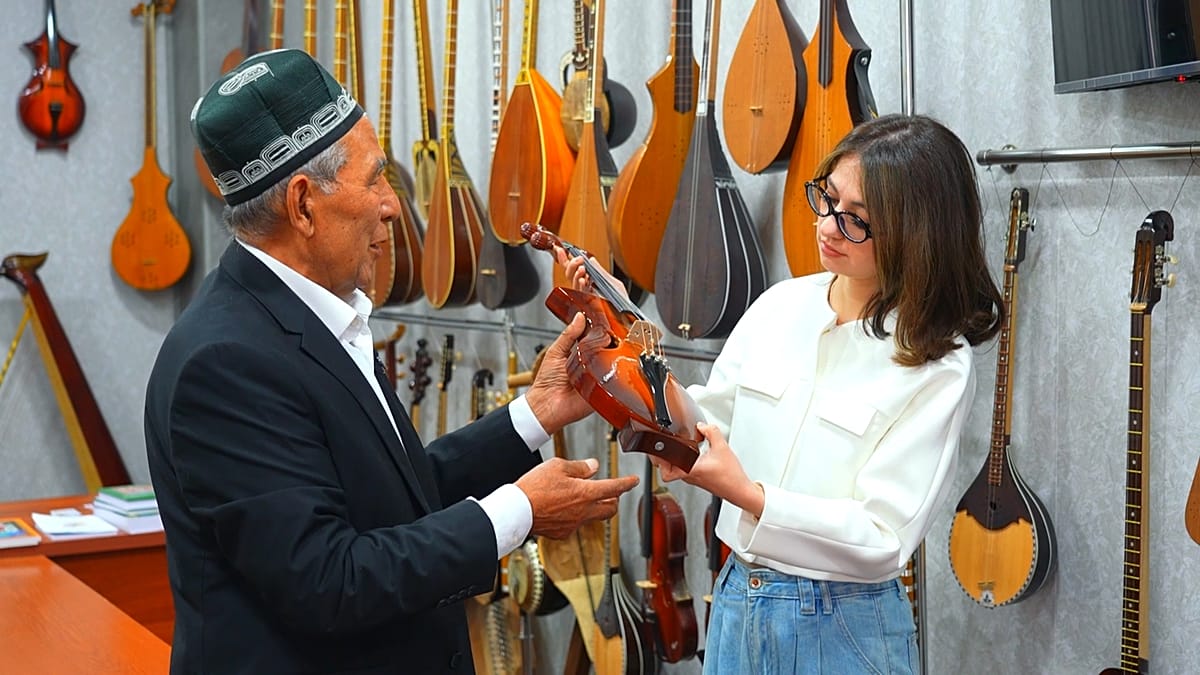
In Andijan, musical heritage is preserved and developed through the work of instrument makers. From the time of Amir Temur to today, instruments have remained central to cultural life, connecting generations of musicians and audiences.
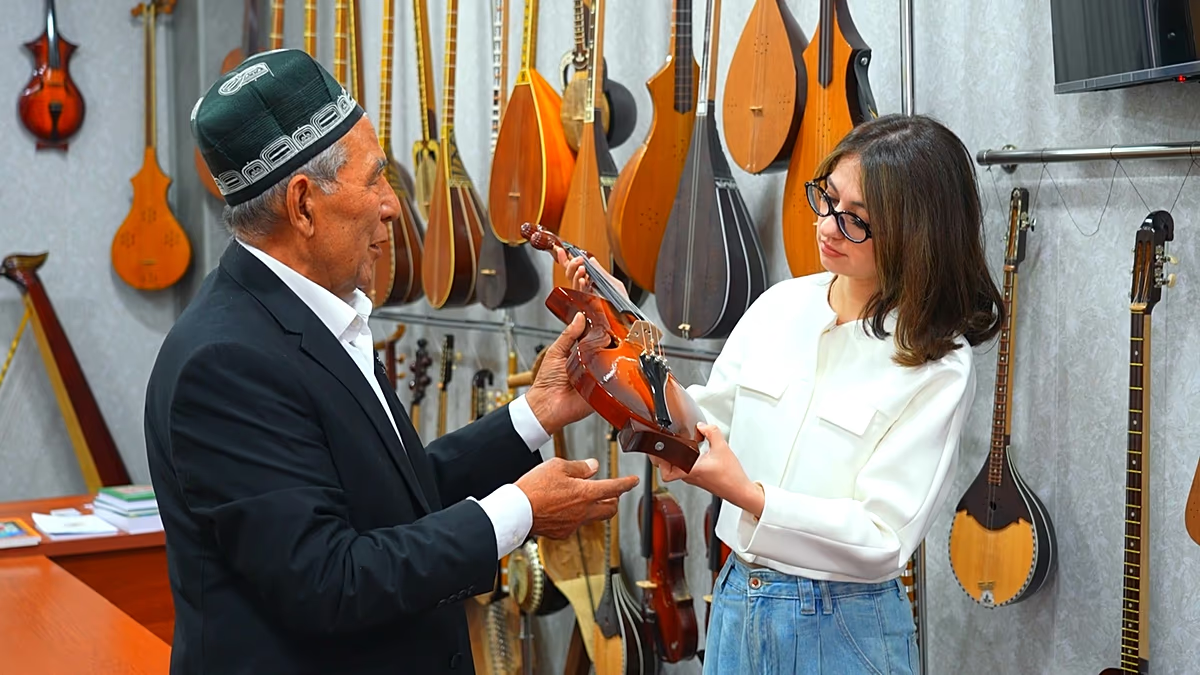
In one of the country’s largest specialised workshops, master craftsman Abdumalik Madraimov has spent more than 55 years producing instruments such as the dutar, tambur, ghijjak and doira. His work combines historical research with practical production, focusing on both preservation and reconstruction.
“Many instruments from history were forgotten,” he explains. “We have recreated them in modern forms and returned them to cultural life.”