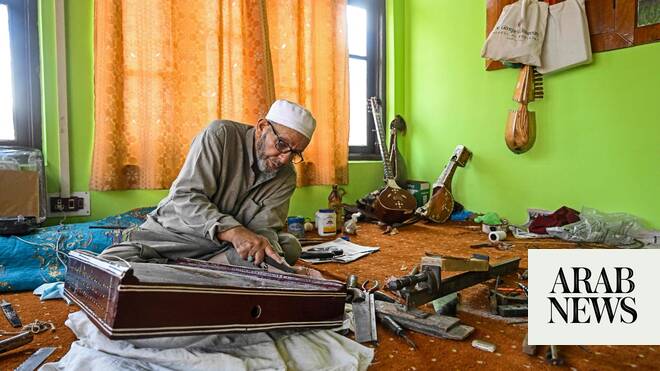
In the quiet, narrow lanes of Srinagar in Indian-administered Kashmir, a small, dimly lit workshop stands as one of the last holdouts of a vanishing craft.
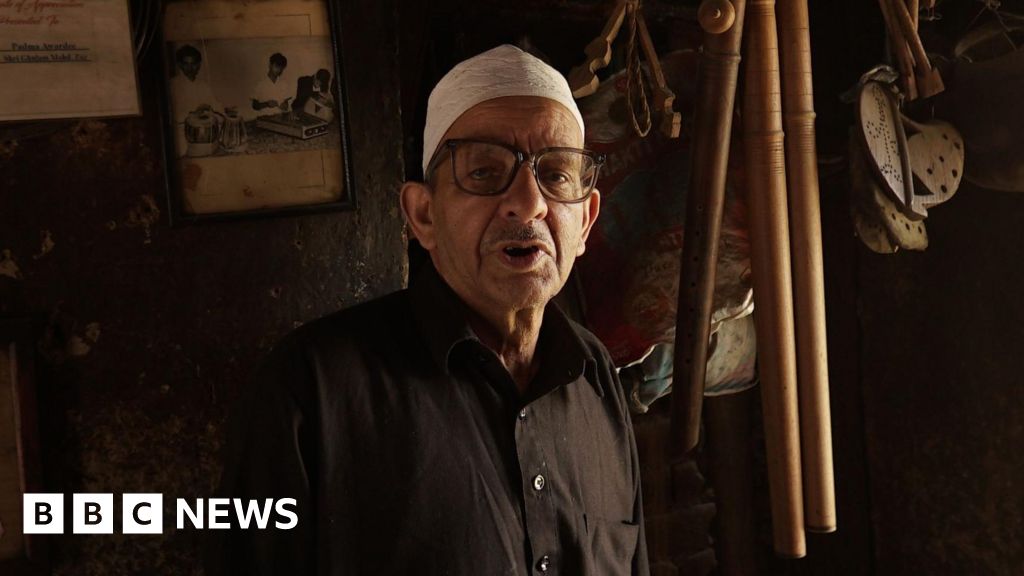
Inside the shop sits Ghulam Mohammed Zaz, who is widely believed to be the region's last artisan who can make the santoor by hand.
Santoor is a trapezoid-shaped stringed musical instrument, similar to a dulcimer, which is played with mallets. It is known for its crystalline bell-like tone and has been Kashmir's musical signature for centuries.
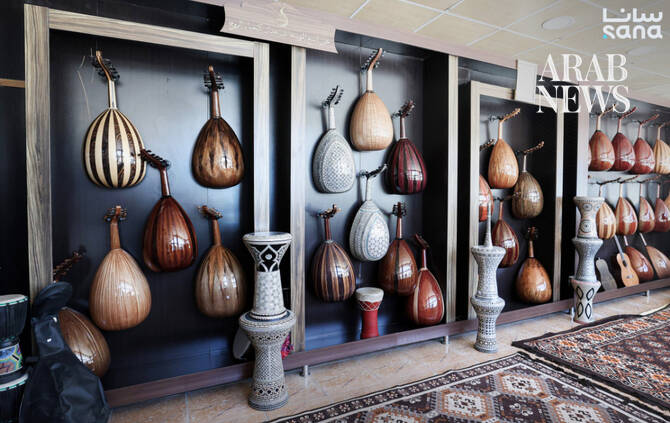
Mr Ghulam Mohammed belongs to a lineage of craftsmen who have been building string instruments in Kashmir for over seven generations. The Zaz family name has long been synonymous as the makers of the santoor, rabab, sarangi and sehtar.
But in recent years, the demand for handcrafted instruments has dwindled, replaced by machine-made versions that are cheaper and quicker to produce. At the same time, music tastes have changed, adding to the decline.