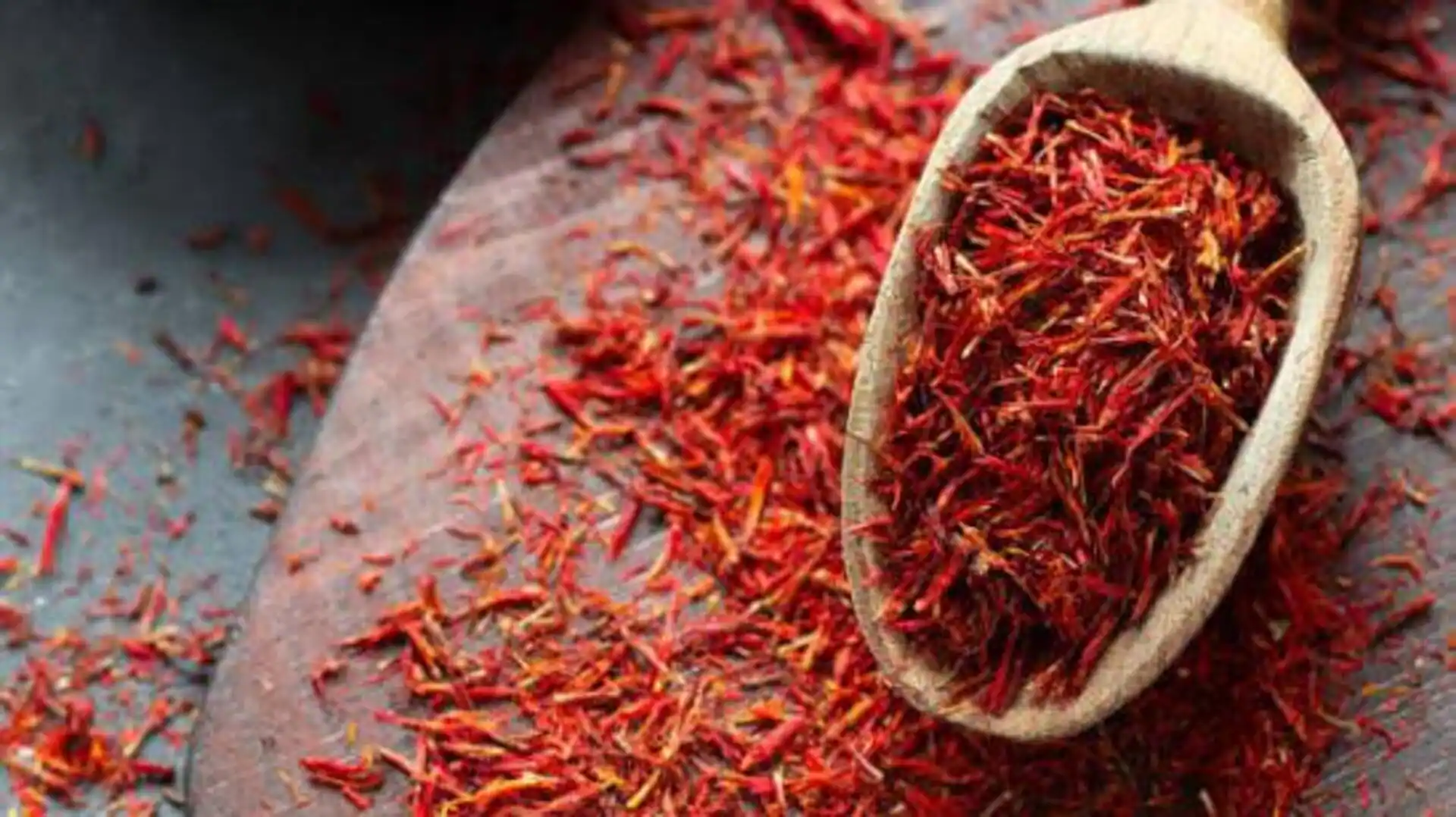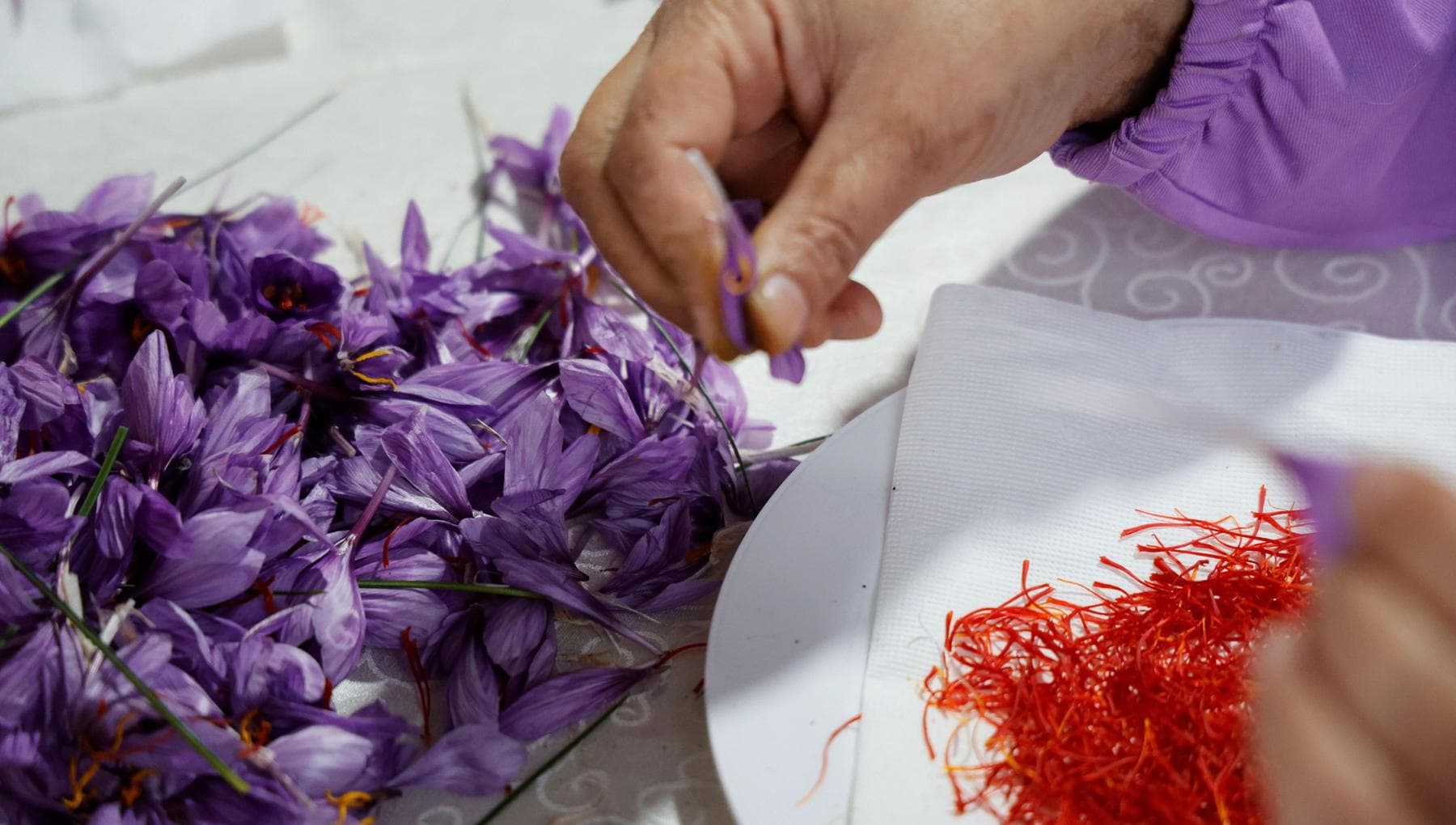
Mohammad Altaf Dar arranges tiny glass vials on a wooden shelf inside his shop at Lal Chowk, a city square in Srinagar, Jammu and Kashmir. Each vial contains crimson threads of saffron, worth more than their weight in silver.
For three decades, this shop has supplied Srinagar’s households and tourist hotels with the world’s most expensive spice. Now Dar faces an unprecedented predicament.
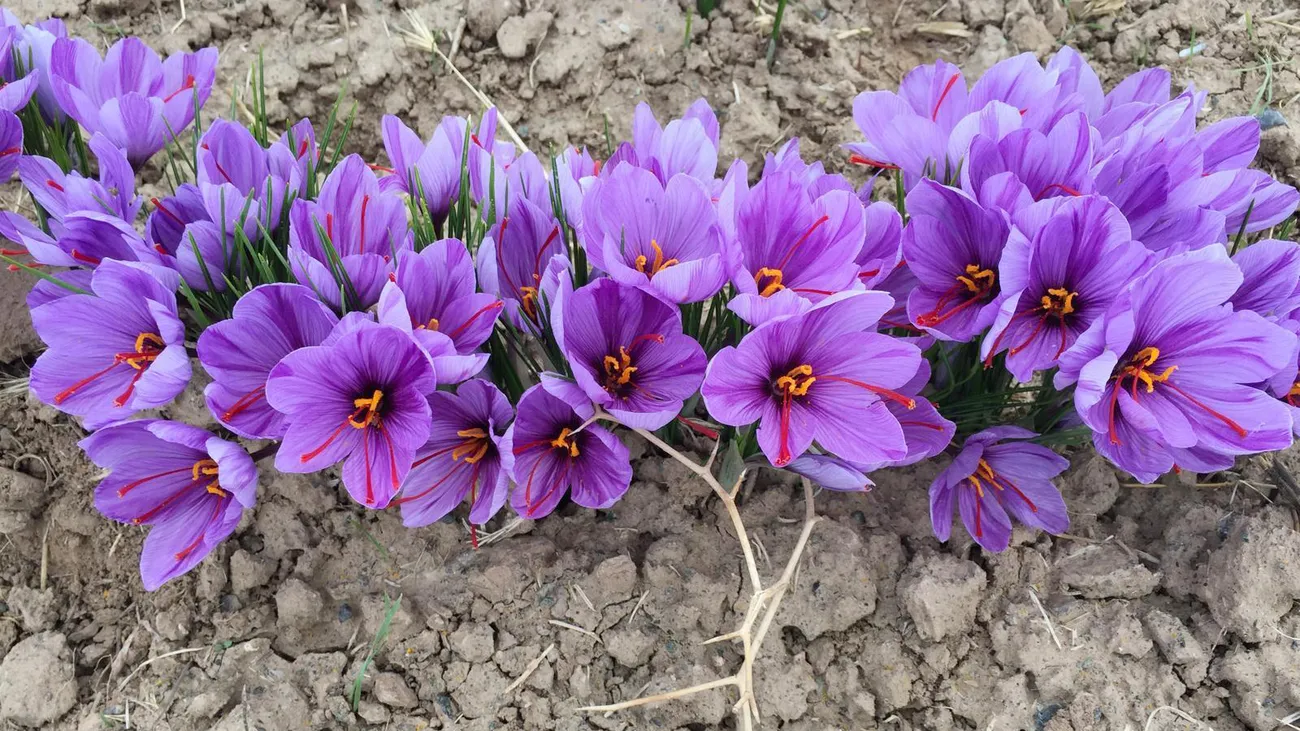
Iran produces more than 90 percent of the world’s saffron in the vast fields of Khorasan. It has long been a quiet backbone of supply for traders across South Asia. In Kashmir, where local saffron harvests have declined in recent years, many retailers have increasingly relied on Iranian imports to keep their businesses afloat and meet demand from tourists and export buyers.
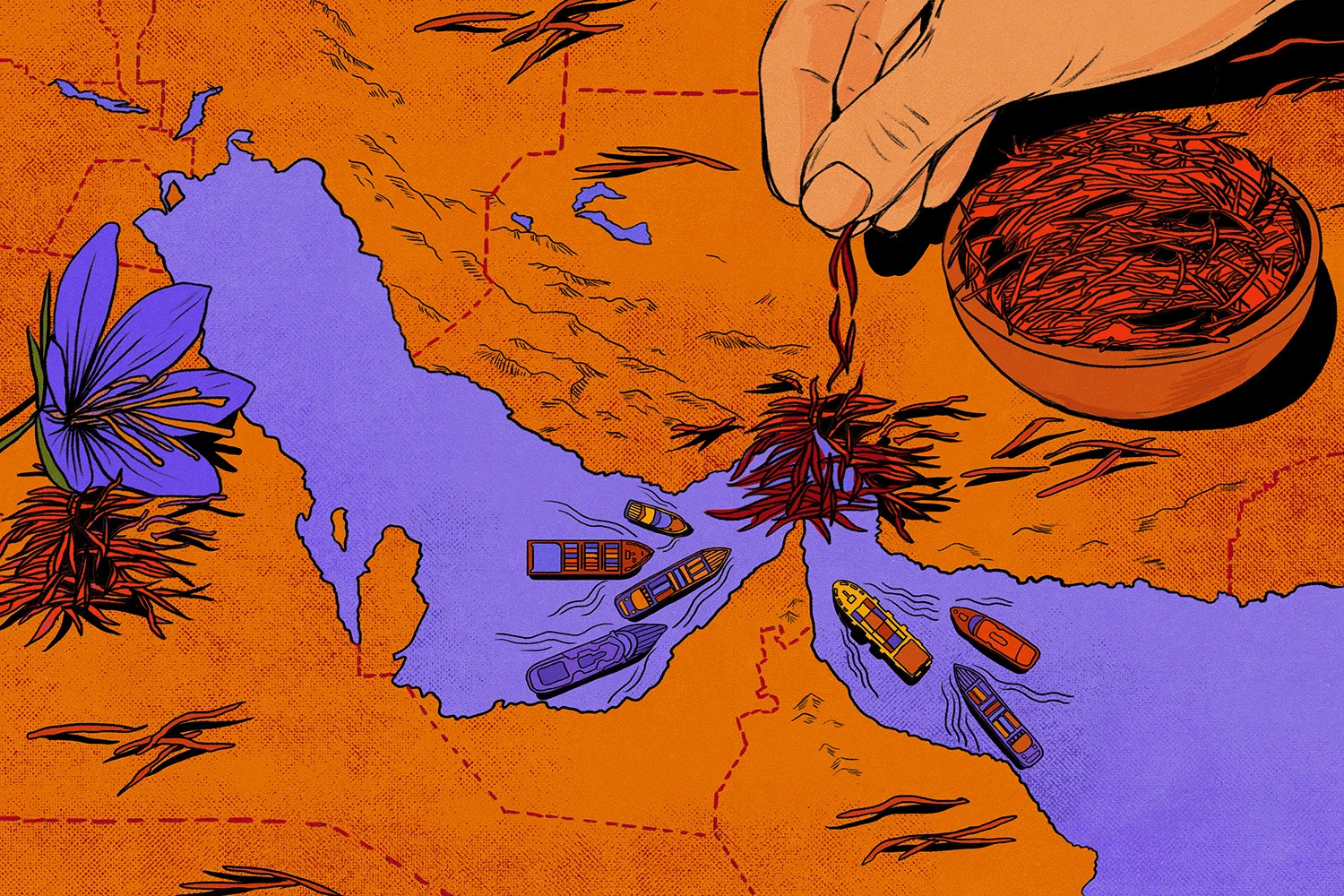
Dar’s last shipment of Iranian saffron sits delayed at a port in Dubai, caught in the crossfire of a conflict that exploded across the Middle East two months ago. The Strait of Hormuz has become a dangerous chokepoint, and Iranian exports have slowed down.
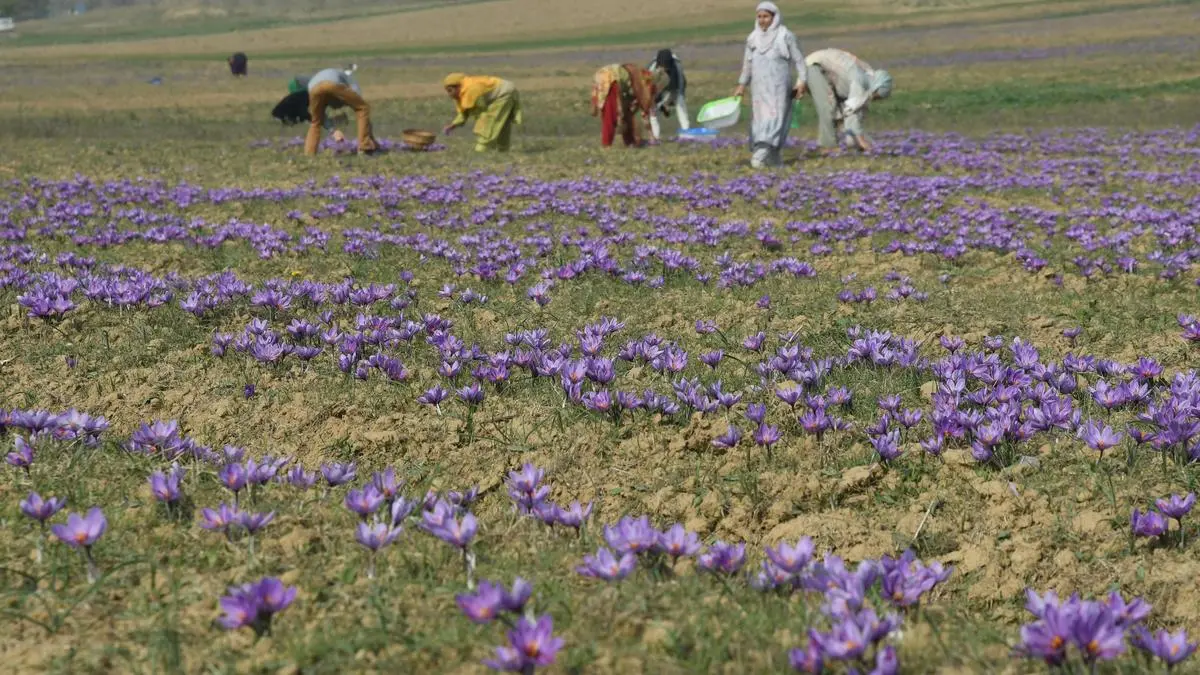
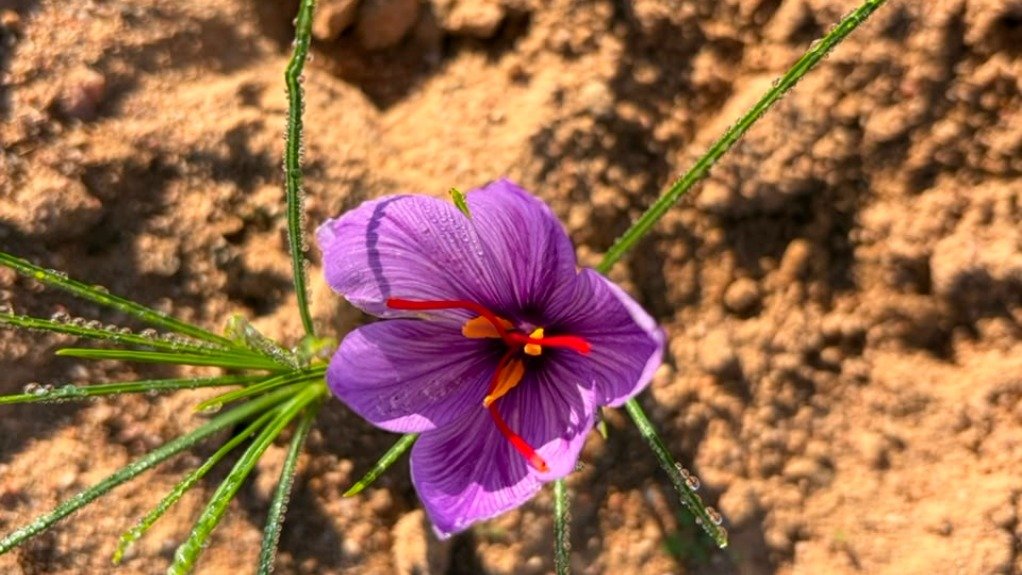
Meanwhile, Kashmir’s own saffron harvest all but collapsed this past autumn, yielding barely 20 percent of normal output, according to farmers in Pampore, the saffron bowl south of Srinagar.