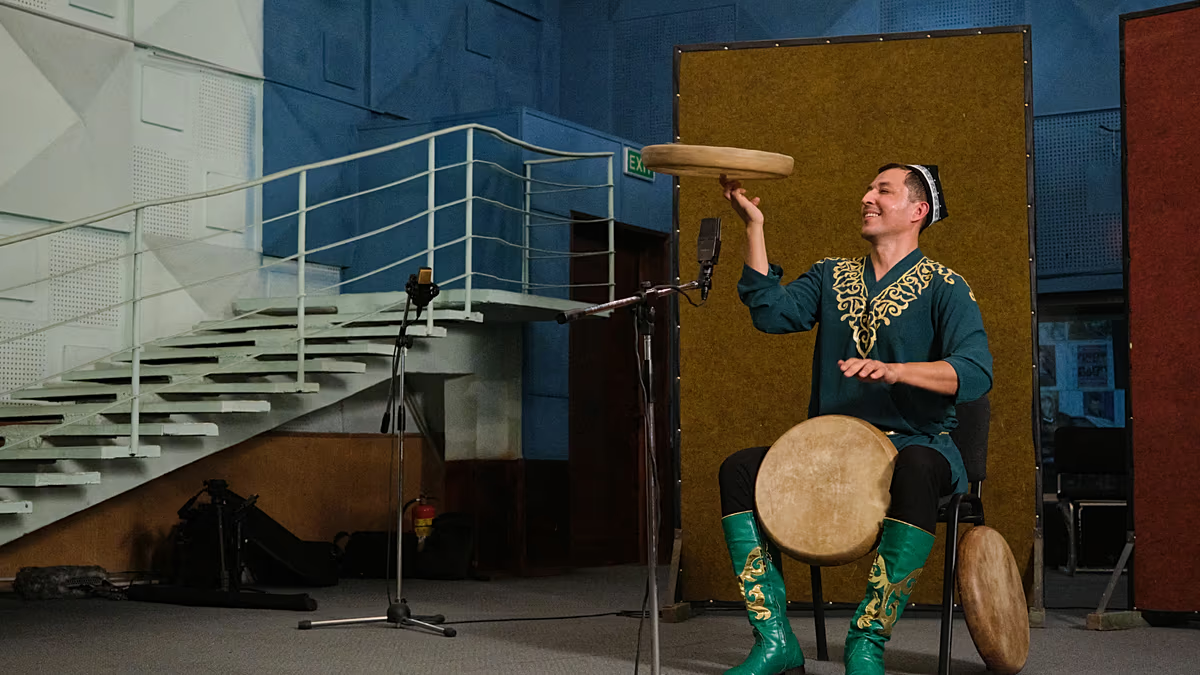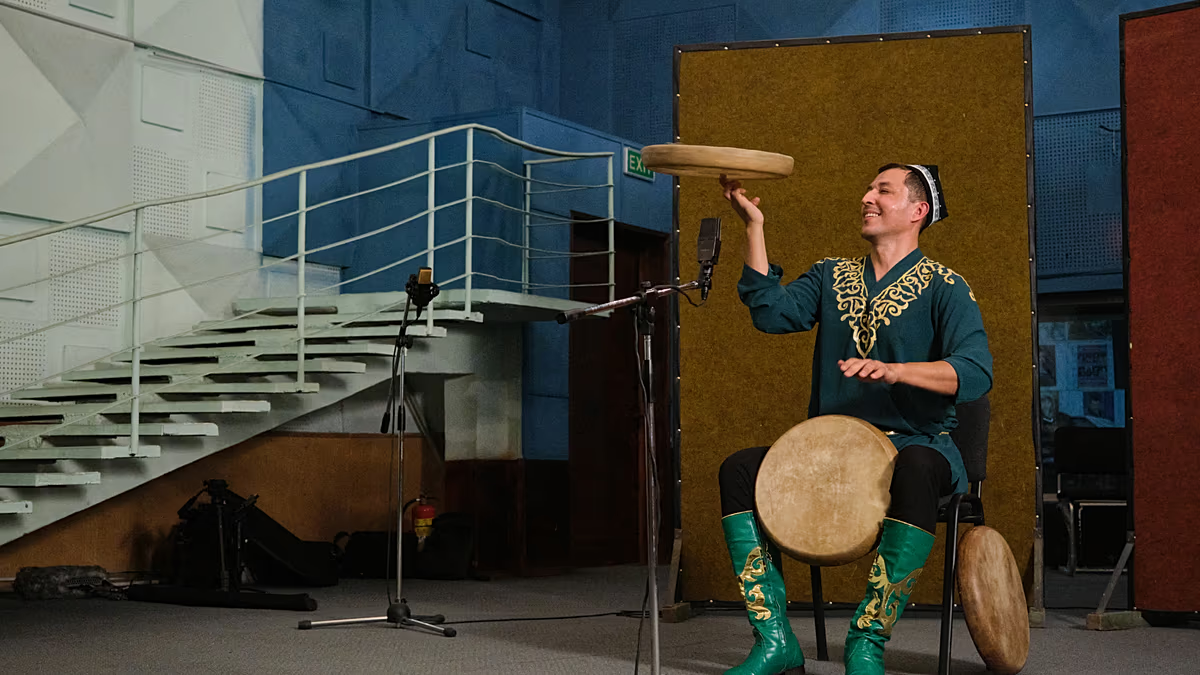
A thin, breathy note escapes from a bone flute. A surnay cuts sharply through the air, while layered percussion echoes like distant footsteps across mountain villages.
Sounds once carried by shepherds, wedding processions and remote communities are now being recorded, digitised and brought into the online world through a new cultural platform in Uzbekistan.
A new initiative called “Ohang” aims to preserve and catalogue rare musical traditions by recording instruments and melodies that have long remained outside global audio libraries.
As contemporary music producers increasingly draw on traditional motifs and folk instruments for pop, hip-hop and electronic tracks, many of the original sounds remain undocumented or disconnected from their cultural origins.
According to the project team, this creates a gap in access and knowledge. “Non-specialists often confuse local motifs with Arabic, Azerbaijani, or Turkmen music,” said Uktam Khakimov, an expert in intangible cultural heritage. “When searching on music stock platforms using queries like ‘Uzbek music,’ relevant results are often missing, or platforms suggest unrelated tracks.”