Ored Recordings documents chants, laments and displacement songs of the Caucasus threatened by erasure. After the invasion of Ukraine, its ‘punk ethnography’ has never been more urgent
I
n May 2022, a few weeks after the start of Russia’s full-scale invasion of Ukraine, musician Bulat Khalilov was attending a demonstration in Nalchik, a southern Russian city in the foothills of the Caucasus Mountains. As he joined a group congregating around the monument to the Circassian victims of Russo-Circassian war, Khalilov was approached by a policeman and sensed trouble. To his surprise, the officer asked: “Are you from Ored Recordings? I follow you on Instagram. You’re doing great.”
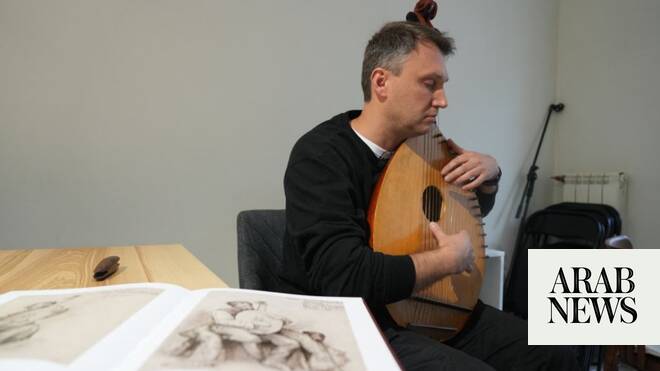
Their gathering still had to be dispersed, but the enthusiasm that Ored Recordings inspires even among enforcers of the law speaks volumes about the power of what Khalilov and his friend and label co-founder Timur Kodzoko call “punk ethnography”: the recording of religious chants, laments and displacement songs at family gatherings, local festivals, in people’s kitchens, to fight against the erasure of Circassian culture.
When it was its own country, Circassia used to extend from the Black Sea shoreline in the west to the foothills and high ridges of the Greater Caucasus Mountains in the east, and from the Kuban River basin in the north to the mountain valleys bordering present-day Georgia in the south. After Russia invaded Circassia in the middle of the 18th century and then proceeded to systematically kill or displace about 95% of its people, the region today exists as a fragmented territory divided among several regions of the Russian Federation, with diaspora communities scattered across Turkey, the Middle East and Europe.