We could never have imagined such tolerance of Putin’s criminal war. We normalise the horror just to survive
O
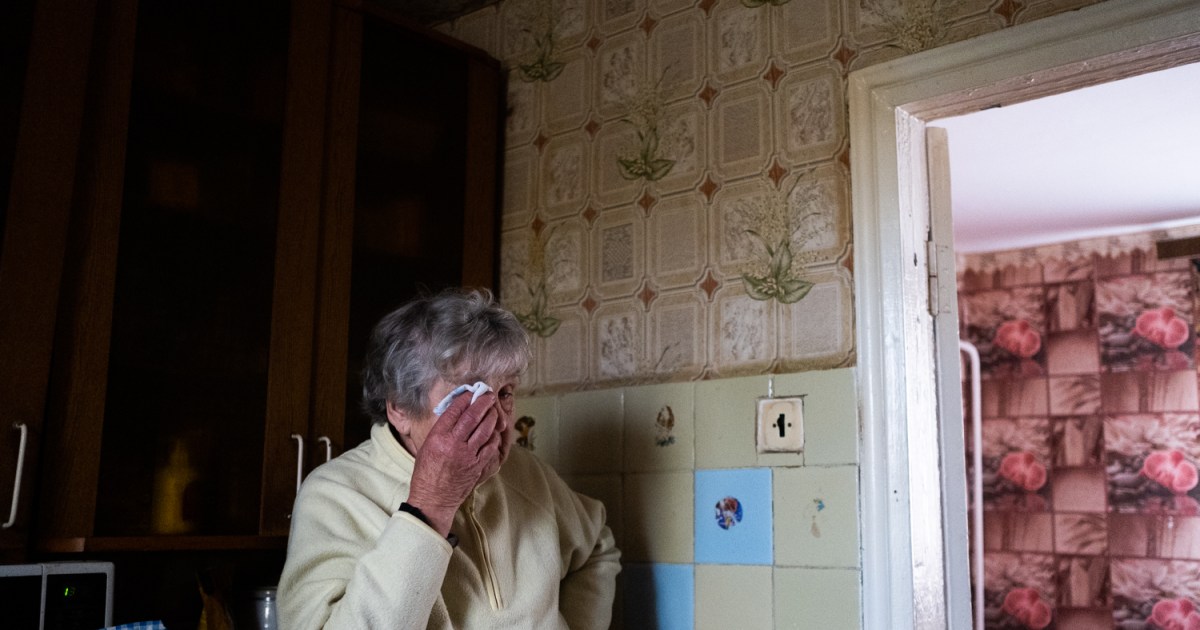
n a bright February day, over cups of coffee, my team gathers for a strategy meeting at our office in Lviv, 80km from the border with the EU. Our cultural and research institution – an NGO called Index – documents Ukrainians’ experiences of the war. The coffee is important: our charging station can power a coffee machine during electricity outages. A member of our board from Kyiv, which has suffered most from Russia’s destruction of Ukraine’s energy infrastructure this winter, delights in this luxury. She is used to climbing 14 flights of stairs with water canisters and boiling coffee on a portable stove in her frozen apartment.
As we speak, our screens flash with an alert: a Russian ballistic missile is heading our way. “What shall we do?” a colleague wants to know. I want to finish both the coffee and the discussion. In a minute, we hear the sound of an explosion not far away. The missile has been intercepted. We resume our pondering about how to ensure long-term justice by sharing individuals’ stories of wartime Ukraine.
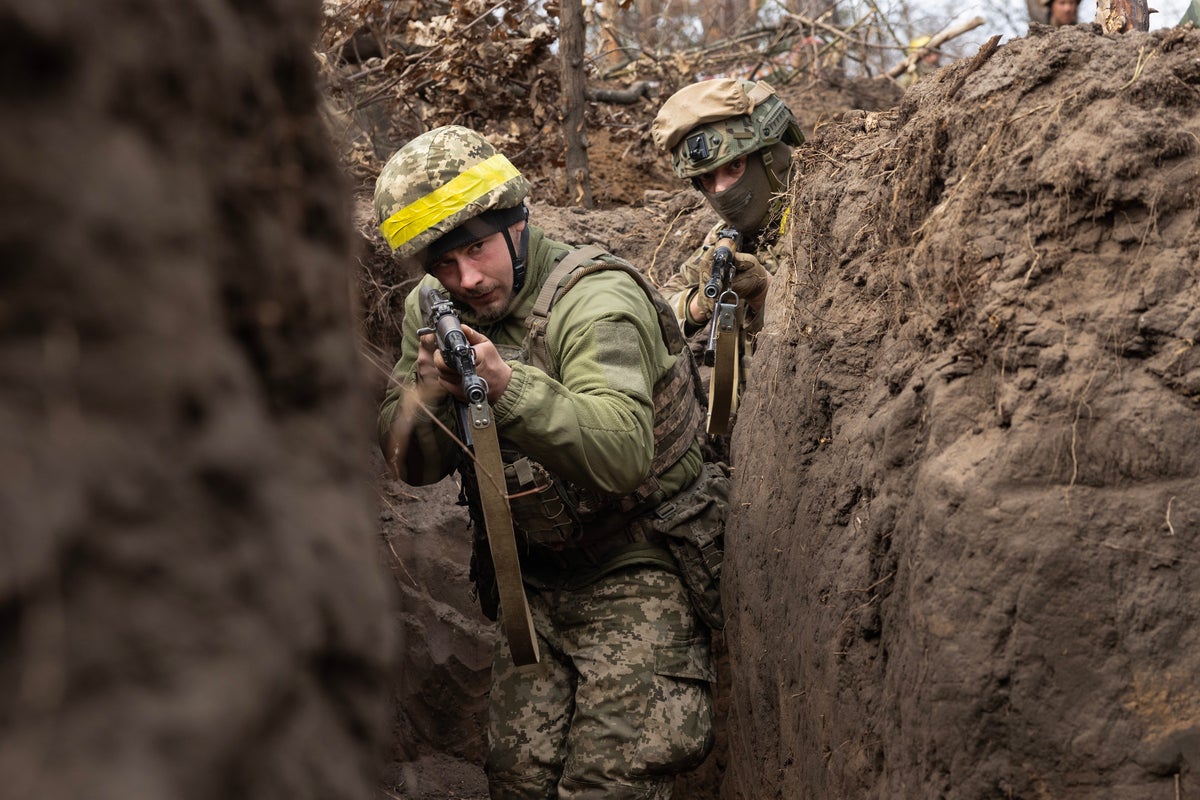
“Tell me that funny story about your injury,” I ask a soldier friend the next day and, laughing, he does. We have adopted a peculiar sense of humour: it is a story about running for his life from a Russian drone with a wounded comrade on his shoulder. In Ukraine, most of us have funny stories to tell: about injuries or displacement, airstrikes or long-distance relationships with partners in the army.