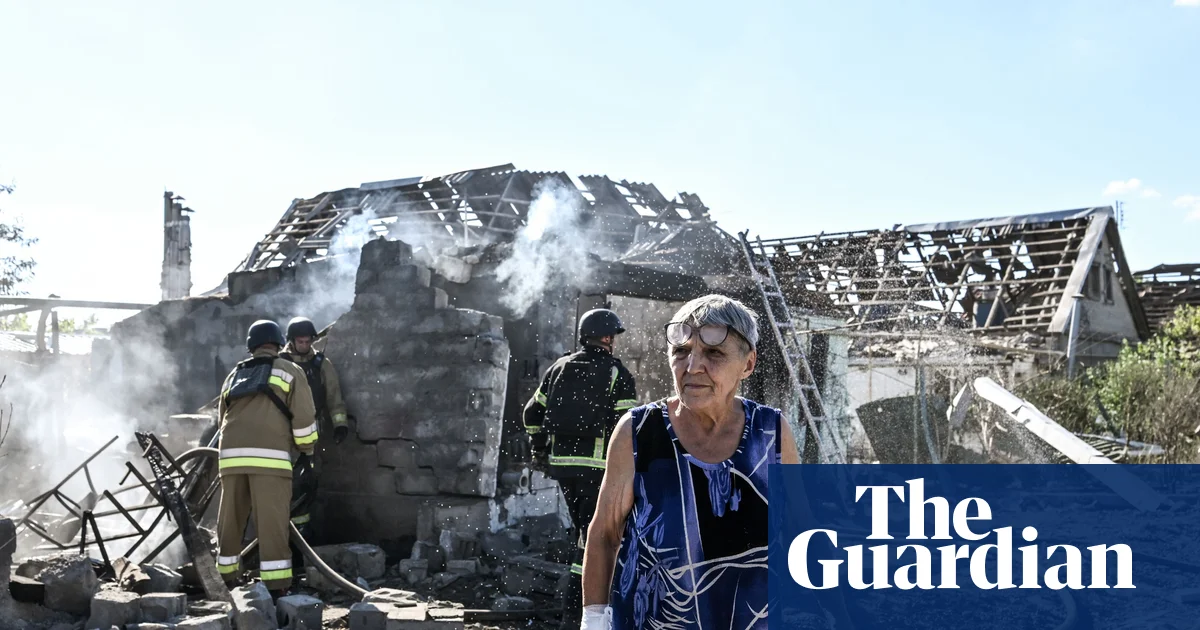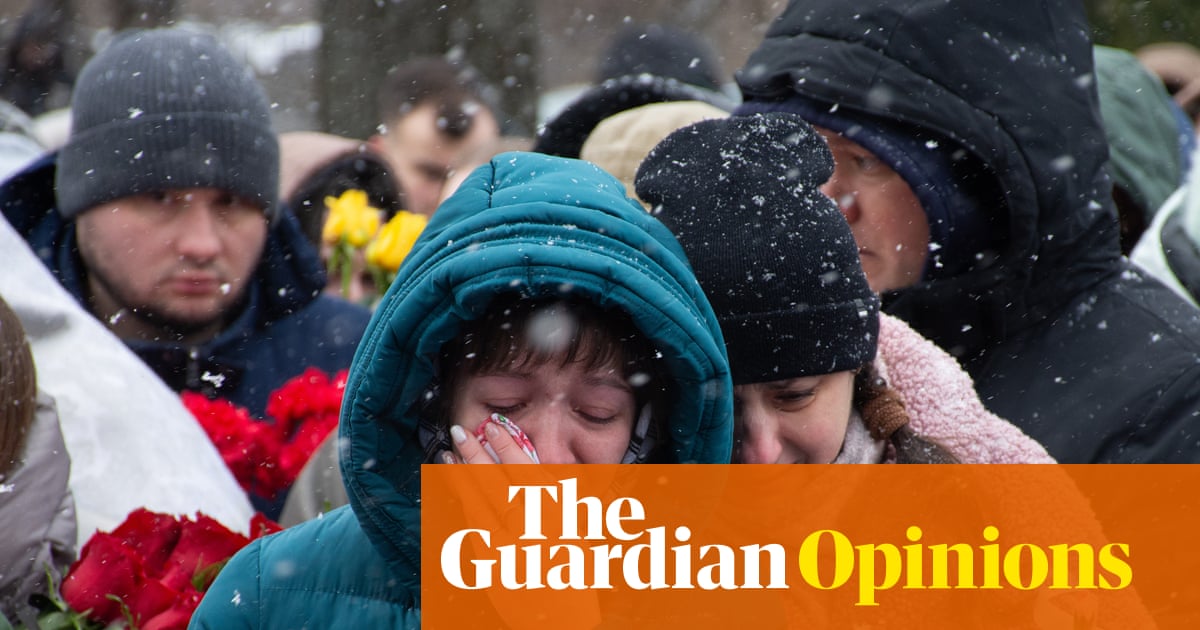
As the fourth anniversary looms of Russia’s war on Ukraine, those close to the Kremlin prosper while others merely strive to escape the worst repression
F
our years into the full-scale war in Ukraine, Russia’s elite has shown no sign of resisting the very difficult spot that Vladimir Putin placed them in by acting without their consultation. Instead, it has largely adapted, reshaping itself in ways that ensure its survival in what increasingly looks like a state of permanent conflict.
In the atmosphere of repression, Russian top-level officials and public intellectuals, who are tasked with ruling the country and shaping what society thinks and discusses, remain reluctant to express directly what they really think. The narratives they offer through culture are therefore some of the clearest expressions of how they see their role in a wartime country.
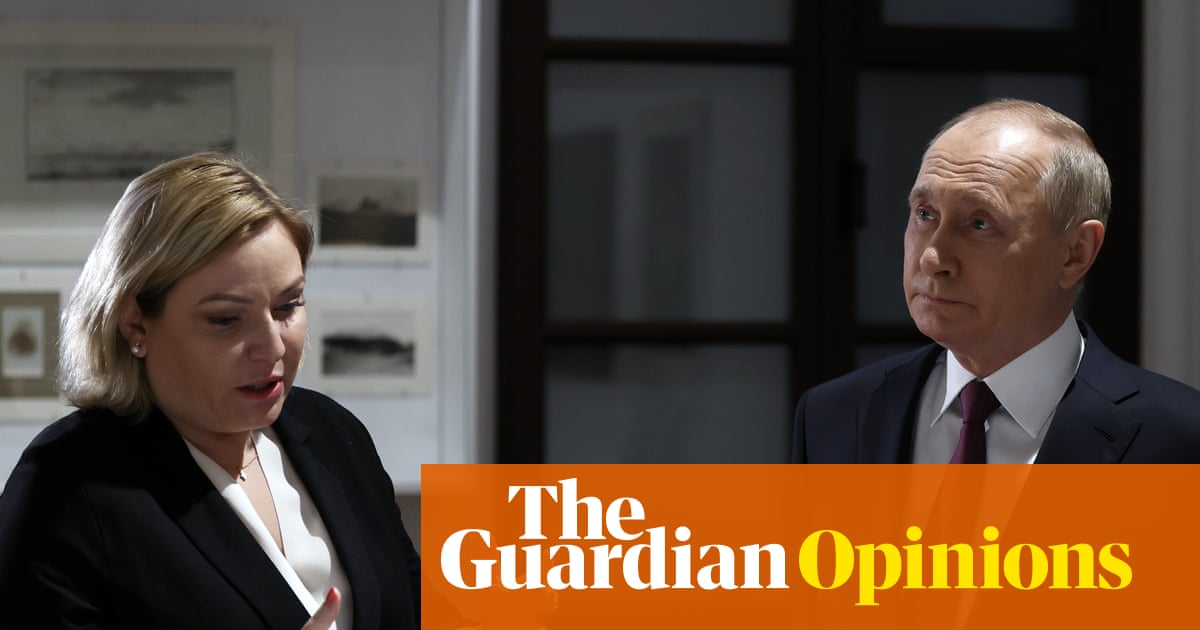
This year, Moscow has hosted two major government-backed awards ceremonies – one for books, one for films. In both cases, the organisers played it safe, repeating familiar themes, many of them rooted in Soviet-era cultural and wartime mythology. Prizes went largely to people within the same orbit – in most cases, the families of well-known Soviet-era cultural icons.