F
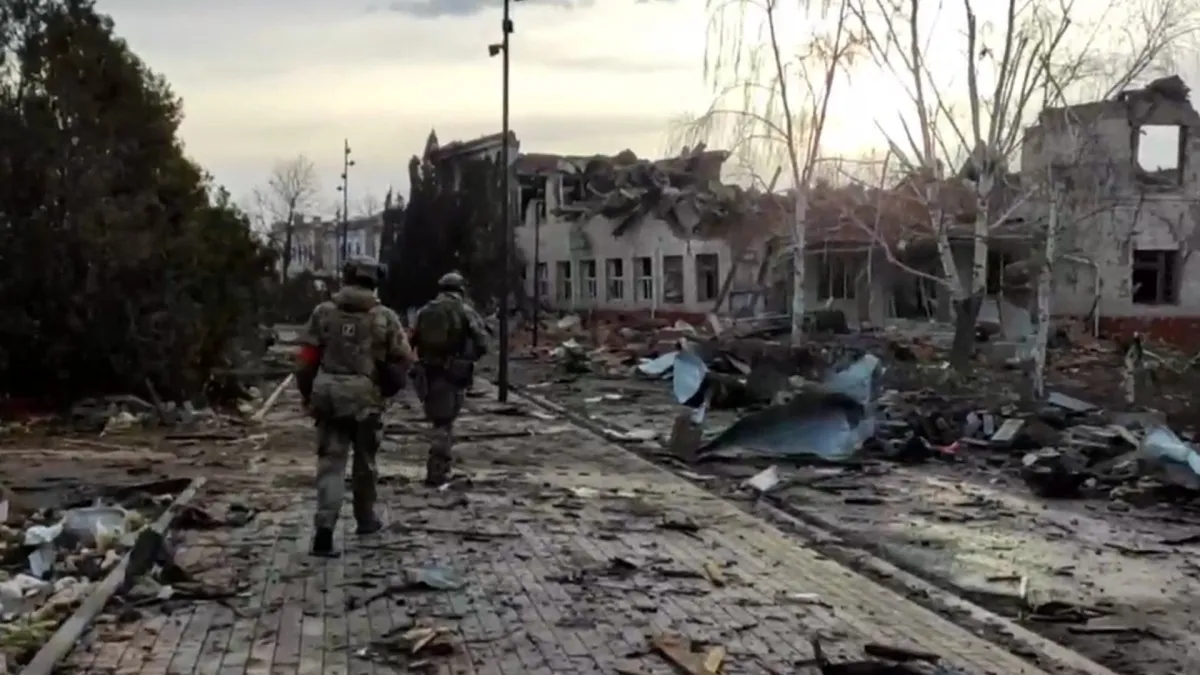
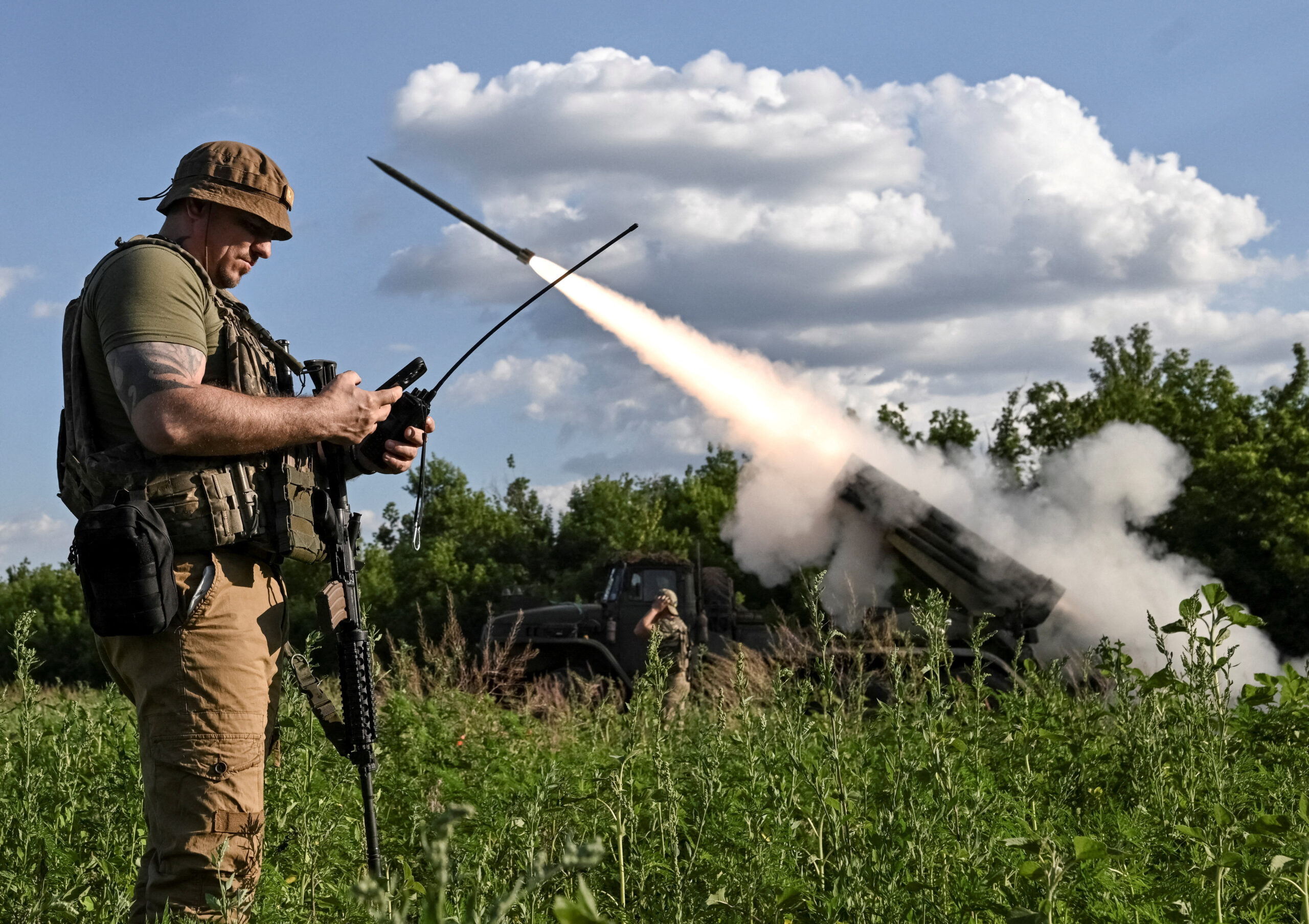
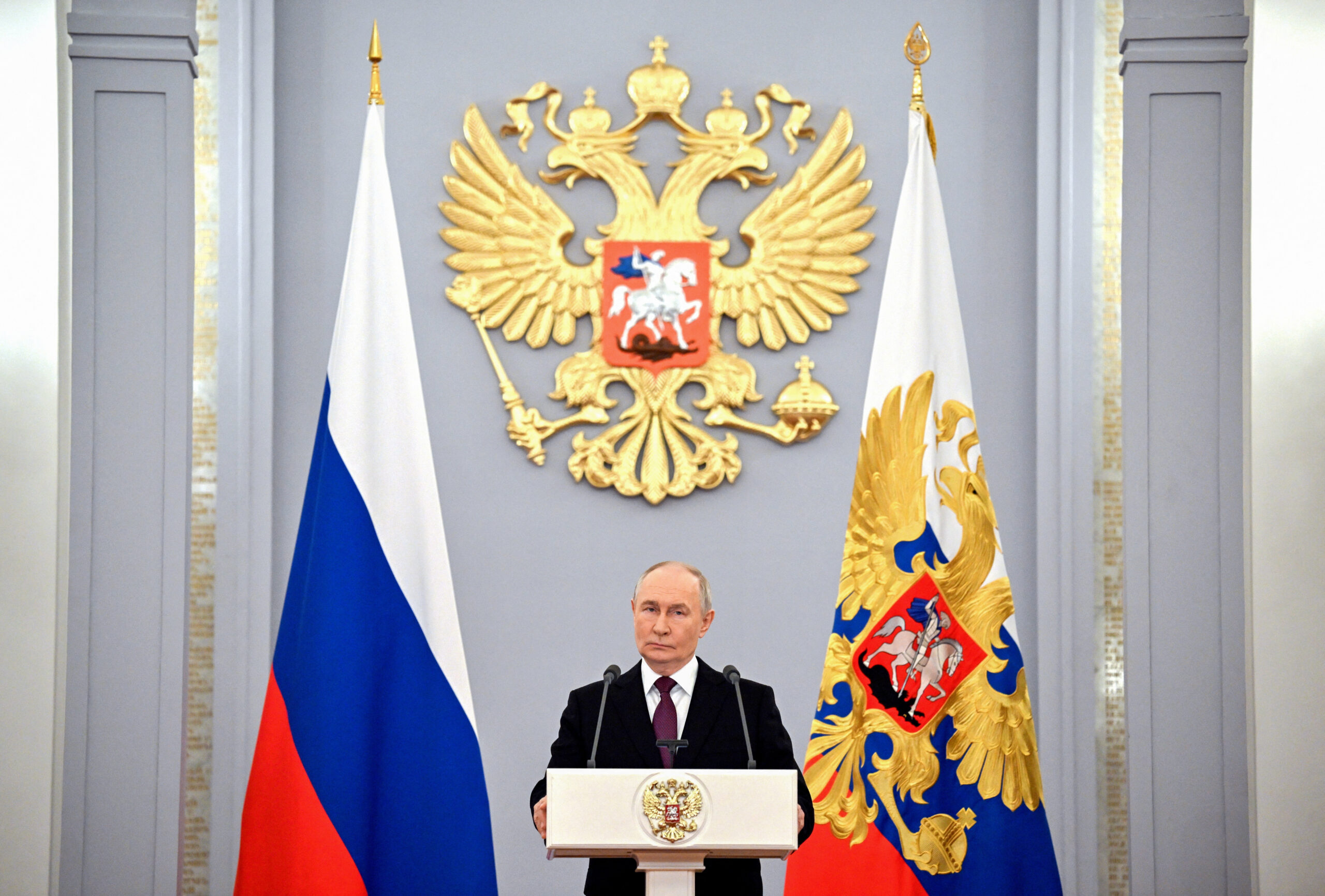
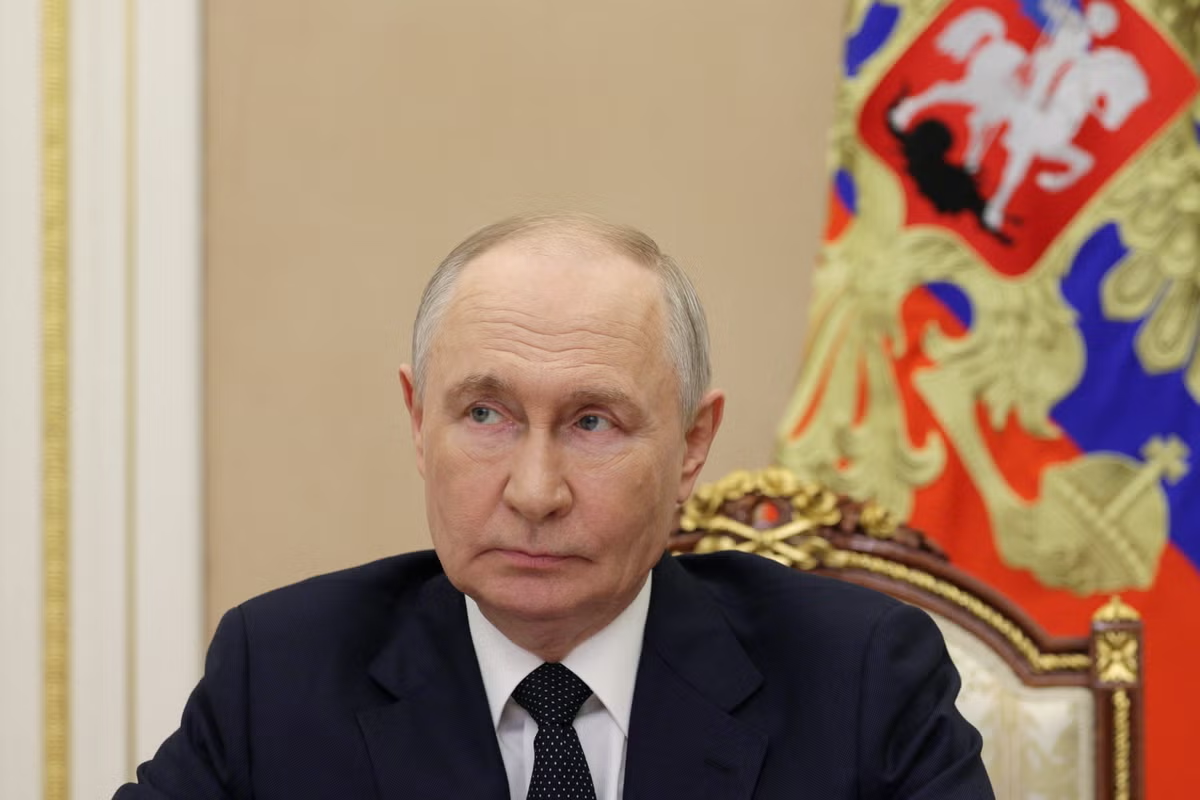
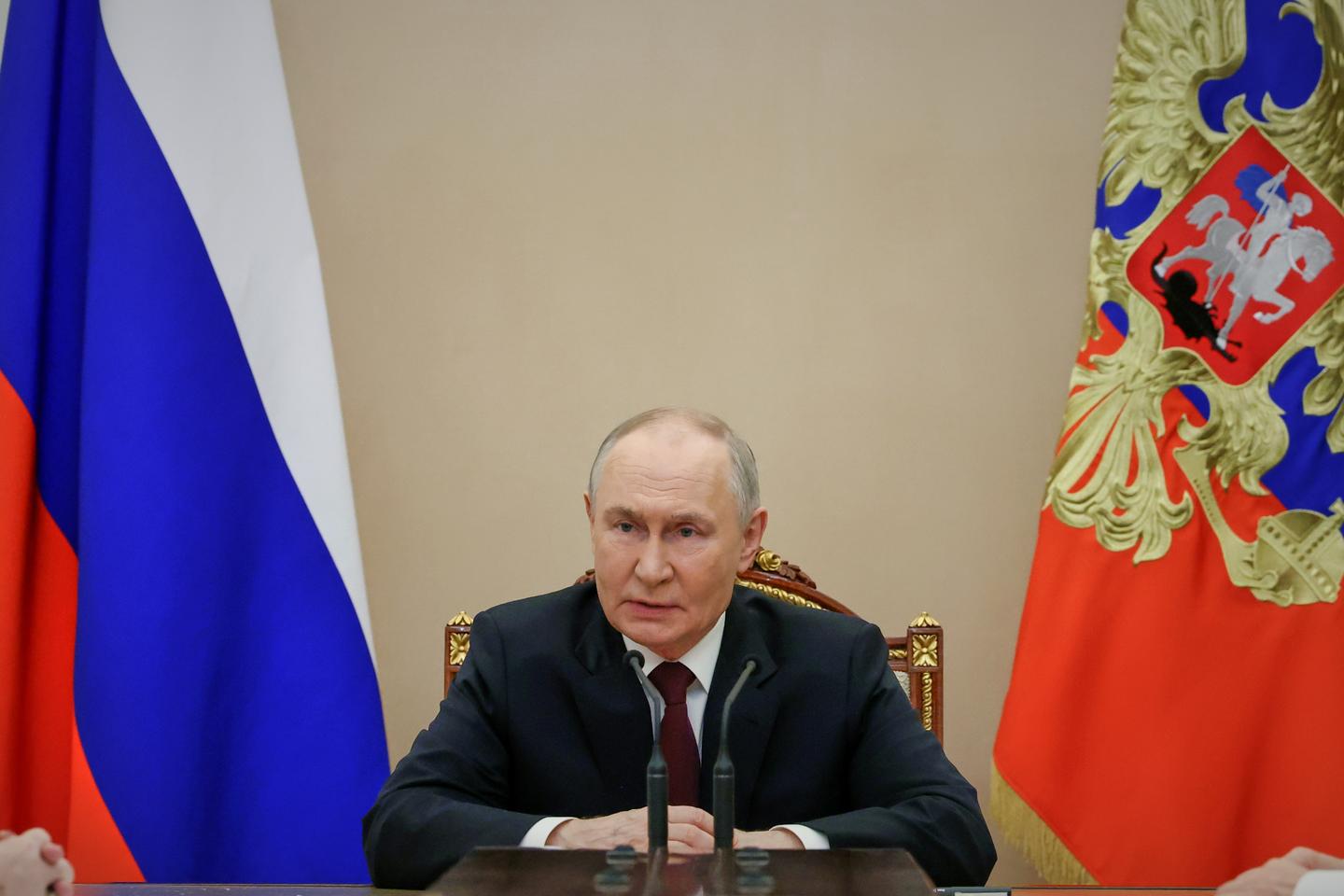
our years after launching his war against Ukraine, Vladimir Putin still has not secured the victory he had hoped for. When he sent his troops to attack Russia's neighbor on February 24, 2022, the Russian leader claimed his aim was to "denazify" and "demilitarize" a country whose very existence he denies. Seven months earlier, he had laid out his ambitions in an essay titled, "On the Historical Unity of Russians and Ukrainians."
This essay, published on the Kremlin's official website, clearly announced his "special military operation," supposed to bring a change of power in Kyiv and demonstrate the greatness of "eternal Russia" in the face of what he viewed as an aggressive and decadent West. That objective remains far from achieved: Volodymyr Zelensky, the Ukrainian president, is still in office, and European support for Ukraine has held firm.
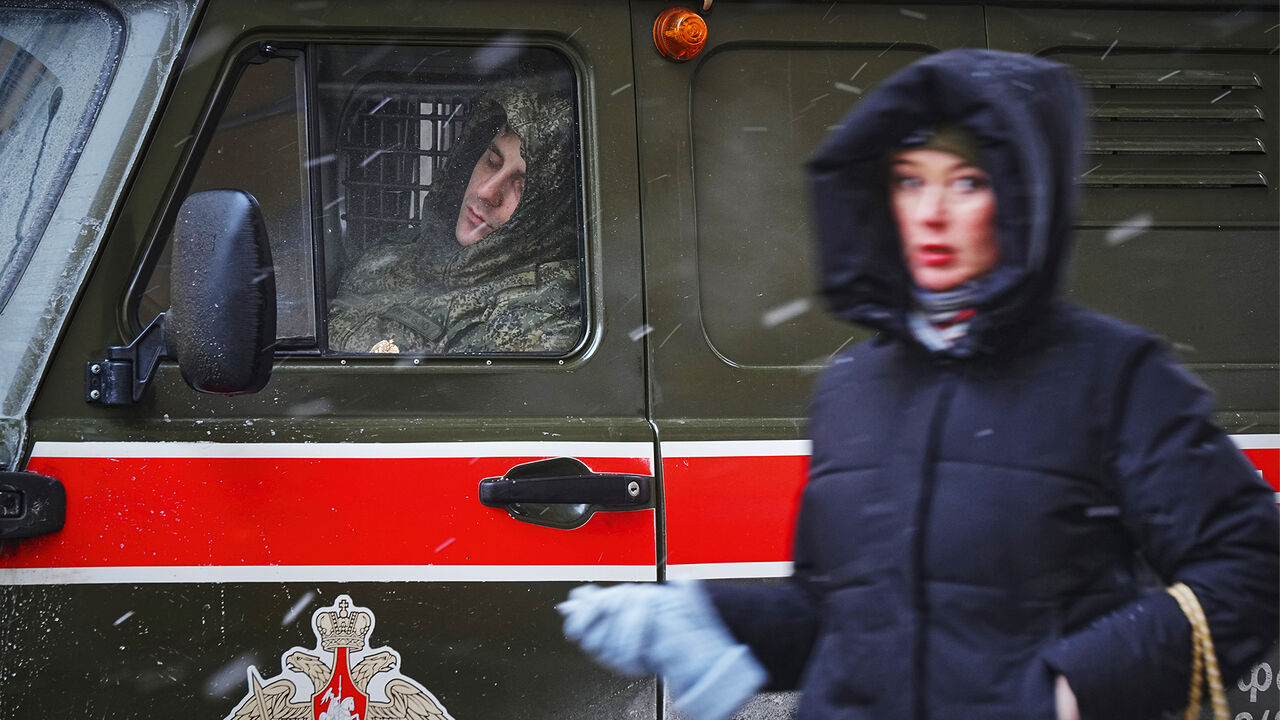
The war is now entering its fifth year – a longer duration than what's known as the "Great Patriotic War," from 1941 to 1945, against Nazi Germany. Russia's propaganda machine regularly uses that conflict as a reference point to justify its offensive against the so-called "fascist regime" in Kyiv. Yet the crusade has not gone as planned. Ukrainian resistance and Western mobilization undermined the plans of the FSB, Russia's domestic security and counterintelligence services, and one of the successors to the KGB, which had promised the president a quick and easy victory. Cut off from reality and isolated after a quarter-century in power, the Russian leader now finds himself trapped in a war of attrition, causing a devastating loss of life for only limited territorial gains.