Despite relentless attrition at appalling human cost, the Kremlin has not achieved its goals. Maximum economic pressure can undermine its war aims
F
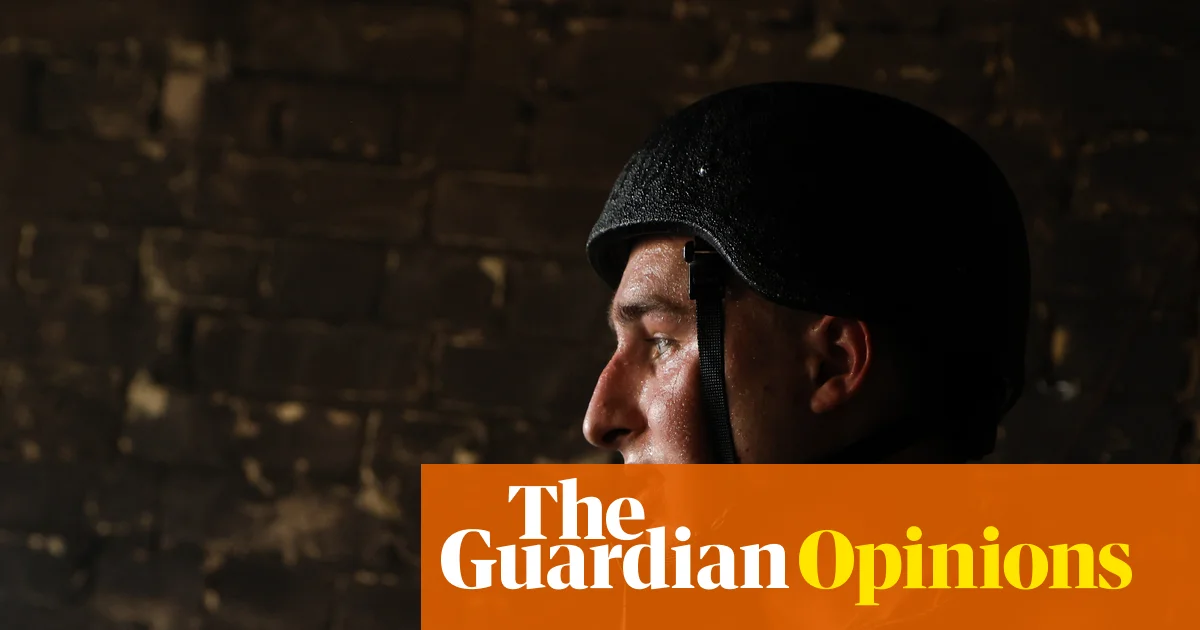
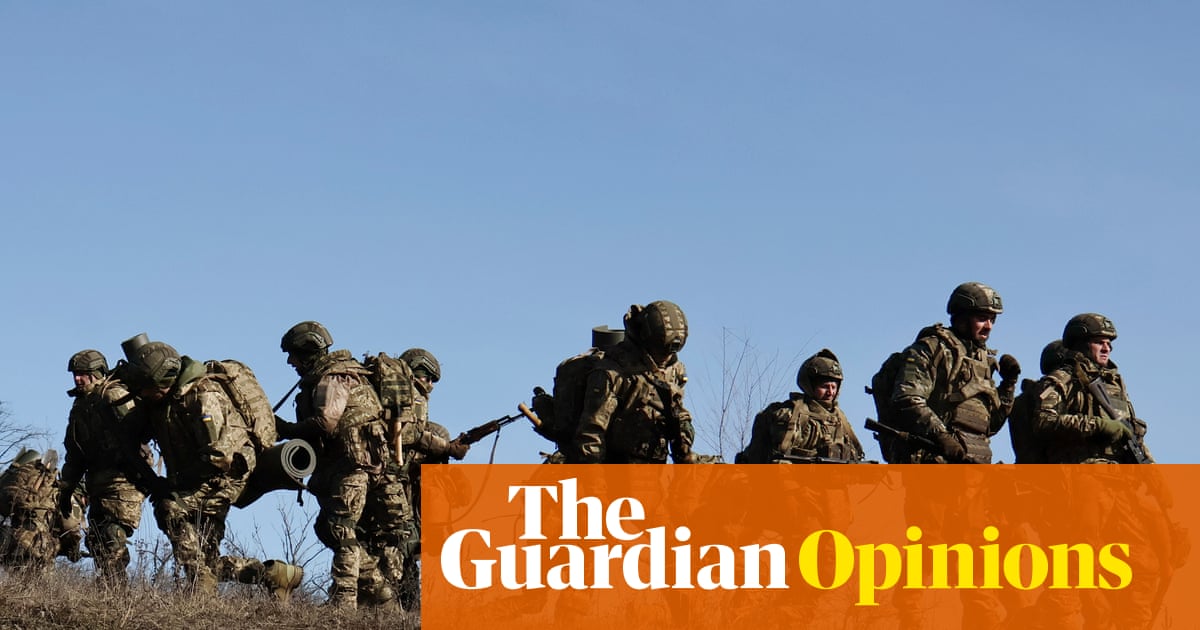
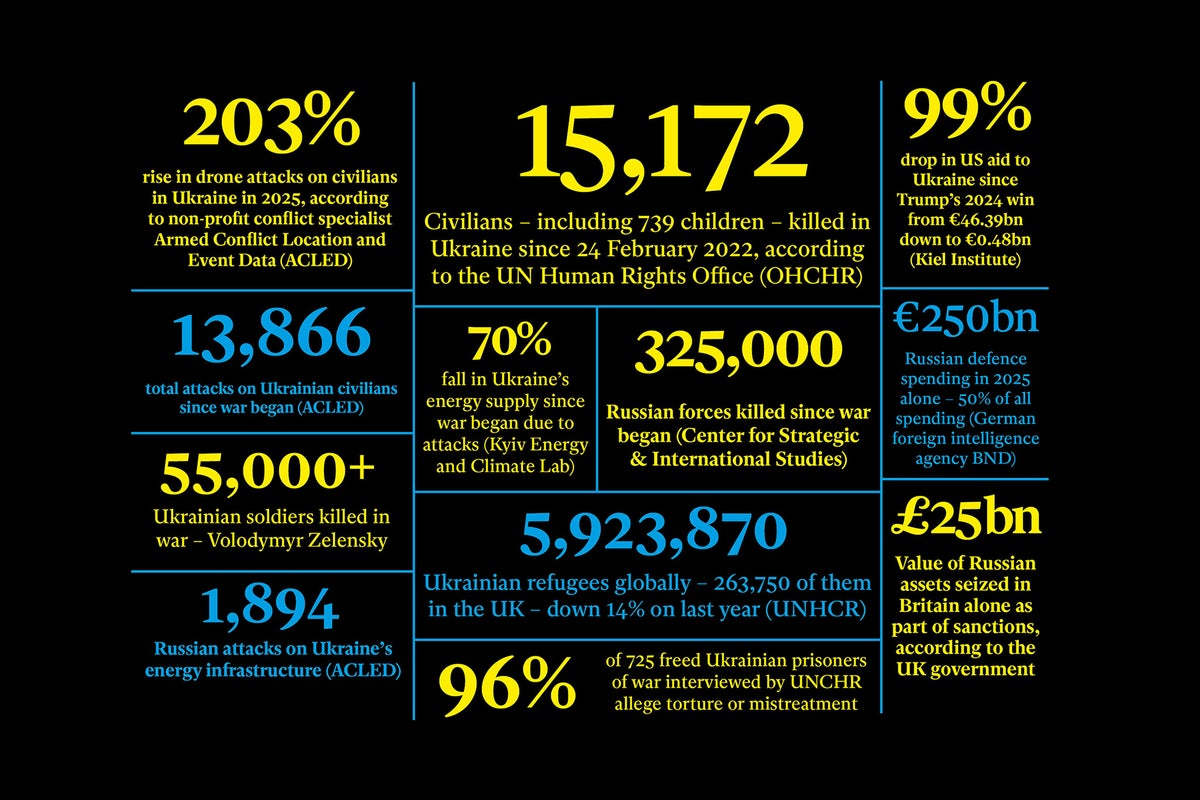
our years after Vladimir Putin launched the biggest conflict on European soil since the second world war, the human cost of his revanchist ambition mounts ever higher. Across a 750-mile frontline in the east of Ukraine, Russian forces make minimal progress despite relentless attrition, advancing more slowly than troops during the battle of the Somme. In 2025, the estimated number of Russian casualties in “the meat grinder” was 415,000.
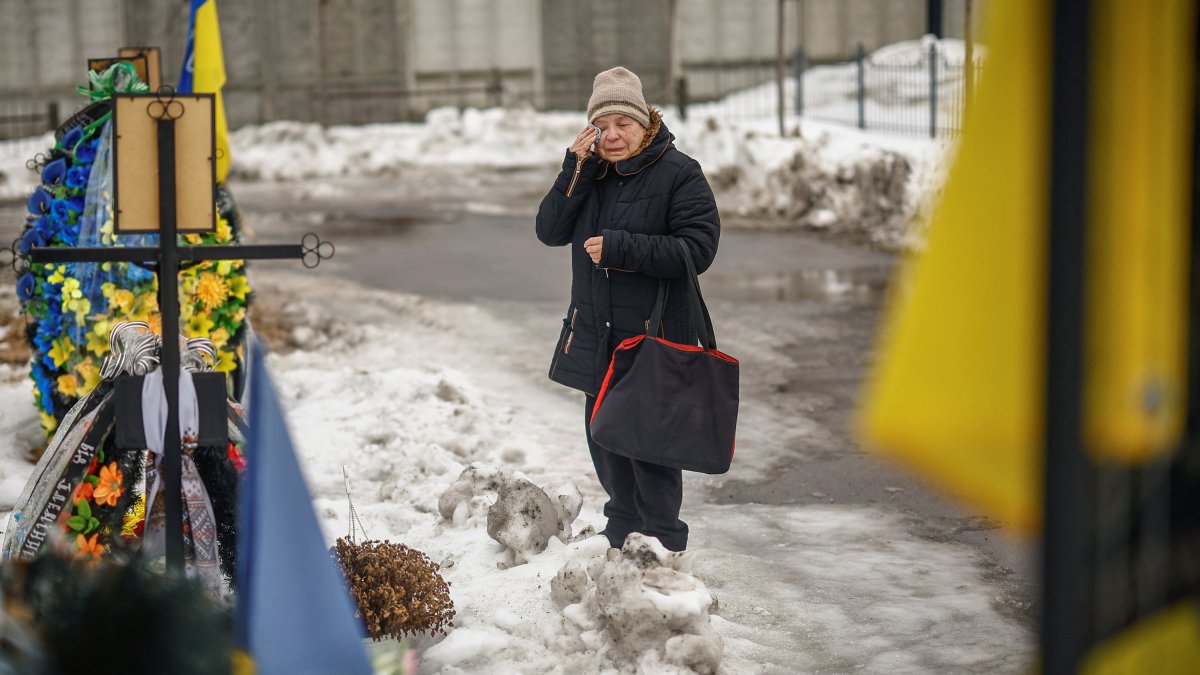
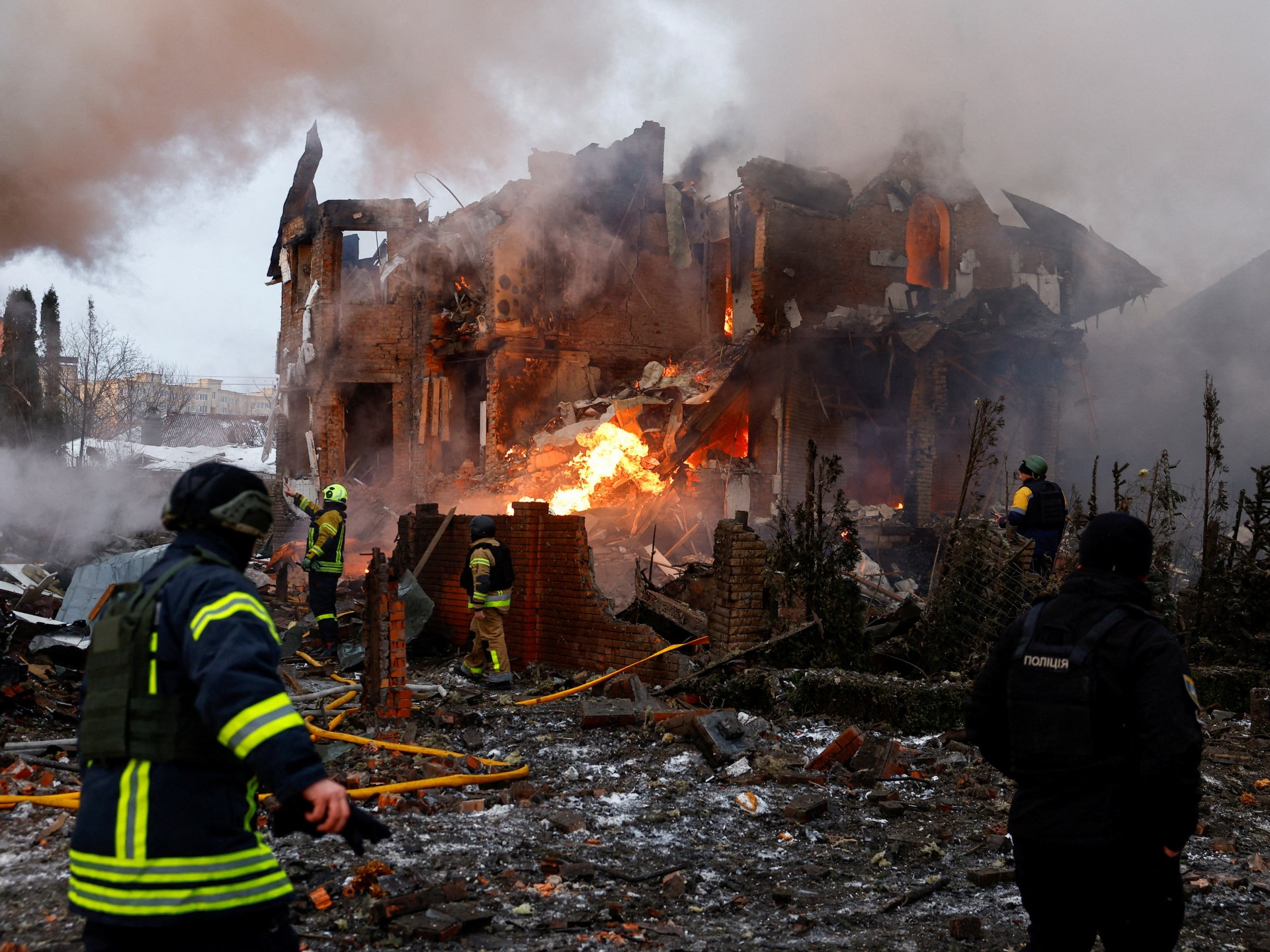
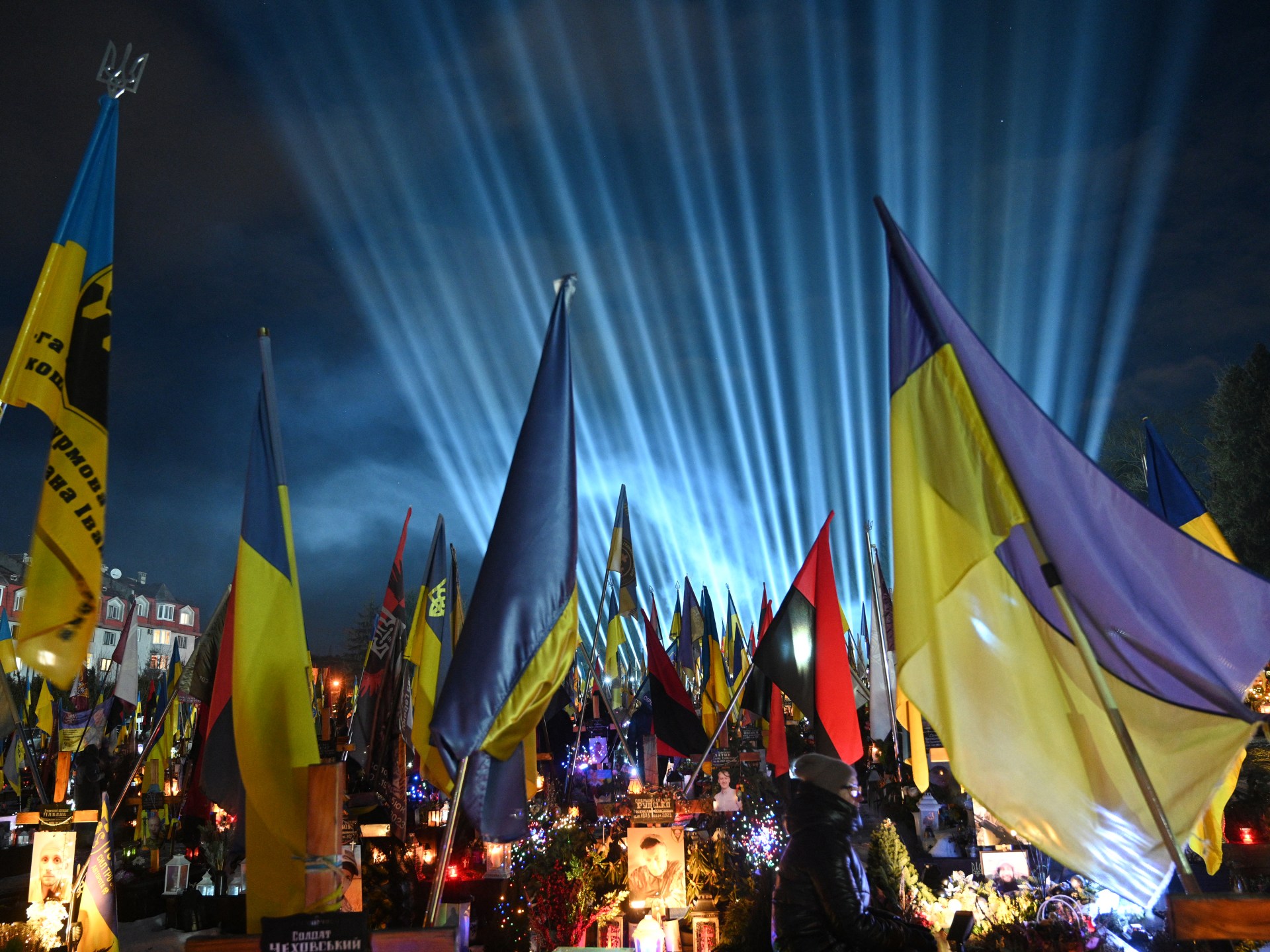
For Ukraine, the suffering will scar generations to come. Battlefield casualties are estimated to be about 600,000. Since the invasion, as many as 6 million people have been displaced inside the country and 4 million, mainly women and children, have left. Civilian deaths soared last year as Russia stepped up its bombing campaign of cities and infrastructure in an effort to break Ukrainians’ will.
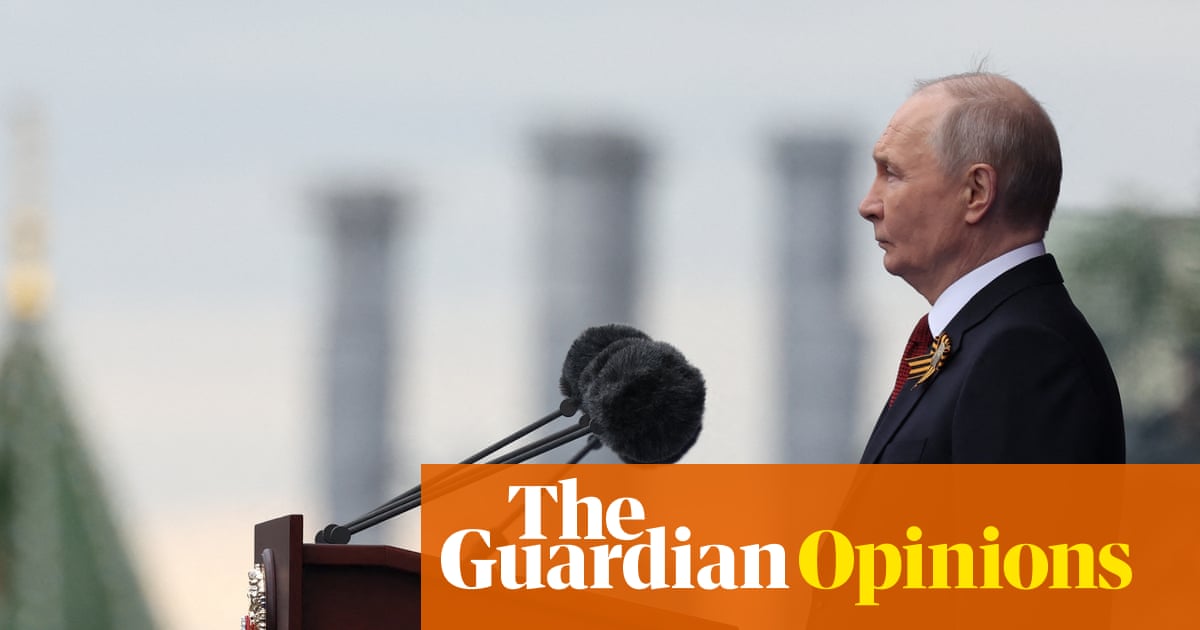
But though exhausted and longing for peace, Ukraine is not broken. In February 2022, Mr Putin believed that his “special military operation” would be over in weeks. Since that historic miscalculation, Moscow’s attempt to outlast Kyiv’s ability and willingness to resist has only produced a virtual military stalemate and continuing defiance. Latterly, European solidarity with Volodymyr Zelenskyy empowered him to reject Donald Trump’s bullying proposals for a carve-up of territory, in which unconquered land in the Donbas region would be surrendered to Russia.