I looked back to discover the untold story of how western intelligence was misread, even in Kyiv. The conclusion offers a stark warning for the future
T
uesday marked the fourth anniversary of Vladimir Putin’s full-scale invasion of Ukraine, and at this time of year it’s hard not to recall memories of the morning of 24 February 2022, when the fate of Ukraine and the history of Europe were irrevocably changed by the decision of the man in the Kremlin.
Around 9pm the evening before, I had received a message from a colleague at another news outlet. It was an unequivocal warning from an intelligence source that the war would start that night. We discussed it among the Guardian’s Ukraine reporting team and international editors. My colleague Emma Graham-Harrison, who was on an overnight train from Kyiv towards the frontline city of Mariupol, decided she would get off halfway, in the middle of the night, and beg a spot on the first train heading back to Kyiv. It turned out to be a wise move: Mariupol was soon under siege and the scene of much of the worst carnage of the war. Emma remained in Kyiv, part of our team covering the initial Russian attack on the capital.
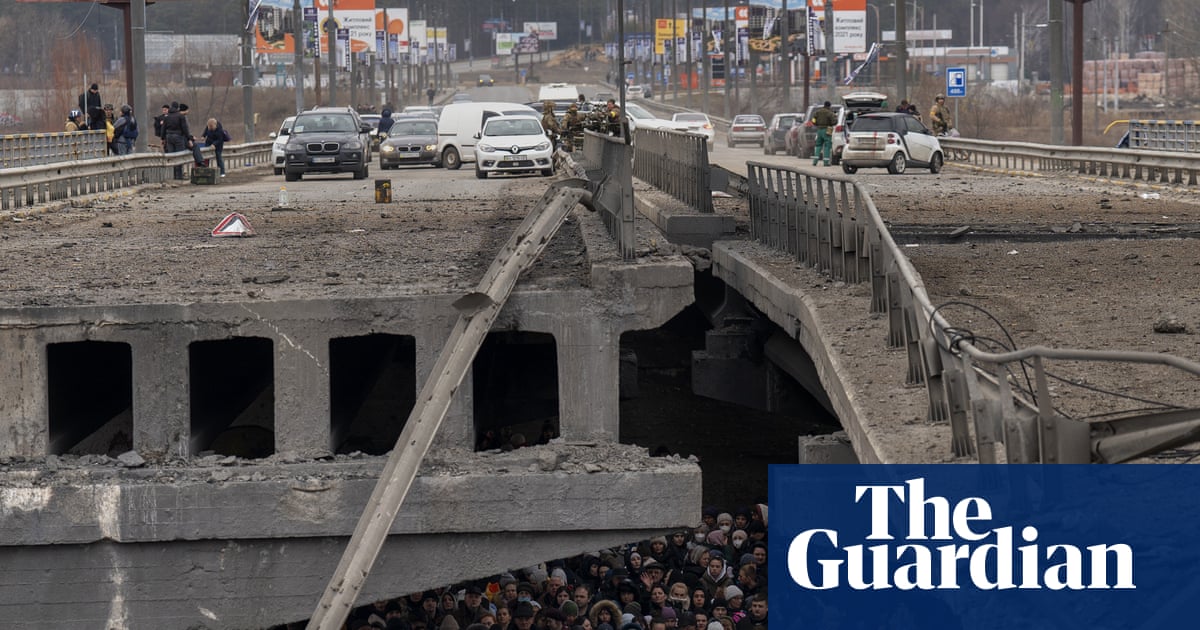
Four years later, millions of Ukrainians have been forced to adapt to the grim reality of living in a war zone. They have been through the withdrawal of Russian forces from Kyiv and the atrocities they left in their wake, the euphoria of the liberation of Kherson and other cities, which soon settled into the kind of grinding attritional war we see today. On this fourth anniversary, many worry that Donald Trump’s negotiations will lead nowhere and the war will continue for months or years to come.