Will US intelligence learn its lessons from the Iraq war, and just how badly their legitimacy has been undermined?
F
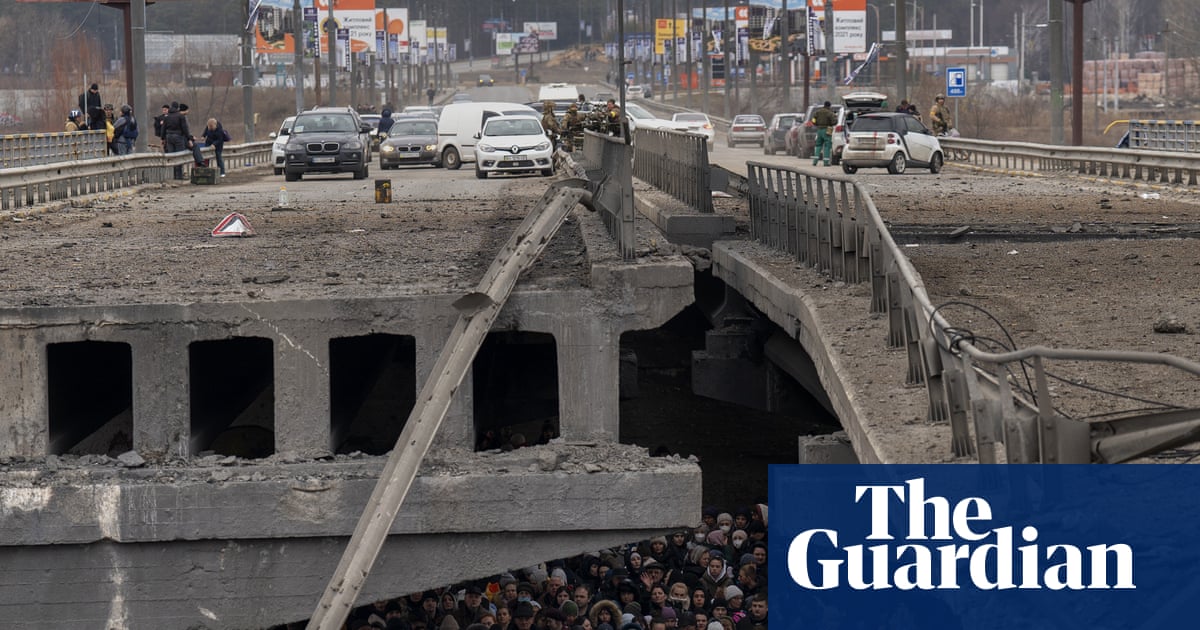
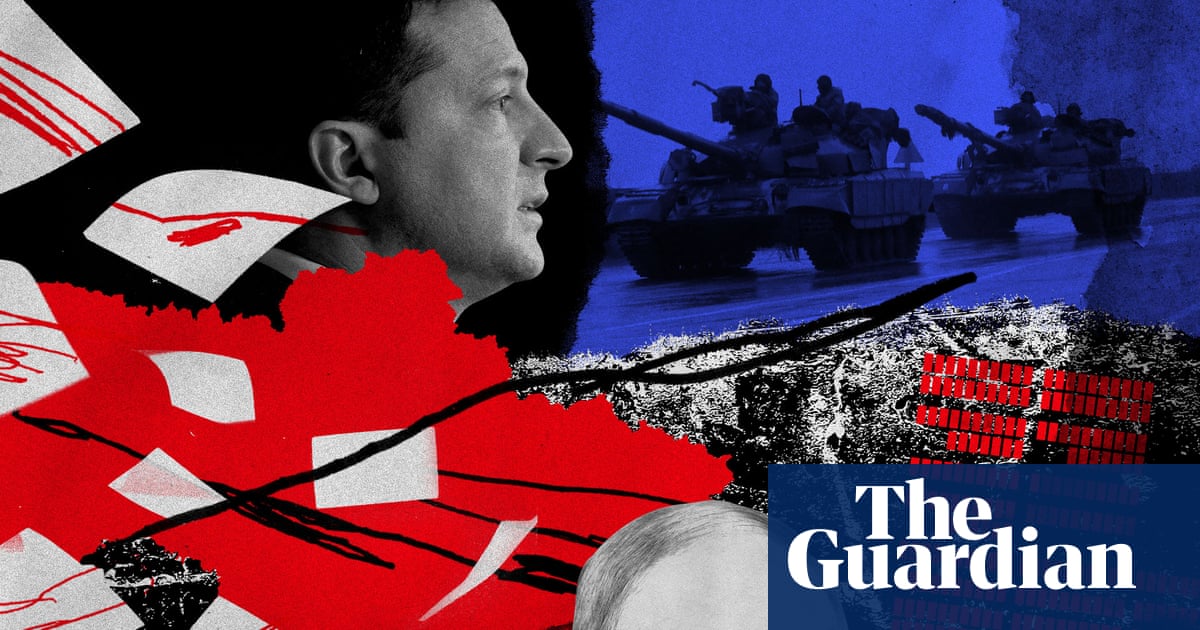
our years ago, on 24 February 2022, the Russian military began its full-scale invasion of Ukraine, having already occupied Crimea since 2014. Tensions between Ukraine’s government and western leaders on one side and the Kremlin on the other had been escalating for years, but war did not seem like a foregone conclusion, at least not to key European politicians and even to Volodymyr Zelenskyy, the Ukrainian president.
Zelenskyy hadn’t even packed an emergency suitcase, though talk of war was everywhere. All that changed at 4.50am that Thursday morning. Russian missiles rained down on the Ukrainian capital of Kyiv, and Russian troops invaded the eastern flank of the country on three different fronts. Zelenskyy and his family fled to an undisclosed location amid threats of Russian assassination squads. What has become the largest war on European soil since the second world war, what Putin has blandly called a “special military operation”, had begun.
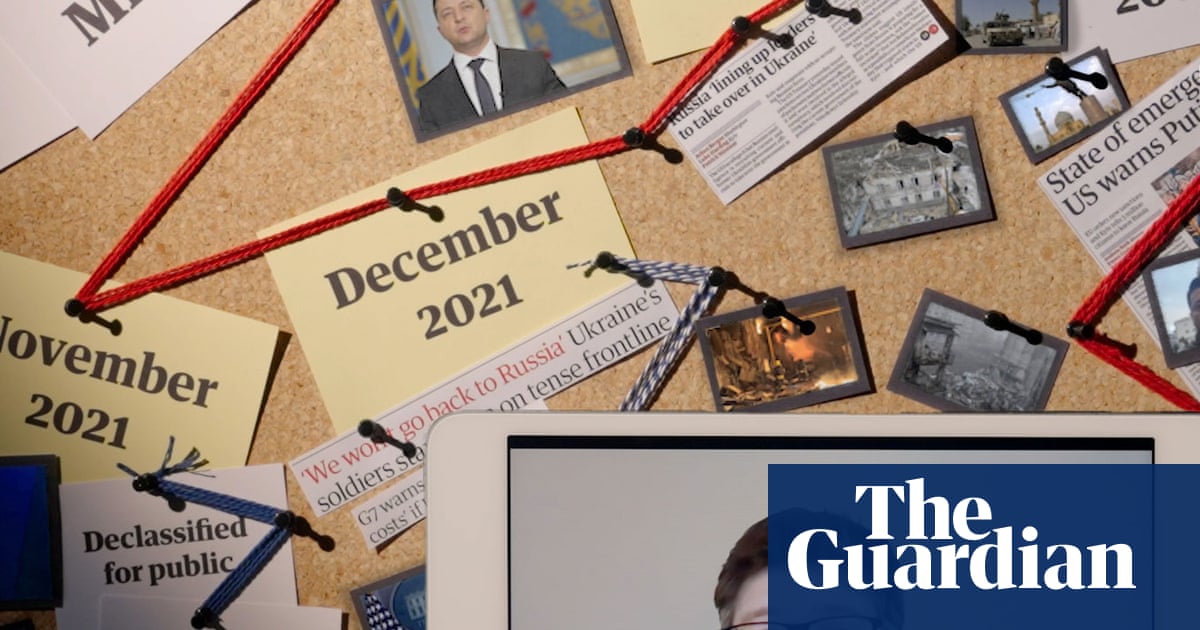
Was the onset of this war a surprise? We now know, thanks to a deeply reported article by the Guardian’s central and eastern Europe correspondent Shaun Walker, that both the CIA and MI6 had amassed troves of deep intelligence about the impending war and were issuing dire notices to their allies about the inevitability of an invasion by Putin. Those warnings were all but ignored in key European capitals. Why? In large part because US and British intelligence were considered untrustworthy after the extraordinary intelligence debacle in the run-up to the 2003 invasion of Iraq.