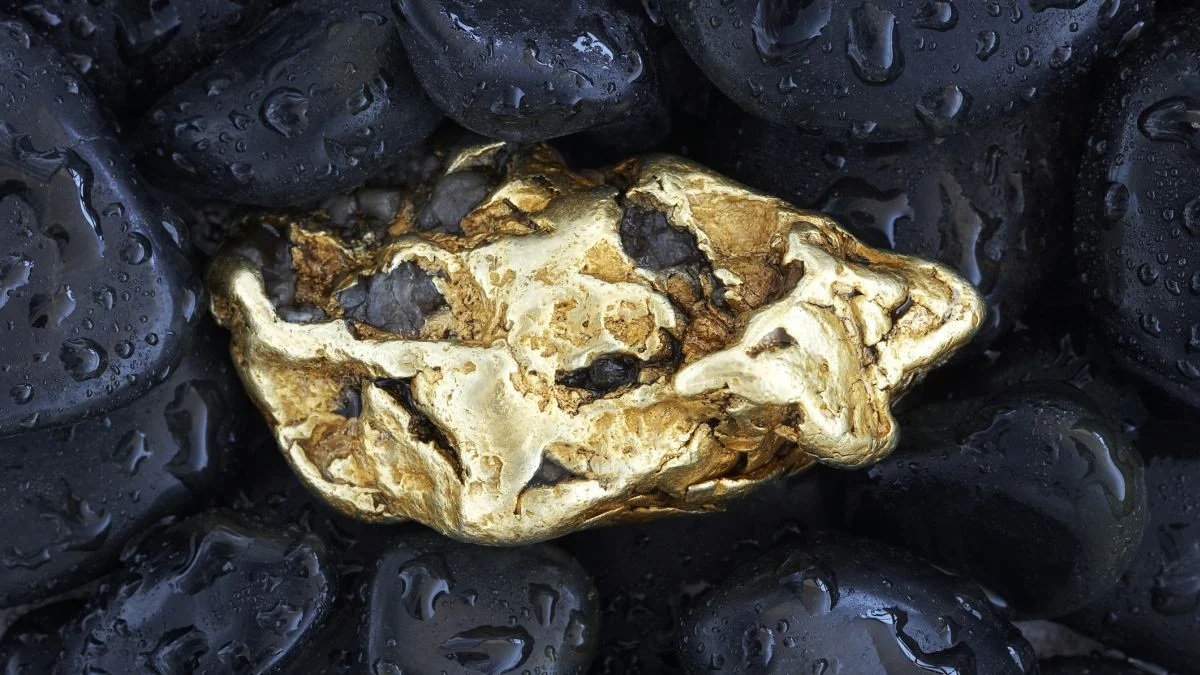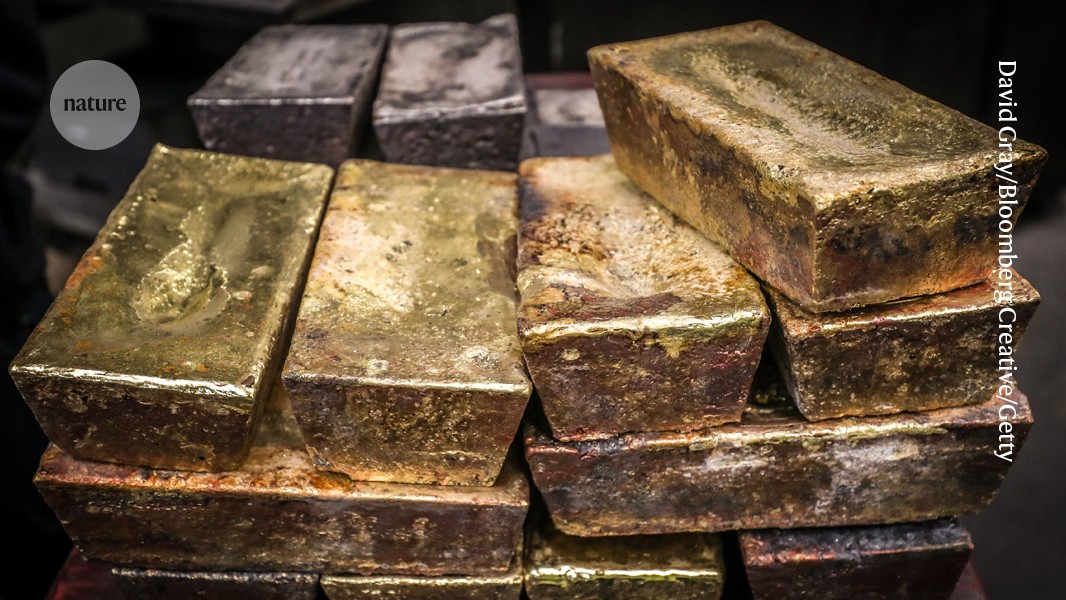
If you own gold jewelry, you might notice that it doesn’t tarnish as easily as other materials, like silver. For a long time, scientists understood that this was because gold doesn’t interact strongly with oxygen, although the exact physical mechanisms behind this property weren’t as well understood. But a new discovery, published today in Physical Review Letters, finally identifies how gold retains its golden glow for so long. Essentially, gold’s surface atoms rearrange themselves into distinct patterns that suppress oxygen reactions by a factor of a billion to a trillion. This microscopic barrier helps gold retain its characteristic shininess, according to a press release. What’s more, because gold is a key element for many important chemical reactions, the new understanding could open new avenues for research in chemistry. “People have generally thought gold doesn’t tarnish simply because it doesn’t interact strongly with oxygen,” Matthew Montemore, the study’s co-author and a chemical engineer at Tulane University, said in the release. “What we show is that for two of the most common gold surface types, the surface atoms actually rearrange themselves in a way that makes the gold much more resistant to oxidation.”
Scientists Identify Atomic Trick That Keeps Gold Shiny
Gold’s characteristic glow famously doesn’t fade for thousands of years—and scientists have finally found the molecular trick that makes it so.
637 words~3 min read