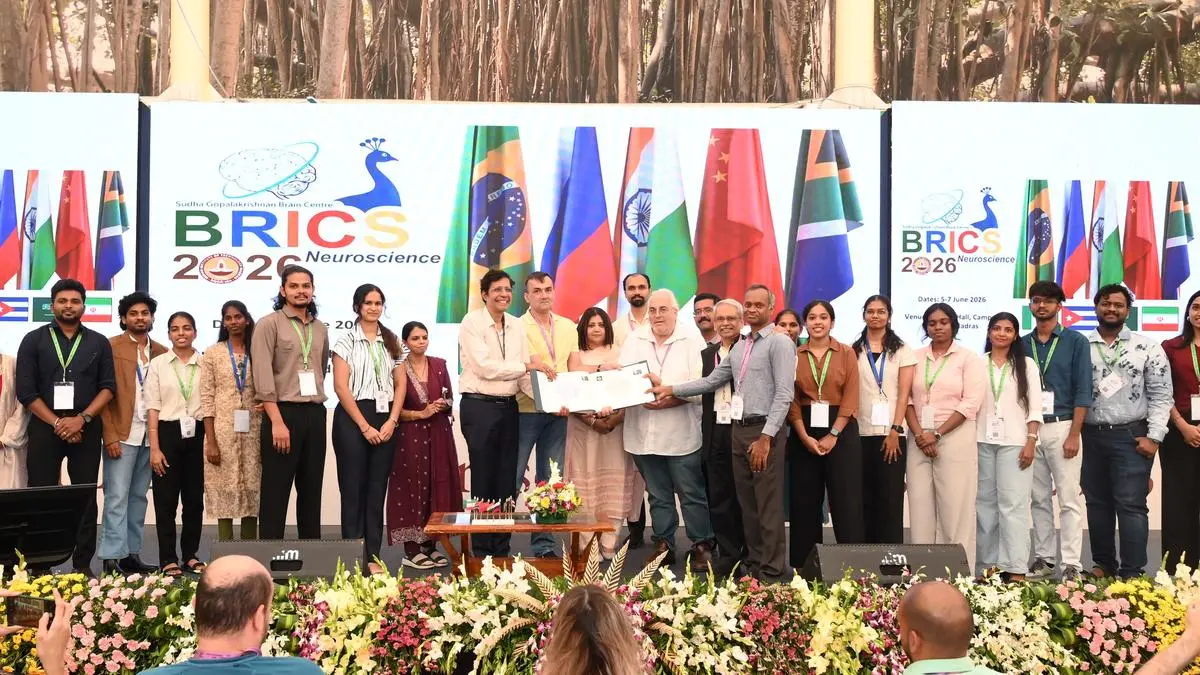
The ‘ANCHOR’ human brainstem atlas being released during the 3rd BRICS Neuroscience Symposium 2026 on 6th June 2026 at IIT Madras
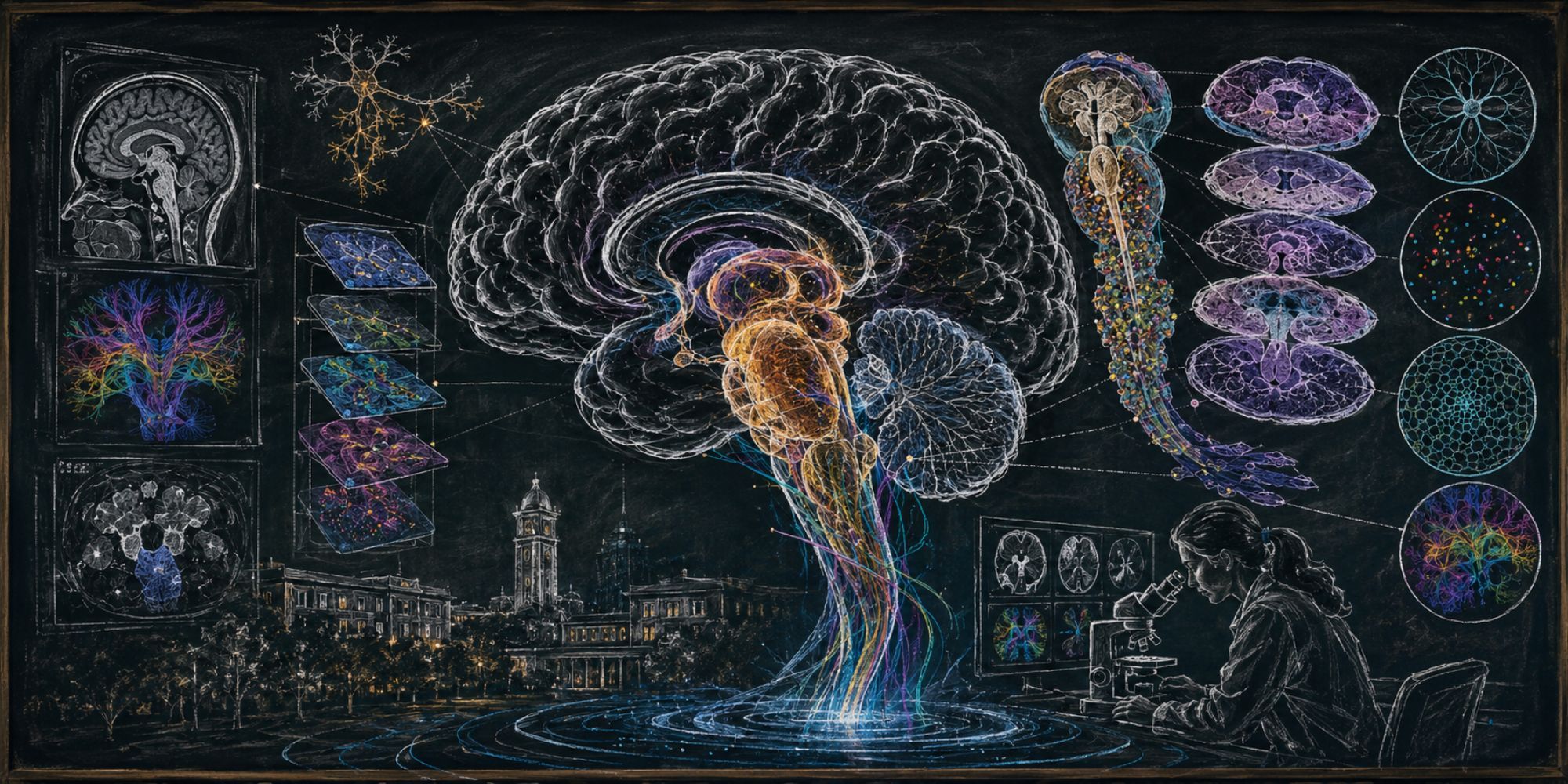
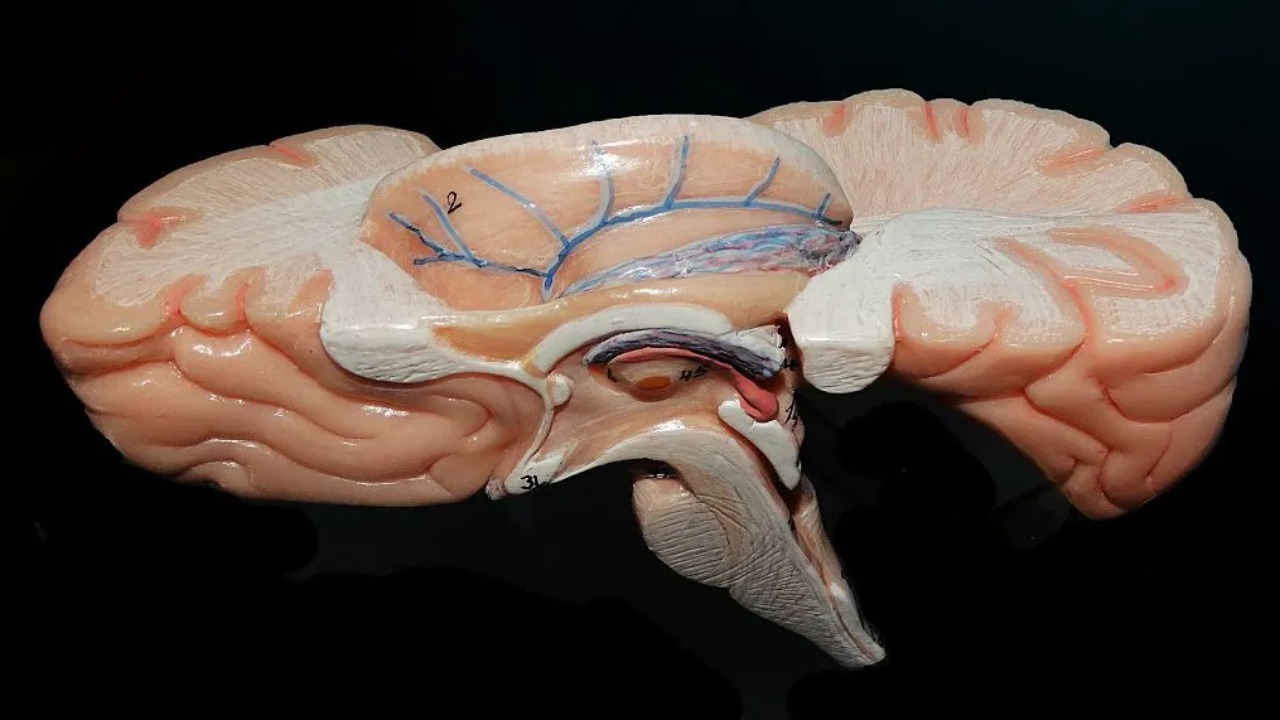
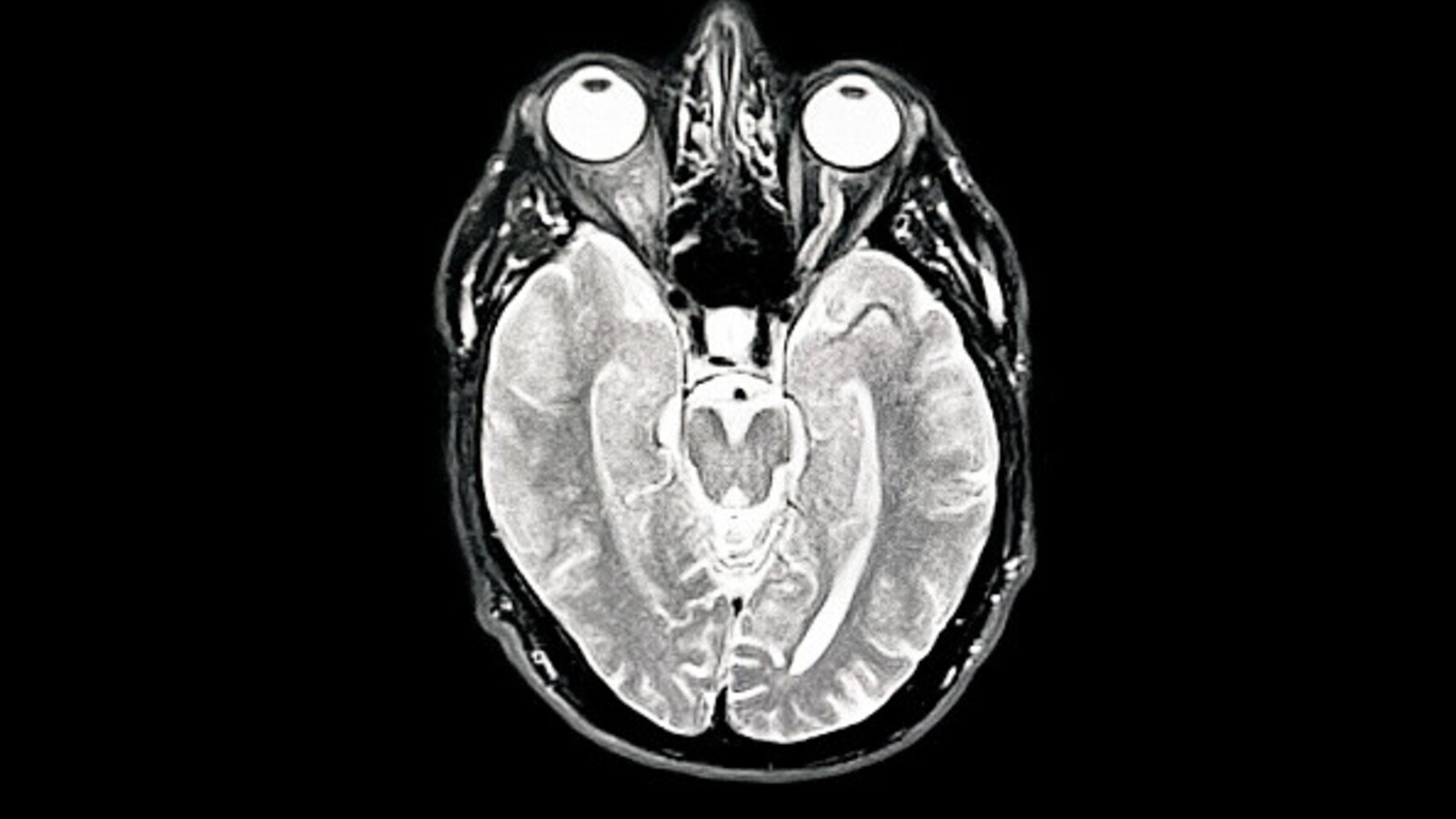
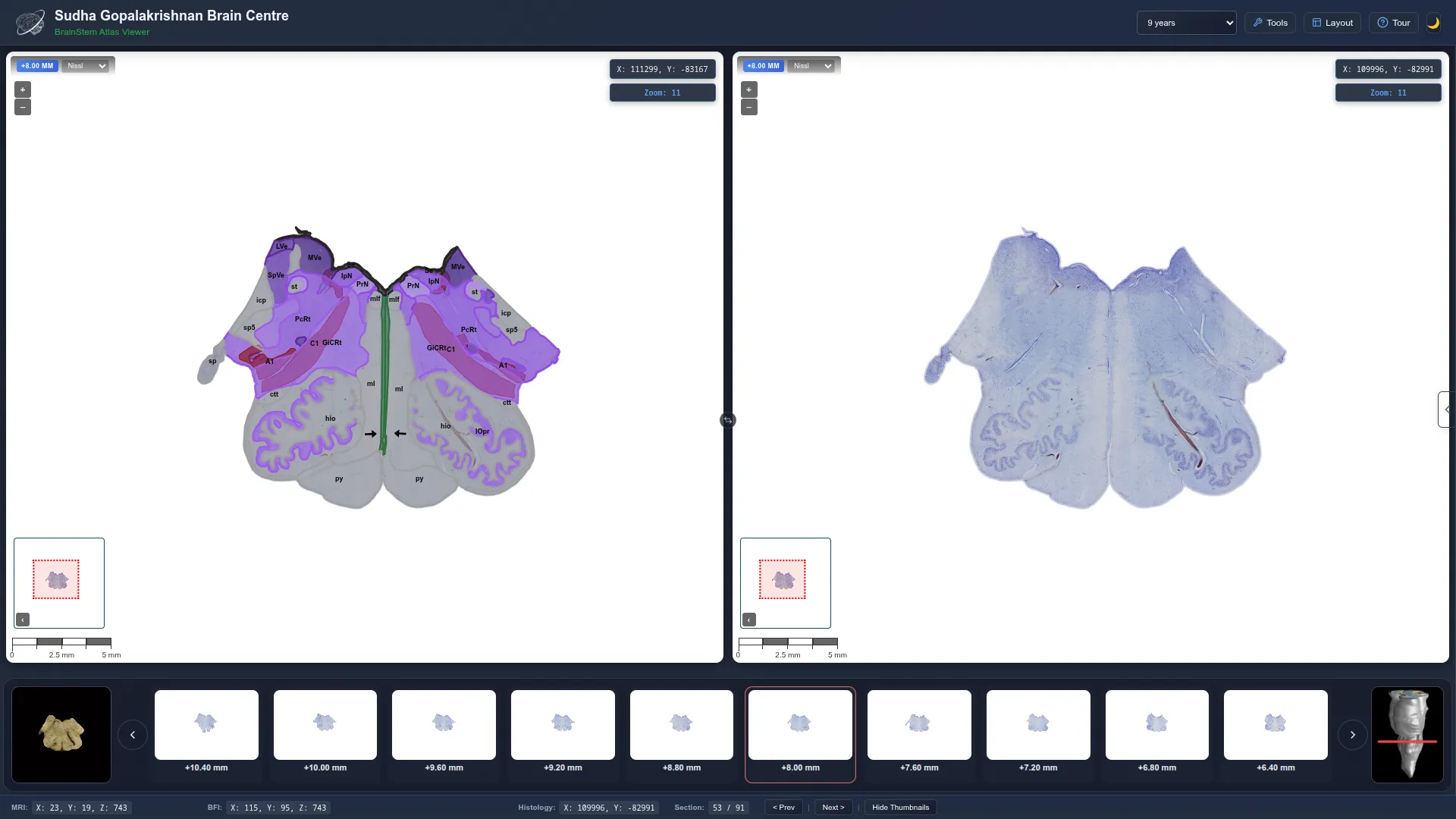
The Indian Institute of Technology Madras’ (IIT Madras) Sudha Gopalakrishnan Brain Centre (SGBC) has released the world’s most detailed 3D Atlas (a collection of images) of the human brainstem, through its high throughput brain imaging and computing platform that transforms whole human brains into 3D cell-resolution atlases.Called the ‘ANCHOR’ (Atlas of Neurochemical Characterization of the human brainstem with 3D Reconstruction), the Atlas comprises the most comprehensive, multi-modal, 3D maps and atlases of the human brainstem to date spanning from prenatal period to childhood and adult brains.These maps encompass more than 200 brainstem nuclei and fiber tracts, reconstructed from hundreds of serial sections.The researchers have made ANCHOR publicly available through the website - https://anchor.humanbrain.in – to ensure that this cutting-edge research benefits researchers, clinicians and patients around the world.Prof. Mohanasankar Sivaprakasam, Head, SGBC, told businessline that this is the first time in the world such a detailed human brain stem map has been created by imaging brain stem at different points in human life. Currently if one wants to understand the brain stem, they can only look at it from a MRI or a CT and that’s essentially at a millimeter level resolution, but the brain stem is made of hundreds of nuclei and they are at a micron level, he explained.“Given that, the ANCHOR is not only a scientific accomplishment, but also something that the medicine/clinical field will hugely benefit from,” he said. “Because for the first time we will know how a brain stem looks like in detail, in much higher resolution than the MRI or CT; it will have applications in the field of brain surgery,” he noted.As per Prof Sivaprakasam, the feat involved taking the brain stem -which more or less looks like a carrot- slicing it into 10 to 20 micron thins (with a micron being one-fifth of human hair in fineness), and then putting the slices through a series of chemical and biological processes. They are then mapped and annotated digitally and perfectly aligned to recreate the brainstem and that is where the advanced AI imaging tools and high performance computing come in.Talking about the mission of the brain centre and its goals, Sivaprakasam said they are currently on the path to map over 100 whole brains across the human lifespan and neurological diseases. “Over the next 2 years maybe, we will complete this mission,” he adds.The SGBC at IIT Madras is primarily funded through foundational contributions by Infosys co-founder Kris Gopalakrishnan and his wife Sudha Gopalakrishnan. Additionally, the centre receives dedicated grant support from various private institutions and philantrophic organisations. It started with seed support from the Government of India and Infosys’ Gopalakrishnan.SGBC aims to build the most comprehensive set of cell resolution human brain maps across life span and diseases. The Centre is today a global interdisciplinary team featuring more than 200 researchers, engineers and technicians working with 20 collaborators from different countries.ANCHOR was released during the 3rd BRICS Neuroscience Symposium 2026 held from 5th-7th June 2026 at the IIT Madras campus. The event brought together leading neuroscientists, clinicians, academicians and researchers from BRICS Nations.It was released in the presence of Prof. Ajay Kumar Sood, Principal Scientific Adviser to the Government of India, who was the chief guest at the event. Kris Gopalakrishnan, Co-founder, Infosys, who has provided significant support to SGBC, Prof. V. Kamakoti, Director, IIT Madras and Prof Sivaprakasam, were also present along with industry leaders, donors and philanthropists who support the Centre besides researchers from across the world.Prof. V. Kamakoti, Director, IIT Madras, said,” This Centre is also studying brains affected by different diseases like rabies, dementia and Alzheimer’s disease. We now have a way by which we can say what happens to the basic structure of the brain due to diseases. This is a very important first step in understanding what happens in the human brain.”IIT Madras Distinguished Alumnus and Infosys co-founder Kris Gopalakrishnan said, “I hope this will make important contributions to neuroscience in the world. In India, we have the awareness of affordable science and affordable technology because ultimately technology must serve the society and the people.”Published on June 12, 2026