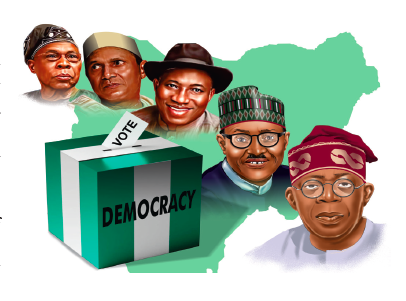
Much more needs to be done to make democracy meaningful
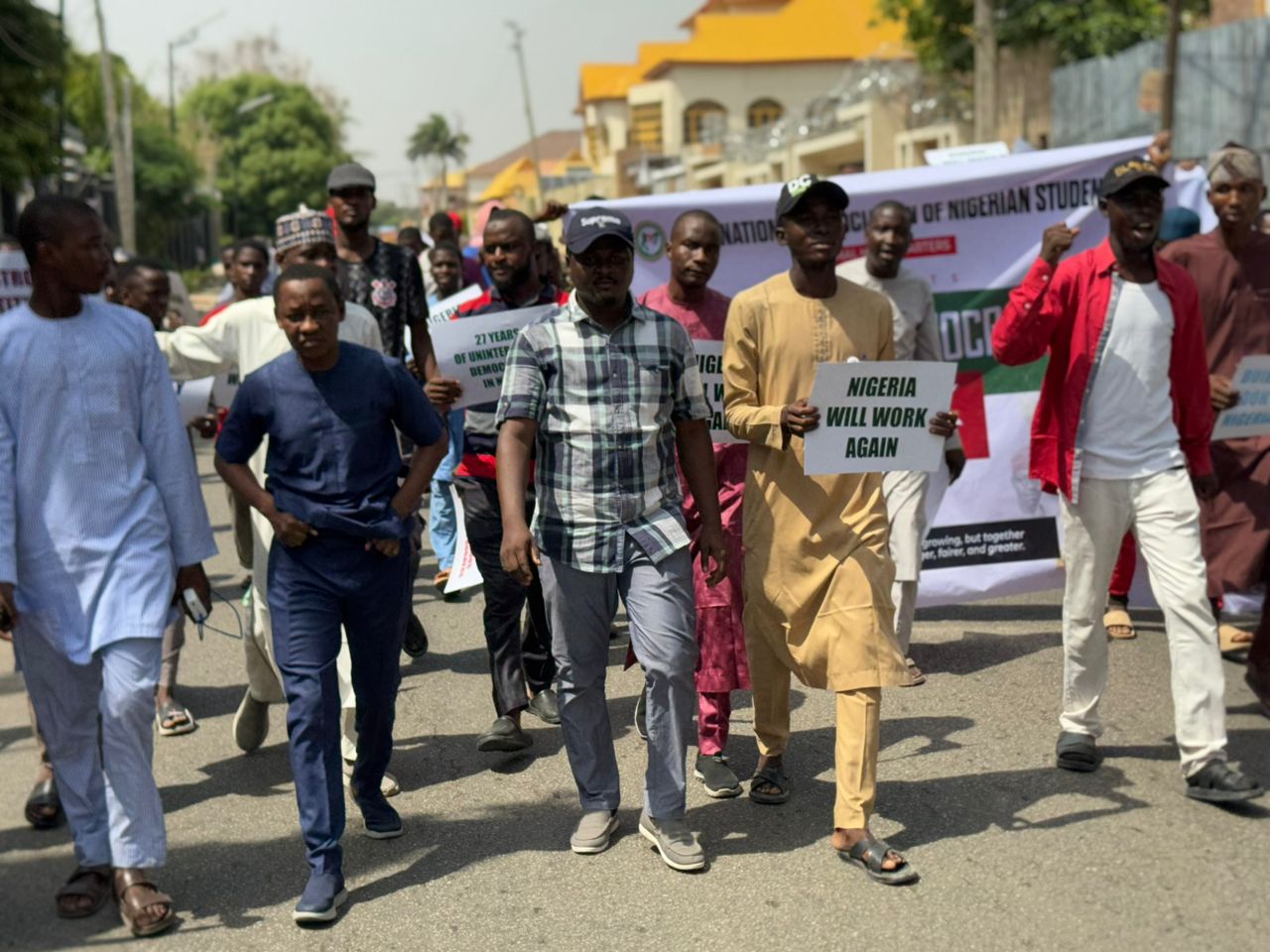
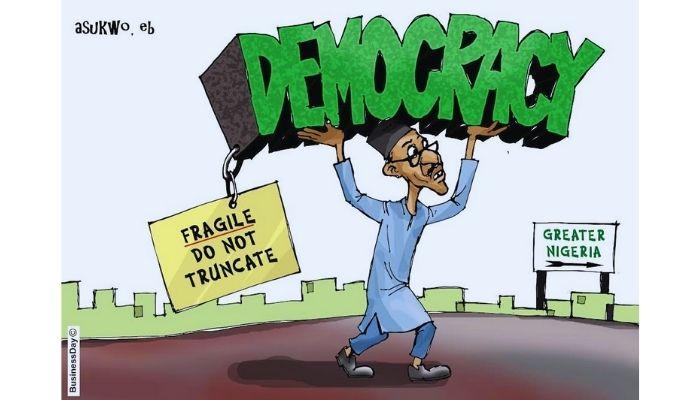
As Nigeria marks another Democracy Day, it is important to note that the last 27 years have been the longest stretch of civilian government in our history. Indeed, longer than all our earlier republics combined. Under the current dispensation, Nigeria has also transferred power from one political party to another at the ballot box, a thing that once seemed impossible. Today, Nigerians argue loudly and in public. Our citizens take to the streets, as the Nigeria Union of Teachers (NUT) and civil society groups have done in Oyo, Kano, Lagos, Plateau, and beyond these past weeks. That right to protest, petition, and vote their choice is the machinery of a free society. And Nigerians exercise it so routinely that they now take it for granted.
Even on the economy, where the pain has been real, there are signs that the worst may be passing. Inflation that roared above 33 per cent in 2024 has been brought down to around 15 per cent; the Naira, which not long ago seemed in free fall, has steadied below N1,400 to the dollar; our foreign reserves have soared. These are not abstractions. They are the difference between the currency a family can plan its life around and one it cannot. But the same figures that comfort the policymaker offer cold consolation to the trader in Bodija market or the civil servant in Kaduna, for whom the price of a bag of rice and a litre of fuel remains punishing, and for whom ‘easing inflation’ still means prices that rise, only a little more slowly. A macroeconomy can stabilise while a household sinks, and democracy is judged, in the end, not in the briefing rooms of Abuja but at the kitchen table.