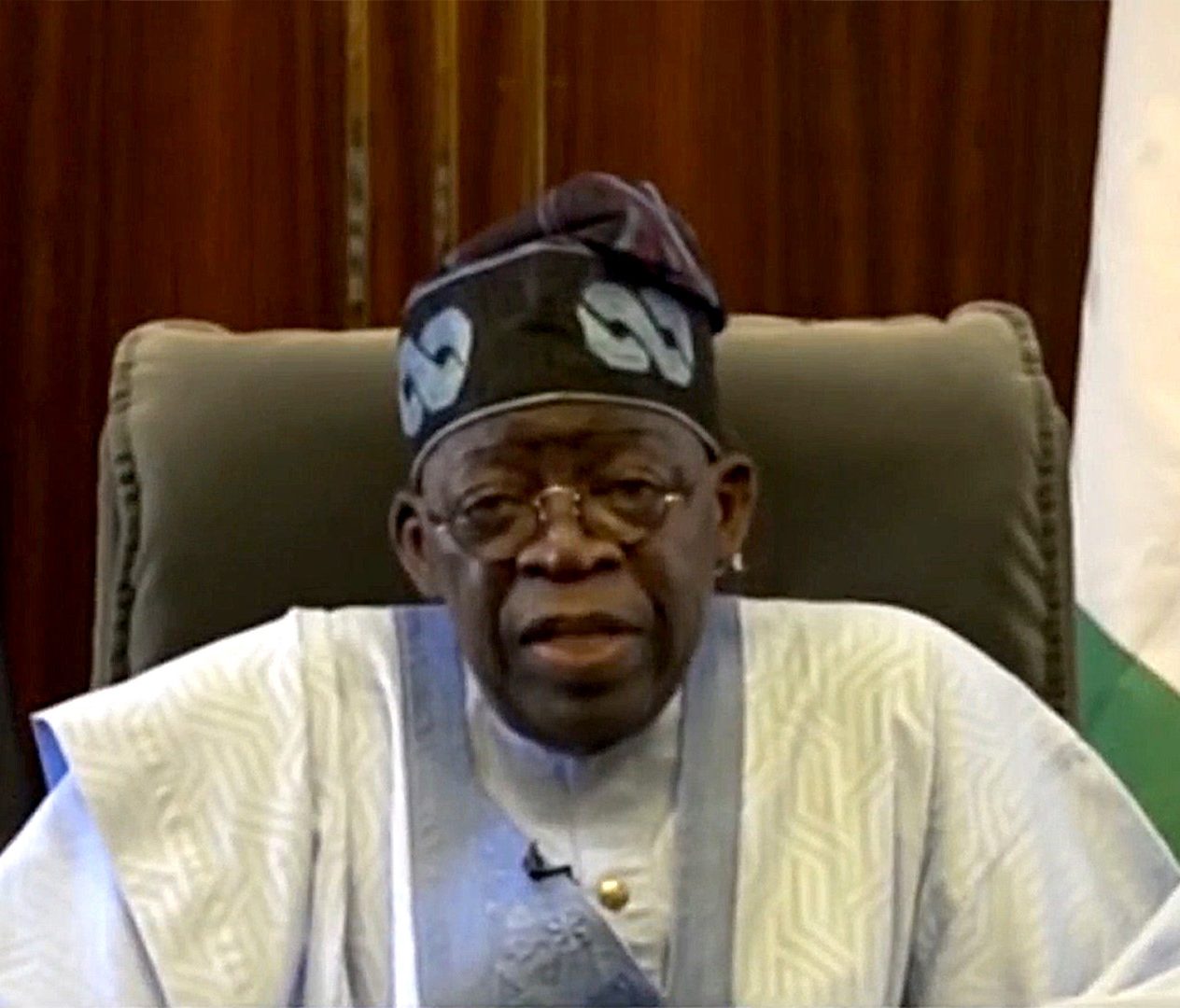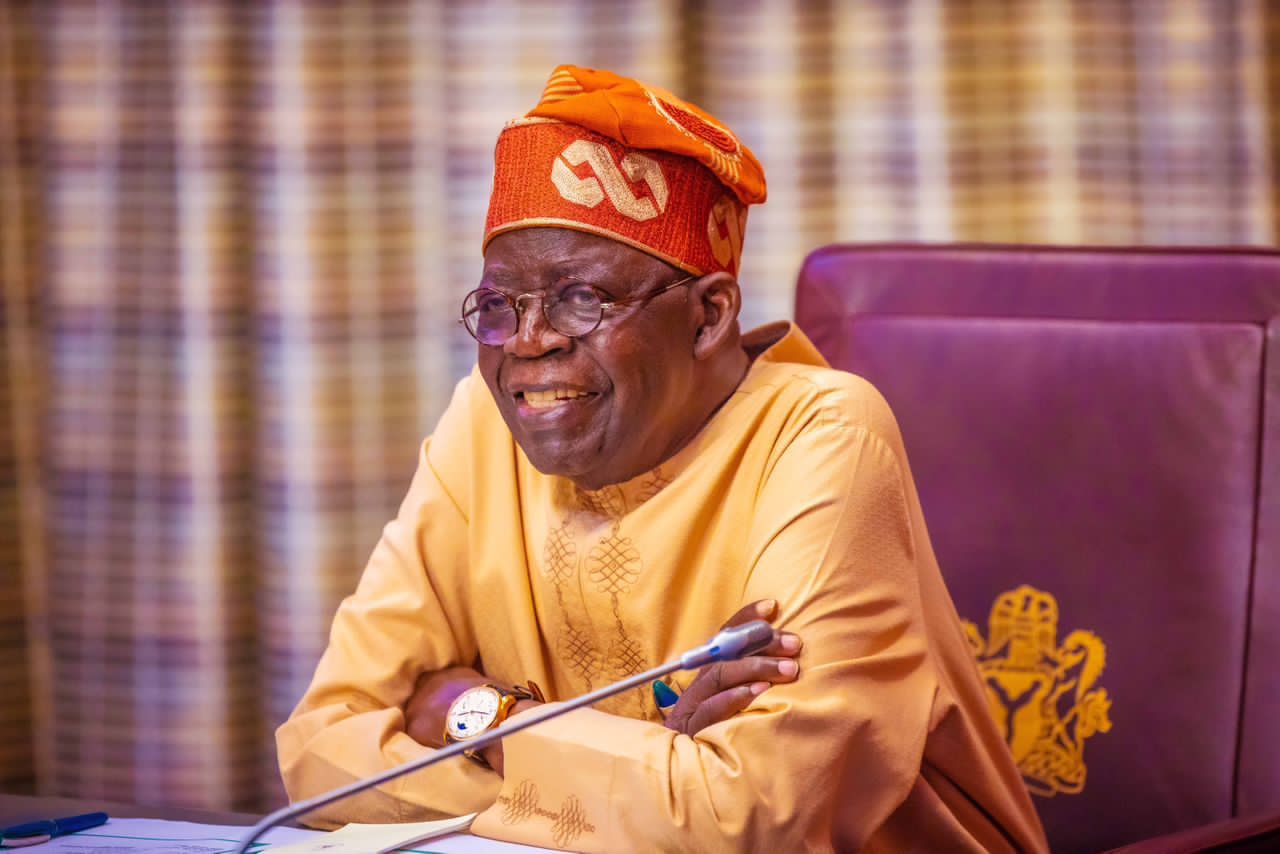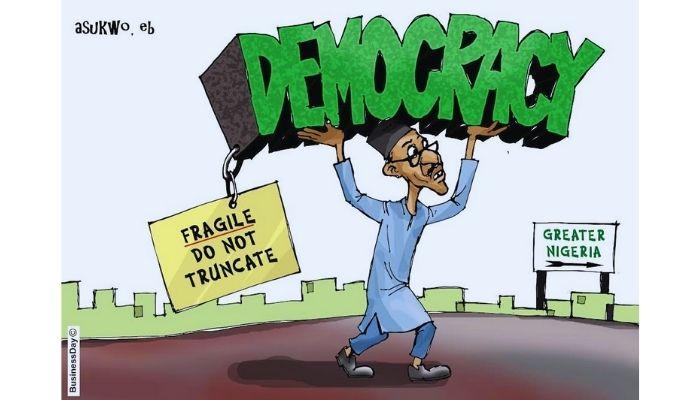
As Nigeria marks twenty-seven years of uninterrupted democratic governance and three years of President Bola Ahmed Tinubu’s administration, two significant assessments of the nation’s condition have emerged almost simultaneously. One comes from the International Monetary Fund (IMF), a global financial institution whose verdicts often influence international perceptions and investor confidence. The other comes from the Federal Government itself, presented during the Democracy Day briefing by top officials led by the Minister of Information and National Orientation, Mohammed Idris, and the Secretary to the Government of the Federation, Senator George Akume.
Interestingly, both narratives tell different sides of the same story. The IMF acknowledges that Nigeria’s economic reforms have strengthened macroeconomic stability and improved resilience. The Federal Government points to positive GDP growth, fiscal reforms, increased student loan disbursements, expanded social intervention programmes, improved access to consumer credit, and the country’s removal from the Financial Action Task Force (FATF) grey list as evidence that Nigeria is moving in the right direction. Yet, the IMF simultaneously warns that poverty is rising, food insecurity remains widespread, inflation continues to exert pressure on households, and more than sixty percent of Nigerians now live below the poverty line.