June 12, 2026
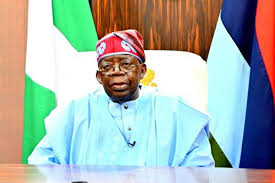
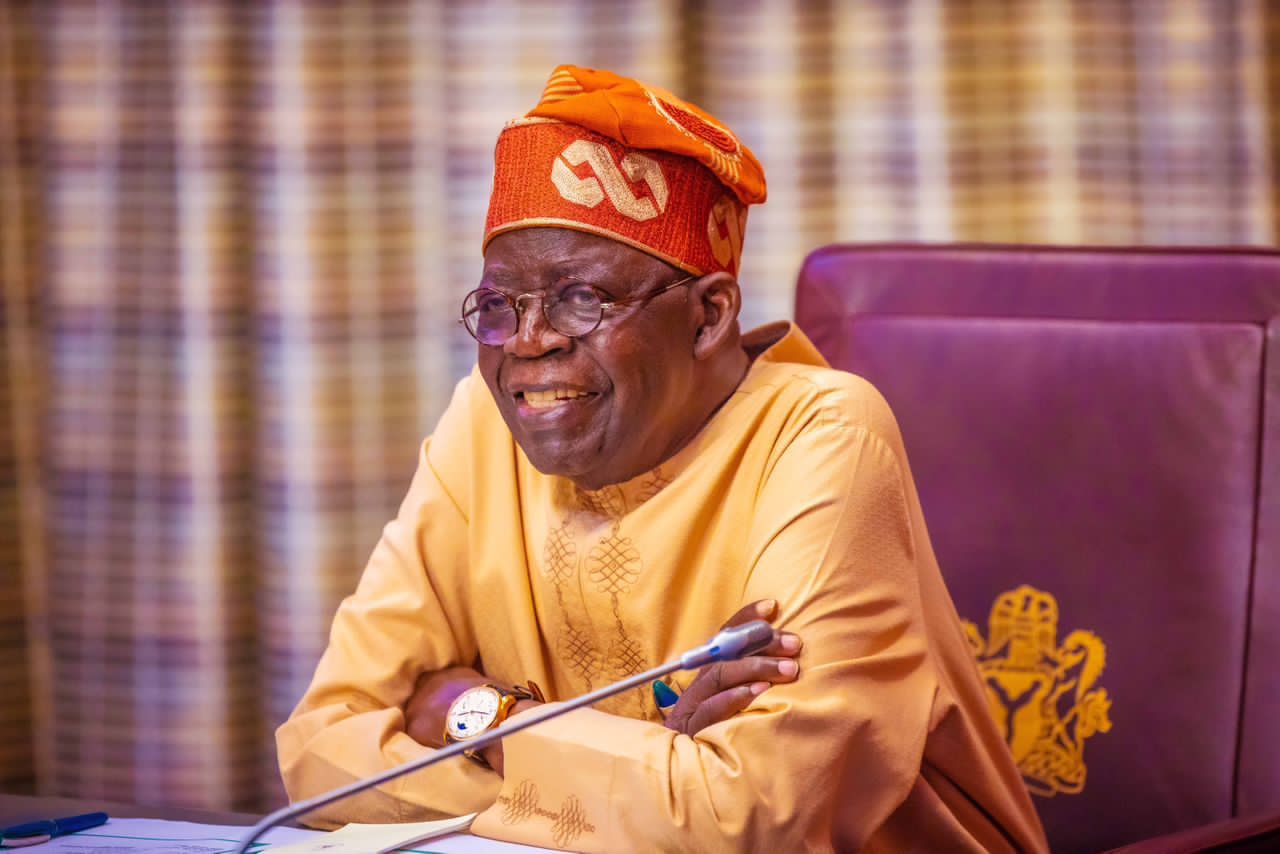
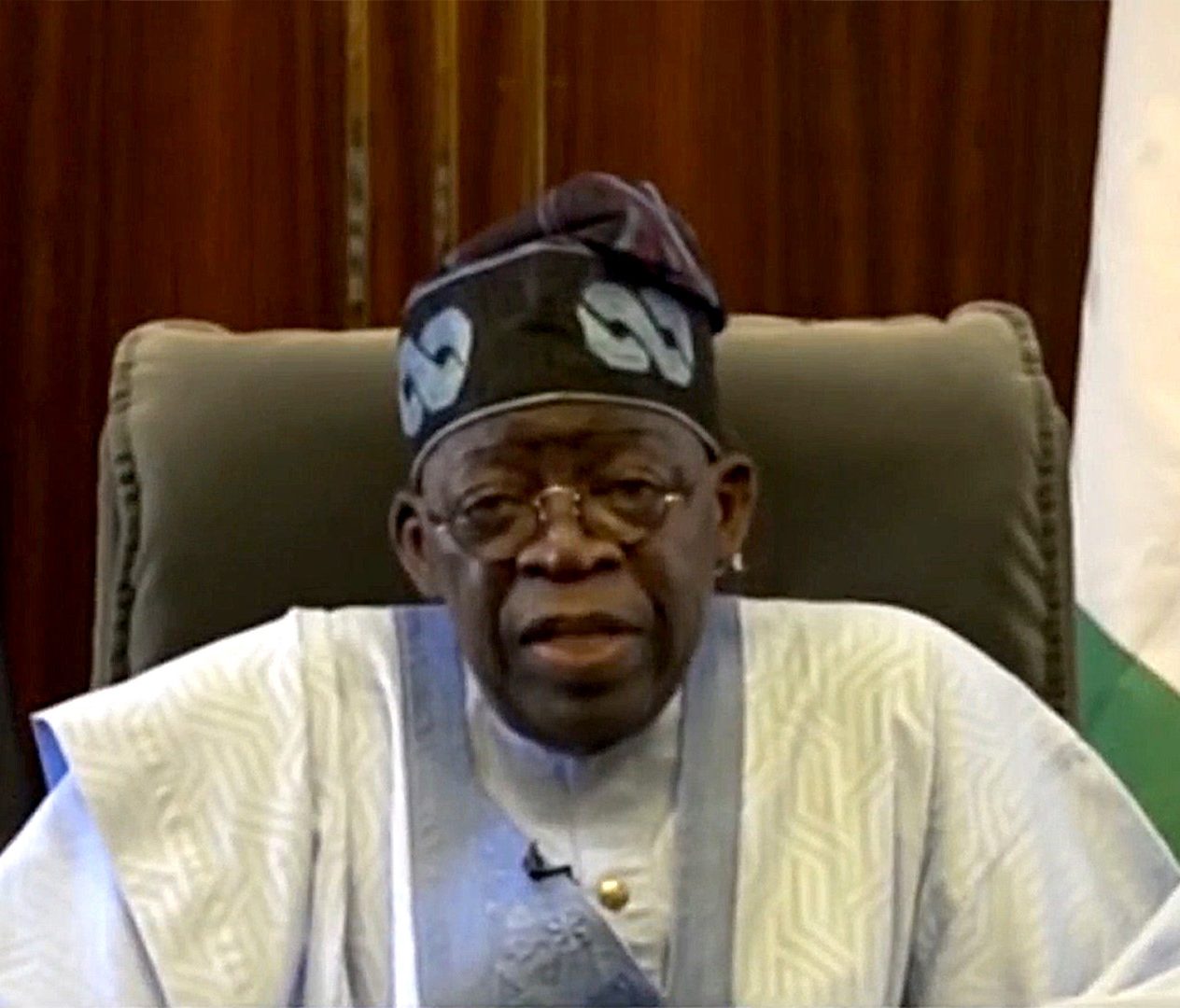
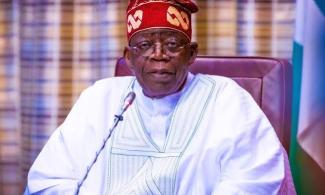
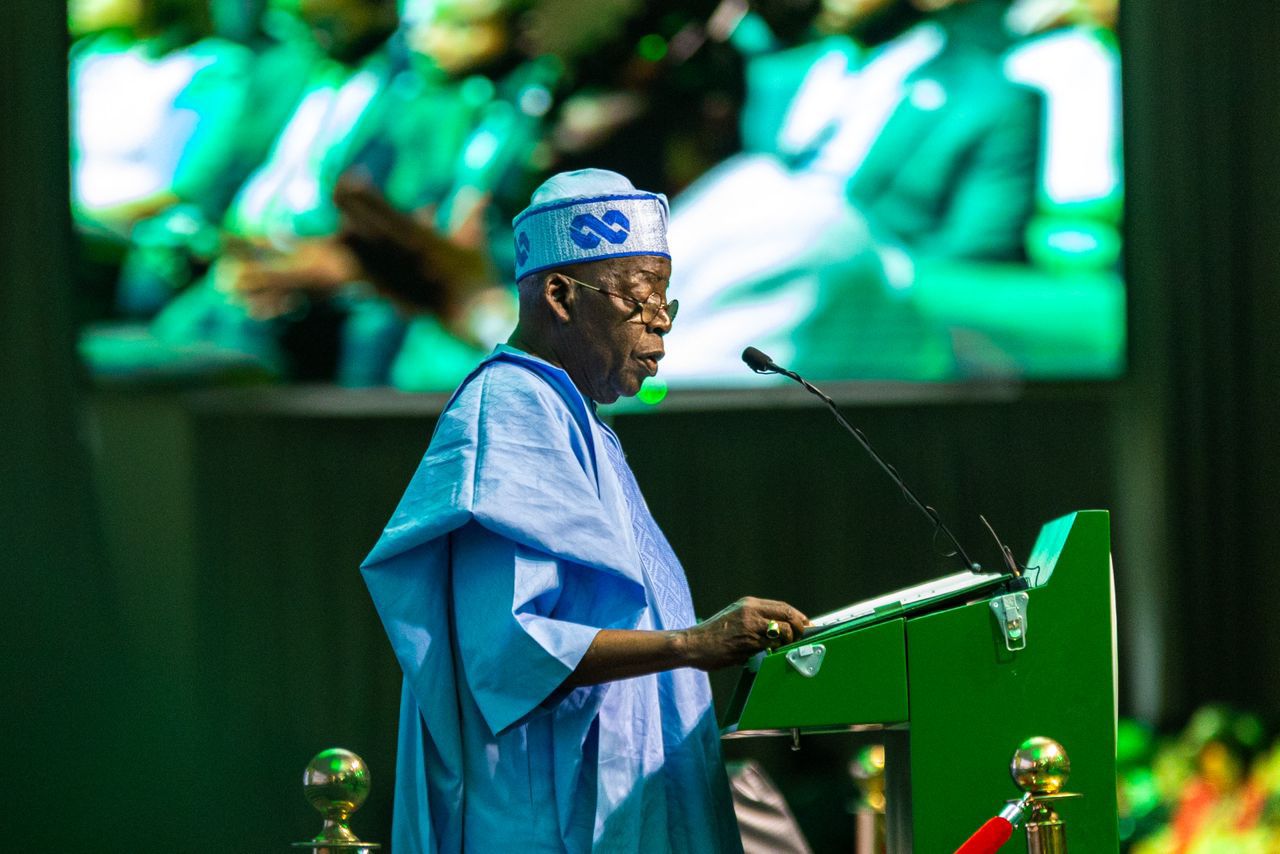
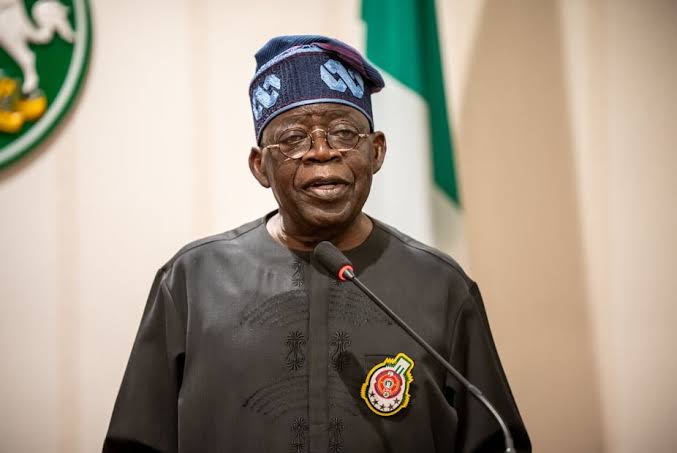
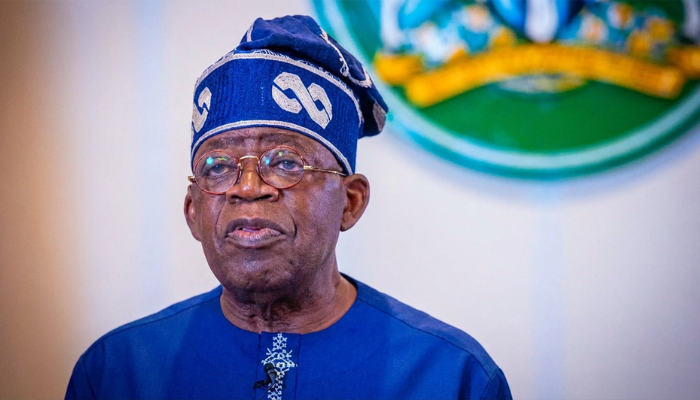
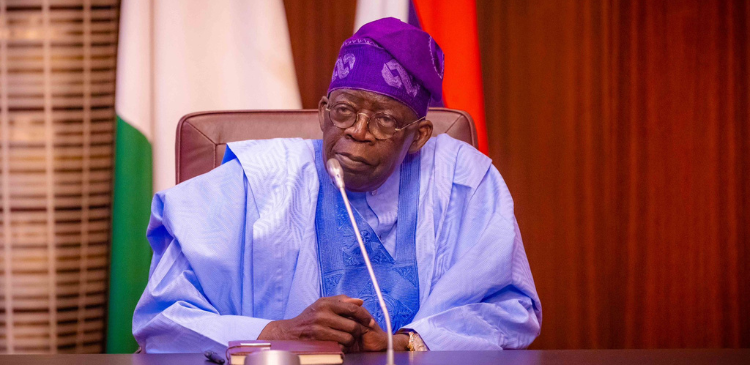
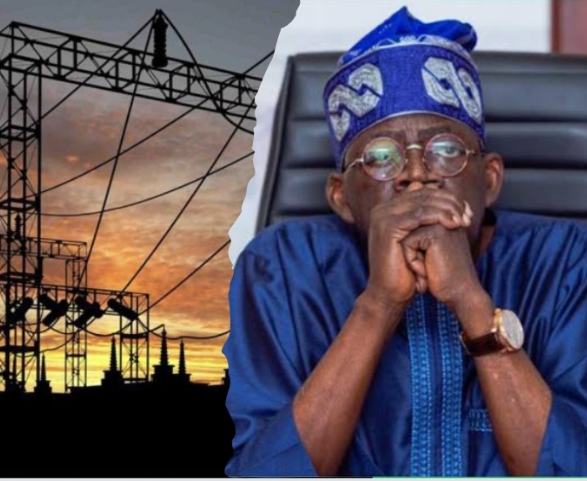
President Bola Tinubu has described reliable electricity supply as a “democratic dividend” that his administration is committed to delivering to Nigerians, saying ongoing reforms in the power sector are aimed at fixing long-standing structural challenges.
In his Democracy Day address, Tinubu said that when his government assumed office in 2023, the electricity sector was facing deep-rooted problems, including chronic generation shortfalls, unstable gas supply, and a weak transmission network that could not evacuate available power. He added that distribution companies were weighed down by heavy financial losses and a metering gap of over four million customers.
According to him, the sector was also burdened by legacy debt, while inefficiencies across the value chain meant that Nigeria’s installed generation capacity of about 13,500 megawatts was not being effectively utilised. He noted that power generation, transmission, distribution, and revenue collection all fell significantly below required levels, limiting service delivery nationwide.
To address these challenges, the president said he signed the Electricity Act, which now allows states to independently generate, transmit, and distribute electricity. He explained that this reform is intended to decentralise the power sector and improve efficiency across the value chain.