Nigeria may have maintained 27 years of uninterrupted civilian rule, but the ideals of democracy remain elusive, Davidson Iriekpen writes
On Friday, Nigeria marked 27 years of the nation’s longest period of uninterrupted civilian rule since independence in 1960. Expectedly, the federal government was highly elated, declaring its commitment to strengthening democratic governance, promoting national unity and addressing the challenges confronting the nation.
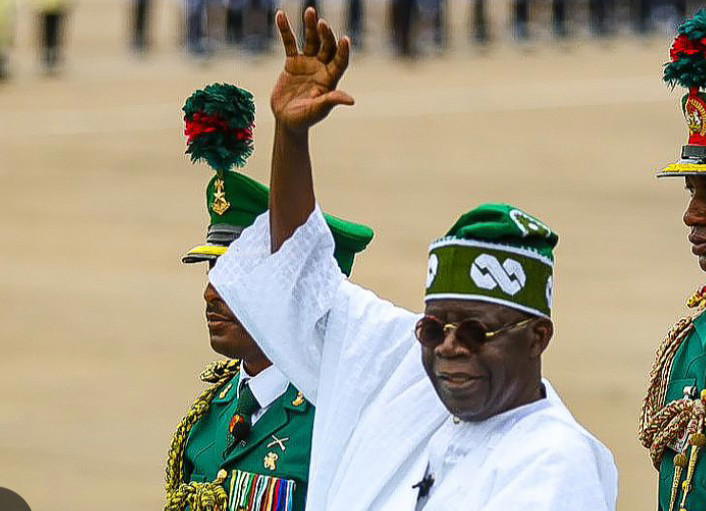
President Bola Tinubu used the occasion to again reflect on Nigeria’s democratic journey, and concluded that despite its imperfections, Nigeria’s democracy remained resilient because citizens had consistently chosen leaders through the ballot box, resolved disputes through legal institutions and ensured peaceful transitions of power.
The president called on Nigerians to unite in the fight against terrorism, banditry and kidnapping. He said such joint efforts had become imperative because the battle against insecurity cannot be left to the government alone. He assured that the country would emerge stronger and more united after overcoming terrorism.
He urged citizens to avoid ethnic profiling and blame games in the face of security challenges. He assured that the country would emerge stronger and more united after overcoming terrorism.