Listen
/
1.0x
The collapse of Bashar al-Assad’s regime in December 2024 was supposed to mark the end of an era. After more than five decades of dynastic rule and nearly fourteen years of civil war, Syria finally stood before a rare historical opening: the possibility of rebuilding a shattered state, restoring sovereignty, and reconnecting with a regional order that had long treated the country as a battleground rather than a nation. Yet almost immediately after Assad’s fall, another reality emerged. While Damascus struggled to establish authority, Israel moved with extraordinary speed to reshape the strategic landscape of southern Syria.
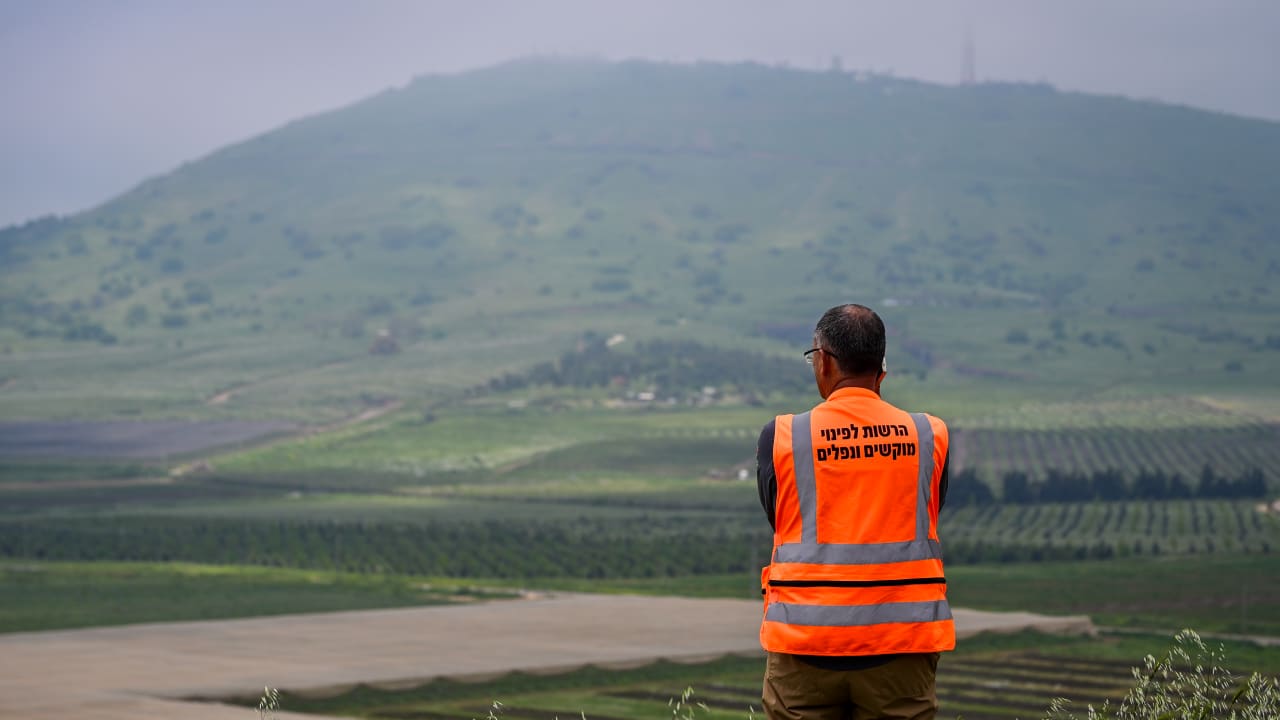
Within days, Israeli forces launched one of the largest air campaigns in their history against Syrian military infrastructure, targeting air defence systems, weapons depots, naval assets and military bases across the country. Simultaneously, Israeli troops crossed into the UN-monitored buffer zone established after the 1973 Arab-Israeli War, seized key terrain, and expanded positions reaching into Syrian territory. Most strategically significant was the occupation of parts of Mount Hermon, the commanding high ground overlooking southern Syria, Lebanon, Jordan and northern Israel.