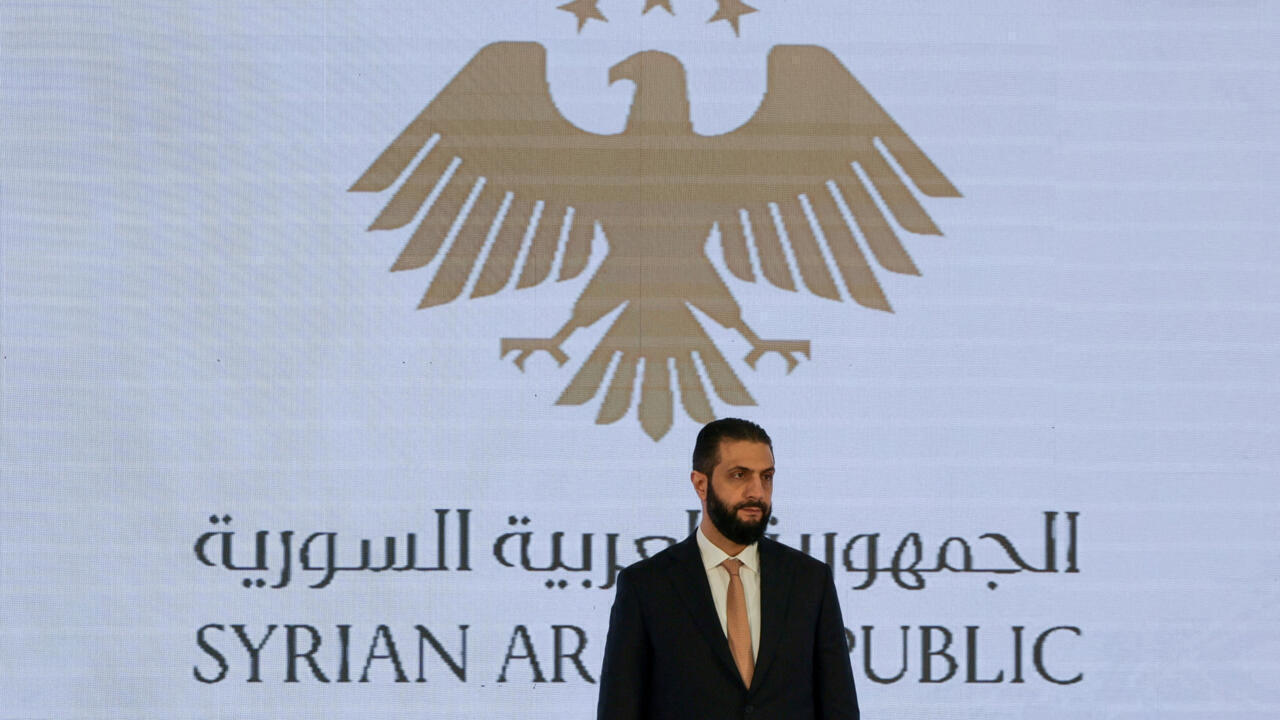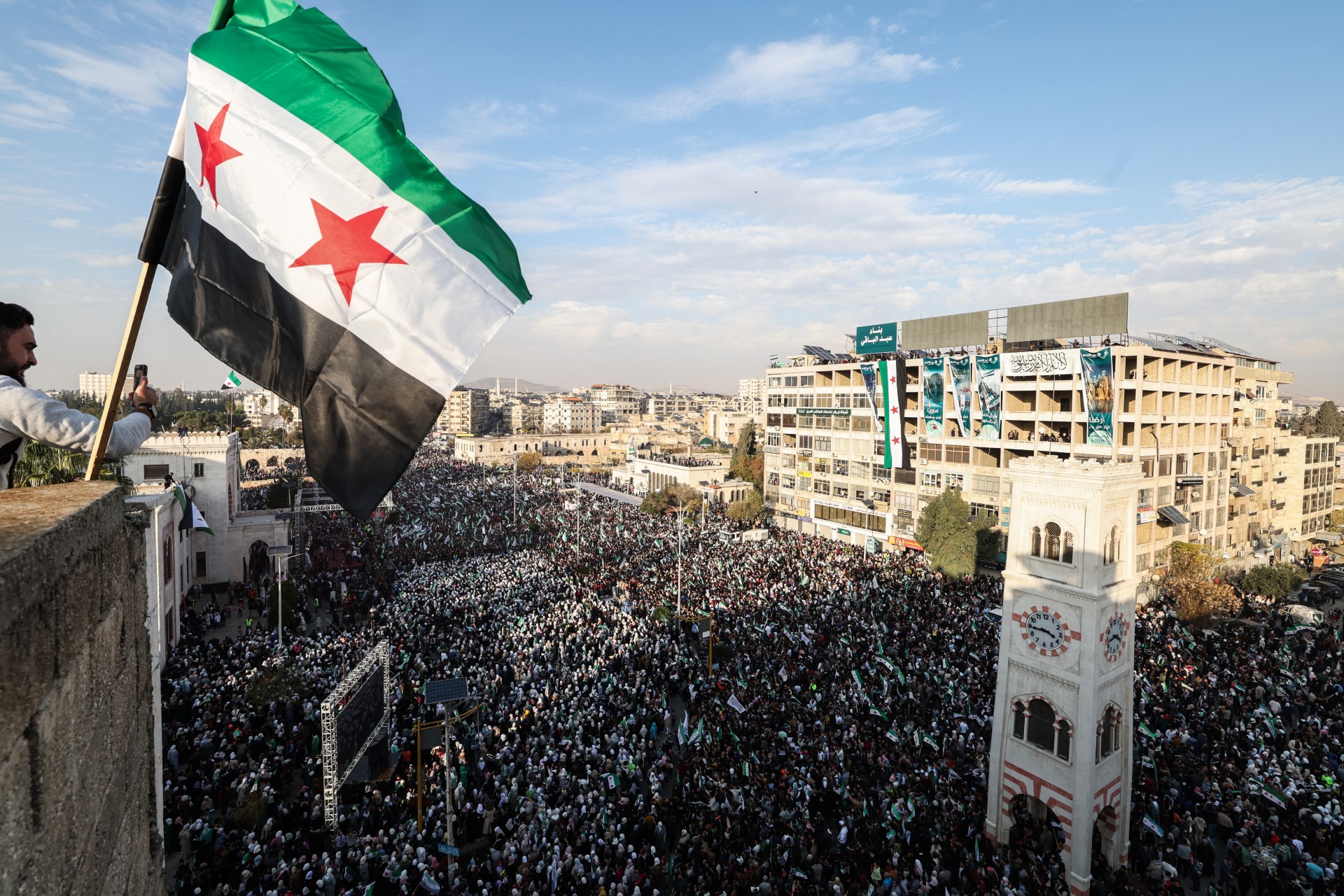
On the anniversary of Bashar Assad’s fall, a small group of professionals gathered at Aznavour, a restaurant in Damascus’s Old City. Red light washed over stone walls as hookah smoke hung in the air and a television cycled through Arabic music videos. They had come to talk about what had changed in Syria — and what had rushed in to fill the space left by a regime that collapsed a year earlier.Three of them, women in their 20s, could barely remember a time before war. Their adult lives had unfolded under siege, sanctions, and surveillance, and now under something more uncertain.Since the fall of Assad in December 2024, Syria has been governed by a Sunni-led authority dominated by members of Hay’at Tahrir al Sham, the Islamist movement that seized Damascus after years of ruling a rebel enclave in Idlib. Syria’s president, Ahmed al Sharaa, led al Qaeda’s Syrian affiliate, Jabhat al Nusra, before breaking with the group in 2016. His government has struggled to rebuild the economy, and according to United Nations estimates, 9 out of 10 Syrians live below the poverty line.
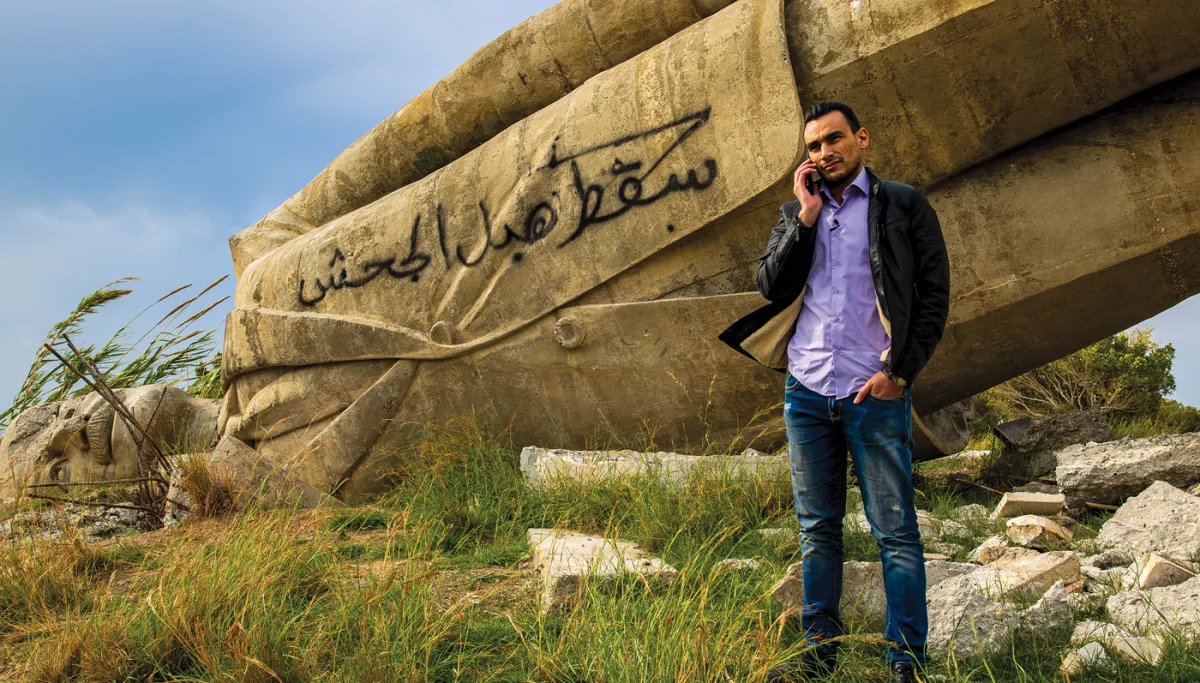
“The economic situation is very bad,” said Laila, a Sunni lawyer. “I have many skills, yet I can’t find a single job that values my qualifications.”Hassan Ahmad, 27, an activist who works with NGOs and foreign journalists, stands beside the remains of a toppled Hafez al-Assad statue marked with graffiti reading, “The executioner’s rule has fallen.” (Photo by Jordan Allott)