https://arab.news/nhgs8
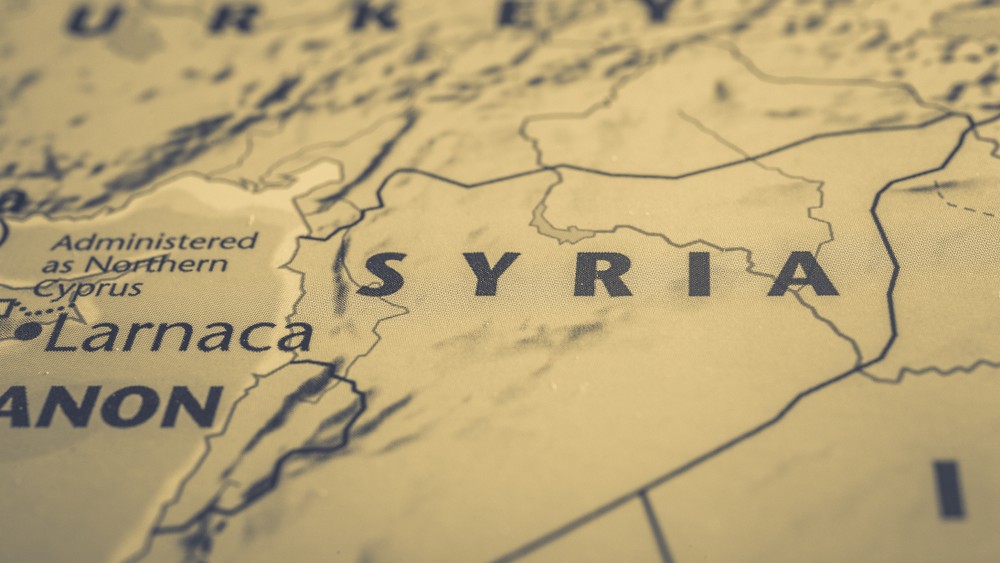
A quiet but profound shift is underway in Syria — one that few outside the region yet fully appreciate, but one that could define the country’s political geography and future stability for years to come. In recent weeks, Syrian government forces have taken control of key military installations long held by foreign powers, most notably the US, marking a significant consolidation of state authority and a step toward restoring Syria’s territorial integrity after more than a decade of fragmentation and conflict.
In mid-February 2026, the Syrian Arab Army assumed control of the Al-Tanf military base, a strategic outpost near the intersection of the Syrian, Iraqi, and Jordanian borders that had hosted US troops since 2014 as part of the campaign against Daesh. Within days, government forces also reoccupied the Al-Shaddadi base in Hasakah province in the northeast following an orderly withdrawal by American forces. These developments are part of a broader US decision to reduce its military footprint in Syria and consolidate remaining forces at limited positions, while continuing counter-Daesh operations from the air.
For Damascus and its supporters, these transitions are more than symbolic gestures; they represent the restoration of state sovereignty over strategic terrain long leased to foreign militaries and proxy partners. After nearly a decade of external interventions — whether by the US and its coalition forces in the east, or by Russia and Iran in support of the central government — Syria may finally be turning a page in which it can reestablish institutional control over the bulk of its territory. This is especially meaningful given the state’s prior fragmentation, where various factions and foreign actors carved spheres of influence across the country’s geography.