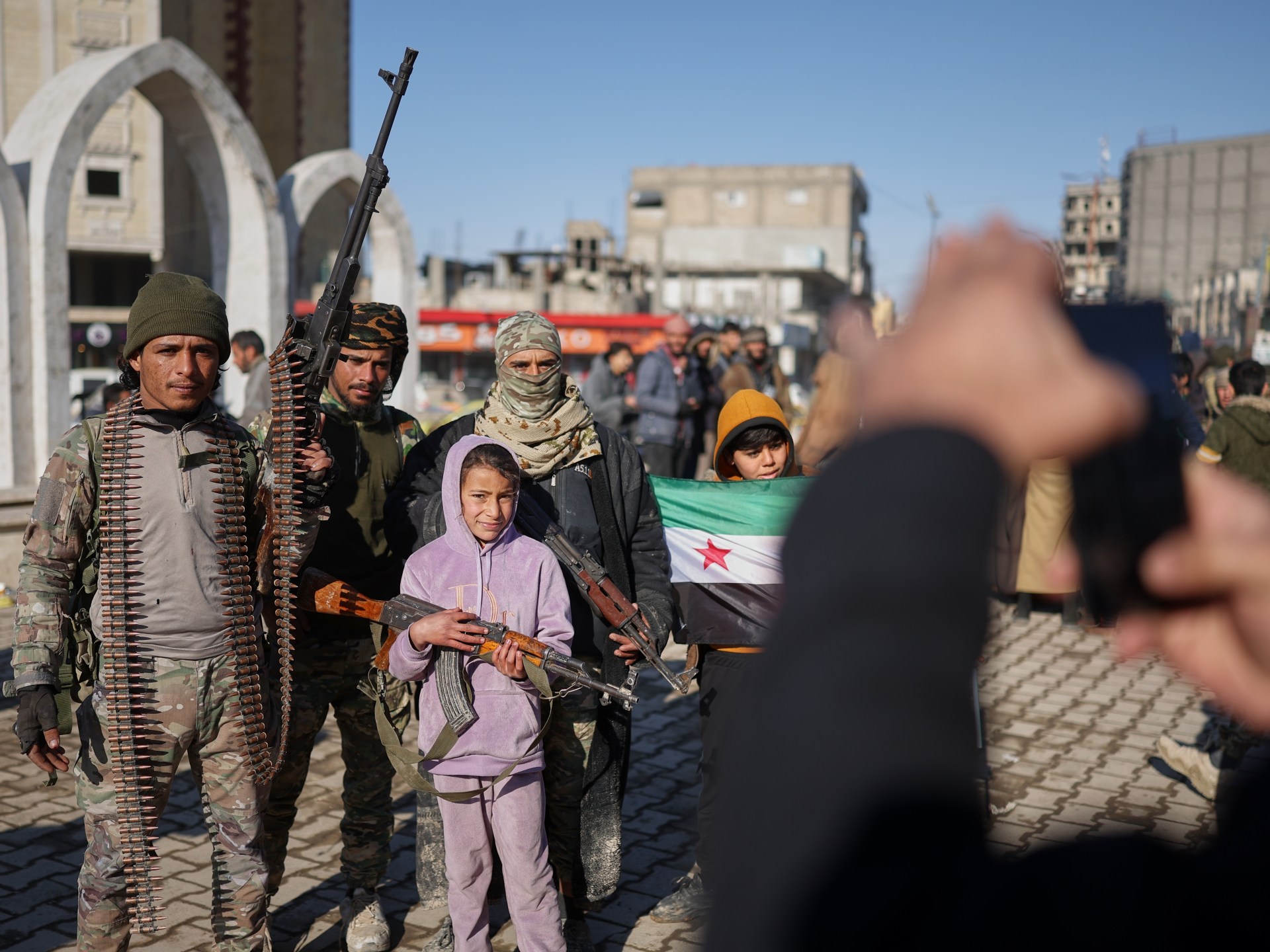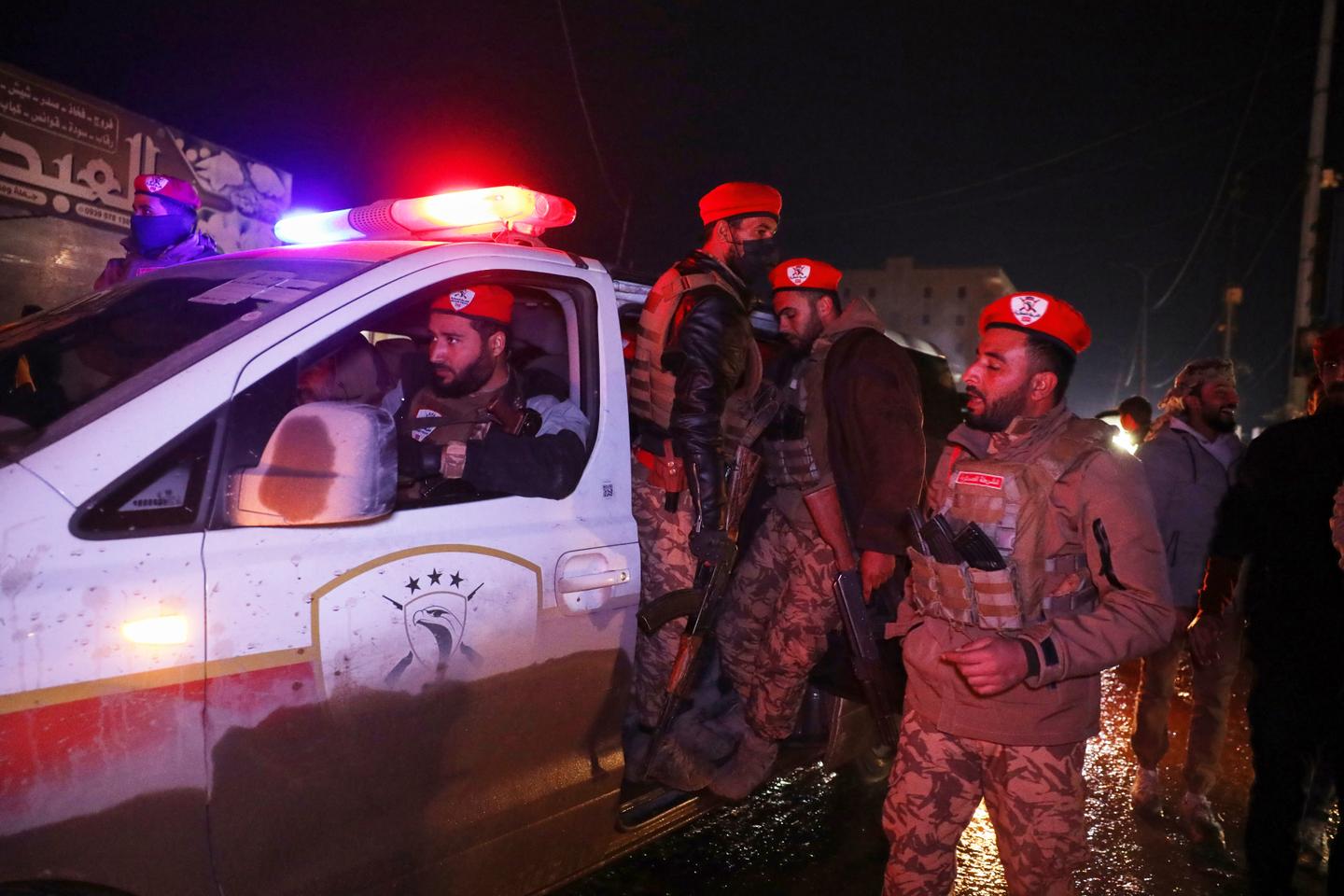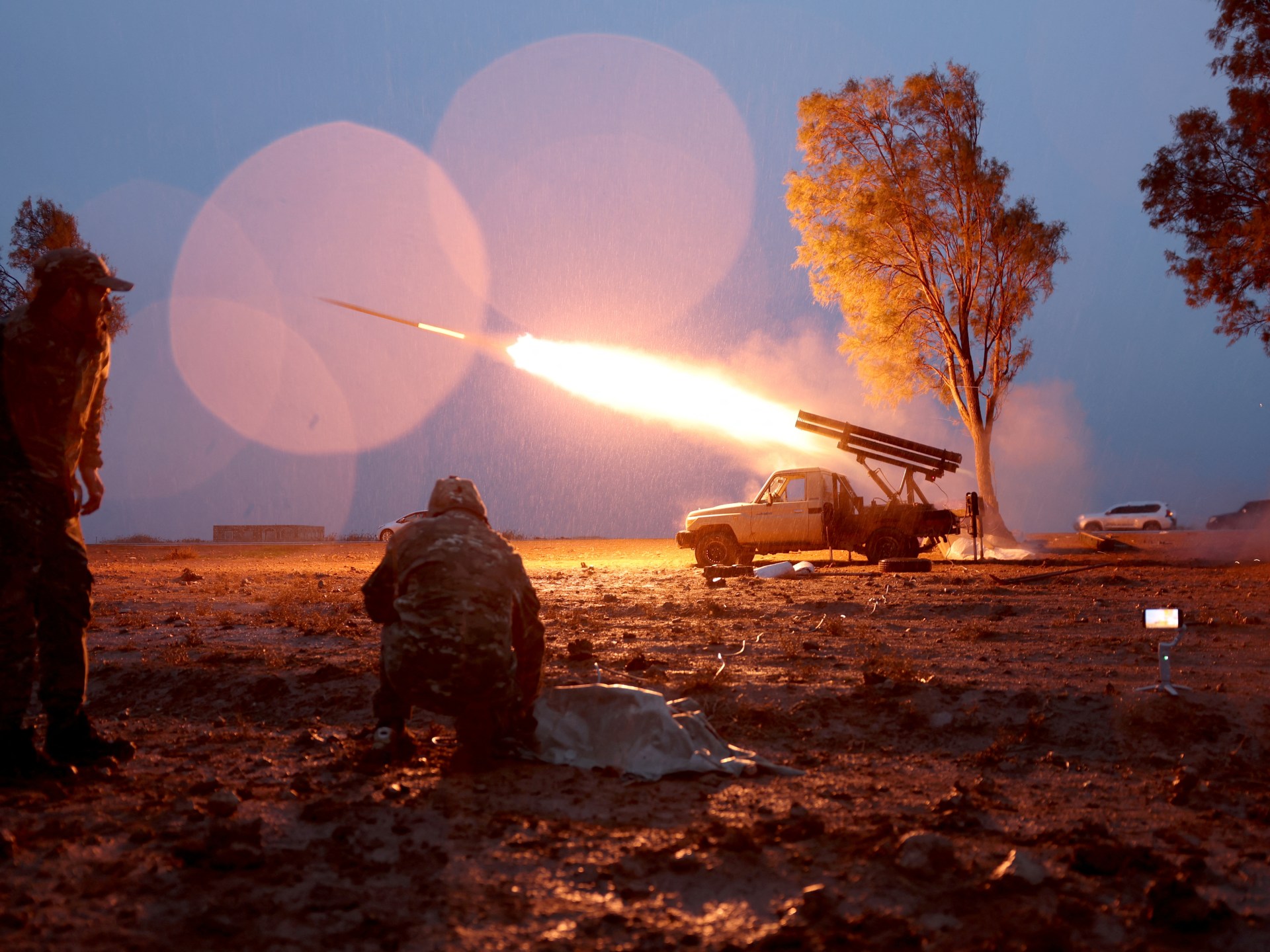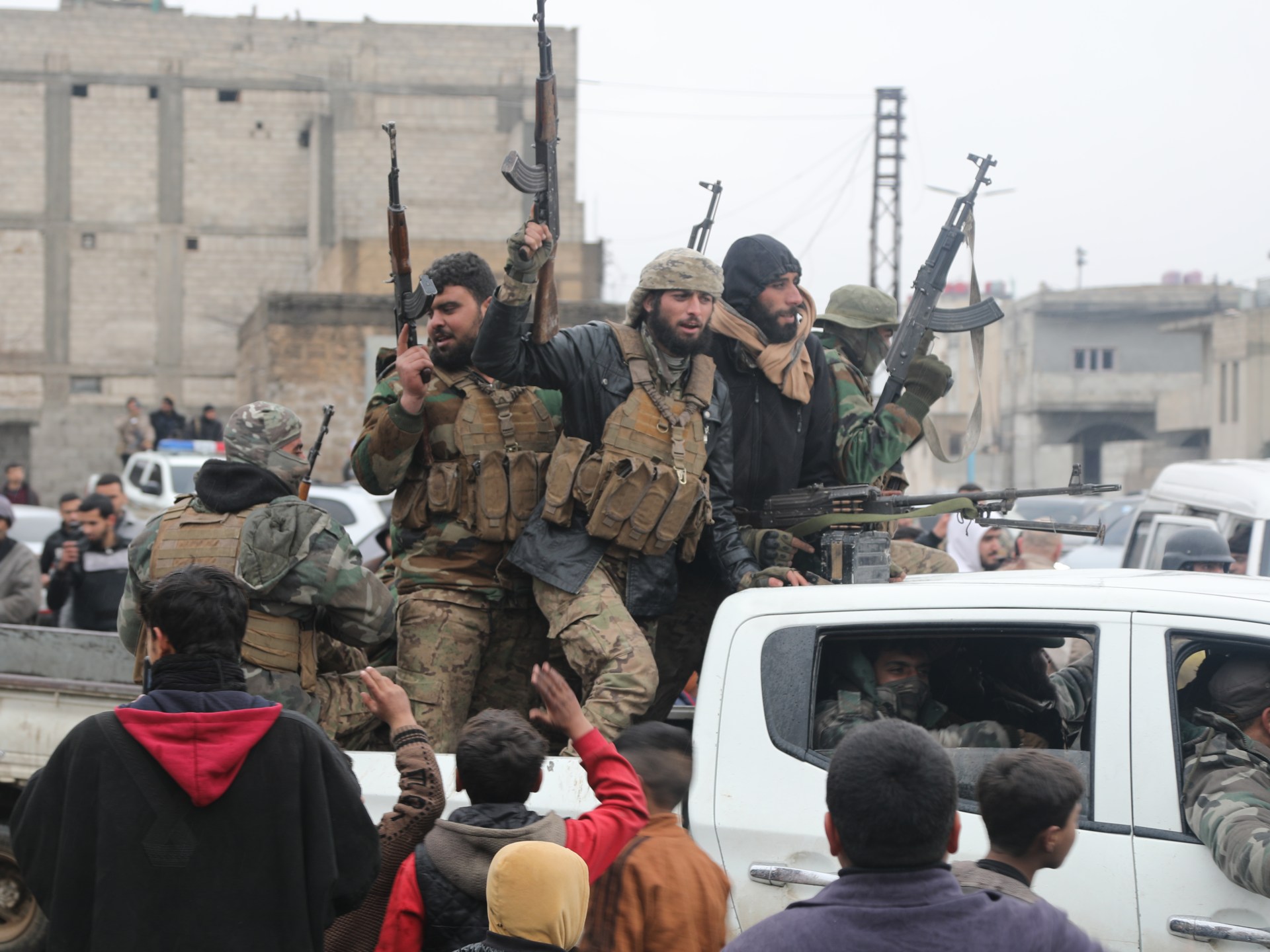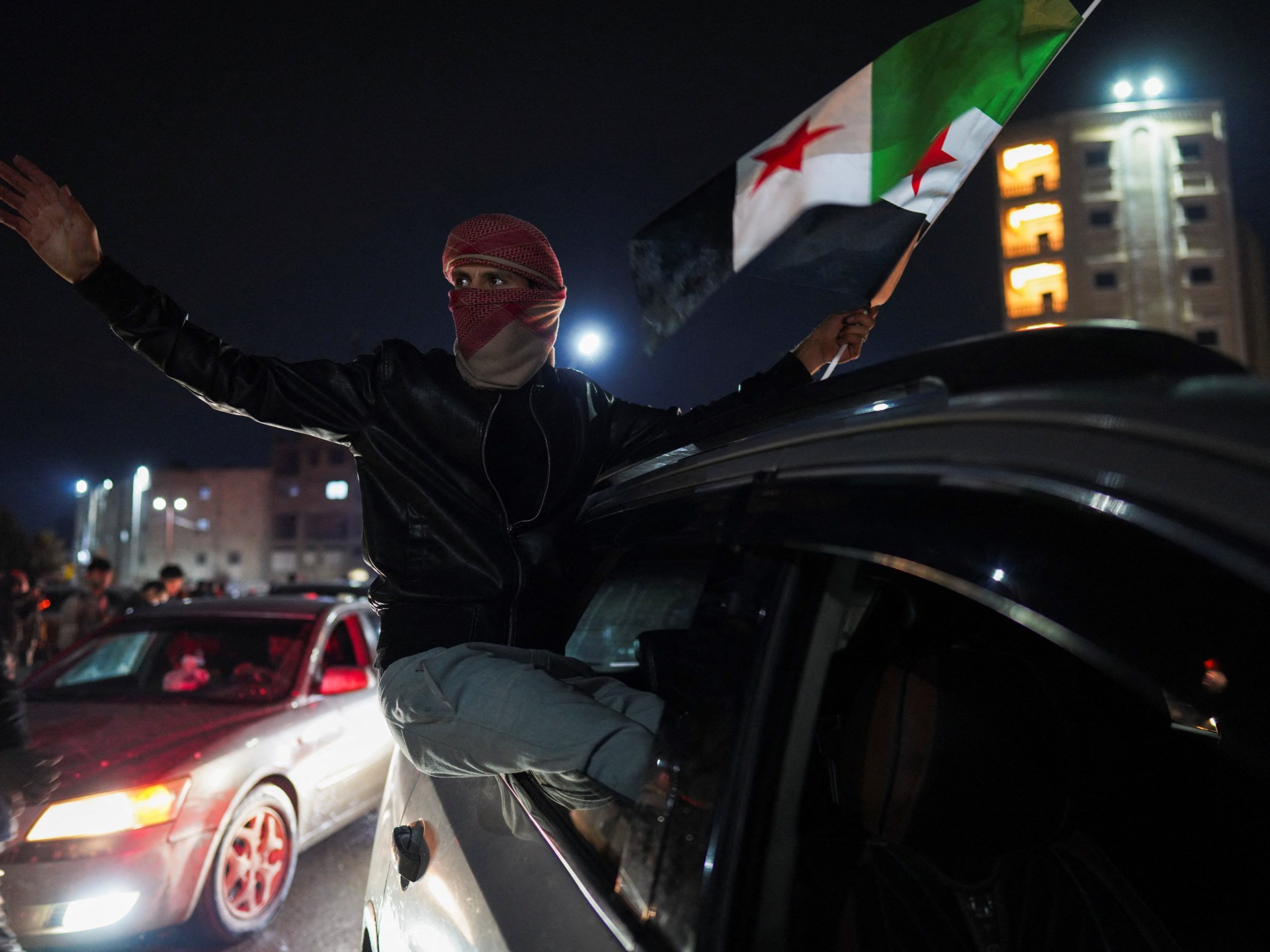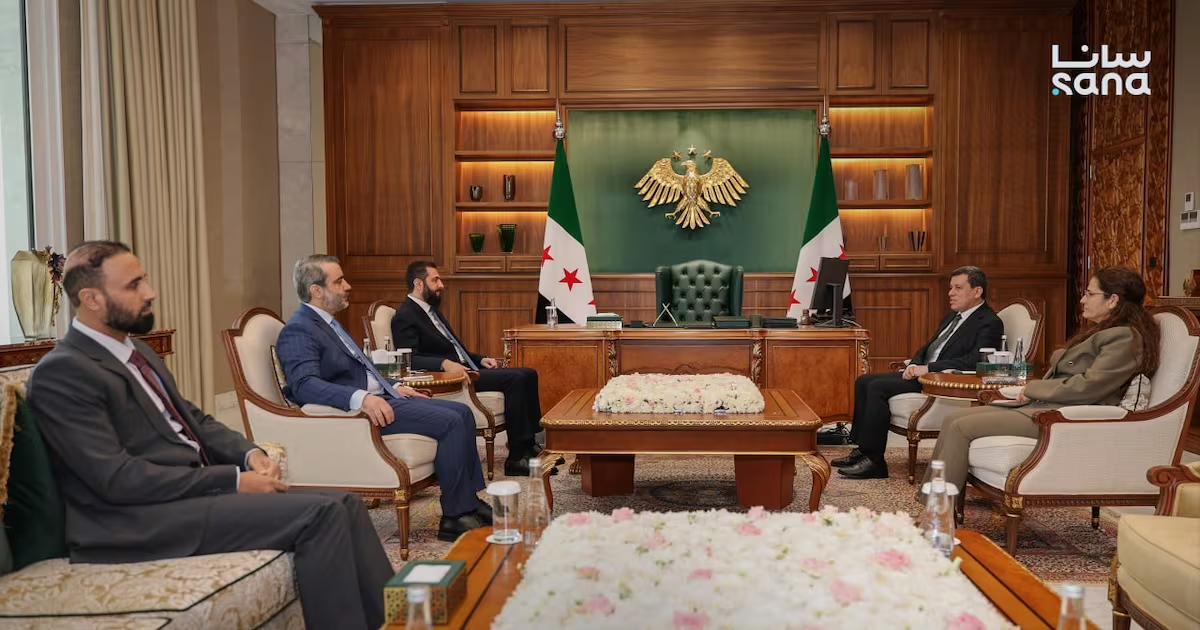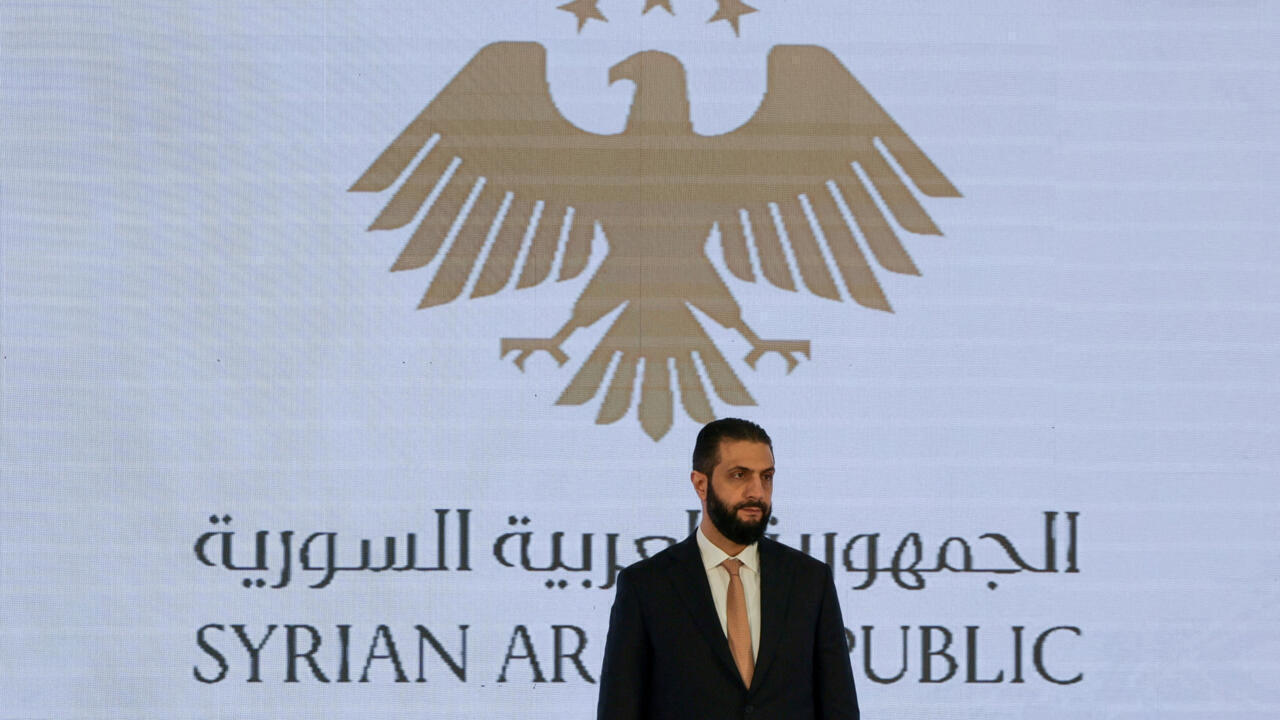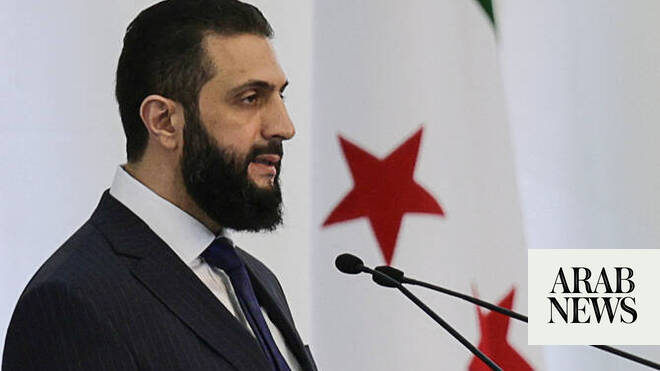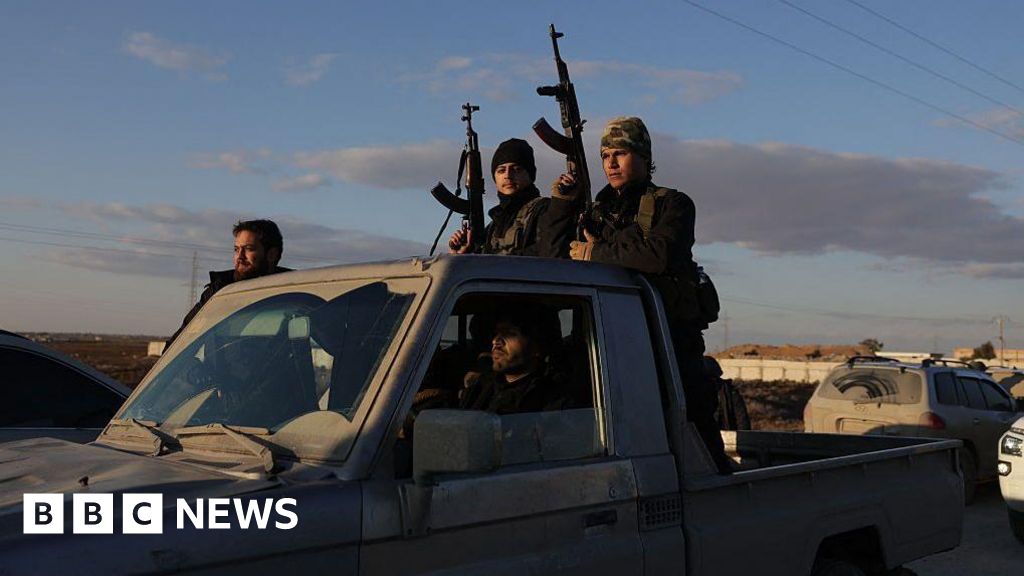
President Ahmed al-Sharaa has made significant advances in his efforts to unify a deeply fractured Syria, reclaiming large swathes of territory in the north-east that had been under the control of a Kurdish-led militia alliance for more than a decade. What happens next will be a test for a government that has tried to assert its authority over the whole country.
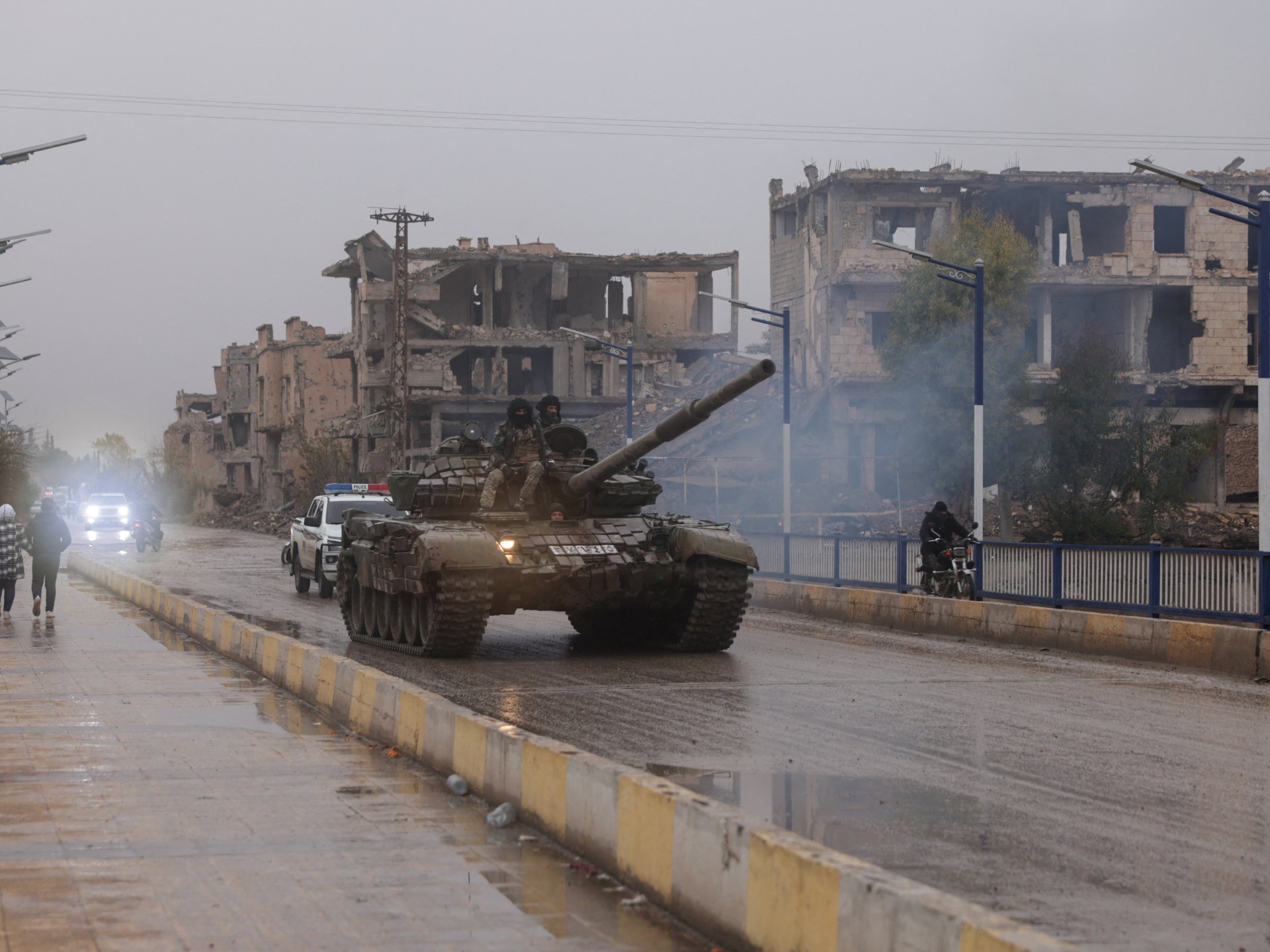
The gains by government forces in a lightning offensive against the Syrian Democratic Forces (SDF) marked the biggest change of control in Syria since Islamist-led rebels toppled Bashar al-Assad in December 2024, ending the 13-year civil war. Before this month's push, nearly a third of Syria's territory was controlled by the Kurds, who enjoyed American support after helping a US-led coalition defeat the jihadist group Islamic State (IS) in the last decade. There, they ran an enclave with its own government and institutions, with the SDF being its military arm.
The offensive came amid stalled talks between Sharaa's government and the SDF about the key issue of integrating its forces into the country's institutions. A deal was signed last March, but a year-end deadline expired with little progress as the SDF remained reluctant to give up its autonomy. The militia alliance, analysts say, miscalculated in its negotiations with the government, seeming to believe it would have the backing of its longtime ally.