Persistent containers promise native tooling and strong isolation, though docs, features, and memory handling need polish
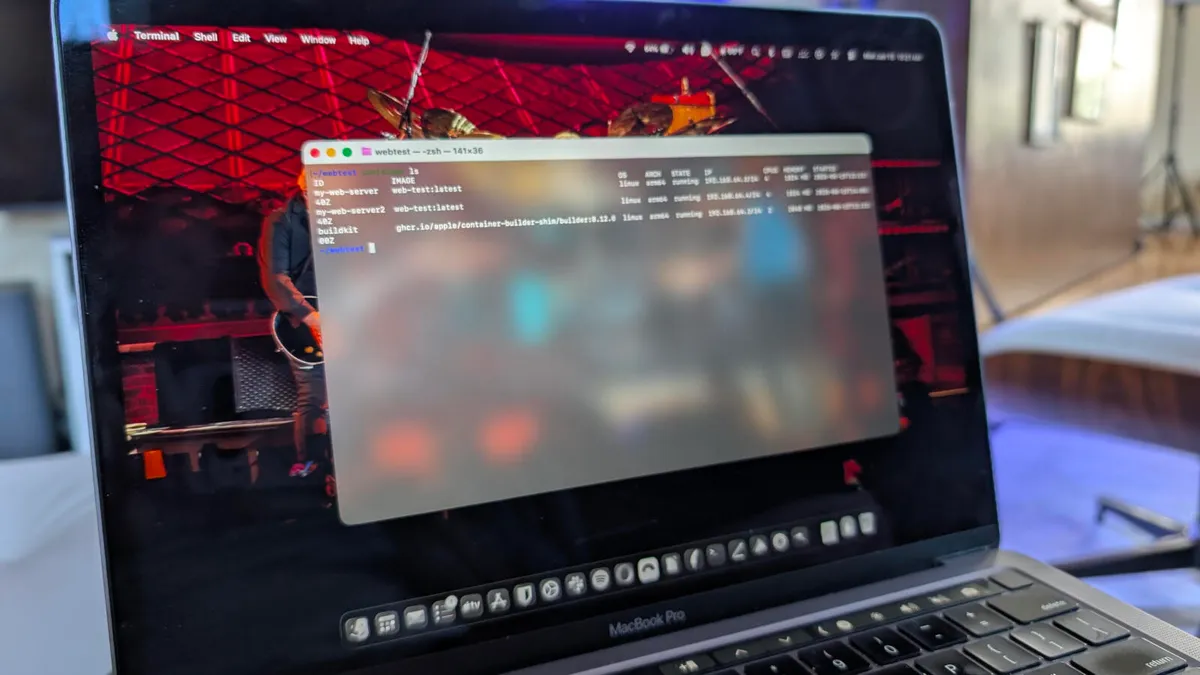
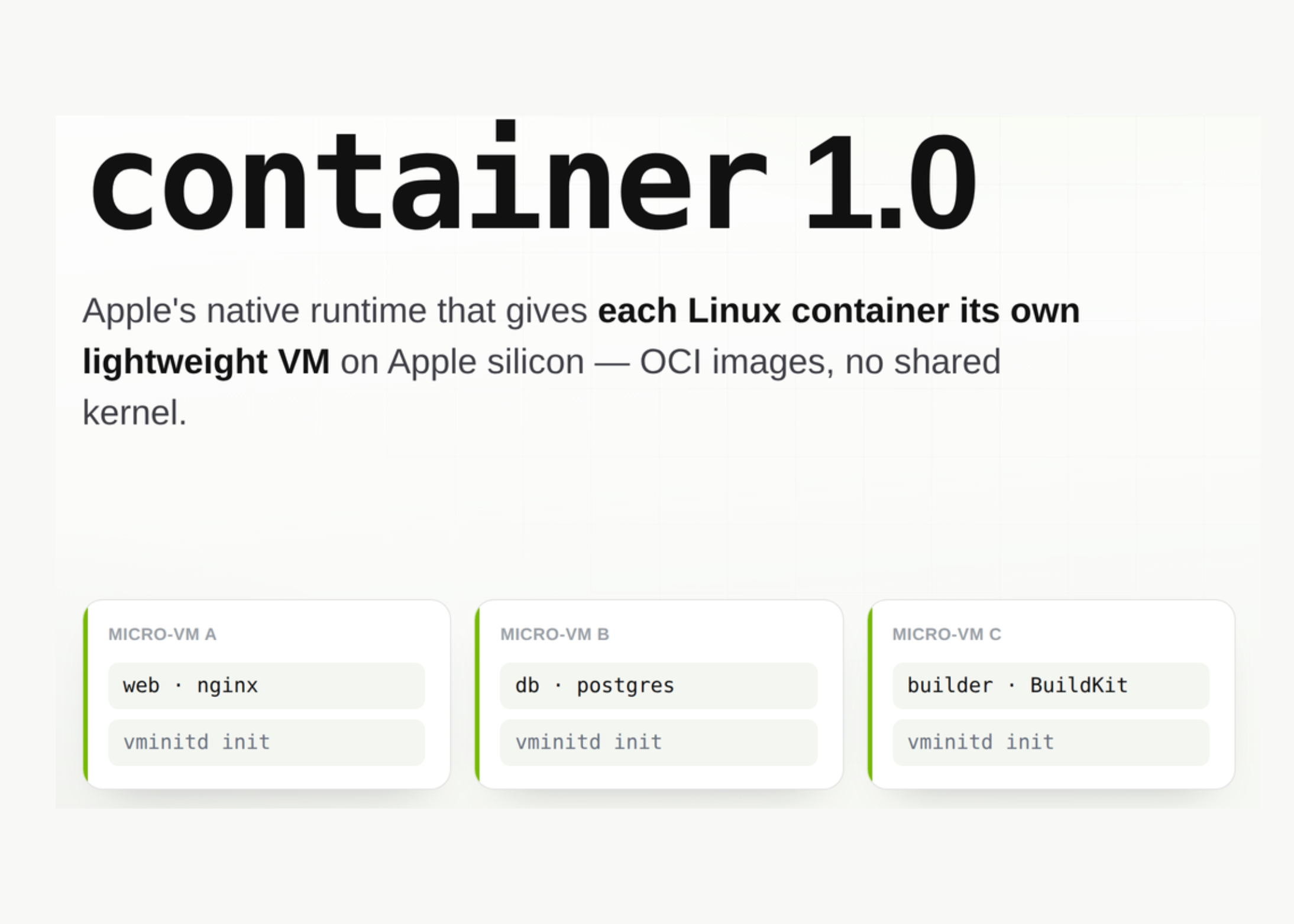
HANDS ON At WWDC this week, Apple introduced container machines, which are persistent virtual machines running Linux, bearing some resemblance to Windows Subsystem for Linux (WSL) on Microsoft's operating system.Developers using macOS, as with those on Windows, face the problem that most applications are deployed to Linux, creating a mismatch between the development machine and the deployment target. The friction is less for macOS, which, like Linux, is Unix-like, but still exists.Apple's solution builds on the Container project previewed at WWDC last year. Version 1.0 was released at this year's WWDC, complete with the new container machine feature. The project uses standard Open Container Initiative (OCI) containers, and both the containers and container machines run on lightweight virtual machines (VMs), giving strong isolation.
The name "container machine" is intended to convey that the feature combines both a container and a VM. The feature uses Apple's native virtualization framework, and the command line interface integrates well with macOS. Once installed, the command container machine run will open a terminal in the default container machine.