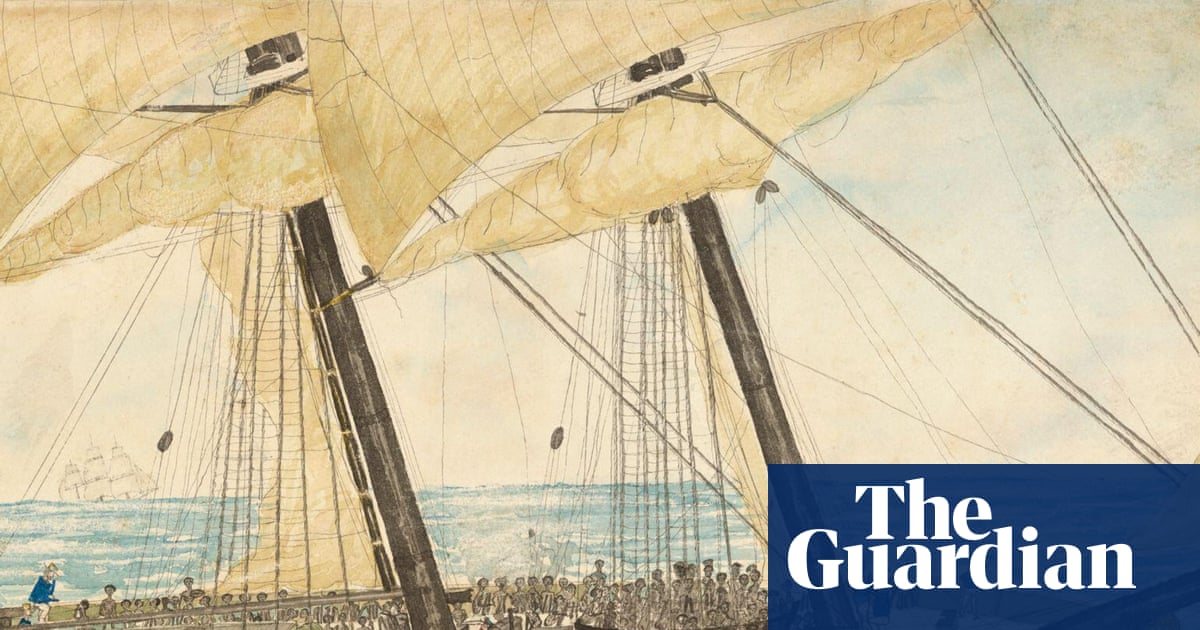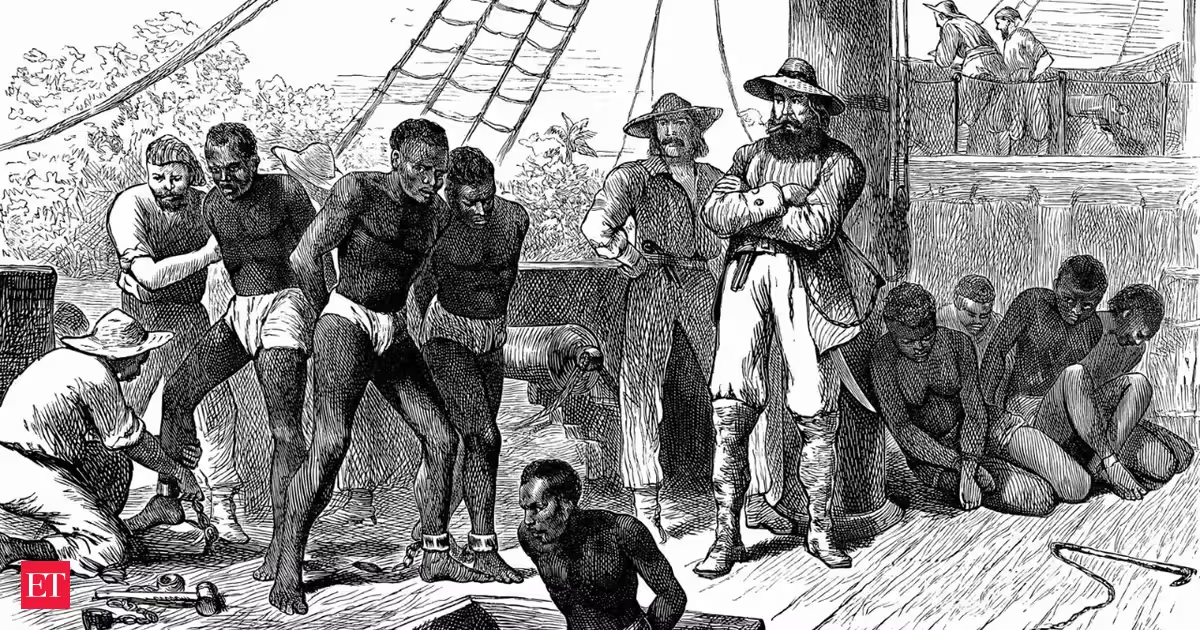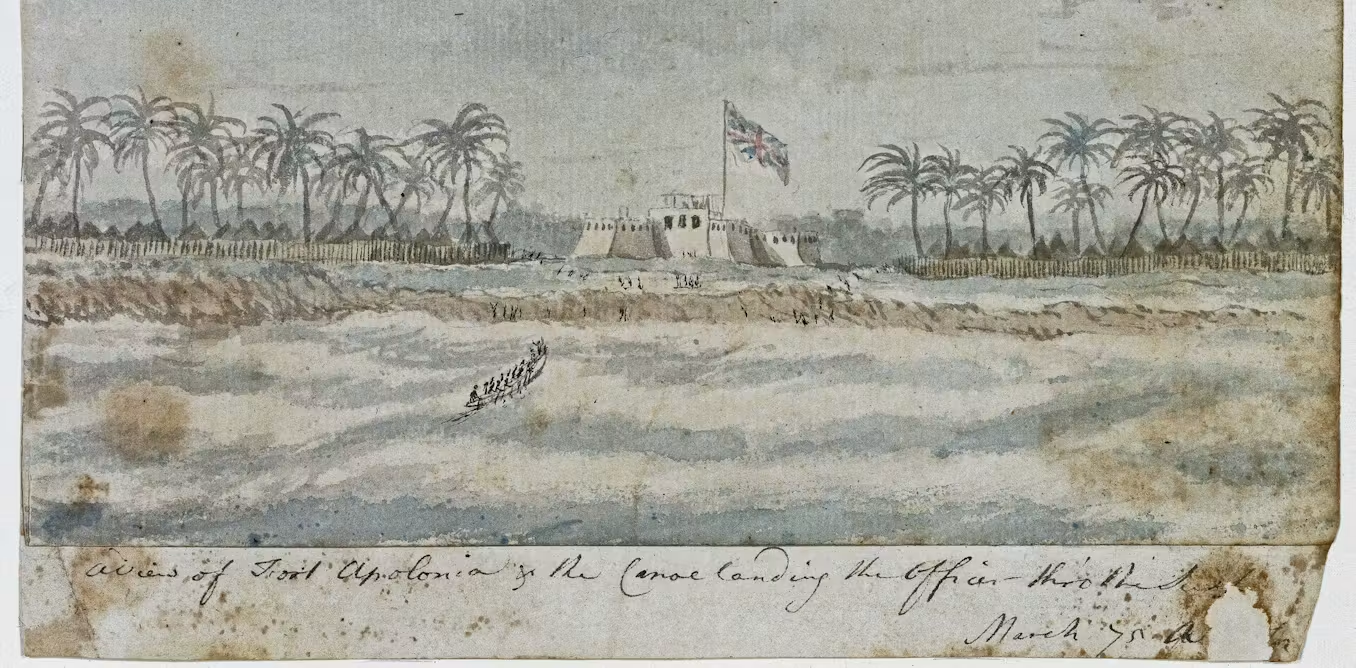
The transatlantic slave trade was a multilayered, highly commercialised global enterprise that lasted from the early 1500s to the mid 1800s.
The events over this period are far too complex to fit into a straightforward perpetrator-victim narrative. While the trade catastrophically dehumanised and commodified over 12.5 million Africans, it was not just an external conquest.
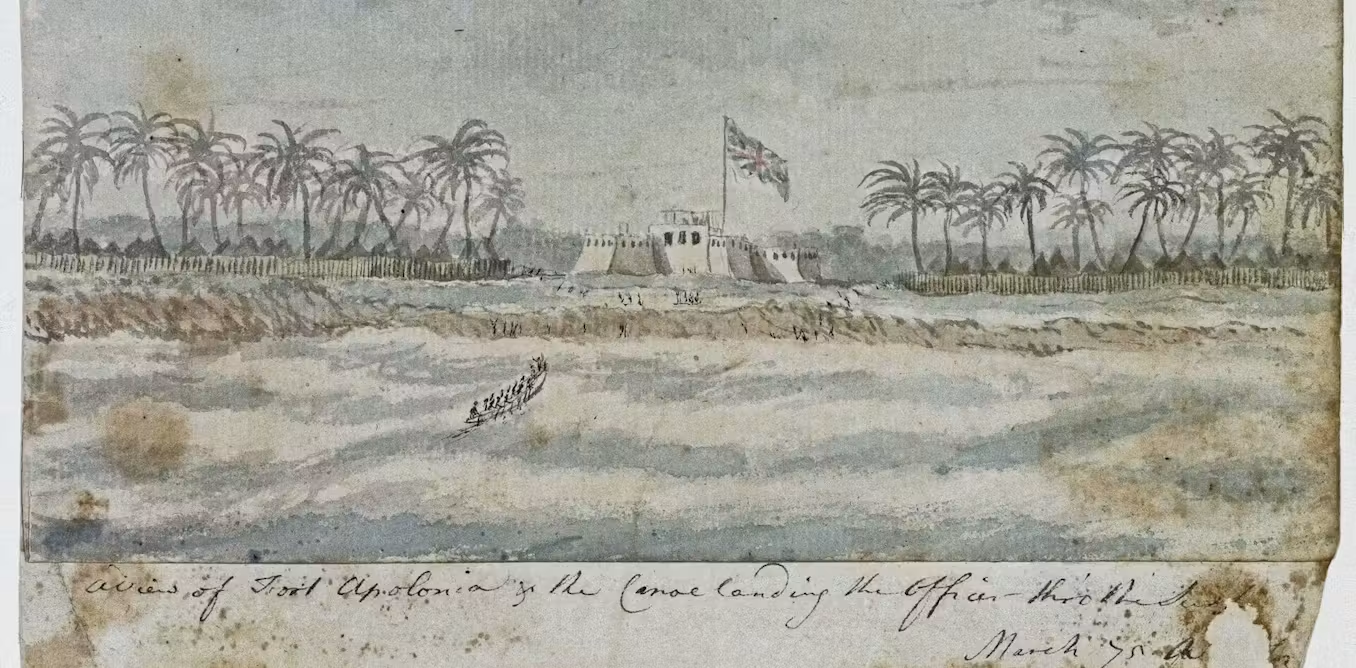
Europeans lacked the geographical knowledge, immunity to endemic tropical diseases, and the military power to venture into the African interior. So they became dependent on African states and merchant elites for the supply of captives.
By controlling coastal ports, regulating market access, and managing the interior trade routes that brought captives to the coast, these African brokers enabled and shaped the European trade in human beings.
Yet, this internal participation was rarely uniform. While certain powerful African societies and groups largely procured captives from weaker communities through warfare or raids, a few centralised African states chose neither to fully participate in nor completely abstain from the slave trade.