Britons learn about the country’s involvement ‘almost as a self-congratulatory narrative’, says historian Joseph Mulhern
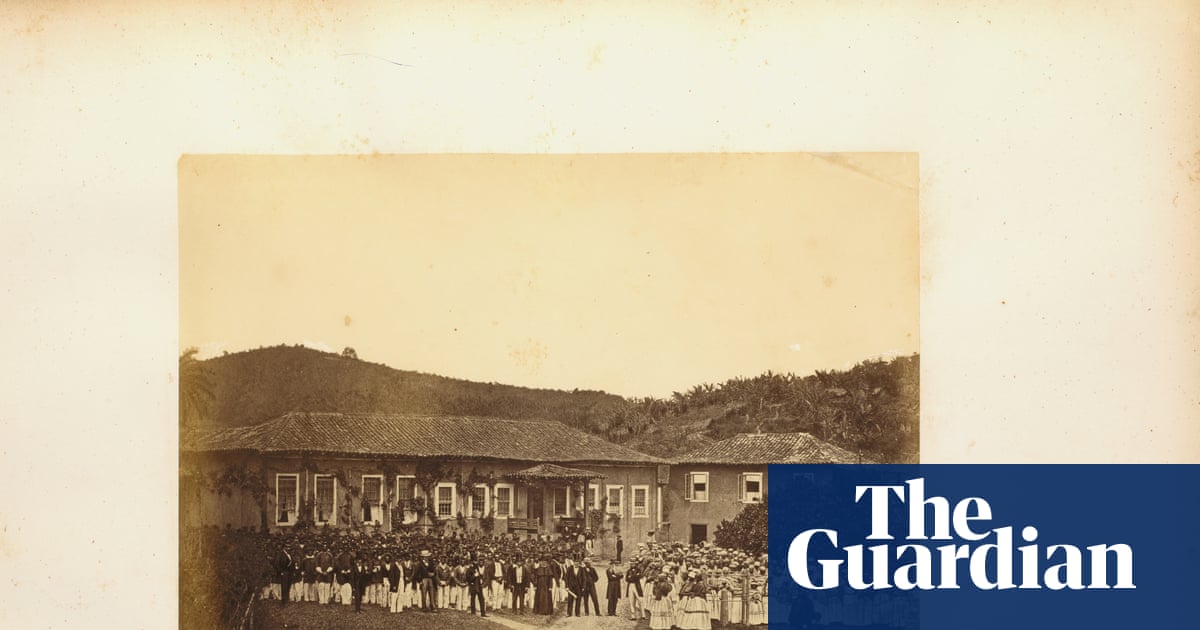
In 1845 British citizens and companies were already legally prohibited from owning or buying enslaved people overseas, yet that year 385 captives were “transferred” to a British mining company in Brazil named St John d’El Rey.
Despite a global campaign waged by the UK against slavery and the transatlantic slave trade, the move was not technically illegal because the enslaved people were not sold but “rented” – a practice permitted overseas under the 1843 Slave Trade Act.
There was a maximum term of 14 years, after which they should all have been freed – but that did not happen. The British ambassador to Brazil became aware of the case but, citing a lack of evidence, looked the other way.
It was only more than 30 years later, when it was brought to light by a Brazilian abolitionist, that the 123 survivors were finally freed in 1879. The vast majority, however, had died in captivity.