Facing up to the past is crucial. But the real challenge for institutions and the societies they are part of is to act in ways informed by new knowledge
T
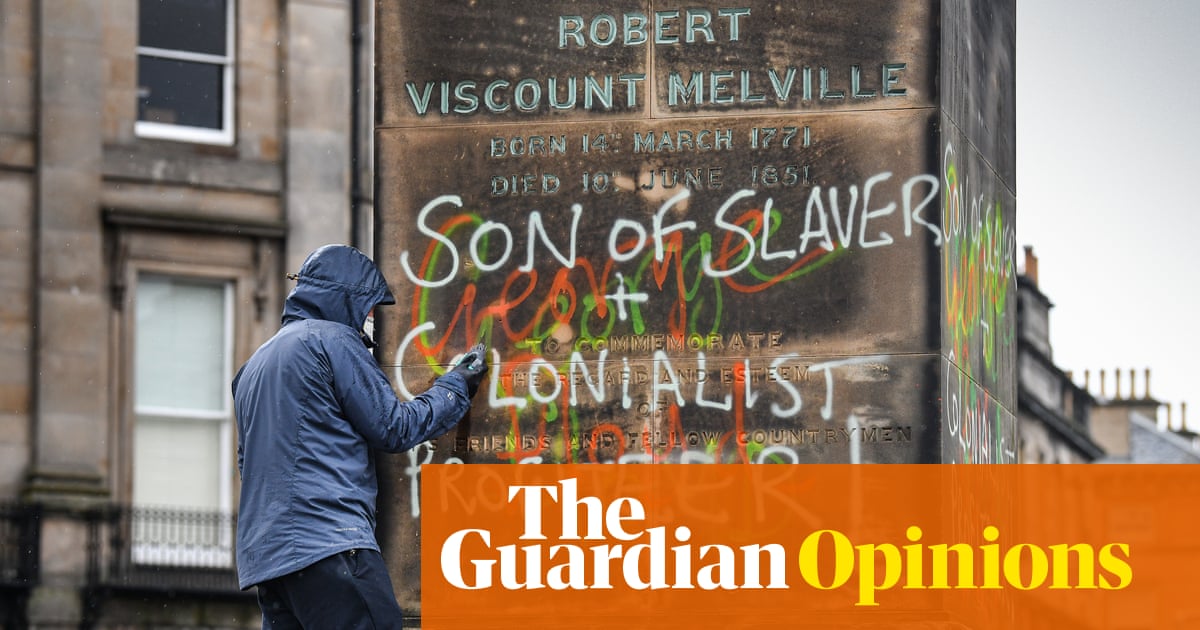
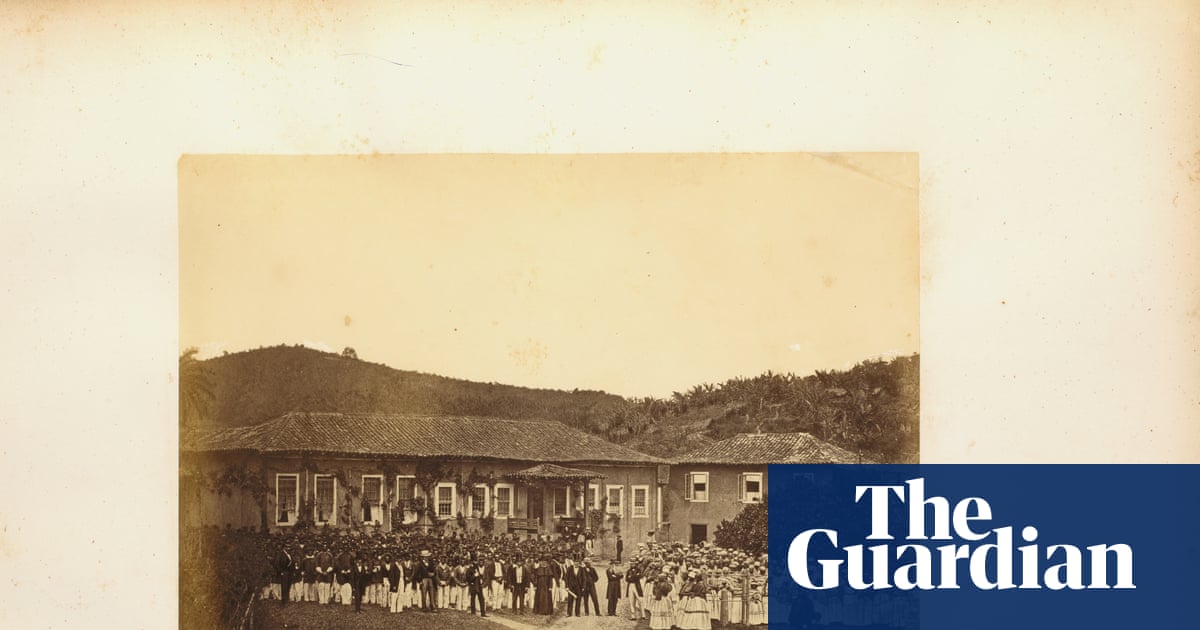
he British campaign against slavery and the slave trade has long been recognised as an inspiration for later social movements. But for centuries, the brutality inflicted on the millions of African people who were bought and sold into chattel slavery in British colonies was either veiled from view or treated as a sin that was expunged when it was abolished.
New research from the University of Edinburgh, about its history of involvement in slavery and the slave trade, is part of a belated reckoning by UK institutions with this disturbing aspect of their past. Another Scottish university, Glasgow, was among the first to embark on such a process. In response to evidence about substantial gifts from plantation owners and slave traders, it partnered with the University of the West Indies on a reparative justice programme in 2019.
Edinburgh’s report highlights a minimum of £30m in funds raised, over the years, from numerous donors with links to slavery, and points to the university’s historic role as a “haven” for racist thinkers, some of them prominent advocates of the pseudoscience of phrenology. It also criticises the university for being less active in the abolitionist movement than others.