https://arab.news/m4kn3
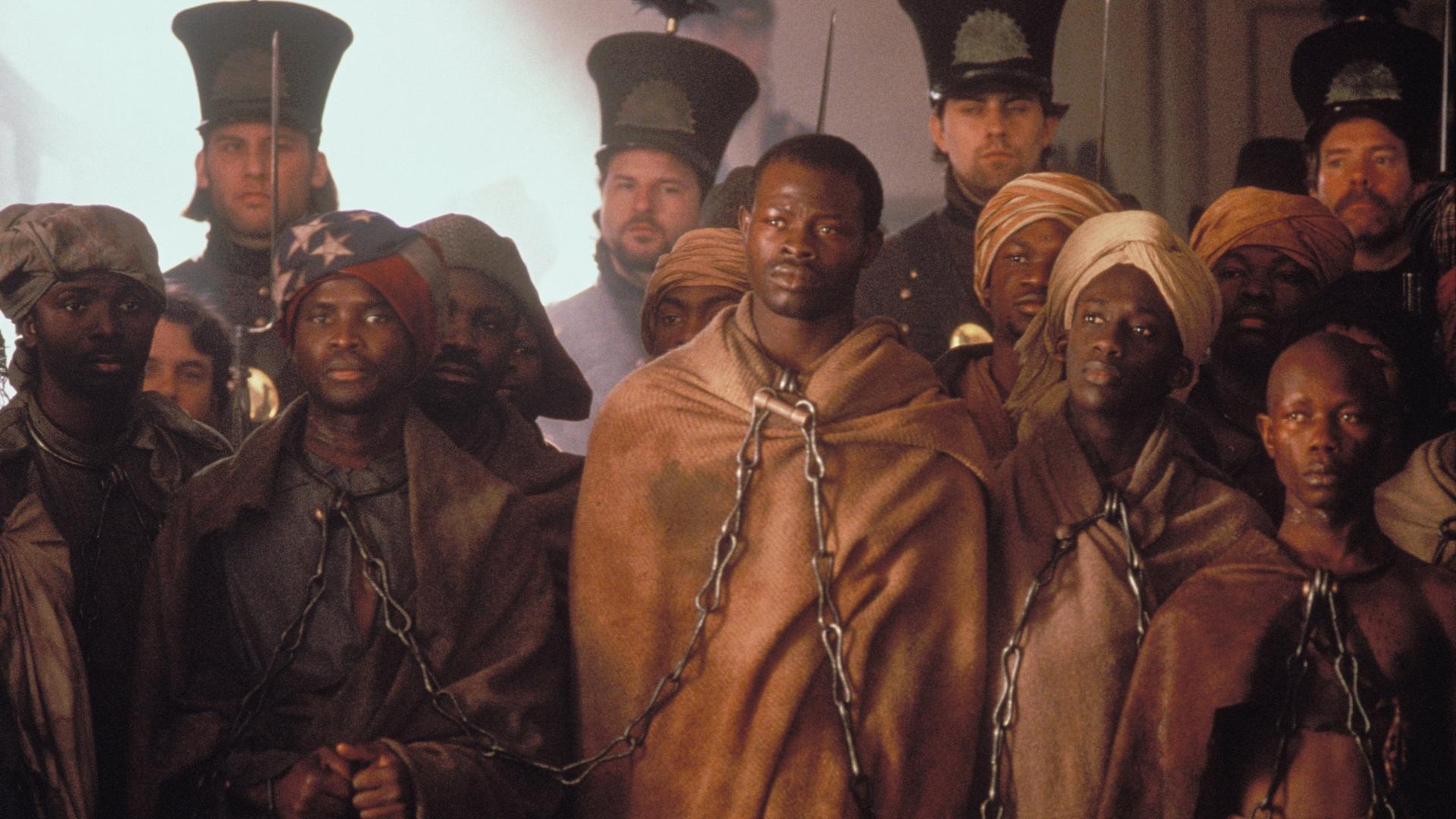
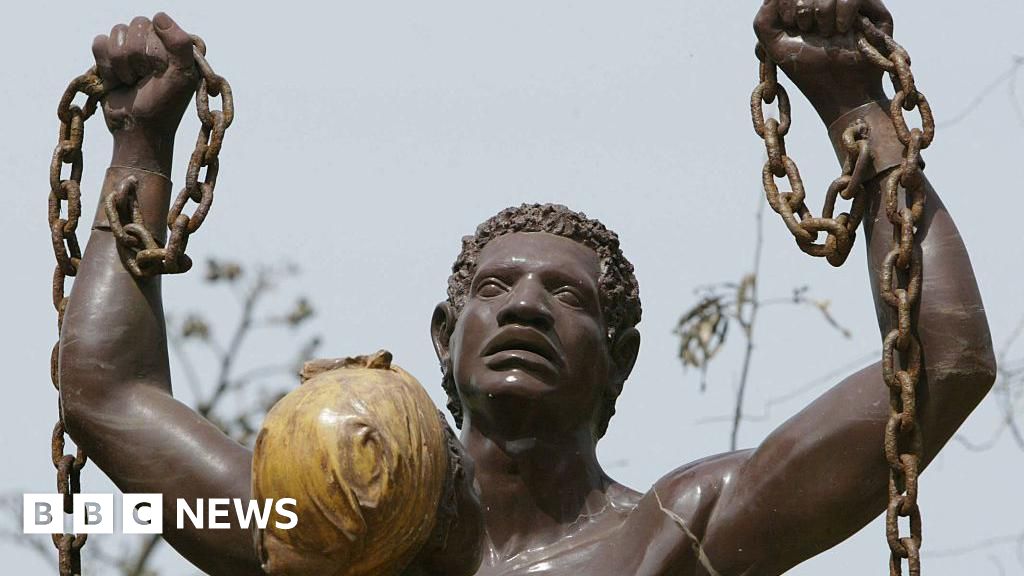
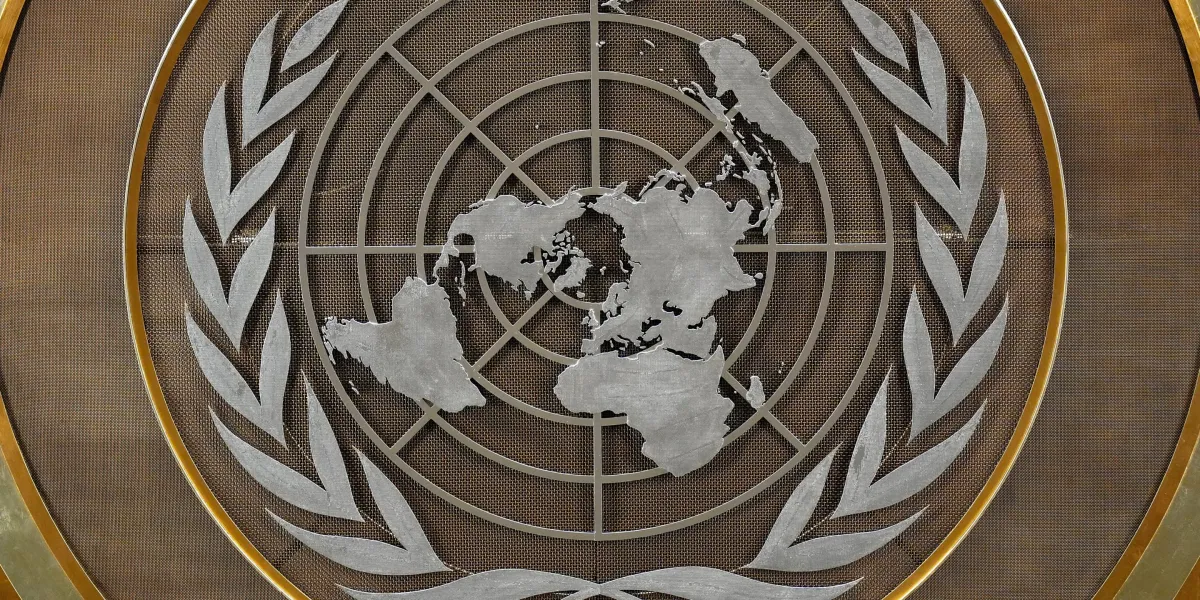
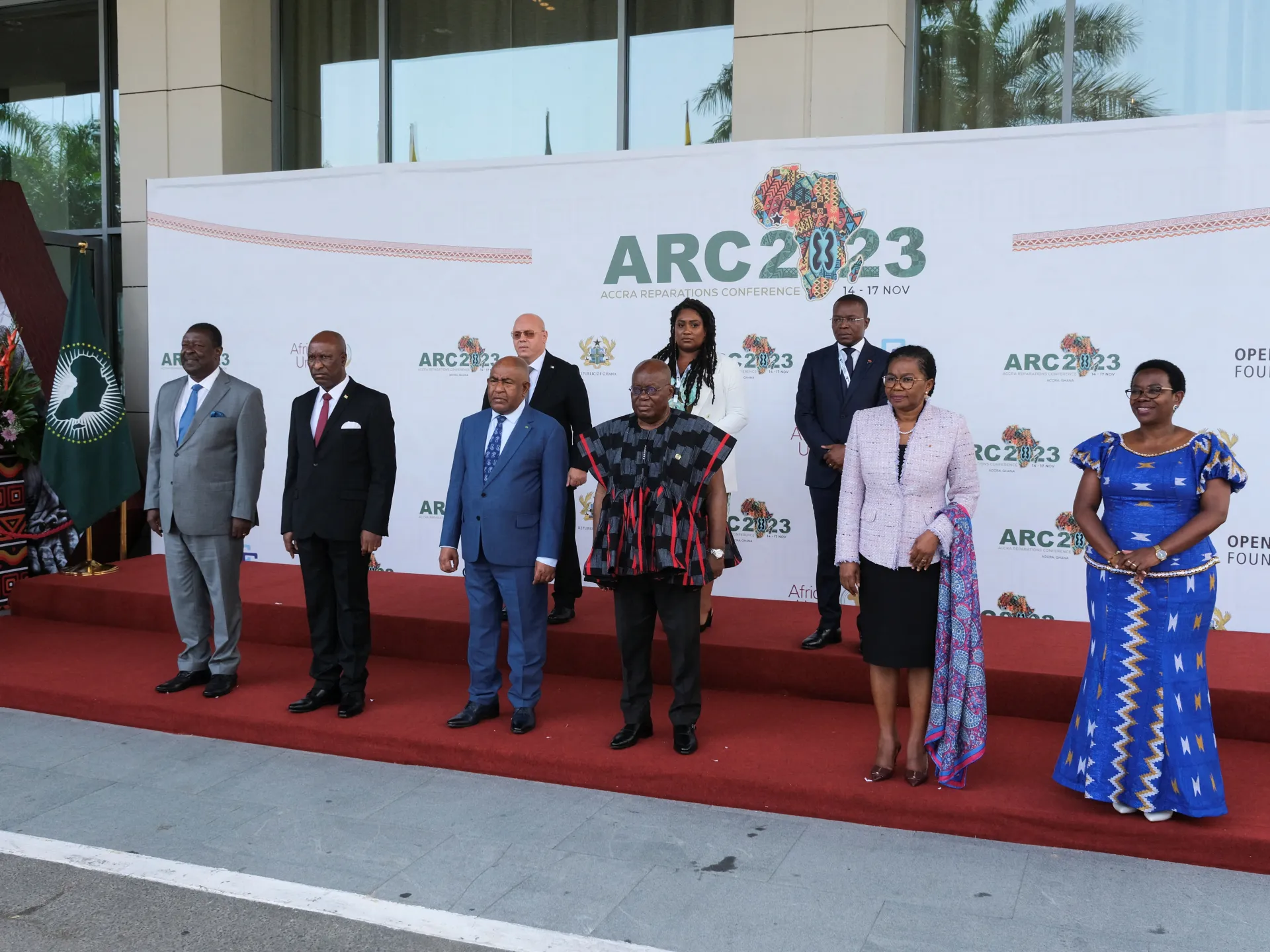
The UN General Assembly recently declared the 400-year-long transatlantic slave trade as “the gravest crime against humanity” and called for reparations for its victims in Africa, the Caribbean, and the Americas. Of the 193 UN members, 123 voted to adopt the resolution, with an Afro-Caribbean bloc joined by many Latin American and Asian countries. Notably, the European countries most culpable for transatlantic slavery, and thus most responsible for paying reparations, abstained.
It is fair to say that, despite their proximity — the Strait of Gibraltar that separates the African and European continents is just 13 km wide at its narrowest point — Europe has rarely been a good neighbor to Africa. For all the European talk of “partnership,” relations between the two continents continue to be shaped — and distorted — by the historical trauma of centuries of slavery and colonialism.
True, the EU has generously provided more than €3.5 billion ($4 billion) in security funding to Africa since 2004. But the bloc’s heavy-handed approach to negotiating economic partnership agreements with African countries between 2002 and 2016, and the revocation of non-reciprocal trade preferences in 2007, has left Africans feeling stuck in an unequal, paternalistic relationship, with their development concerns repeatedly dismissed. The EU’s increasingly draconian migration policies have only reinforced this sentiment.