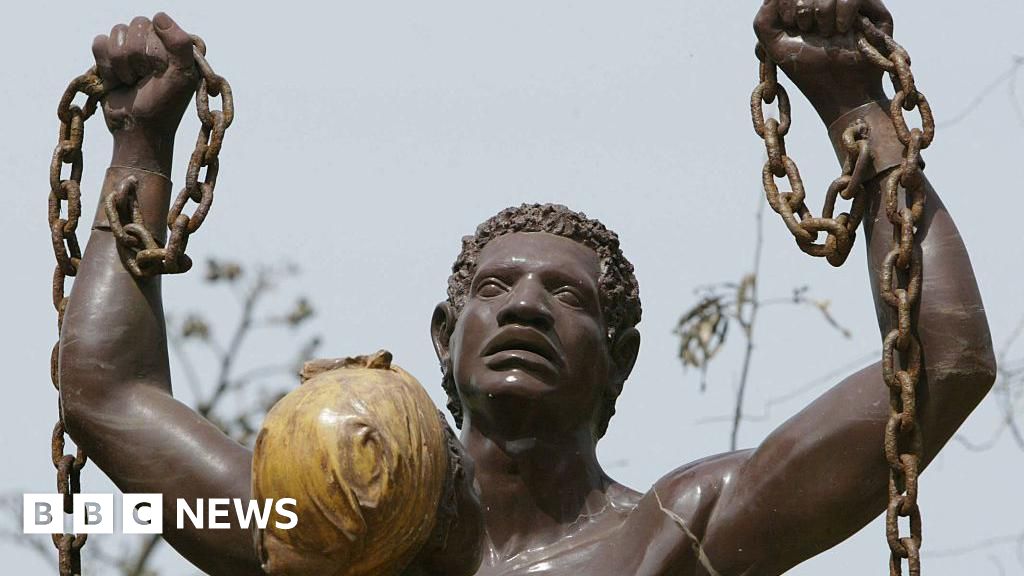
The UK and EU countries who abstained when Ghana’s UN resolution was adopted may soon find it harder to sustain the same old script on reparations
The most revealing thing about Ghana’s UN resolution was not that it passed. It was who could not bring themselves to stand with it.
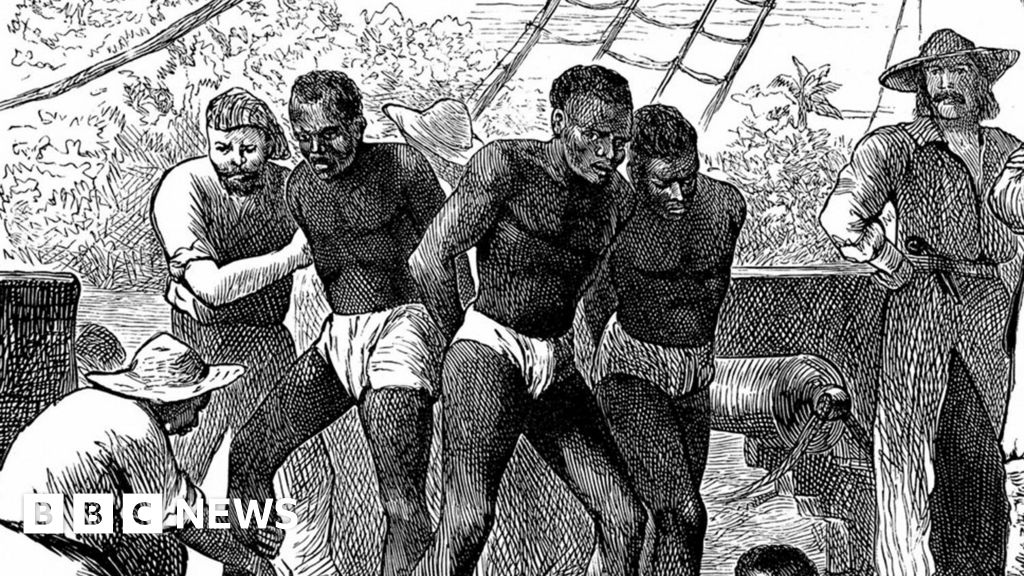
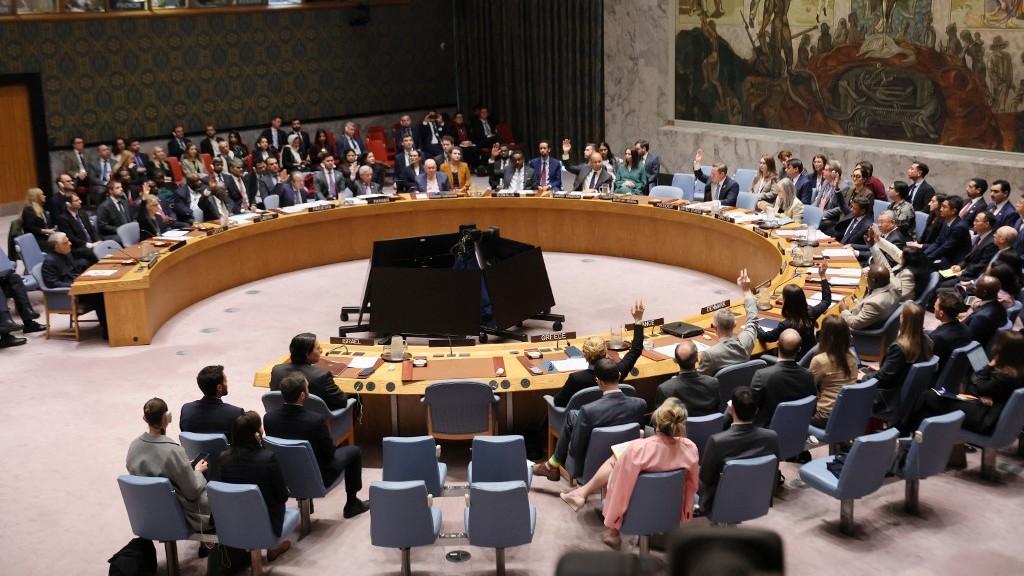
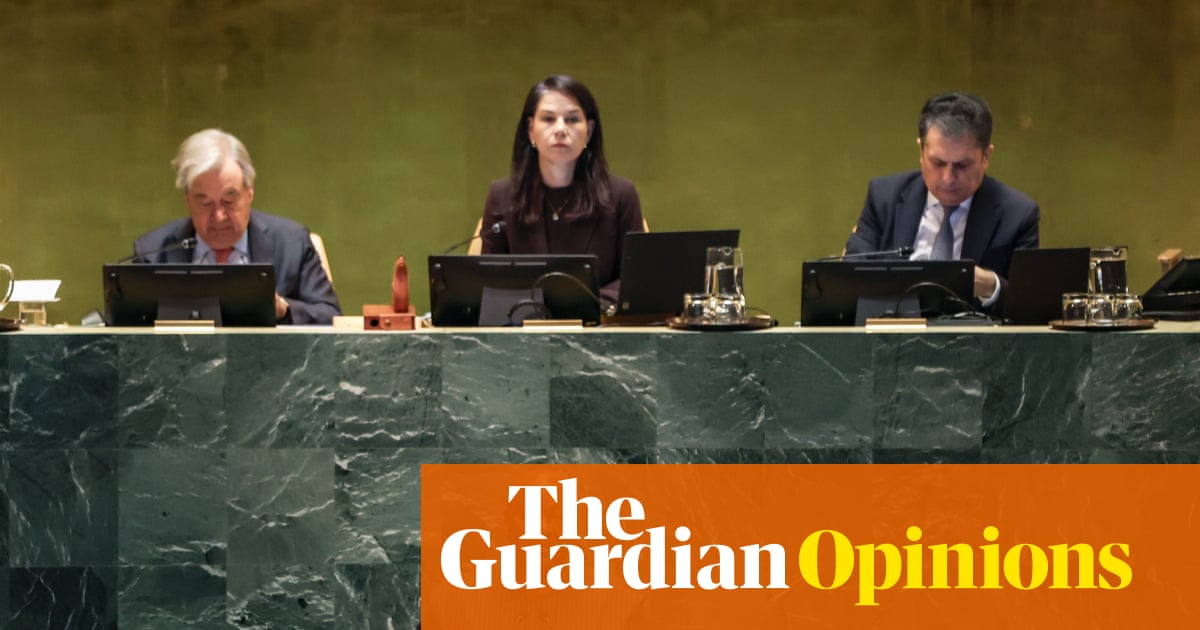
On 25 March, the UN general assembly adopted the Ghana-led resolution by 123 votes to three, with 52 abstentions. It declared that the trafficking and racialised chattel enslavement of Africans was “the gravest crime against humanity” and urged steps including formal apologies, reparatory justice and the return of looted cultural property. The three states that voted no were the US, Israel and Argentina; the UK and all EU member states abstained.
That voting pattern tells us everything we need to know about the world today. Much of Africa, the Caribbean and the global south treated the resolution as a simple moral proposition: the truth about one of history’s greatest engines of human theft, racial capitalism and underdevelopment. Much of the west reacted as if acknowledgment itself were a threat. Not to truth. A threat to their comfort.
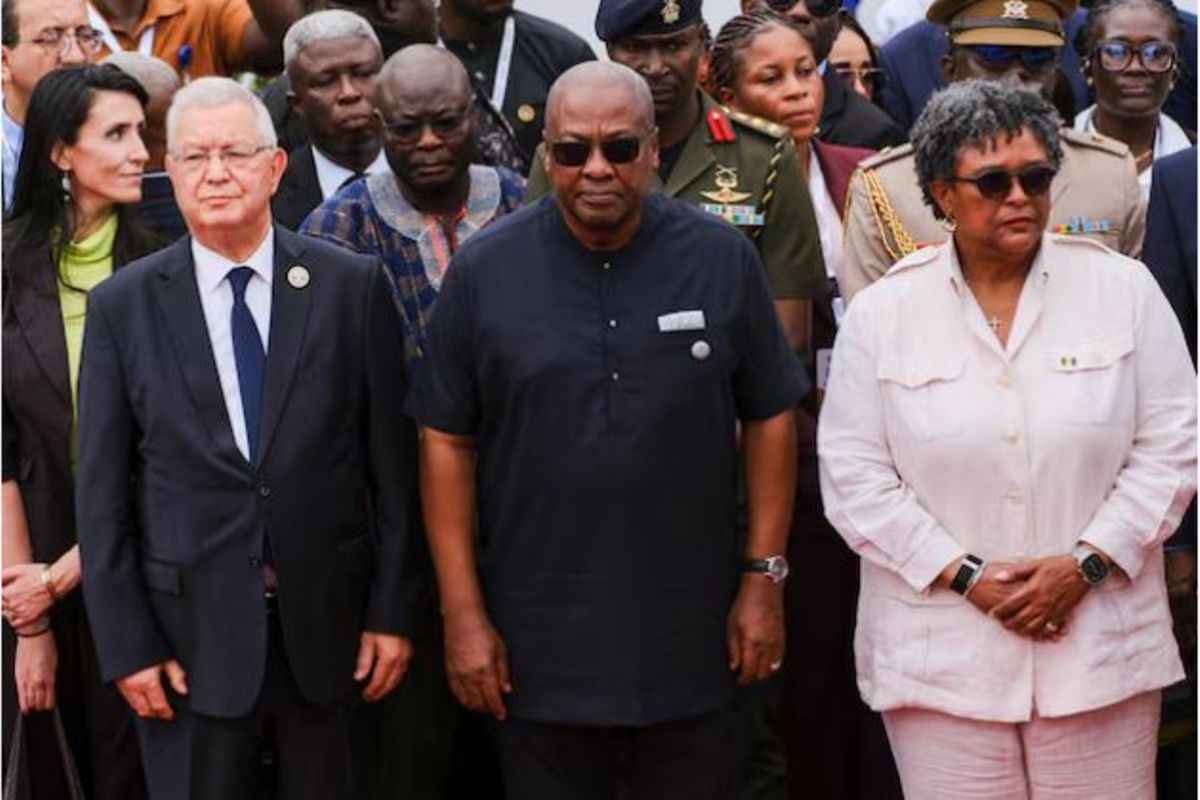
The Ghanian president, John Dramani Mahama, understood what was at stake. He called the resolution “a pathway to healing and reparative justice” and “a safeguard against forgetting”. The point was not theatrical outrage but to establish, at the highest level, a crime whose scale, brutality and enduring consequences structure the present.